In this guide
Key Takeaways
- Small differences in boot construction can materially change comfort, support and durability in daily wear.
- The most useful comparisons separate broad similarities from the details that affect fit and real-world use.
- Technical specifications matter most when they influence fit, weather resistance and long-term wear rather than appearance.
- Strengths on a specification sheet do not always reflect how boots will feel or hold up over time.
- The right choice depends on where the boots will be worn, how often they will be used, and in what conditions.
Overview
Boots vary more in construction and intended use than the category name suggests, so small specification differences can have a noticeable effect on comfort, support and durability. The main distinctions usually come down to height, upper material, sole design, fastening system and the balance between protection and flexibility. A higher-cut boot typically offers more ankle coverage and a more secure feel on uneven ground, whereas a lower profile often feels lighter and less restrictive for everyday wear. That extra support can be useful, but it may come with added weight and a stiffer fit.
Material choice is another clear dividing line. Leather styles are often selected for structure, abrasion resistance and a more traditional finish, while synthetic alternatives tend to prioritise lower weight and faster drying times. In contrast, mixed-material designs may try to combine durability in high-wear areas with greater flexibility elsewhere. The trade-off is that no single construction suits every use case equally well. A tougher upper may cope better with repeated outdoor use, but by comparison it can feel less supple straight out of the box.
Sole units also separate one boot from another. Deeper, more aggressive tread patterns are generally aimed at grip on loose or muddy surfaces, whereas flatter or less pronounced outsoles can make more sense on hard urban ground where stability and everyday comfort matter more than off-road traction. Midsole firmness plays a part too. A firmer platform can feel more supportive under load, while softer cushioning may be preferable for long hours on paved surfaces. Neither is inherently better, it depends on where and how the boots will be worn.
Fastening and fit details influence day-to-day usability. Lace-up designs usually allow more adjustment through the foot and ankle, whereas pull-on or zip styles can be quicker to get on and off. Toe shape, internal volume and collar padding further affect whether a pair feels secure, roomy or restrictive. For comparison purposes, the useful question is not simply which boot appears more robust, but which combination of support, grip, weight and convenience aligns with the demands of the wearer’s routine.
Feature Comparison
A comparison table is most useful when it separates headline similarities from the details that change day-to-day wear. In boots, the most informative rows are usually upper material, sole construction, fastening, shaft height, lining, waterproofing, weight and intended terrain. Those specifications often explain why two pairs that look similar on the page can feel very different in use.
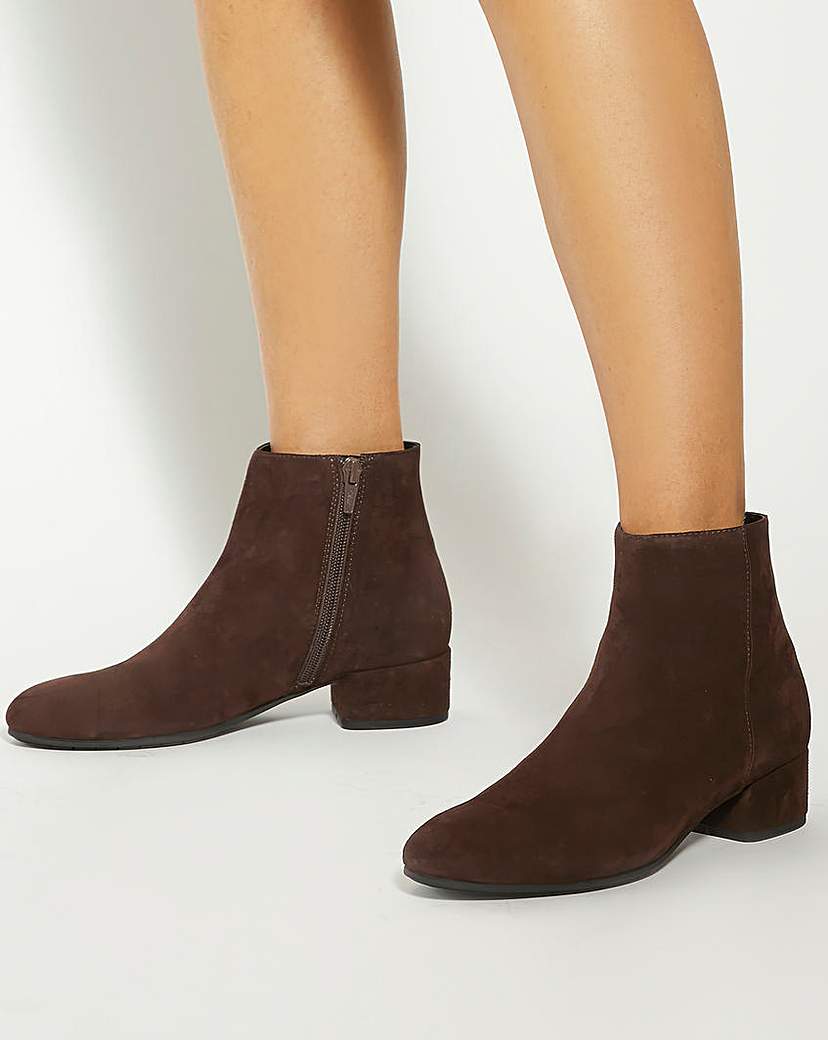
Upper material is a practical starting point. Full-grain leather typically prioritises abrasion resistance and long-term structure, whereas suede or nubuck can feel more flexible but may need more care in wet or muddy conditions. Synthetic uppers, by comparison, often reduce weight and drying time, though they may not age in quite the same way as leather. If the table lists mixed-material construction, that often signals a compromise between support, breathability and weight.
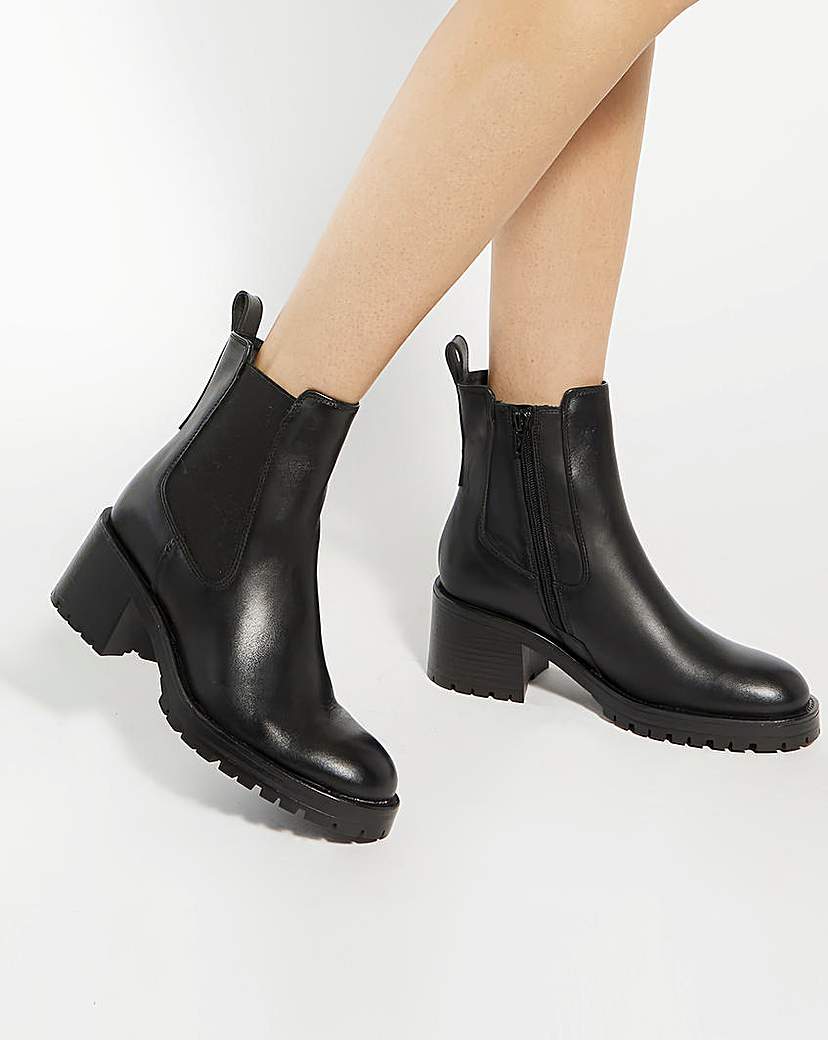
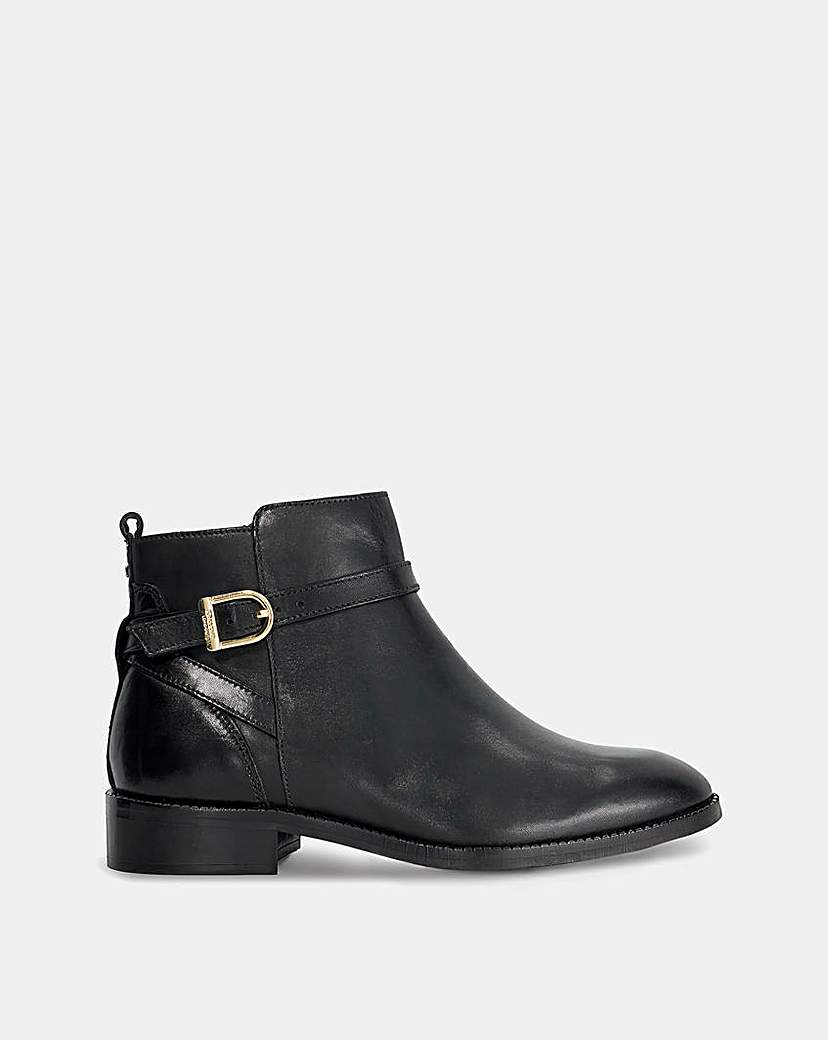
Sole details deserve close attention because they affect grip and underfoot feel more than product photos suggest. A deep-lug outsole usually points to better traction on softer ground, whereas a flatter tread may suit urban wear or harder-packed surfaces. In contrast, a stiffer midsole tends to improve stability and load support, while a more flexible sole can feel easier straight out of the box. If one model uses a welted construction and another a cemented sole, the trade-off is often between ease of resoling and lower overall weight.
Fastening and shaft height also change fit in ways that are easy to overlook. Lace-up designs generally allow more adjustment through the instep and ankle, whereas pull-on or zip styles prioritise convenience. Higher shafts can add ankle coverage and weather protection, but by comparison they may feel warmer or less quick to put on.
Lining and waterproofing rows help clarify seasonal use. Insulated or shearling-lined boots are usually better suited to colder conditions, whereas unlined options may offer greater versatility across milder temperatures. Similarly, a waterproof membrane can improve wet-weather performance, while non-membrane construction may breathe more freely.
Weight should be read alongside purpose rather than in isolation. Lighter boots can reduce fatigue over long periods of walking, but heavier pairs may deliver more protection or structure. The table works best when these features are read together, not as isolated advantages.
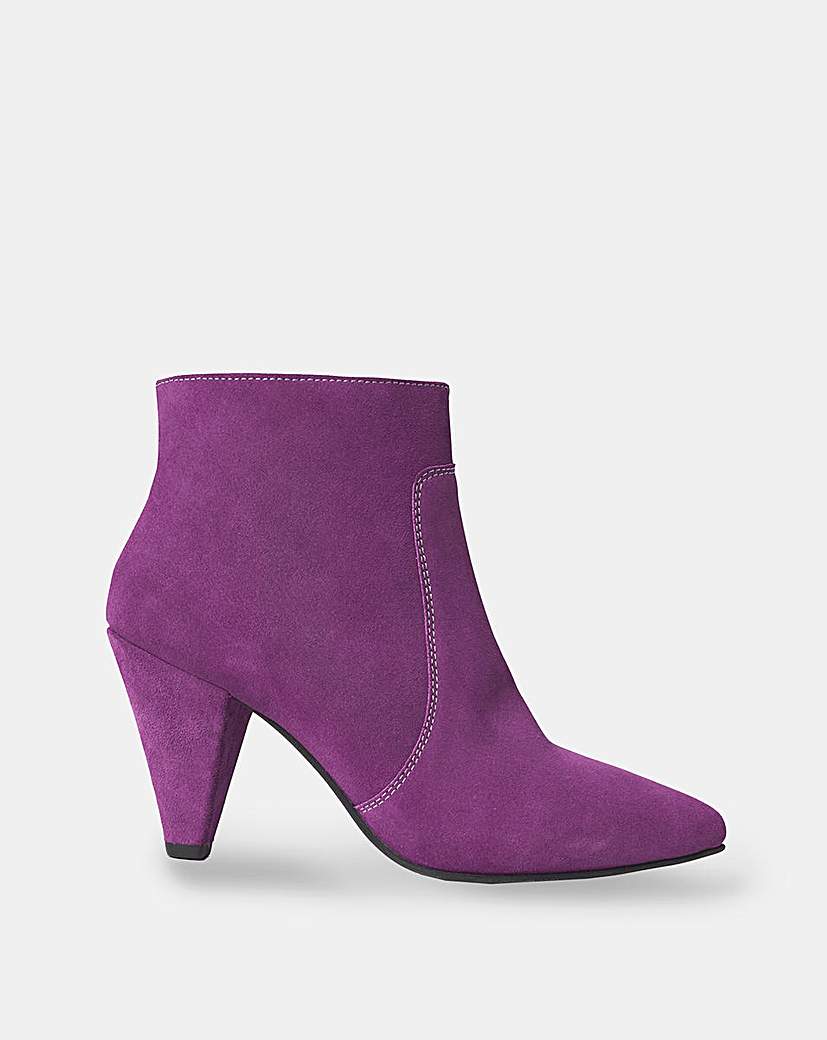
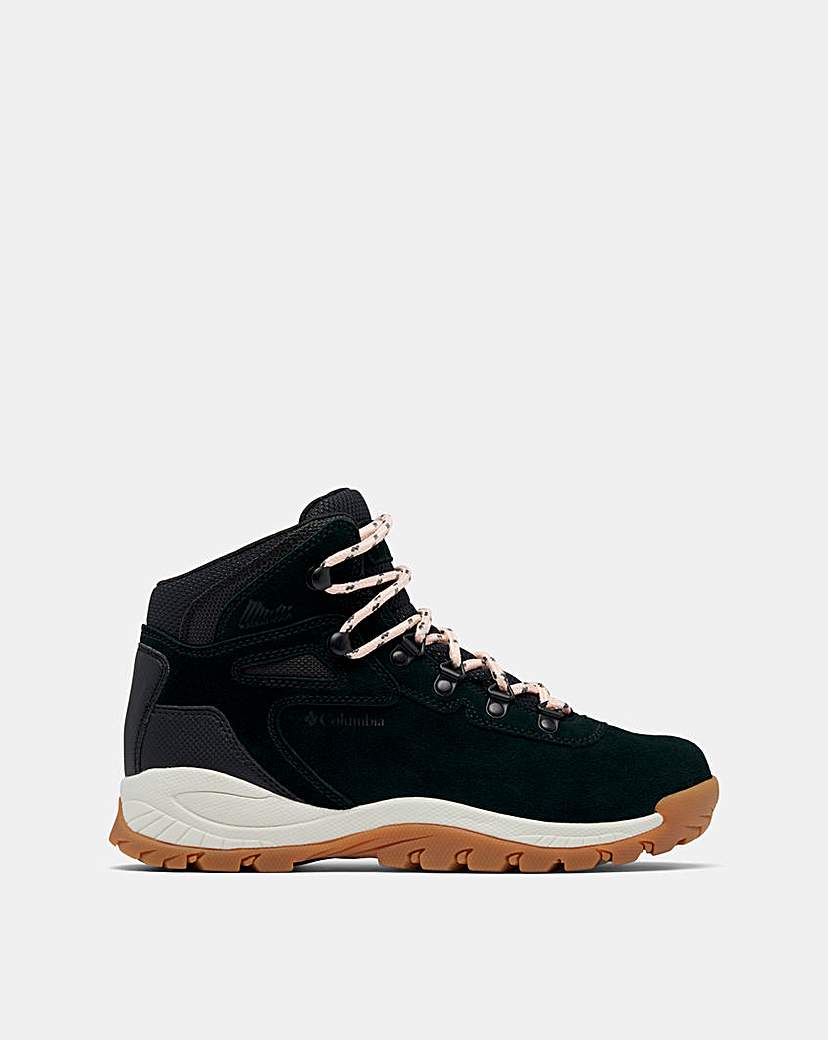
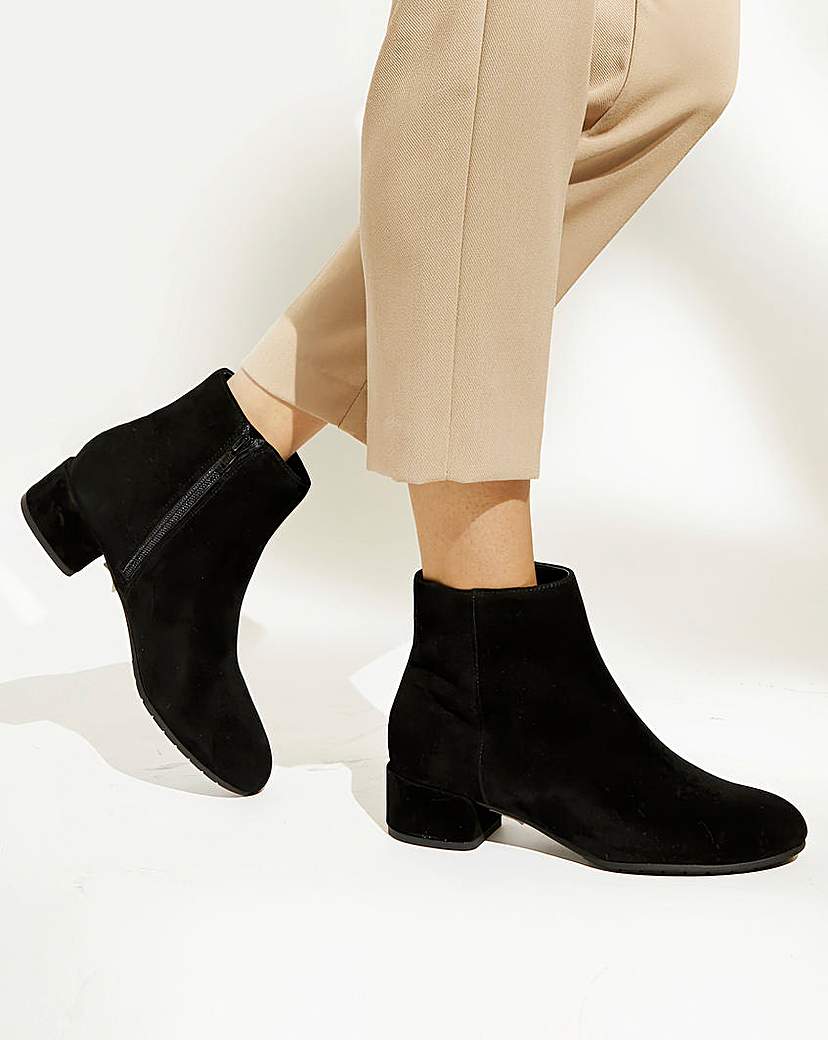
Technical Specifications
The most useful specifications in this category are the ones that affect fit, weather resistance and long-term wear, rather than cosmetic differences. Upper material is usually the first dividing line. Full-grain leather generally prioritises abrasion resistance and structure, whereas suede and nubuck often feel more flexible earlier on but can need more care in wet or muddy conditions. Synthetic uppers, by comparison, can reduce weight and drying time, though they may not age in the same way as leather.
Lining and membrane details matter just as much. A leather or textile lining can influence breathability and how quickly the boot feels warm in use. Where a waterproof membrane is listed, it usually signals better protection in prolonged wet conditions; in contrast, unlined or non-membrane designs may vent heat and moisture more easily during milder weather. Neither approach is automatically preferable, because the trade-off is typically weather protection versus airflow.
Underfoot specifications often explain why two similar-looking pairs feel very different. Midsole material affects cushioning and stability, especially over longer periods on hard ground. A firmer build can feel more supportive under load, whereas a softer one may feel easier straight away but less controlled on uneven terrain. Outsole design also deserves close attention. Lug depth, rubber compound and sole profile influence grip on mud, rock and urban surfaces, and a more aggressive tread is not always more versatile if most wear is on pavement.
Shank, footbed and fastening details are easy to overlook but can change daily usability. A supportive shank can improve torsional stability, while a removable footbed gives more scope for orthotics or fit adjustment. Lace hardware, zip access or pull-on construction each alter convenience and ankle hold. Higher-cut boots usually add support and weather coverage; lower-cut alternatives, by comparison, can feel less restrictive and lighter.
Finally, weight and sole attachment method can be worth comparing directly. Heavier models may offer a more substantial, protective feel, whereas lighter options can reduce fatigue over long distances. Cemented, stitched or welted construction can also indicate different priorities around flexibility, water resistance and potential resoling, so these details are often more revealing than style alone.
Strengths and Weaknesses
Some strengths are easy to spot on a specification sheet, but the more useful differences often sit in how those choices affect wear over time. A taller shaft, for example, can add support and improve coverage in wet or cold conditions, whereas a lower-cut boot is usually easier to move in and simpler to pair with everyday clothing. That extra structure can be helpful for rougher use, but it may also feel heavier or less flexible during long periods on your feet.
Material choice creates another clear trade-off. Leather is often valued for durability and the way it adapts to the foot with wear, but it can need more care and may take longer to break in. Synthetic uppers are typically lighter and easier to maintain by comparison, though some shoppers find they do not age in quite the same way. If a comparison includes waterproof membranes, the advantage is obvious in poor weather, yet this can come at the cost of reduced breathability versus more open constructions.
Sole design is one of the most practical points of difference. A deeper, more aggressive tread generally offers better grip on uneven or slippery ground, in contrast to flatter soles that can feel less cumbersome on hard urban surfaces. Thicker soles may absorb impact more effectively, but they can also reduce ground feel and add bulk. Likewise, a rigid midsole can improve stability, whereas a more flexible build tends to feel easier straight out of the box.
Fastening systems also shape daily use. Lace-up designs usually allow finer adjustment through the instep and ankle, but they take longer to put on and remove. Pull-on or zip-entry options are more convenient, although the fit may be less adaptable if your foot shape sits between sizes.
The weaker point in many comparisons is that no single strength applies equally to every use case. Features that improve protection, grip or support often add weight, stiffness or heat retention. By comparison, lighter and simpler boots may feel better for routine wear, but they can give up some weather protection and long-term resilience. The useful comparison is not which boot has more features, but which compromises are more acceptable for the way it will actually be worn.
Our Verdict
The practical choice comes down to where, how often, and in what conditions the boots will be worn. If two pairs appear similar at first glance, the more useful distinction is usually how their construction aligns with your routine. A lighter, more flexible option may feel easier from day one, whereas a more structured build can make more sense if support and stability matter more over longer wear.
Weather handling is another dividing line. Boots with stronger protection from wet conditions can be the more sensible pick for regular outdoor use, but that advantage may come with a trade-off in breathability or overall weight. By comparison, a pair designed with less emphasis on weather resistance may feel less cumbersome indoors or in milder conditions. Neither approach is automatically better, it depends on whether exposure to rain, mud or cold is occasional or routine.
Fit should carry at least as much weight as headline materials or styling. Small differences in shape, fastening, collar height or internal volume can change how secure a boot feels across a full day. In contrast, a technically stronger specification on paper may still be the weaker choice if the fit does not suit your foot shape or the socks you normally wear. For comparison shoppers, this is often the point where the shortlist narrows quickly.
Durability also needs to be judged against expected use. A more robust sole unit or heavier upper may justify a higher price if the boots are intended for frequent wear or rougher surfaces. Whereas for occasional use, paying extra for added toughness may offer limited real-world benefit. The same applies to maintenance, some materials and finishes ask for more upkeep, while others are easier to live with but may age differently.
The clearest way to decide is to rank your priorities before comparing prices. If comfort straight out of the box matters most, focus on flexibility and fit. If longevity, support or weather protection sit higher, weigh those features more heavily, even if they bring extra weight or a firmer feel.
The key decision factor is intended use, because differences in fit, support, weather resistance and construction only matter in relation to where and how often the boots will be worn. The most useful comparison is the one that links those specifications to day-to-day comfort and long-term durability, rather than focusing on cosmetic details alone.