Key Takeaways
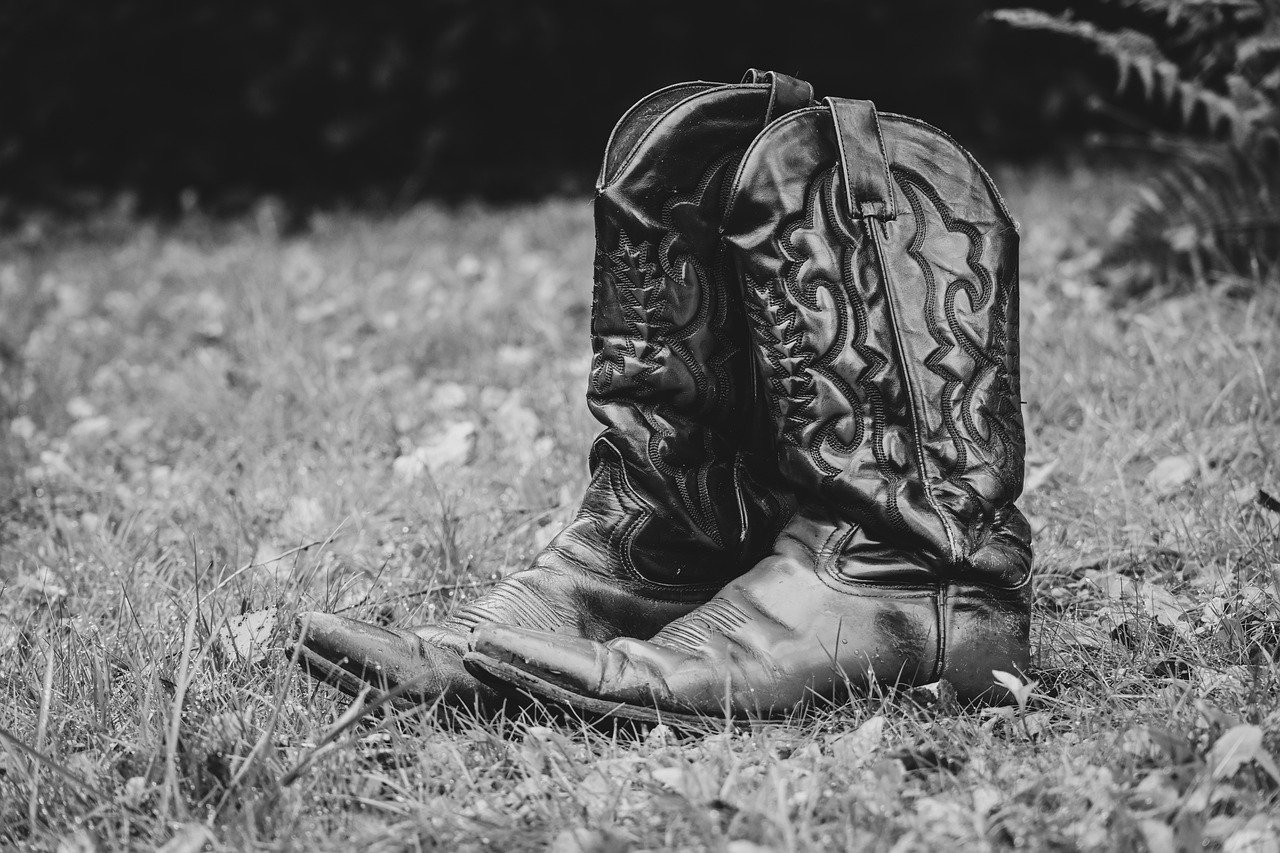
- Boots in this category extend above the foot and cover at least the ankle.
- A well-fitting boot should feel secure around the heel, toe box and ankle without pinching.
- Common boot materials include leather, suede, synthetic uppers, rubber and textile mixes.
- Material choice affects everyday wear, so it is worth comparing options based on how you plan to use the boots.
About This Category
Q: What counts as a boot rather than a shoe? A: In this category, boots are footwear that extends above the foot and covers the ankle at minimum. Many styles rise higher, from ankle boots to mid-calf and knee-high designs. That extra coverage affects fit, support, warmth and how the boot works with different outfits. Compared with most shoes, boots usually have a more structured upper and a different opening, such as a zip, pull-on shaft or lace fastening. When comparing options, the key distinctions are shaft height, fastening type, sole construction and the materials used in the upper and lining.
Q: How should boots fit for everyday wear? A: Everyday boots should feel secure around the heel and midfoot without pinching the toes. You want enough room in the toe area for natural movement, especially if you plan to wear thicker socks in colder weather. The ankle area should hold the foot comfortably rather than rubbing as you walk. A boot that is too loose can cause heel lift and friction, while one that is too tight may become uncomfortable over longer periods. Fit can also vary by shaft shape and fastening, so it helps to check how adjustable the design is.
Q: Are boots suitable for all-day walking and commuting? A: Many boots are worn for daily use, but comfort over a full day depends on the specific design rather than the category alone. Sole flexibility, underfoot cushioning, weight, heel height and the way the upper secures the foot all affect how practical a pair will feel on a commute or during long periods on your feet. An ankle boot with a stable sole may suit regular city wear very differently from a higher or more structured style. For everyday use, compare fit, sole grip and how easy the boots are to get on and off.
Q: What materials are commonly used in boots? A: Boots are made in a wide range of materials, and the upper, lining and sole may all differ. Common upper materials include leather, suede and synthetic alternatives, while linings can be textile, leather or other man-made materials. Soles are often made from rubber or other durable compounds chosen for grip and wear. Material choice affects flexibility, breathability, appearance and care requirements. For example, smooth leather, suede and synthetic finishes all need different cleaning methods. When comparing products, check each component rather than assuming the whole boot is made from one material.
Q: How do I choose between ankle boots, mid-calf boots and knee-high boots? A: The main difference is coverage, which changes both styling and day-to-day practicality. Ankle boots are often easier to pair with a wide range of outfits and can be simpler to wear across seasons. Mid-calf and knee-high styles provide more leg coverage, which may affect warmth, layering and how the shaft fits around the calf. Taller boots can also feel more structured, depending on the material and opening. When choosing, focus on shaft height, ease of entry, how the boot sits when walking and whether the shape works with your usual clothing.
Q: What should I check before buying boots online? A: Start with the product details for materials, fastening, heel height, shaft height and any fit notes provided. These points matter more with boots than with many shoes because the ankle and leg area can affect comfort as much as the footbed. Product images can help you judge shape and structure, but they should not replace the written specification. It is also useful to look for information on lining and sole material, as these influence comfort and maintenance. If you are between sizes, pay close attention to any sizing guidance listed for that specific pair.
Q: Do boots need different care from other footwear? A: Often, yes. Boots have more surface area, more seams and sometimes multiple materials in one pair, so care can be more involved than with low-cut shoes. The right approach depends on the materials listed in the product details. Leather, suede and synthetic uppers should not all be cleaned in the same way, and linings and soles may need separate attention. Regular care helps preserve appearance and can reduce premature wear, especially around flex points and openings. Before cleaning or protecting a pair, check the material breakdown so you use methods suited to that specific boot.
Frequently Asked Questions
How should boots fit around the heel, toe box and ankle?
A good fit should feel secure without pinching. Your heel should stay in place with only slight movement when you walk, as too much lift can lead to rubbing. The toe box should leave enough room to wiggle your toes without pressure at the front or sides. Around the ankle, the fit depends on the style, some boots are close-fitting, while others are designed with more space. Try boots on with the socks you expect to wear most often, and check comfort standing, walking and going up or down stairs.
Should I size up in boots if I plan to wear thick socks?
Thick socks can change the fit noticeably, especially in styles with a close-fitting shaft or a narrower forefoot. If you usually wear heavier socks in colder weather, it makes sense to try boots with those socks on rather than guessing. Sizing up can help, but too much extra length may cause heel slip and reduce support. In many cases, the better option is to compare your usual size with the next size up and judge which gives enough room without making the boot loose in key areas.
What are the main differences between leather, suede and synthetic boots?
Leather is often chosen for its structured feel and its ability to soften with wear. Suede has a softer surface and a different look, but it can mark more easily and usually needs more careful maintenance. Synthetic materials vary widely, but they are often selected for lower maintenance and a different price point. The right choice depends on how and where you plan to wear the boots. For everyday use, compare not just appearance but also care needs, weather suitability and how flexible or supportive the upper feels.
Are boots suitable for everyday wear?
Many boots work well for everyday wear, but comfort depends on the design, materials and sole construction. For regular use, look closely at weight, flexibility, fastening type and how the boot feels over longer periods on your feet. A very stiff or heavy pair may suit occasional wear better than daily commuting or all-day walking. Everyday practicality also depends on how easy the material is to maintain and whether the sole offers enough grip for the surfaces you use most often, such as pavements, office floors or public transport.
How can I tell if boots will be comfortable for walking?
Start by checking how the boots flex when you walk, where they feel stiff, and whether any seams or edges rub. Comfort for walking usually comes from a stable fit at the heel, enough room at the front, and a sole that supports your stride without feeling overly rigid. Try them on later in the day if possible, when feet are slightly more swollen, as this can give a more realistic fit. If you walk long distances, pay attention to weight and cushioning as well as initial fit.
How do I care for boots so they last longer?
Regular care depends on the material. Leather usually benefits from cleaning and conditioning to help prevent drying and cracking. Suede typically needs gentler brushing and products made for that finish. Synthetic uppers are often simpler to wipe clean, but you should still follow the care guidance provided with the boots. For any material, letting boots dry naturally after wet wear helps preserve shape and finish. Rotating pairs rather than wearing the same boots every day can also reduce wear and give linings and insoles time to air out.
What should I check when buying boots online?
Focus on the details that affect fit and day-to-day use. Check the size guide, any fit notes, shaft height, fastening type and the materials listed for the upper, lining and sole. Product photos can help you judge shape and coverage, but written specifications are more reliable for comparison. It is also worth checking care guidance, return terms and whether reviewers mention sizing consistency, width or stiffness. If you are choosing between two pairs, compare how each one matches your usual socks, routine and typical weather conditions.
Still Have Questions?
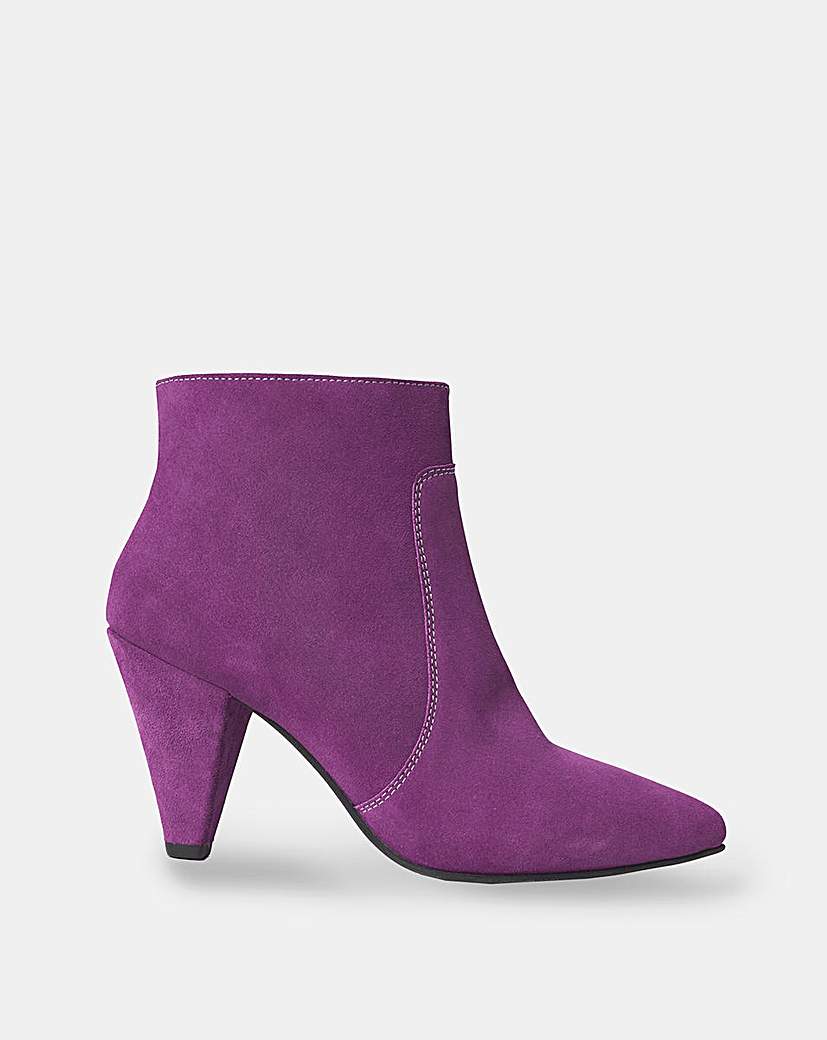
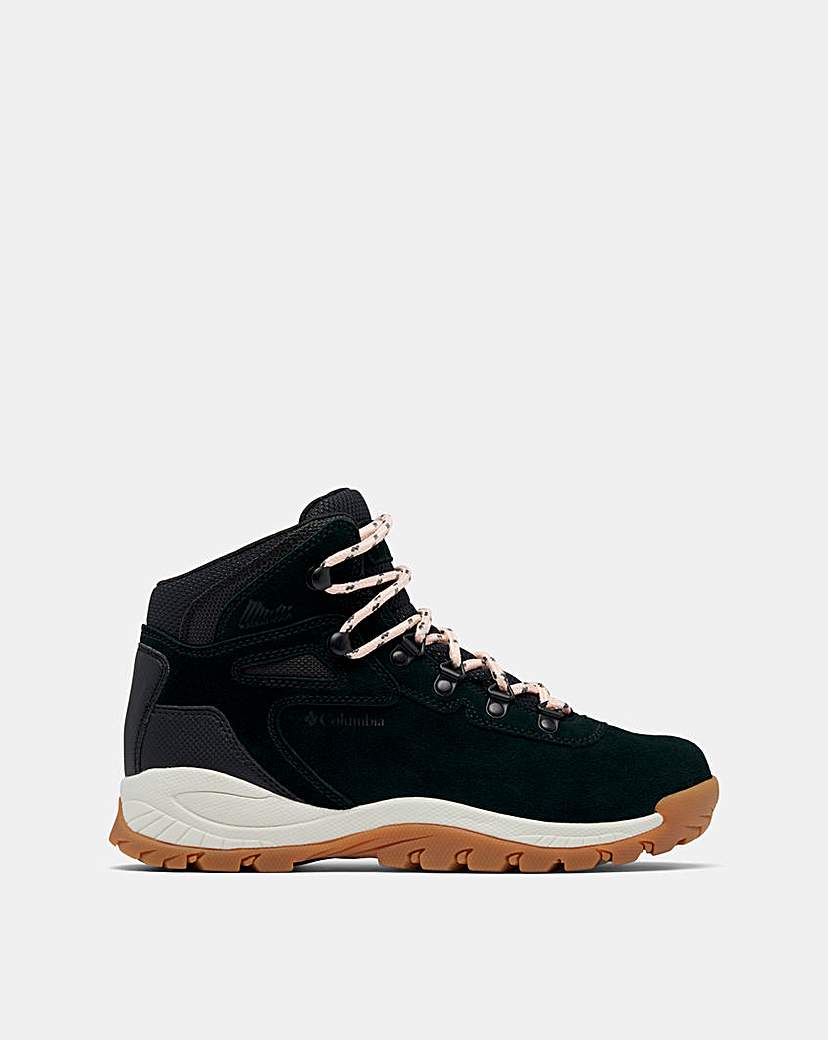
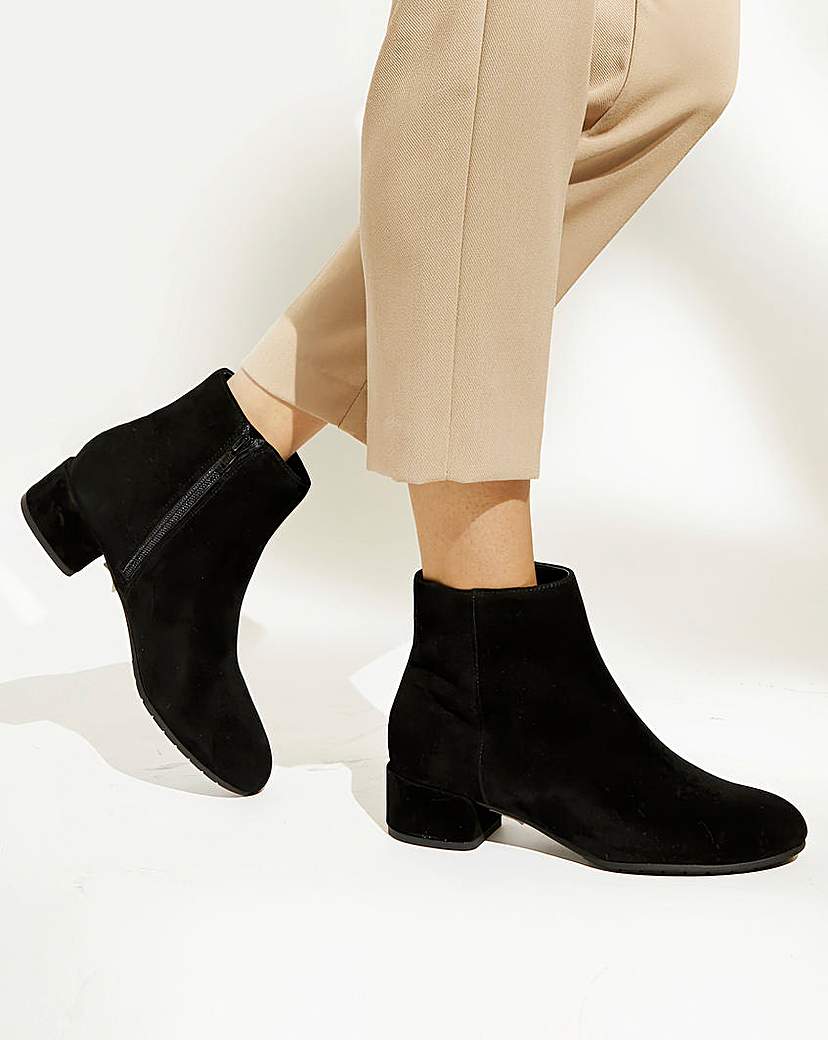
Q: What materials are commonly used for boots, and how do they affect wear? A: Boots are often made from leather, suede, synthetic uppers, rubber, or textile mixes. Leather usually moulds to the foot over time and can be durable with regular care. Suede has a softer finish but tends to mark more easily and usually needs more protection in wet conditions. Synthetic materials can be lighter and simpler to wipe clean, though feel and flexibility vary by design. Rubber is common in waterproof styles and wet-weather boots. The material affects breathability, weight, care needs, and how quickly the boot softens with use.
Q: Are leather boots likely to stretch with wear? A: Many leather boots give slightly as they are worn, especially across the width and around flex points, but the change is usually modest rather than dramatic. They should not rely on stretching to fix a poor fit. If a pair feels painfully tight, too short, or restrictive at the toes, a larger size or different shape is usually the better option. Suede can also relax a little, while many synthetic materials change less. The sole, toe shape, and internal lining can all limit how much a boot actually loosens.
Q: How do I choose boots for everyday wear? A: For regular use, focus on comfort, practicality, and how the boot fits into your routine. Consider the sole grip, overall weight, fastening type, and whether the upper material suits your usual weather conditions. A low-maintenance finish may be more practical if you expect frequent wear, while a softer or more delicate material may need more upkeep. Think about how long you will be on your feet, whether you walk a lot outdoors, and if you need room for thicker socks. Everyday boots should feel dependable from the start, not like a pair reserved for occasional use.
Q: Can I wear the same boots in wet weather every day? A: That depends on the material, construction, and how well the boots dry between wears. Rubber and specifically waterproof designs are generally better suited to repeated wet-weather use than untreated suede or delicate finishes. Even water-resistant boots benefit from drying out properly after exposure to rain. Wearing the same pair every day in damp conditions can shorten their life if moisture stays trapped inside. If you regularly face wet weather, it helps to check care guidance, use suitable protection where appropriate, and allow boots to air dry away from direct heat.
Q: What is the difference between lined and unlined boots? A: Lined boots include an internal layer that can change warmth, structure, and underfoot feel. Depending on the lining, they may feel softer, warmer, or more substantial, which can be useful in colder conditions. Unlined boots often feel lighter and may allow a more direct fit, though this varies by construction. The choice affects comfort across seasons, how much room there is for socks, and sometimes how quickly the boot dries after wear. If you plan to wear boots year-round, lining is worth checking because it can make a noticeable difference in day-to-day comfort.
Q: How should I care for boots to keep them wearable for longer? A: Care depends on the material, but regular cleaning and drying are the basics. Remove dirt after wear, especially from seams and soles, and let boots dry naturally if they get wet. Leather usually benefits from conditioning to help prevent drying and cracking. Suede generally needs a brush designed for that finish and should be kept away from heavy saturation where possible. Store boots upright or supported so they keep their shape. Rotating pairs rather than wearing the same boots every day can also help reduce moisture build-up and extend their usable life.
Fit is usually the key deciding factor, because boots should feel secure at the heel, comfortable through the toe box, and stable around the ankle without pinching. Once the fit is right, material choice helps narrow things down based on how you want the boots to feel and wear day to day.