In this guide
Key Takeaways
- Prioritise cutting mechanism and control when comparing secateurs, because precise pruning depends more on how they cut than on headline size claims.
- Check lopper cutting capacity under realistic use, as they sit between secateurs and pruning saws and need to handle thicker growth without overstating performance.
- Choose a pruning saw for branches that are too thick or hard for loppers, where a cleaner and more controlled cut is needed than a chainsaw would provide.
- Use a border spade in smaller beds and around established planting, but switch to a digging spade for larger areas, heavier ground, and moving more soil or compost per lift.
- Buy a garden fork when your main job is loosening soil rather than slicing into it, especially for year-round ground care.
What to Look For
Secateurs
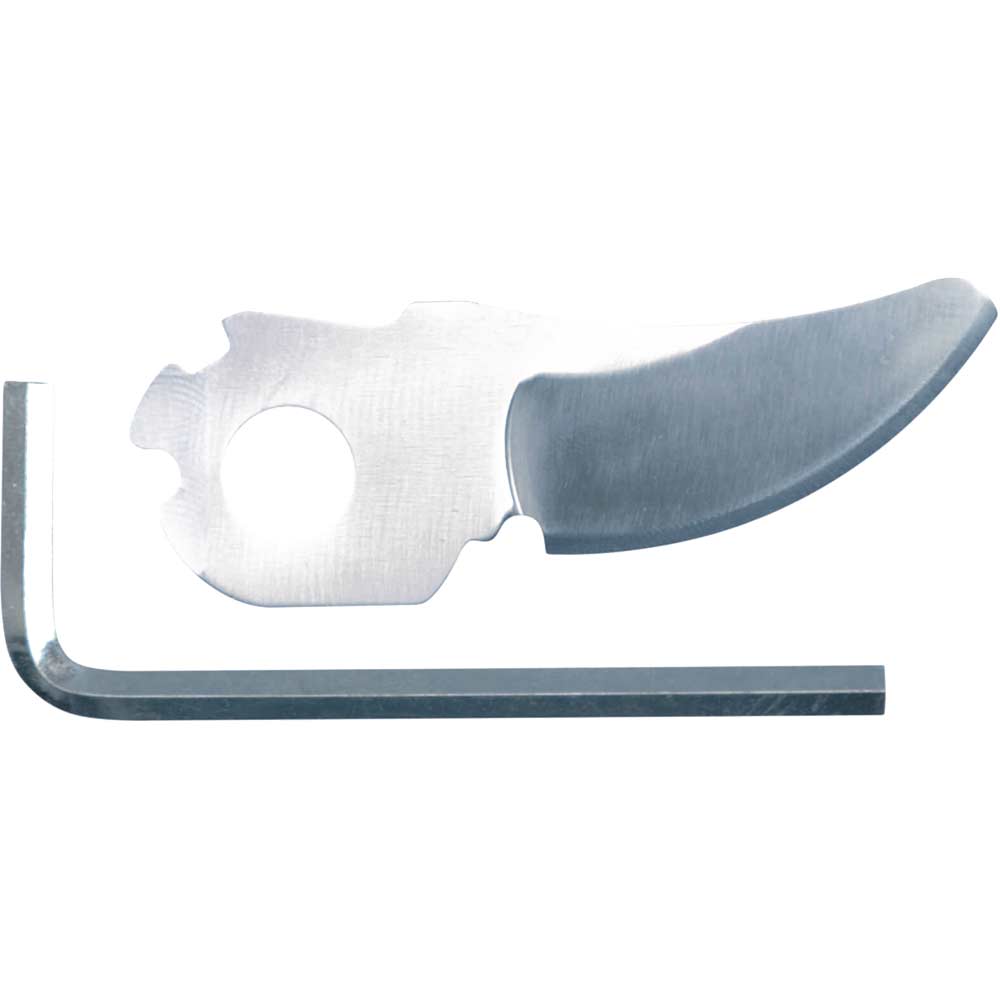
Secateurs do the most precise pruning work, so the cutting mechanism matters more than headline size claims. Bypass secateurs use two passing blades and make a cleaner cut on live stems, which helps reduce crushing and limits damage around the cut. Anvil secateurs close a blade onto a flat surface and suit harder, dead wood where clean tissue preservation is less important. Ratchet secateurs add mechanical advantage through staged cuts, which can help if hand strength is limited, but they are slower for repetitive work.
Handle shape, lock design and maintenance access affect day-to-day use as much as cutting capacity. A tool that fits your hand reduces twisting at the wrist and makes controlled cuts easier when working deep inside shrubs. Check whether blades can be sharpened or replaced, and whether sap-prone parts can be cleaned without dismantling the whole tool. Spring quality also matters, because a weak or exposed spring is often the first part to fail under regular use.
| Type | Best suited to | Main advantage | Main trade-off |
|---|---|---|---|
| Bypass secateurs | Live stems and green growth | Cleaner, less crushing cut | Less effective on very hard dead wood |
| Anvil secateurs | Dead stems and woody material | Strong cutting action on dry wood | Can crush live stems |
| Ratchet secateurs | Thicker stems, lower hand strength | Reduced effort through staged cutting | Slower for frequent pruning |
If you prune both live and dead growth, a bypass model for routine cutting and a separate saw or lopper for harder wood is often more efficient than forcing one tool to do everything.
-
Choose bypass secateurs for live growth, anvil secateurs for dead wood, and ratchet designs where reduced hand effort matters.
-
Check blade serviceability, including sharpening and replacement options.
-
Prioritise a secure lock and a handle shape that keeps the wrist in a neutral position.
-
Look at spring protection and ease of cleaning if you cut resinous or sappy plants.
Loppers
Loppers extend reach and increase leverage, making them the step between secateurs and a pruning saw. Long handles let you cut thicker branches without climbing into the plant, but extra length also changes balance and can make overhead work tiring. The key comparison is between bypass and anvil heads, just as with secateurs, but leverage and handle stiffness become more important because flex wastes effort and reduces control at the cut.
Weight distribution is critical on a tool used at arm’s length. A lighter pair may cut less thick material, but can be more productive over a long session because fatigue arrives later. Telescopic handles add versatility for mixed shrubs and small trees, though the locking points need to stay rigid under load. If the handles twist or slip, cutting accuracy drops and the branch can tear rather than shear cleanly.
Maximum cutting diameter figures are usually optimistic in dense hardwood. Real-world performance depends on wood species, moisture content and how cleanly you can position the jaws.
-
Match bypass heads to live branches and anvil heads to dead, dry wood.
-
Compare handle length against control, not just reach.
-
Check for handle rigidity, especially on telescopic designs.
-
Consider overall weight if you prune for long periods or work overhead.
Spades and Garden Forks

For digging tools, the head shape should match the soil and the task. A digging spade with a relatively pointed profile enters compacted ground more easily, while a squarer border-style shape gives neater edges in cultivated beds. Garden forks are better where you need to loosen soil structure, lift root crops or work compost through existing ground without slicing as many roots as a spade. In heavy or stony soil, tine strength and socket construction matter because this is where cheaper tools tend to bend.
Handle format changes both comfort and force transfer. A longer shaft can improve leverage for taller users and deeper digging, while a shorter tool may feel more controlled in raised beds or confined borders. D-shaped and T-shaped grips each have supporters, but the practical point is whether you can keep the tool aligned when pushing, lifting and turning. Pay attention to the join between handle and head, because repeated levering puts more stress here than straightforward digging.
If your garden has mixed conditions, a digging spade and a garden fork cover more ground than a single general-purpose tool, because one cuts into soil and the other opens it up.
-
Use a spade for cutting, edging and moving soil, and a fork for loosening, lifting and incorporating organic matter.
-
Match head shape to soil conditions and bed layout.
-
Check tine or blade robustness if your ground is heavy, stony or root-filled.
-
Inspect the handle-to-head connection, as this area takes the highest strain.
Rakes and Hoes
Rakes and hoes handle the maintenance work that keeps beds usable through the year. A garden rake is for levelling soil, breaking down clods and gathering debris, while a leaf rake is designed for lighter material and broader coverage. Hoes vary more than many buyers expect. Draw hoes pull soil and weeds towards you, which suits shaping rows and earthing up, while push or oscillating styles are more efficient for slicing off young weeds just below the surface.
The right choice depends on timing and soil condition. Hoes work most efficiently on small weeds in dry surface soil, where a shallow pass severs growth before it establishes. Once weeds are deep-rooted or the ground is wet and compacted, a hoe becomes less effective and can smear the soil surface. For rakes, tine spacing and flexibility determine whether the tool is intended for fine seedbed preparation or rougher clearing work.
-
Choose a garden rake for soil preparation and a leaf rake for lightweight debris.
-
Select hoe type by motion and task, draw for pulling and shaping, push or oscillating for shallow weed control.
-
Use hoes early, before weeds root deeply.
-
Match rake tine pattern to fine levelling or rough clearing work.
Hand Trowels and Hand Forks
Small hand tools are used constantly, so precision and comfort matter more than broad versatility claims. A hand trowel should move compost, plant bulbs and transplant seedlings without forcing you to overfill or twist the wrist. A hand fork should loosen surface soil, tease out weeds and work around established plants where a full-size fork would cause damage. Because these tools are often used in repetitive, close work, handle security and blade stiffness are more important than raw size.
These tools also see frequent contact with wet compost, fertiliser and stored moisture, so corrosion resistance and easy cleaning affect service life. A trowel with measurement markings can help with bulb and plug planting, but only if the markings remain legible after abrasion. On both tool types, the transition from handle to working end is the stress point, especially when levering out roots or working in compacted containers.
Hand tools that feel solid in the shop can still be awkward in use if the handle is too thick, too smooth or poorly balanced for gloved hands.
-
Choose a trowel for planting and moving material, and a hand fork for loosening and weeding around plants.
-
Check handle grip and balance for repetitive close work.
-
Look for stiffness at the neck or socket, where failures often start.
-
Consider ease of cleaning and corrosion resistance for tools used in compost and damp soil.
Key Specifications to Compare
Loppers
Loppers bridge the gap between secateurs and a pruning saw, and the key specification is cutting capacity under realistic use. Manufacturers often quote a maximum branch diameter, but that figure usually assumes green wood and ideal leverage. For harder, seasoned growth, compare the stated capacity alongside handle length and the cutting action, because a longer tool with a geared or ratchet mechanism can outperform a nominally larger blade.
Blade design affects both effort and finish. Bypass loppers make a cleaner cut on live wood, which helps when thinning shrubs and pruning fruit trees. Anvil loppers suit dead or dry branches, where crushing is less of a concern and straight downward force is useful. Weight also matters more than many buyers expect, because repeated overhead or shoulder-height cuts quickly expose the difference between a light aluminium-handled tool and a heavier steel one.
If you regularly cut mixed growth, compare bypass and anvil models by the type of wood you prune most often, not by maximum diameter alone.
-
Compare cutting capacity with the type of wood, green or dry, that you actually prune
-
Check handle length, because leverage increases with length but so does bulk and storage space needed
-
Choose bypass blades for live wood and anvil blades for deadwood
-
Look at total weight if you prune for long periods or work above shoulder height
Pruning Saws
Once branch diameter moves beyond what loppers can cut cleanly, saw tooth pattern and blade geometry become more important than raw blade length. A curved blade usually tracks better on overhead branches and helps maintain contact through the stroke, while a straight blade can be easier to control in tighter spaces. Tooth spacing affects speed and finish, with coarser teeth removing material faster and finer teeth giving more control on smaller branches.
Folding, fixed-blade, and pole-mounted pruning saws each suit different access problems. Folding saws are compact and safer to carry around the garden, but fixed blades can feel more rigid in heavy cuts. Pole saws extend reach without a ladder, yet the extra length reduces control and increases fatigue, so extension range and locking security are worth checking carefully. Replaceable blades are also useful if you expect frequent use on abrasive or resinous wood.
| Type | Best for | Main advantage | Main limitation |
|---|---|---|---|
| Folding pruning saw | General pruning and carrying around the garden | Compact storage and safer transport | Less reach, may feel less rigid |
| Fixed-blade pruning saw | Frequent cutting of medium branches | Stable feel in longer cuts | Bulkier to store |
| Pole pruning saw | High branches | Extends reach from the ground | Heavier, less precise control |
-
Compare blade shape, curved or straight, based on branch position and working angle
-
Check tooth pattern for the balance between cutting speed and control
-
Assess whether folding, fixed, or pole format suits your access needs
-
Look for secure locking mechanisms on folding and telescopic designs
-
Consider replaceable blades if the saw will see regular use
Spades and Digging Spades
For digging tools, blade shape and construction determine how effectively the tool enters the soil. A pointed blade penetrates compacted ground and clay more easily, while a square-ended digging spade is better for edging, slicing turf, and moving loose material with a flatter cut. The step, or tread, is worth comparing because a broader, well-defined tread spreads pressure from your boot more comfortably during repeated digging.
Handle format changes both posture and control. A D-handle gives a secure grip for lifting and turning soil, especially in confined beds, while a straight shaft can suit taller users and broader digging motions. Material matters because it affects stiffness, weight, and durability, but the more useful comparison is often the socket or joint where blade and shaft meet. This area takes the highest stress, so reinforced or extended sockets generally cope better with heavy ground.
A larger blade shifts more soil per lift, but it also increases strain in wet or clay-heavy ground.
-
Choose pointed blades for breaking ground and square blades for edging and general bed work
-
Check tread width if you expect long digging sessions or hard soil
-
Compare D-handles and straight shafts by working space and preferred grip
-
Inspect the blade-to-shaft joint, because this is a common stress point
-
Balance blade size against soil type, not just speed of work
Garden Forks
A digging fork is often the better choice where a spade clogs or struggles. Tine shape, spacing, and thickness determine whether the fork is suited to turning heavy soil, lifting root crops, or aerating compacted beds. Broader spacing sheds sticky soil more easily, while stronger, thicker tines resist bending in stony ground. For compost or manure work, a lighter fork with more open spacing behaves differently from a heavy digging fork, so the intended task should guide the comparison.
Handle length and overall weight again affect fatigue, but forks also need attention to tine count and forging quality. Four-tine digging forks are common because they balance penetration and strength, while more tines can increase support for loose material but reduce entry into dense ground. If you garden on clay or frequently work around roots, stiffness and tine strength are more useful specifications than a polished finish or decorative detailing.
-
Compare tine spacing by soil type, especially if you work in clay or wet ground
-
Check tine thickness and strength for stony or root-filled beds
-
Match the fork type to the job, digging, compost handling, or aeration
-
Consider tine count in relation to penetration versus support
-
Prioritise joint strength and rigidity for heavy-duty ground work
Rakes and Year-Round Maintenance Tools
For routine care, the useful comparison is not simply rake versus rake, but the head design matched to seasonal tasks. Lawn rakes with springy tines collect leaves and surface debris without gouging turf, while heavier garden rakes with rigid teeth level soil, break clods, and spread mulch or gravel. Adjustable heads can widen coverage for open lawns and narrow for borders, but moving parts add complexity and can reduce rigidity.
Other year-round tools benefit from the same task-first approach. Hoes vary by blade shape and are more effective when matched to draw or push action, while hand cultivators differ in tine spacing and depth control. For all of these tools, shaft length and head attachment are practical specifications to compare because they affect posture, leverage, and long-term durability more than cosmetic finish does.
| Tool category | Primary task | Key specification to compare | Trade-off |
|---|---|---|---|
| Lawn rake | Leaves and light debris | Flexible tine material and head width | Wider heads cover more ground but are less precise |
| Garden rake | Levelling and soil preparation | Rigid tooth count and head width | Heavier heads can be more tiring |
| Hoe | Weed control and surface cultivation | Blade shape and push or draw action | Efficient only when matched to technique |
| Hand cultivator | Loosening soil in beds and pots | Tine spacing and handle comfort | Smaller tools need more passes |
-
Match rake or hoe design to the specific maintenance task, not just the season
-
Compare head width against the size of the area and the need for precision
-
Check whether adjustable designs sacrifice rigidity for versatility
-
Look at shaft length for comfortable posture during repeated use
-
Prioritise secure head attachment on tools used for scraping or levelling
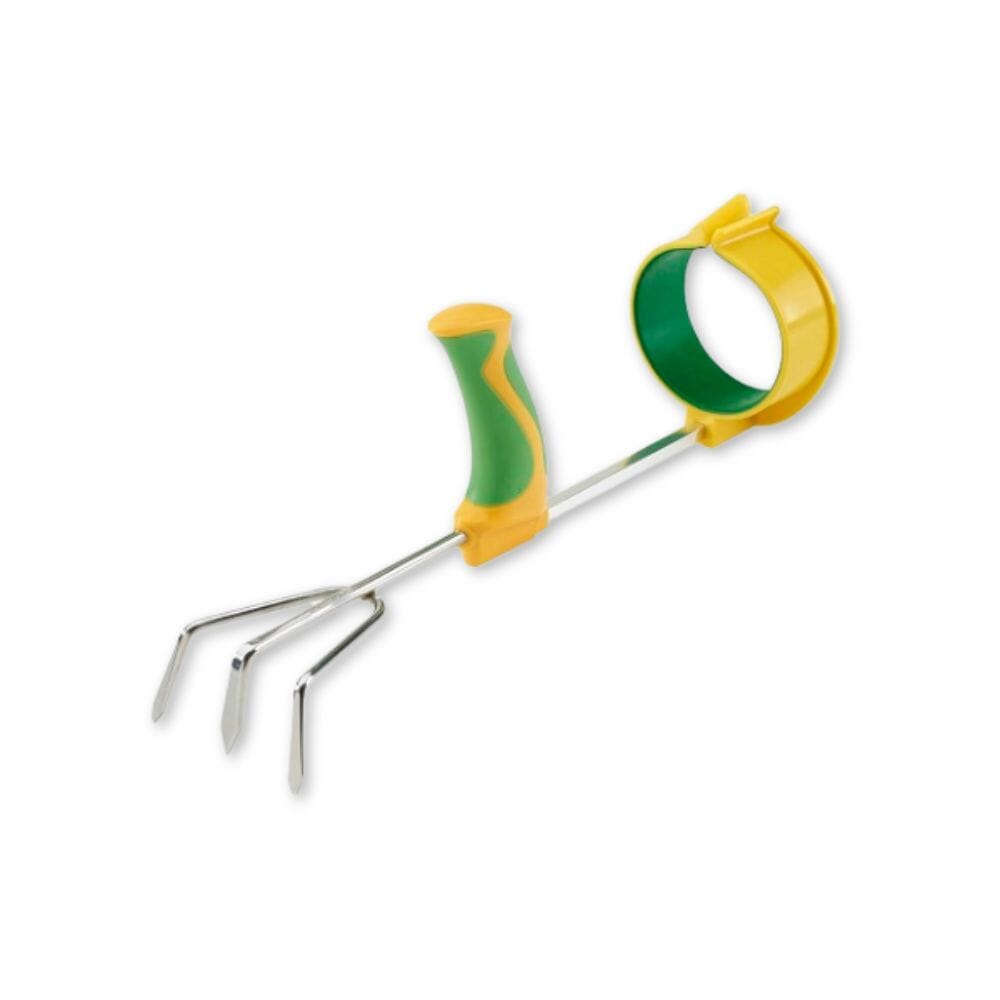


Advantages and Disadvantages
Pruning Saws
A pruning saw earns its place when branches are too thick or too hard for loppers, but still need a cleaner, more controlled cut than a chainsaw would give. The main advantage is efficiency on seasoned wood, especially where leverage from long handles is awkward or where the branch sits inside a dense canopy. Curved blades tend to track through the cut with less effort on overhead work, while straight blades are easier to control on cuts at chest height or when working close to the trunk. In either case, the saw removes material on the pull stroke, so it usually cuts faster than many general-purpose garden saws.
The disadvantages are mostly about finish and access. A saw can tear bark if the branch is unsupported or if the cut starts badly, and it is easier to damage the branch collar than with secateurs on smaller growth. Blade length also affects handling more than many buyers expect. A longer blade speeds up cuts on larger limbs, but it needs more clearance around the branch and can feel clumsy in tight shrubs or trained fruit trees. Folding models store neatly and reduce the risk of accidental cuts in a tool bag, but fixed-blade versions are often quicker to deploy and easier to clean thoroughly after use.
For live branches, make an undercut first and then complete the main cut from above to reduce bark tearing near the trunk.
-
Strong on branches beyond lopper capacity, especially dense or dry wood
-
Curved blades suit overhead pruning, straight blades suit controlled, level cuts
-
Longer blades cut faster but need more working space
-
Folding designs improve storage safety, fixed blades are simpler to clean
-
Poor technique can damage bark and branch collars more easily than smaller pruning tools
Garden Spades
A garden spade is the reference tool for edging, planting, dividing perennials and turning cultivated soil. Its advantage over a shovel is control. The flatter blade profile gives a straighter edge for borders and a cleaner wall when digging planting holes. In established beds, that precision matters because it reduces disturbance to nearby roots and makes it easier to lift soil exactly where needed. For routine garden work, a spade also transfers force efficiently from foot to blade, which is why it remains the standard choice for digging in medium, workable ground.
Its drawbacks appear in heavy clay, stony ground and bulk material handling. A spade is not as efficient as a shovel for moving loose compost, mulch or gravel because the blade shape carries less volume. Narrower digging spades penetrate compacted soil more readily, but they remove less material per lift, so trenching takes longer. Handle style changes the trade-off as well. A D-handle can feel more secure for controlled lifting and twisting, while a straight shaft gives more freedom of hand position during repetitive digging. Neither is universally better, so the right choice depends on whether precision or throughput matters more in your garden.
A larger blade is not automatically more productive if your soil is compacted, because penetration effort rises faster than the amount lifted.
| Product category | Main advantage | Main drawback | Best suited to |
|---|---|---|---|
| Border spade | Precise edging and planting in confined spaces | Slower for moving larger volumes of soil | Established beds, small borders |
| Digging spade | Better penetration and general-purpose digging | Less efficient for loose materials | Planting holes, bed preparation |
| Drain spade | Reaches narrow trenches and deep slots | Limited use outside trenching tasks | Irrigation channels, cable or drainage runs |
-
Better precision than a shovel for planting, edging and dividing
-
Flatter blade profile helps create neat holes and straight bed lines
-
Less efficient for shifting loose bulk materials
-
Blade size and width should match soil resistance, not just garden size
-
Handle shape affects control and comfort during repetitive digging
Garden Forks
A garden fork comes into its own where a spade starts to struggle, particularly in compacted ground, stony soil and beds that need loosening rather than full inversion. The tines break up soil with less suction and drag than a solid blade, which makes the tool easier to withdraw in heavy conditions. That is a practical advantage in vegetable plots and borders where preserving soil structure matters. Forks are also useful for lifting root crops and dividing clumps because they are less likely than a spade to slice straight through what is below the surface.
The disadvantages follow directly from the tine design. A fork is poor at producing a clean planting hole or a crisp lawn edge, and it cannot move loose material as efficiently as a shovel. Tine spacing matters too. Wider spacing sheds sticky soil more easily and suits rough cultivation, while closer spacing gives better support when lifting compost, manure or smaller material. Buyers often overlook tine thickness, but thicker tines usually cope better with resistant ground, whereas finer tines can enter cultivated soil more easily. In short, a fork is often the better soil-opening tool, but rarely the only digging tool a garden needs.
If your soil is regularly waterlogged or clay-heavy, loosen with a fork before using a spade to reduce effort and avoid smearing the sides of the hole.
-
Better than a spade for loosening compacted or sticky soil
-
Useful for lifting crops and dividing plants with less root damage
-
Not ideal for neat edges or clean-sided planting holes
-
Tine spacing affects whether the fork suits cultivation or material handling
-
Tine thickness influences penetration and durability in difficult ground
Leaf Rakes
A leaf rake is a seasonal tool, but in many gardens it earns year-round use for collecting hedge clippings, scarifying light debris from lawns and tidying gravel or bark surfaces. Its main advantage is coverage. A wide fan head gathers light material quickly without digging into the soil, and flexible tines reduce damage to turf when used correctly. Adjustable-width versions broaden the tool’s range because they can narrow for work between shrubs and widen for open lawn areas. For routine maintenance, that flexibility can reduce the need for separate tools.
The downside is that leaf rakes are highly task-specific. They are inefficient on wet, compacted leaves, heavy prunings or dense thatch, where a stiffer rake or fork may be more effective. Very wide heads can also become awkward in planted borders or around garden furniture, and flexible tines lose effectiveness if you need to pull material out from uneven ground. Handle length influences control here more than on many other tools. A longer handle covers more ground with less stooping, but a shorter overall tool can be easier to manage in confined spaces.
A leaf rake that performs well on dry autumn leaves may be frustrating on damp spring debris, because tine flexibility that protects lawns also reduces pulling force.
-
Covers large lawn areas quickly when clearing light debris
-
Flexible tines are gentler on turf than stiffer rake types
-
Adjustable-width heads improve access around shrubs and borders
-
Less effective on wet leaves, heavy clippings or dense thatch
-
Head width and handle length affect manoeuvrability as much as speed
Our Top Picks
Border Spades
A border spade is the more useful digging tool in smaller beds, around established planting, and anywhere a full digging spade feels clumsy. The narrower blade enters compacted soil with less effort and gives better control when lifting perennials, edging borders, or opening planting holes between roots. For gardeners working in mixed borders rather than open vegetable plots, this shape often gets used more frequently than a wider spade.
The details that affect performance are mostly about control and durability. A stainless steel blade sheds wet soil more easily, while a carbon steel blade can offer a sharper edge but needs more attention to prevent corrosion. Look closely at the socket, where the blade joins the handle, because this area takes repeated twisting loads when levering out roots or stones. Handle length also changes how the tool feels: shorter shafts improve manoeuvrability in tight spaces, while longer ones give more leverage for deeper digging.
If you regularly work between shrubs or in raised beds, a border spade usually causes less root disturbance than a full-width digging spade.
-
Narrower blades suit planting holes, edging, and work in crowded borders
-
Stainless steel reduces soil sticking, carbon steel usually needs more maintenance
-
A strong socket is critical for prising and twisting in heavier ground
-
Shaft length affects leverage as much as blade size affects digging effort
Digging Forks
A digging fork is often the better first tool for breaking ground, especially in clay, stony soil, or beds with persistent weeds. Tines loosen and lift the soil profile without creating the same suction as a spade, which makes the tool easier to pull back out in wet or compacted conditions. It is also the safer choice where you want to preserve soil structure rather than slice through it repeatedly.
Not all forks behave the same in use. Four sturdy tines are a common all-round layout, but tine thickness and spacing determine whether the fork is better at turning composted ground or forcing into dense soil. A forged head generally resists bending better under heavy loads than lighter pressed construction. Handle shape matters too: a D-grip gives a secure hold for controlled lifting, while a T-handle can suit gardeners who prefer a straighter wrist position when working deeply.
A digging fork is less effective than a spade for cutting clean bed edges or moving loose soil from one place to another.
| Product category | Best use | Key strength | Main limitation |
|---|---|---|---|
| Border Spades | Planting, edging, digging in tight spaces | Better control around established plants | Moves less soil per scoop |
| Digging Spades | Open-ground digging and trenching | Wider blade shifts more soil | Less precise in narrow beds |
| Digging Forks | Breaking compacted soil, lifting and loosening | Easier entry in heavy or stony ground | Poorer for clean slicing and edging |
-
Tines loosen compacted ground with less sticking than a spade blade
-
Forged heads generally cope better with twisting and levering loads
-
Tine spacing affects whether the fork suits dense soil or looser cultivated beds
-
Handle shape changes comfort during repeated lifting and turning
Hand Trowels
A hand trowel covers the planting, potting, and light weeding jobs that are too small for long-handled tools. In containers, alpine beds, and densely planted borders, blade shape matters more than overall size. A narrow, deep trowel opens precise planting holes for plugs and small perennials, while a broader blade shifts compost faster when filling pots or window boxes.
The weak point on cheaper trowels is usually the join between blade and handle. A one-piece metal construction or a tang that extends well into the handle generally stands up better when the tool is used to pry out roots or stones. Depth markings can be genuinely useful for bulb planting and repeatable transplanting, but only if they are clearly stamped rather than lightly printed. Grip texture and handle shape also matter when working with wet hands or gloves, because twisting control is what keeps the blade accurate.
For mixed use, a slightly scooped blade is more versatile than a very flat one because it carries compost as well as cutting into soil.
-
Narrow blades improve accuracy in crowded planting schemes
-
Broader blades move compost and potting mix more efficiently
-
Strong blade-to-handle construction matters if you lever as well as scoop
-
Stamped depth markings are more practical than decorative measurement guides
Garden Rakes
A garden rake is the year-round finishing tool for levelling soil, breaking down surface clods, covering seed, and clearing debris after pruning or digging. For bed preparation, rigid metal tines give the control needed to create a fine tilth and an even surface. For lighter seasonal clearing, the same tool can pull out stones, old mulch, and cuttings that would clog a fork or be awkward to gather by hand.
The main comparison is between head width, tine rigidity, and intended task. A wider head covers ground faster on open beds, but becomes awkward in narrow borders and around established plants. Stiffer tines are better for grading soil and moving heavier material, while more flexible designs suit lighter debris collection. Handle length affects reach and posture, particularly if you use a rake for repeated levelling over larger areas rather than occasional tidying.
A wide rake that works well on open soil can be frustratingly imprecise in small urban gardens or heavily planted borders.
-
Rigid metal tines are suited to levelling, seedbed preparation, and surface clearing
-
Wider heads improve coverage but reduce precision in confined spaces
-
Tine stiffness should match whether you are grading soil or gathering light debris
-
Longer handles help posture on larger plots, but can hinder control in tight beds
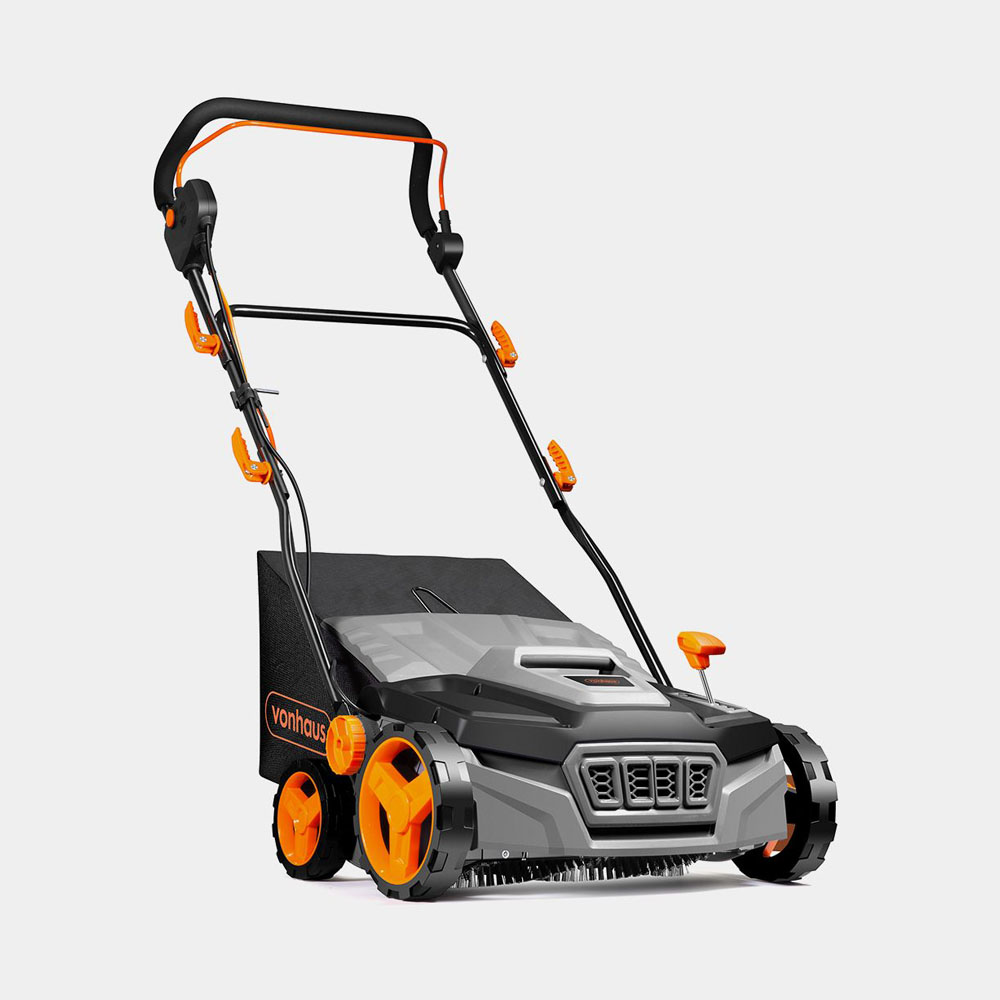
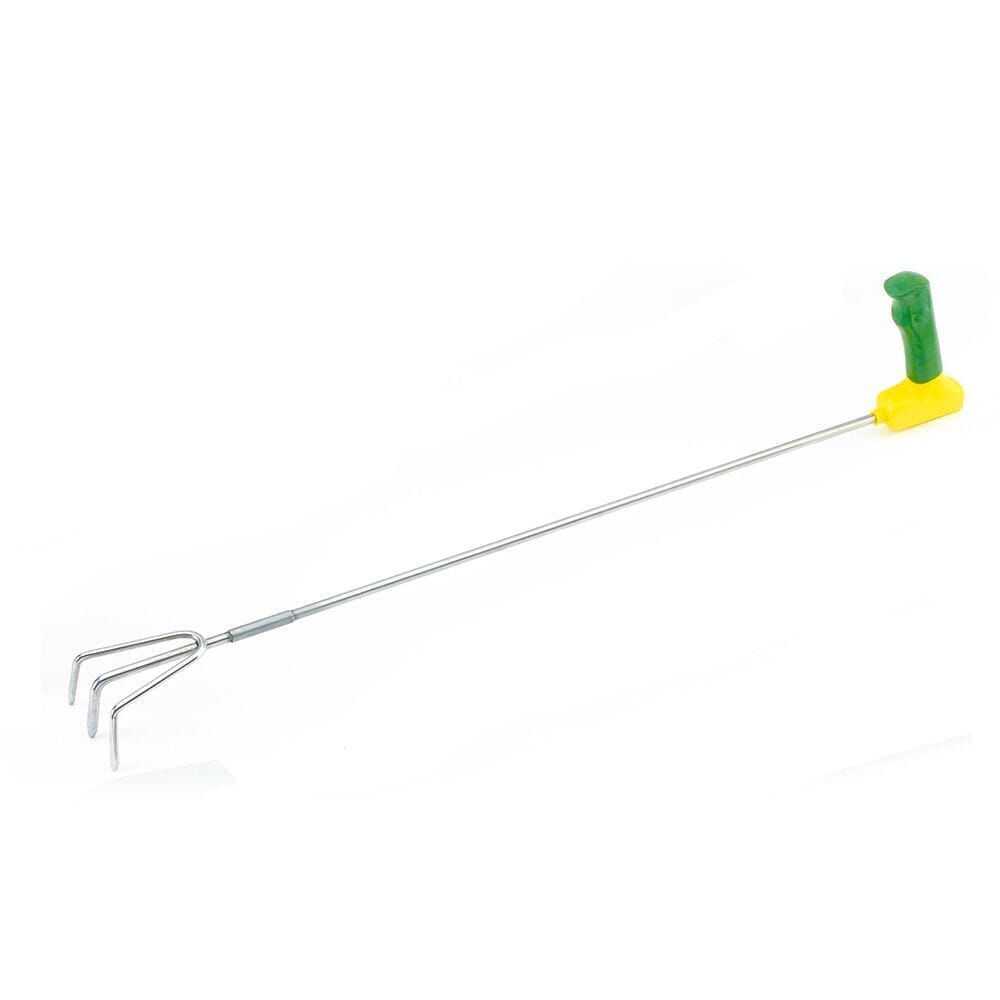
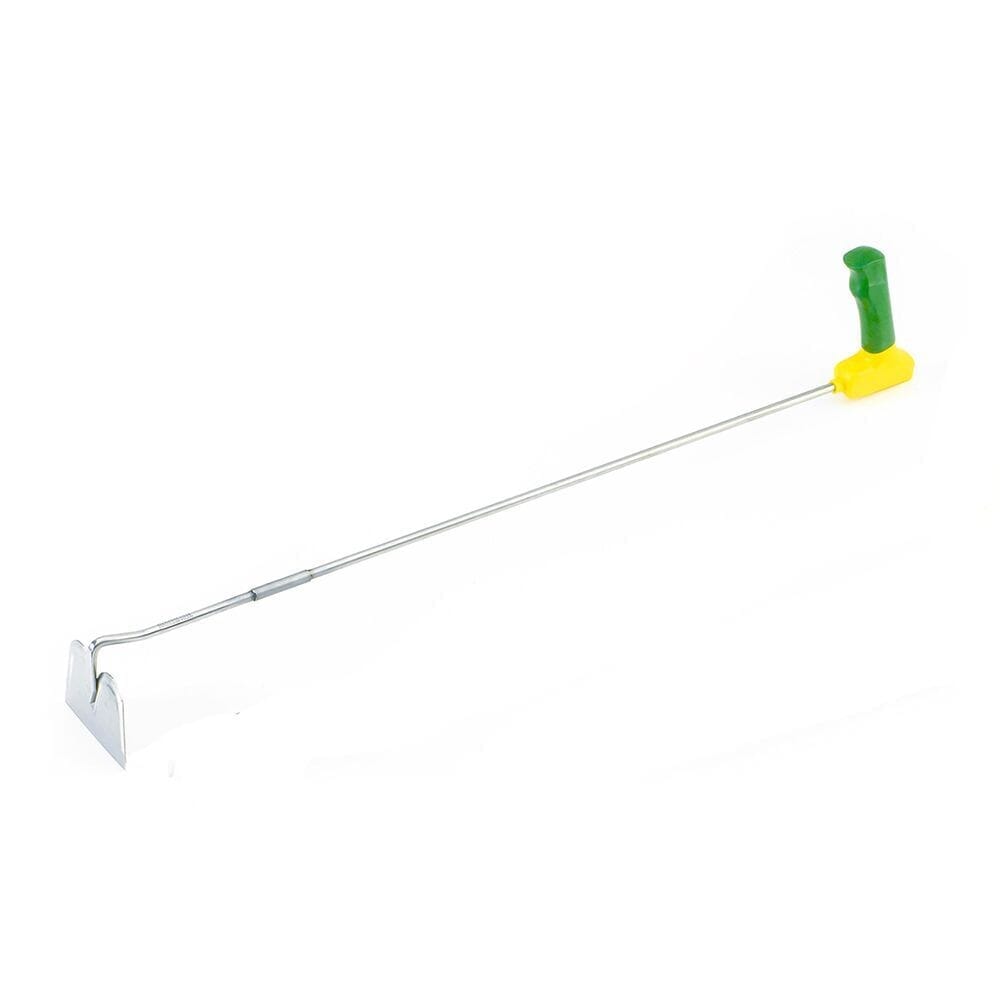
Frequently Asked Questions
When should I choose a digging spade instead of a border spade?
A digging spade is the better fit for turning larger areas of soil, shifting compost, and cutting into heavier ground where a broader blade moves more material per lift. In tighter borders or around established roots, the extra width can reduce control compared with a border spade.
Does blade shape matter on a digging spade?
Yes. A more pointed profile enters compacted or stony ground more easily, while a squarer front edge is more useful for slicing turf and producing straighter trench lines. The right choice depends on whether you are breaking ground or doing neater bed preparation.
> **Tip:** If most of your work is in mixed conditions, compare blade width and front profile together, not as separate specifications.
- Broader blades shift more soil per stroke but need more clearance around plants
- Pointed fronts suit compacted ground, squarer fronts suit edging and trenching
- Heavier heads can improve penetration but increase fatigue over longer sessions
- Handle length affects leverage and comfort as much as blade size does
### Garden Forks
What is a garden fork better at than a spade?
A garden fork is more effective for loosening compacted soil, lifting root crops, and working organic matter into beds without moving solid slabs of earth. The tines also pass through stony or sticky ground with less suction than a solid blade.
How many tines should I look for on a garden fork?
Four tines are common because they balance strength, soil penetration, and ease of cleaning. The more important comparison is tine thickness and spacing, because closely spaced tines hold finer material better, while wider spacing moves through heavy ground with less resistance.
A fork is often the more efficient first tool in neglected ground because it opens the soil before a spade starts lifting it. That matters in clay, where forcing a blade into unbroken ground can be slower and more tiring than loosening the area first.
Handle shape also changes how a fork feels in use. A D-handle can offer a more secure grip for controlled lifting, while a straight shaft can suit broader, two-handed movement when aerating or turning over larger sections.
| Feature | Closely Spaced Tines | Wider Spaced Tines | Heavier Tines |
|---|---|---|---|
| Soil retention | Holds finer soil better | Drops soil more quickly | Varies by spacing |
| Heavy ground penetration | More resistance | Easier entry | Better durability |
| Compost and manure work | More controlled mixing | Faster rough turning | Better for dense material |
| Typical trade-off | Can clog in sticky soil | Less support for small roots | More weight in use |
- Forks loosen and aerate soil with less drag than a solid blade
- Tine spacing affects clogging, penetration, and how much soil is retained
- Thicker tines generally favour durability over low-effort entry
- Forks are useful before digging, not only instead of digging
### Hand Trowels
What should I prioritise in a hand trowel for routine planting?
Blade shape and rigidity matter more than overall length. A narrow, stiff blade is easier to push into compacted soil and between established plants, while a broader blade lifts more compost or potting mix per scoop.
Are hand trowels suitable for weeding as well as planting?
They can be, but only for surface weeds or small rooted weeds where precise lifting is needed. For deep tap roots or dense infestations, a dedicated weeding tool usually gives better leverage and less soil disturbance.
A hand trowel does most of its work in confined spaces, so control matters more than raw size. In containers, raised beds, and crowded borders, a blade that enters cleanly and releases soil easily will save more time than one that simply looks larger.
The junction between blade and handle is worth close attention because this is where twisting loads build up during planting and transplanting. If you often work in dry summer soil or gravelly beds, rigidity becomes more important than scoop capacity.
> **Worth knowing:** A broad trowel can be slower in compacted beds because it needs more force to enter the soil cleanly.
- Narrow blades suit tight planting spaces and firmer ground
- Broader blades move compost and loose soil more quickly
- Blade rigidity matters when levering in dry or stony soil
- Trowels are useful for precision work, not deep cultivation
### Garden Hoes
Which type of garden hoe is most useful for routine weed control?
The useful choice depends on how you weed. A push hoe works well for slicing weed seedlings just below the surface in open rows, while a draw hoe gives more control when pulling soil and weeds towards you.
Can a hoe replace hand weeding completely?
No. A hoe is most effective on young weeds and on dry surface soil where roots can be severed cleanly. Established perennial weeds and weeds growing close to stems usually still need hand removal or a more precise tool.
A hoe is a maintenance tool rather than a one-off problem solver. Used regularly, it interrupts weed growth before roots establish, which is why head shape and working angle matter more than headline width alone.
Longer handles improve reach and reduce bending, but they also change control in narrow beds. If your garden includes both open vegetable rows and planted borders, compare hoe type by working pattern rather than assuming one design covers every task equally well.
| Hoe category | Main action | Best use | Limitation |
|---|---|---|---|
| Push hoe | Pushes forward to slice weeds | Open rows, frequent maintenance | Less precise near stems |
| Draw hoe | Pulls soil and weeds back | General bed work, earthing up | More soil disturbance |
| Stirrup hoe | Oscillating slicing action | Fast surface weeding | Less useful in crowded planting |
- Hoes work best on small weeds before roots establish
- Push, draw, and stirrup designs suit different working motions
- Wider heads cover more ground but reduce precision
- Regular hoeing is more effective than occasional heavy clearing
### Leaf Rakes
Do I need a separate rake for leaves if I already have a garden fork and spade?
Yes, if you clear lawns, paths, or large beds in autumn. A leaf rake gathers light surface material efficiently without gouging turf or dragging heavy soil, which digging tools are not designed to do.
What should I compare on a leaf rake?
Head width, tine flexibility, and handle length are the main points. A wider head clears open ground faster, while more flexible tines are gentler on lawns and less likely to catch on uneven surfaces.
Leaf rakes are often judged only by width, but tine behaviour matters just as much. Flexible tines skim over grass and collect leaves with less damage, while stiffer tines can be more effective on gravel, bark, or rougher surfaces where debris sits lower.
Storage and manoeuvrability also matter because rakes are used seasonally but often over large areas. A very wide head speeds up open-lawn work, yet can be awkward around shrubs, containers, and narrow side returns.
- Leaf rakes clear light debris without damaging turf as easily as rigid tools
- Wider heads suit open areas, narrower heads suit tighter spaces
- Flexible tines are gentler on lawns and uneven ground
- Surface type matters as much as garden size when choosing a rake
Ready to Buy?
Garden Forks
A garden fork is the digging tool to buy when your soil needs loosening more often than it needs slicing. In established beds, a fork lifts and aerates with less root damage than a spade, and in compacted ground the tines can break up structure without smearing the sides of the hole. This makes it particularly useful for incorporating compost, teasing out perennial weeds, and opening heavy soil before planting.
When comparing models, look first at tine shape and spacing. Broad, flat tines move more material and suit general bed work, while slimmer tines penetrate dense or stony ground with less effort. Handle length also changes how the tool works: a longer shaft gives better leverage for turning soil, while a shorter overall tool is easier to control in tighter borders and raised beds. If you are choosing one fork for year-round use, prioritise a head that feels stable under load rather than simply light in the hand.
If your beds are already planted, a fork is usually the safer first digging tool because it loosens soil around roots instead of cutting straight through them.
-
Choose a garden fork for loosening, lifting and aerating rather than clean-edged slicing
-
Compare tine shape and spacing based on whether you work in heavy, stony or cultivated soil
-
Longer handles improve leverage, while shorter tools are easier in confined spaces
-
A stable head-to-shaft connection matters more in use than low headline weight
Hand Trowels
A hand trowel covers the small, repetitive jobs that full-size digging tools handle poorly. Planting plug plants, moving seedlings, topping up containers and working compost into narrow spaces all demand a blade that can enter soil cleanly and release it predictably. For year-round care, this is the tool that gets used most often in pots, window boxes and the front edge of borders.
The key comparison points are blade shape, blade depth and handle comfort over repeated use. A narrow blade is more precise for planting between established roots, while a broader scoop shifts compost and potting mix more efficiently. In lighter container compost, almost any trowel will cope, but in dry or compacted garden soil a stiffer blade is easier to control and less likely to twist. If you garden in both beds and containers, it is often worth choosing a general-purpose shape rather than an extra-wide scoop that only excels in loose material.
A trowel that feels comfortable for one or two planting holes can become tiring during a full session of potting or bulb planting, so grip shape matters as much as blade size.
| Product category | Best suited to | Main advantage | Main limitation |
|---|---|---|---|
| Narrow hand trowels | Planting in crowded beds | Better precision between roots and stems | Moves less compost per scoop |
| General-purpose hand trowels | Mixed bed and container work | Balanced for planting and filling | Less specialised for either task |
| Wide scoop trowels | Pots, planters and loose compost | Carries more material each lift | Clumsier in firm garden soil |
-
Narrow trowels suit precise planting in established borders
-
General-purpose trowels are the most versatile for mixed use
-
Wide scoop trowels work better in containers and loose compost than in compacted soil
-
Grip comfort becomes more important as planting volume increases
Garden Hoes
For year-round care, a hoe is less about digging and more about reducing the time spent weeding. The right hoe lets you cut off young weeds at soil level before they establish, which is faster and less disruptive than hand-pulling every seedling. In vegetable plots, open beds and long rows, this can be the difference between routine maintenance and a backlog of work.
The buying decision comes down to the motion you prefer and the layout of your garden. Draw hoes pull soil and weeds towards you and can also shape drills or ridges. Dutch-style hoes push forward just under the surface and are efficient on open, level ground. Stirrup or oscillating hoes work on both the push and pull stroke, which makes them effective for frequent, shallow weeding. If your beds are densely planted, a large hoe head can be awkward, so head width deserves as much attention as handle length.
Hoes work most efficiently on small weeds in dry surface conditions, so buying one makes most sense if you can weed little and often rather than waiting for growth to thicken.
| Product category | Working action | Best for | Watch for |
|---|---|---|---|
| Draw hoes | Pull stroke | Earthing up, shaping soil, general cultivation | Can disturb more soil than necessary |
| Dutch-style hoes | Push stroke | Fast surface weeding on open ground | Less precise in crowded planting |
| Stirrup hoes | Push and pull stroke | Frequent shallow weeding | Head width can limit use in tight spaces |
-
Draw hoes suit gardeners who also need to move and shape soil
-
Dutch-style hoes are efficient for surface weeding in open beds
-
Stirrup hoes cut on both strokes and reward regular use
-
Match head width to row spacing and planting density, not just overall bed size
Leaf Rakes
A leaf rake is a maintenance tool, but choosing the right one affects how quickly you can clear lawns, paths and beds without damaging the surface underneath. Flexible tines are designed to gather light material such as leaves, grass clippings and small debris, while a wider head covers more ground on open lawns. In contrast, a narrower rake is easier to steer between shrubs, around containers and along path edges.
Handle length and rake width should reflect where most of your clearing happens. Large lawns favour a broad head that reduces passes, but that same width can be awkward in smaller gardens with mixed planting. If you need one rake for all autumn and winter clearing, a medium-width option is often easier to live with than the widest available head. Also pay attention to how the tines recover after use, because a rake that stays evenly spread will collect more consistently across the full width.
A leaf rake is for light surface debris, not for scarifying turf or shifting soil, and using it for heavier jobs can reduce control and wear the tines faster.
-
Broad heads clear open lawns faster but are less manageable in confined areas
-
Narrower rakes are easier around shrubs, borders and hard landscaping
-
Flexible tines are intended for leaves, clippings and other light debris
-
A medium-width rake is often the most practical compromise for mixed garden layouts
Choose tools by the job they need to do under real garden conditions, not by broad size claims or category labels. Cutting capacity, control in confined spaces, and how much material a tool moves with each stroke matter more than owning the largest option. A smaller, more precise tool is often the more useful choice, while heavier-duty options earn their place when branch thickness, soil resistance, or working area genuinely demand them.