In this guide
Key Takeaways
- Fleece-lined slippers add warmth through the lining without necessarily making the upper rigid.
- Moccasin slippers are identified mainly by their construction rather than by the type of lining.
- The most useful comparisons are coverage, entry style and outsole behaviour, not simply whether a slipper feels soft or sturdy.
- Different slipper types involve trade-offs, so a feature that improves one aspect can compromise another.
- Open-back slippers can work in winter if they cover enough of the foot and stay securely in place.
What to Look For
Fleece-Lined Slippers

Warmth starts with the lining, and fleece-lined slippers are usually the easiest way to add insulation without making the upper too rigid. A soft fleece or similar textile lining traps warm air around the foot, which matters most if you have cold floors, poor home insulation, or tend to wear slippers for long periods while sitting rather than walking. The trade-off is that thicker linings can reduce internal space, so a pair that looks true to size on paper may feel tighter across the toes or instep once worn with socks.
Fit matters more in fleece-lined styles because the lining compresses over time. A slipper that feels slightly snug at first may settle into a better fit after a few wears, but one that already feels loose in the heel is unlikely to become more secure. Check whether the opening is wide enough for easy entry, especially if you want a pull-on style for everyday use. If warmth is the priority, pay attention to how high the upper comes over the foot, because more coverage usually means less heat loss around the sides and ankle.
If you switch between bare feet and thick socks, prioritise internal room and a secure heel, because lining bulk changes the fit more than the outer shape suggests.
-
Fleece linings improve warmth, but they also reduce usable internal space.
-
A snug initial fit can soften with wear, while a loose heel rarely improves.
-
Higher-cut uppers generally retain heat better than low-cut slip-ons.
-
Thick linings suit colder homes, but they can feel too warm in centrally heated rooms.
Sheepskin Slippers

Sheepskin slippers are chosen primarily for temperature regulation rather than simple thickness. Natural fleece can feel warm in winter while remaining more breathable than many dense synthetic linings, which helps if your feet overheat easily. This makes sheepskin a useful middle ground for buyers who want insulation without the heavy, padded feel of some winter slippers. The material does, however, add bulk inside the slipper, so sizing and shape still need careful attention.
The key fit question with sheepskin is how much the fleece will flatten under regular use. A close fit often works well because the interior tends to bed down, but pressure points at the toes or across the top of the foot should not be ignored. Also consider where and how you will wear them. If the slipper is mainly for short indoor use on dry floors, a softer sole may be enough. If you move between rooms frequently or stand for longer stretches, a more structured sole can make a noticeable difference to comfort and stability.
| Type | Main strength | Fit consideration | Indoor use |
|---|---|---|---|
| Fleece-lined slippers | Immediate warmth | Lining can make fit feel tighter | Good for colder rooms |
| Sheepskin slippers | Warmth with breathability | Fleece compresses with wear | Good for longer daily wear |
| Unlined fabric slippers | Lightweight feel | Less internal bulk | Better for warmer homes |
Natural fleece interiors can feel roomier after the first weeks of wear, so judge fit by pressure points rather than by initial softness alone.
-
Sheepskin offers insulation with better breathability than many dense synthetic linings.
-
A close fit often works because the fleece compresses over time.
-
Toe pressure and instep tightness should be treated as fit problems, not a break-in issue.
-
Sole structure matters if you wear slippers for extended periods indoors.
Moccasin Slippers
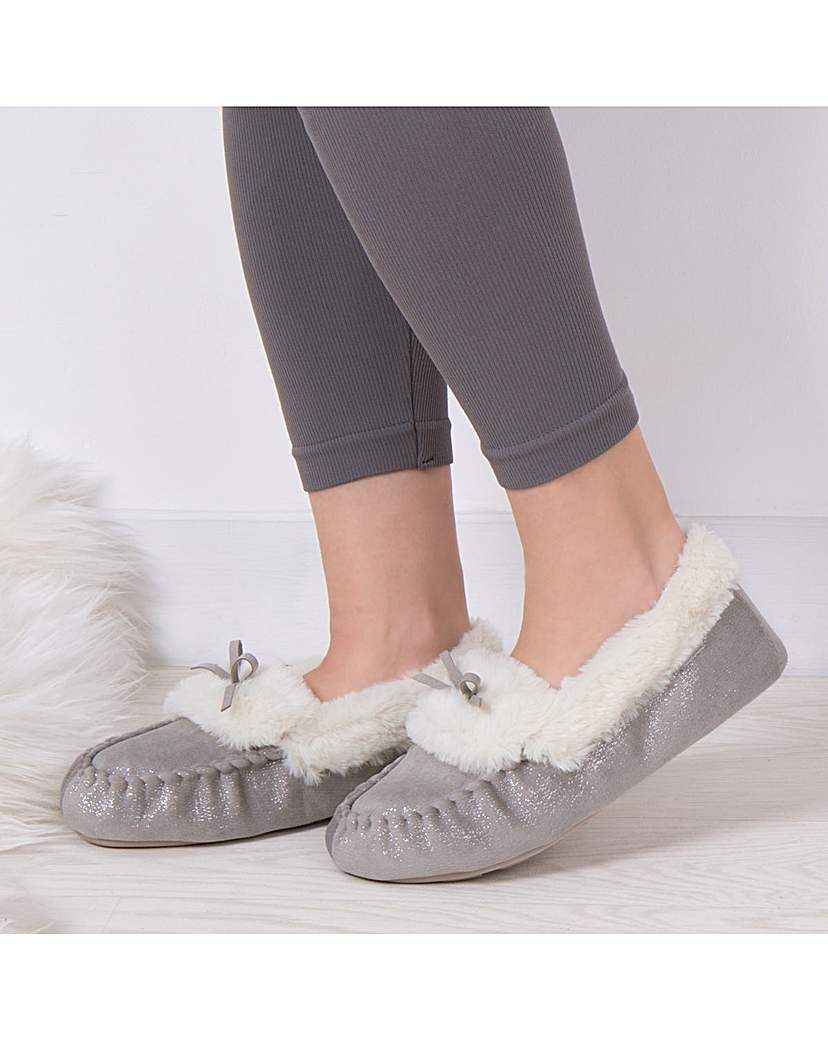
Moccasin slippers are a common choice for buyers who want more foot coverage and a shape that stays on securely without becoming boot-like. Their enclosed construction usually wraps the sides of the foot better than open-back styles, which helps with warmth and reduces heel slip. This makes them practical if you walk around the house frequently, use stairs often, or dislike the unstable feel of backless slippers.
The main point to assess is the balance between flexibility and support. A very soft moccasin can feel comfortable straight away, but if the sole is too thin it may not provide enough separation from hard flooring. Conversely, a firmer sole can improve stability but may make the slipper feel less relaxed for lounging. Look closely at the toe shape as well. A rounded, less tapered front generally gives more room for natural toe spread, which is useful if you plan to wear socks or have a broader forefoot.
Moccasin slippers usually suit people who want a secure fit for walking between rooms, because the enclosed heel reduces the need to grip with your toes.
-
Enclosed construction improves security compared with open-back slippers.
-
More coverage around the foot usually means better warmth retention.
-
Thin soles feel flexible, but they provide less cushioning from hard floors.
-
Toe shape affects comfort, especially for broader feet or sock wearers.
Mule Slippers
Mule slippers are defined by their open-back design, and that shape changes both fit and use. They are easy to slip on and off, which suits quick trips around the house and homes where slippers are taken on and off regularly. The drawback is reduced heel security. If the slipper is too loose, your foot may slide forward and force your toes to grip to keep it in place, which can become tiring during longer wear.
Warmth in a mule depends heavily on how much of the foot the upper covers. Some mules keep the toes and instep well insulated, but the open heel always allows more heat to escape than a fully enclosed style. They are usually more suitable for warmer indoor environments, short wear periods, or buyers who prioritise convenience over maximum insulation. For hard floors, the sole still matters, because an easy-entry shape does not compensate for poor grip or minimal underfoot protection.
Open-back slippers are less forgiving of poor sizing, because even a small amount of extra length can increase heel lift and instability.
-
Mule slippers are convenient for quick on-and-off use.
-
Open backs reduce heel security and usually make them less warm.
-
A loose fit can cause toe gripping and forward foot movement.
-
Sole grip remains important, especially on smooth indoor flooring.
Rubber-Soled Slippers
Sole type determines how a slipper behaves on tile, wood, laminate, and carpet. Rubber-soled slippers generally offer more grip and a firmer barrier from cold, hard floors than textile or suede-like soles. That makes them a practical option if you walk across mixed surfaces, carry laundry, use stairs, or simply want a slipper that feels more stable underfoot. A rubber sole can also help the slipper hold its shape better over time.
The trade-off is flexibility and noise. A thicker rubber sole may feel less soft and can make the slipper seem closer to a casual indoor shoe than a lounge slipper. This is not necessarily a drawback, but it changes the wearing experience. Buyers comparing sole types should think about where they spend most of their time at home: seated in one room, moving constantly between rooms, or standing for household tasks.
-
Rubber soles usually provide better grip on smooth indoor floors.
-
A firmer sole gives more separation from cold and hard surfaces.
-
Thicker soles can feel less flexible than soft textile alternatives.
-
Mixed-surface homes often benefit from a more structured sole.
Key Specifications to Compare
Moccasin Slippers
Moccasin slippers are defined more by construction than by lining. The upper wraps around the foot and is often stitched around the toe, which gives a closer, more glove-like fit than many open-back styles. That closer fit matters for warmth retention because less air escapes around the heel and instep, but it also means sizing errors are more noticeable. If you are between sizes, the amount of give in the upper and lining becomes more important than the nominal size alone.
Sole type changes how moccasin slippers behave indoors. Soft-soled versions flex easily and feel quiet on hard floors, but they offer less structure underfoot and can wear faster if used on abrasive surfaces. Rubber-soled moccasins add grip and durability, which is useful if you regularly step onto patios, communal hallways, or utility areas. The trade-off is usually a firmer feel and slightly less of the lightweight, sock-like character that draws many buyers to this category.
-
Close-fitting construction usually holds warmth better than open-back designs.
-
Toe seam placement can affect comfort if the fit is tight across the forefoot.
-
Soft soles prioritise flexibility and quiet indoor use.
-
Rubber soles suit mixed indoor use and short trips outside.
-
Fit precision matters more here than with looser slip-on shapes.
If you want a slipper for both sofa use and quick trips to the bin or post box, check whether the sole is described as rubber or indoor-outdoor rather than assuming all moccasins can handle outdoor surfaces.
Mule Slippers
Mule slippers leave the heel open, so they are easy to step into and remove. That makes them practical for people who dislike bending down or who want a slipper that can be put on quickly during the night. The open heel also changes the fit significantly. Because there is less rear-foot security, the upper needs to hold the foot well across the instep, otherwise the slipper can feel loose and require toe gripping to keep it on.
For warmth, mule slippers are usually less efficient than closed-back designs because heat escapes at the heel. They can still feel warm if the upper and footbed are well insulated, but they are generally better suited to centrally heated homes or users who prioritise convenience over maximum heat retention. Sole thickness is worth checking carefully in this category. A very thin sole can make an open-back slipper feel unstable on tile or laminate, while a more substantial sole can improve confidence underfoot.
-
Open-back design makes them quick to put on and take off.
-
Heel security is lower, so instep fit is critical.
-
Usually less warm than closed-back slippers because the heel is exposed.
-
Thicker soles can improve stability on hard indoor flooring.
-
Best suited to buyers prioritising convenience and easy access.
A mule that feels slightly loose in a carpeted bedroom can feel much less secure on stairs or smooth kitchen flooring.
Bootie Slippers
Bootie slippers extend above the ankle, which changes both warmth and fit. The extra coverage reduces heat loss around the ankle and can make a noticeable difference in colder rooms, especially if you spend long periods sitting still. This shape can also help the slipper stay on the foot more securely than a mule, provided the ankle opening is not overly wide. For buyers comparing warmth rather than just style, ankle coverage is one of the clearest specification differences to check.
The downside is that bootie slippers can feel bulkier and warmer than necessary in milder homes. They also take longer to put on and may be less convenient if you frequently step in and out of your slippers during the day. Sole construction matters here because the upper already adds warmth and containment. A very soft sole creates a cosy, lounge-focused slipper, while a more structured sole gives the bootie shape better support for walking around the house.
| Type | Heel coverage | Ankle coverage | Warmth retention | Ease of putting on | Typical indoor use |
|---|---|---|---|---|---|
| Mule slippers | Open | None | Lower | Very easy | Short wear, quick on-off |
| Moccasin slippers | Closed | Low | Medium to high | Easy | General indoor wear |
| Bootie slippers | Closed | High | High | Moderate | Colder rooms, longer wear |
-
Ankle coverage improves warmth retention compared with lower-cut slippers.
-
More enclosed construction usually gives a more secure fit.
-
Bulkier shape can feel excessive in warm homes.
-
Soft soles suit lounging, structured soles suit more walking indoors.
-
Less convenient for frequent on-off use than mules.
If your feet get cold mainly when sitting at a desk or on the sofa, ankle coverage often matters more than adding a thicker sole.
Slippers with Hard Soles
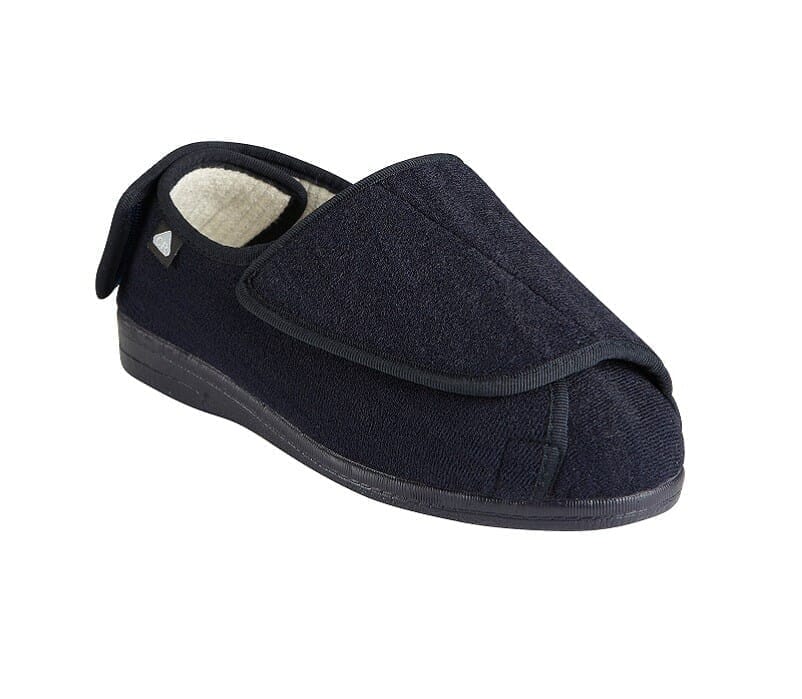
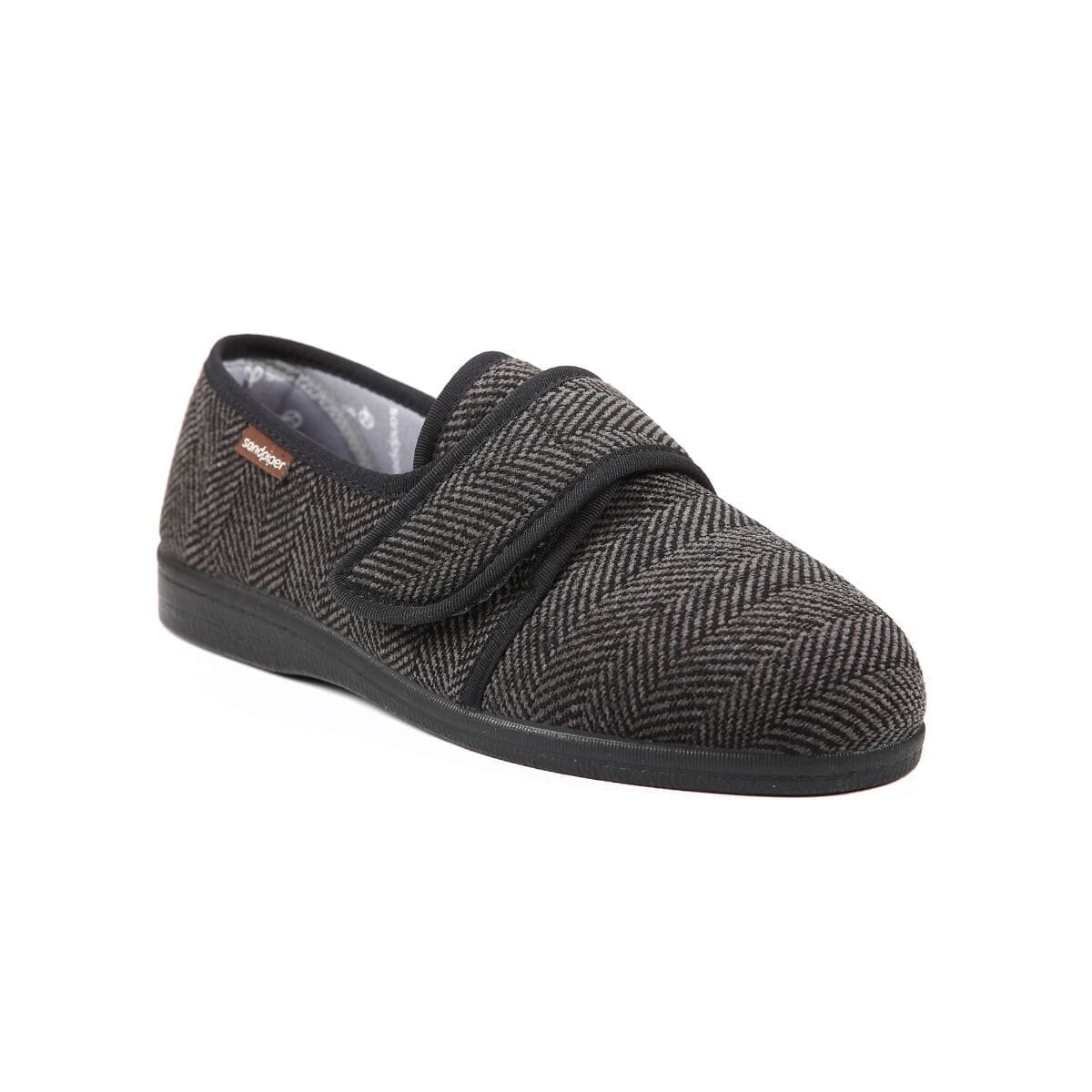
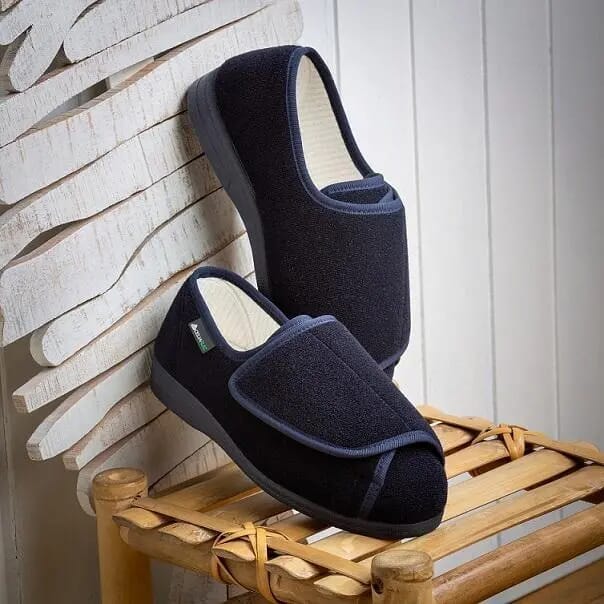
Hard-soled slippers are a practical category for buyers who move across different indoor surfaces or occasionally step outside. The key specification is not simply whether the sole is hard, but how much tread, thickness, and rigidity it adds. A firmer sole creates a barrier between the foot and cold floors, which can improve comfort on tile, stone, or laminate. It also reduces the rate at which the slipper compresses under repeated use.
That extra structure changes the feel of the slipper. Hard soles are usually less flexible than textile or suede-style soft soles, so they can feel more like lightweight house shoes than traditional lounge slippers. This is often an advantage in larger homes, on stairs, or where you spend a lot of time standing rather than sitting. If your use is almost entirely bedroom and living room, a hard sole may be more robust than necessary, but for mixed indoor use it is often the more durable choice.
-
Firmer soles insulate better from cold, hard flooring.
-
Added tread can improve grip on smooth indoor surfaces.
-
Usually more durable for frequent walking around the house.
-
Less flexible and less quiet than soft-soled slippers.
-
Better suited to mixed indoor use and brief outdoor steps.
A thick, hard sole can improve durability, but it also raises the foot higher off the ground, which may make a loose-fitting slipper feel less stable.
Advantages and Disadvantages
Some slipper types solve one problem well while creating trade-offs elsewhere. The useful comparison is not simply warm versus cool, but how each construction affects fit security, floor grip, breathability, and whether the slipper still works when you step outside briefly.
Bootie Slippers
Bootie slippers cover the ankle as well as the foot, so they retain heat more effectively than low-cut shapes. That extra coverage also reduces drafts around the cuff, which matters in older homes with cold floors. For people who feel the cold in their ankles as much as in their toes, this design can feel noticeably warmer even when the lining is similar to a lower slipper.
The drawback is that more coverage usually means slower on and off access. Bootie styles can also feel restrictive if you prefer a loose fit or if your feet swell during the day. Because the upper extends higher, a poor fit at the ankle is more obvious, either rubbing when you walk or slipping if the opening is too wide. They are usually better for settled indoor wear than for quickly stepping in and out throughout the day.
If warmth is the priority, compare ankle coverage and cuff shape alongside lining, because a taller slipper can feel warmer without needing a thicker sole.
-
Better heat retention because the ankle is covered
-
More secure than low-cut slippers if the cuff fits properly
-
Slower to put on and remove than open-back designs
-
Can feel too warm or restrictive in centrally heated homes
Mule Slippers
Mule slippers are easy to recognise by their backless design. Their main advantage is convenience, because you can slide into them without using your hands. That makes them practical for quick indoor use, especially if you move between rooms often or want something easy to remove at the bedside. They also tend to feel less enclosing than full slippers, which suits people who overheat easily.
That same open heel is the main compromise. Backless slippers are less secure on stairs and can require you to grip with your toes to keep them on, which some wearers find tiring over time. Fit is more sensitive than it first appears, because if the footbed is too short your heel sits over the edge, and if it is too loose the slipper shifts with every step. They are usually less suitable for households where you carry loads up and down stairs or need more stable footing.
-
Fast to slip on and off
-
Cooler and less enclosing than closed-back styles
-
Less heel security, especially on stairs
-
Fit needs to be accurate to avoid overhang or foot movement
Full Slippers with Closed Back
Closed-back slippers hold the heel in place, so they generally offer a more stable fit than mules. This makes them a sensible middle ground for people who want warmth and security without the extra coverage of a bootie. They are often easier to walk in for longer periods indoors, because the foot does not need to compensate for a loose heel.
The trade-off is that a closed heel makes entry less immediate, and the heel counter can become a pressure point if the sizing is tight or the construction is stiff. They can also trap more warmth than some people want, particularly in well-heated homes. Compared with backless styles, they are usually the safer option for regular movement around the house, but they still depend heavily on the sole and upper flexibility.
A closed back improves hold, but it does not guarantee stability if the sole is thick, rigid, or slippery on hard flooring.
-
More secure heel fit than mule slippers
-
Better suited to longer indoor wear and stairs
-
Less convenient to slip on quickly
-
Heel area can rub if sizing or shape is wrong
| Type | Warmth retention | Ease of putting on | Heel security | Best suited to |
|---|---|---|---|---|
| Bootie slippers | High | Low to medium | Medium to high | Cold homes, sedentary indoor wear |
| Mule slippers | Low to medium | High | Low | Quick wear, bedside, short indoor use |
| Closed-back slippers | Medium to high | Medium | High | General indoor wear, more walking indoors |
Hard-Sole Slippers
Hard-sole slippers are designed for more structure underfoot. Their advantage is durability and better separation from cold or uneven floors. A firmer sole can also make the slipper more practical for brief trips outdoors, such as stepping into a hallway, porch, or bin area, where a soft textile sole would wear quickly or pick up moisture. For some wearers, that extra structure feels more supportive simply because the foot is not folding around the floor surface.
The disadvantage is reduced flexibility and, often, a less slipper-like feel. A hard sole can be noisier on wood or tile and may feel too rigid if you want something soft for lounging. It can also add weight, which matters if you wear slippers all day. For purely indoor use on clean, warm floors, a substantial sole may be unnecessary and can make the slipper feel more like a casual shoe than a house slipper.
-
More durable underfoot than soft textile soles
-
Better for brief outdoor steps and rougher surfaces
-
Usually less flexible and sometimes heavier
-
Can feel less quiet and less soft indoors
Soft-Sole Slippers
Soft-sole slippers prioritise flexibility and a light feel. They usually conform more easily to the foot and can feel comfortable for relaxed indoor use, especially on carpeted floors. Because there is less material between the foot and the floor, they often feel less bulky and easier to pack or store. This makes them appealing if you want a slipper mainly for warmth rather than for structured walking.
Their weakness is wear resistance and protection. Soft soles are less suitable for stepping outside, and they can provide limited insulation from very cold floors unless the footbed is well padded. Grip also varies, so they need closer scrutiny if you have smooth flooring. They work well when your home environment is soft underfoot and dry, but they are less adaptable than hard-sole alternatives.
-
Light and flexible for relaxed indoor wear
-
Often more comfortable on carpet than rigid soles
-
Less durable on rough or damp surfaces
-
Usually a poor choice for regular outdoor steps
-
Floor insulation depends heavily on sole thickness and padding
Our Top Picks
For most shoppers, the useful distinctions now come down to coverage, entry style and outsole behaviour. Those factors affect how warm the slipper feels in practice, how securely it stays on the foot, and whether it suits quick trips to the kitchen or longer wear on hard floors. The categories below are the ones worth comparing side by side because they solve different indoor-use problems.
| Type | Coverage | Fit security | Sole behaviour | Indoor use |
|---|---|---|---|---|
| Bootie Slippers | High, covers ankle | Usually secure through the collar | Often more substantial underfoot | Cold rooms, tiled floors, longer wear |
| Slip-On Mule Slippers | Moderate, open heel | Least secure | Easy on and off, varies by sole thickness | Short wear, quick household use |
| Closed-Back Slippers | Moderate to high | More secure than mules | Stable for regular walking indoors | Everyday all-room use |
| Hard-Sole Slippers | Varies by upper | Depends on shape and fastening | More structured and durable | Mixed indoor surfaces, occasional step outside |
Bootie Slippers
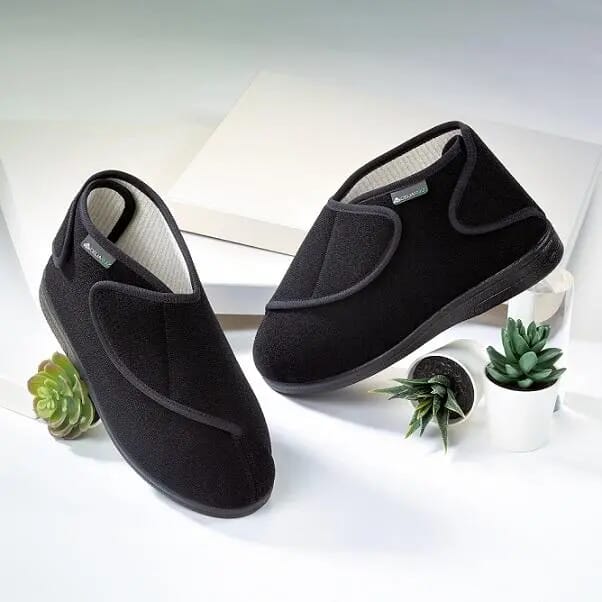
Bootie slippers are the practical choice when ankle coverage matters as much as foot warmth. By extending above the heel and around the ankle, they reduce the gap where warm air escapes, which makes a noticeable difference in draughty homes and on colder mornings. That extra coverage also helps if you tend to sit still for long periods, because feet cool faster when circulation drops.
Fit matters more with this category than with lower-cut slippers. A bootie that is too loose can feel bulky and shift at the heel, while one that is too snug around the collar can be awkward to pull on and may compress thick socks. Compare how high the upper sits, whether the opening looks narrow or forgiving, and how substantial the sole appears, because a taller upper paired with a very soft sole can still feel unstable on stairs.
If you wear slippers for several hours at a time, prioritise ankle coverage with a sole that looks structured enough to keep the foot level on hard flooring.
-
Better at retaining warmth because the upper covers the ankle as well as the foot
-
Usually more secure than open-heel styles for walking between rooms
-
Worth checking entry width if you plan to wear thicker socks
-
A more substantial sole helps prevent a tall upper from feeling floppy
Slip-On Mule Slippers
Slip-on mule slippers suit households where convenience matters more than maximum retention of heat. The open heel makes them quick to put on for short tasks, and that ease is exactly why many people keep a pair by the bed or near the door to the garden. The trade-off is straightforward, the heel is exposed, so warmth and fit security are both reduced compared with closed-back designs.
This type works best when your use is intermittent rather than all-day. If you are constantly taking slippers on and off, a mule is less hassle than a style with a higher collar or a snug heel cup. For longer indoor wear, though, the foot often has to grip slightly to keep the slipper in place, especially if the fit is generous. That can become tiring on hard floors and is less reassuring on stairs.
An open-heel slipper can feel warm at first because of the upper and lining, but it will usually lose heat faster than a closed-back or bootie design.
-
Fastest style to put on and remove
-
Less secure on the foot because the heel is uncovered
-
Better suited to short indoor tasks than extended wear
-
Heel exposure makes them less effective in colder rooms
Closed-Back Slippers
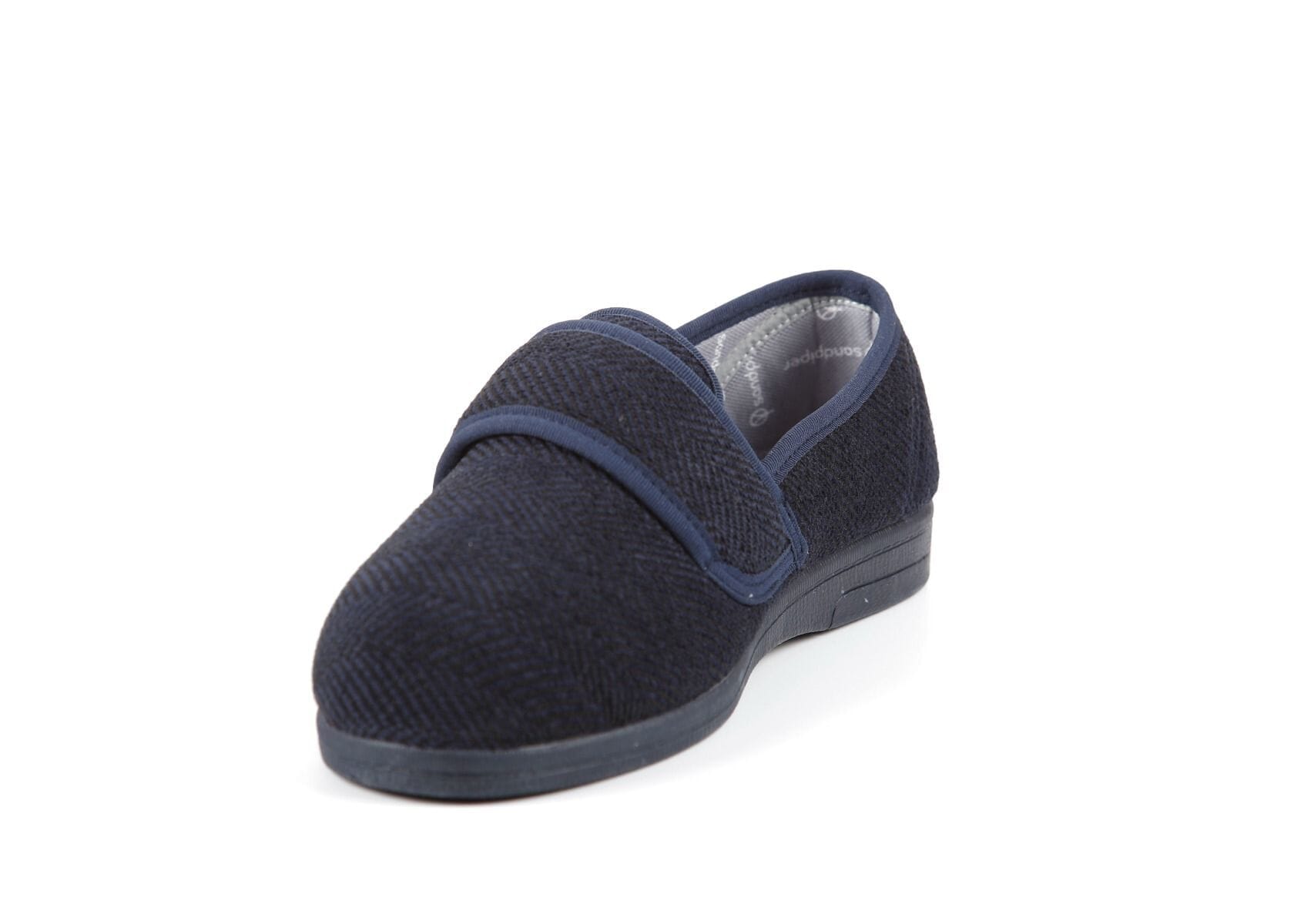
Closed-back slippers sit in the middle of the category and are often the easiest type to live with day to day. They hold the heel more securely than mules, but without the extra bulk of a bootie. That balance makes them a sensible option if you want one pair for moving around the house, working from home, and spending time on a mix of carpet, wood or tile.
The key point to compare is heel construction. A properly shaped back helps keep the slipper aligned with the foot, which reduces the need to claw with the toes to stop it slipping off. This matters for comfort over time and for stability on stairs or when carrying things around the house. If you want a general-purpose indoor slipper rather than a highly specialised warm pair, this is often the category where fit and sole design matter most.
For mixed flooring, a closed-back shape with a stable-looking sole is often easier to wear all day than either a very soft mule or a high, heavily insulated bootie.
-
More secure than open-heel styles for regular walking indoors
-
Less bulky than ankle-covering designs
-
Well suited to all-day indoor wear across different rooms
-
Heel shape is a key indicator of long-wear comfort and stability
Hard-Sole Slippers
Hard-sole slippers are defined less by warmth and more by how they behave underfoot. A firmer outsole creates a more structured platform, which can be useful on tile, laminate and other unforgiving surfaces where very soft slippers flatten quickly. They also tend to feel more stable when you are on your feet for longer stretches indoors, because the sole does more of the work instead of relying on the upper to hold shape.
This category is worth considering if your slipper use includes brief trips beyond the sofa or bedroom, such as walking to the bins, stepping into a hallway, or moving between indoor surfaces that change in grip and hardness. The trade-off is that a firmer sole can feel less soft and less flexible than a purely indoor, soft-bottom design. For buyers comparing warmth, fit and sole type together, this is the clearest example of how outsole choice changes the overall feel of the slipper.
A harder sole improves structure and surface separation, but it does not automatically make a slipper warmer, that still depends on the upper and lining.
-
Firmer underfoot feel on hard indoor surfaces
-
More structured for longer periods of walking around the house
-
Useful where indoor use includes brief trips onto rougher surfaces
-
Usually less soft and flexible than soft-bottom indoor-only styles

Frequently Asked Questions
Are open-back slippers warm enough for winter?
They can be, but warmth depends heavily on how much of the foot is covered and how well the slipper stays in place. An open heel lets heat escape more easily than a closed-back design, so they suit centrally heated homes better than colder floors or draughty rooms.
Who are open-back slippers most suitable for?
They work well for people who want quick on-and-off convenience, especially for short periods of indoor wear. They are less suitable if you walk a lot around the house, use stairs frequently, or find that slippers tend to slip off your heel.
Open-back styles are often chosen for ease rather than maximum insulation. Because the heel is unsecured, the foot has to grip slightly to keep the slipper on, which can affect comfort over longer wear, particularly if the fit is loose or the sole is heavy.
Fit matters more than many shoppers expect in this category. A roomy toe can feel comfortable, but too much extra length often makes an open-back slipper unstable. If you are comparing similar pairs, look closely at heel depth, upper coverage and whether the opening holds the foot securely without pressure across the instep.
> **Tip:** If you mainly wear slippers for short trips around the house, prioritise secure upper coverage over extra bulk, because a loose open-back design often feels colder in practice than a lighter but better-held slipper.
- Best for quick indoor use and easy removal
- Usually less heat-retentive than closed-back slippers
- Fit should be close enough to prevent heel lift
- Better suited to dry, level indoor floors than frequent stair use
### Closed-Back Slippers
Do closed-back slippers fit more securely than open-back styles?
Yes, in most cases they do, because the heel section helps keep the foot centred on the sole. That added security is useful if you move between rooms often or want a slipper that feels more stable on stairs.
Are closed-back slippers always warmer?
Usually, because they cover more of the foot and reduce heat loss around the heel. That said, the lining and upper materials still matter, so a closed-back shape alone does not guarantee a warmer slipper.
Closed-back slippers are the practical choice when fit security matters as much as softness. The enclosed heel reduces the need to grip with your toes, which can make them more comfortable for longer wear around the house. They also tend to feel more predictable underfoot when carrying laundry, climbing stairs or standing in the kitchen.
This category covers several constructions, from bootie-like shapes to lower-cut full slippers, but the shared advantage is retention. A well-fitted closed-back slipper should hold the heel without rubbing and keep the foot aligned over the sole. If the heel cup is too shallow, you lose much of the benefit of the design.
| Type | Heel security | Warmth retention | Ease of entry | Best use |
|---|---|---:|---:|---|
| Open-back slippers | Lower | Moderate | High | Short indoor wear |
| Closed-back slippers | Higher | Higher | Moderate | Longer indoor wear |
| Slipper boots | Highest | Highest | Lower | Cold homes and low activity |
> **Worth knowing:** A closed-back slipper that is too tight at the heel can create rubbing quickly, because indoor footwear is often worn for long periods without the fit adjustments you would expect from outdoor shoes.
- More secure on the foot than open-back styles
- Usually better at retaining warmth around the heel
- Better suited to longer wear and moving around the home
- Heel depth and shape are key fit details
### Slipper Boots
Are slipper boots too warm for everyday indoor use?
They can be if your home is well heated or you tend to run warm. Their higher coverage traps more heat around the ankle, which is useful in colder homes but can feel excessive for year-round wear.
Do slipper boots provide better support?
Not necessarily. A higher upper can make the slipper feel more secure, but support still depends on the sole structure and overall fit rather than ankle height alone.
Slipper boots are designed for coverage, not just softness. By extending above the ankle, they reduce exposed areas where heat can escape, which can make a noticeable difference on cold mornings or in homes with hard floors. They are often chosen by shoppers who treat slippers as all-evening indoor footwear rather than something to slip on briefly.
The trade-off is flexibility and temperature control. More coverage means slower heat release, so feet can become too warm if the room temperature rises. Entry can also be less convenient than with lower-cut slippers, particularly if you want something to put on and take off repeatedly through the day.
> **Tip:** Choose slipper boots for consistently cold indoor conditions, not simply because they look warmer, because extra coverage is only useful if you will actually tolerate wearing it for long periods.
- Highest coverage around foot and ankle
- Better suited to colder homes than warm interiors
- Security comes from coverage, not automatically from support
- Less convenient for frequent on-and-off use
### Hard-Sole Slippers
Are hard-sole slippers suitable for stepping outside briefly?
Some are more practical for short trips to a bin store, hallway or doorstep because the sole is less affected by rough surfaces than a soft sole. Even so, they are still indoor slippers first, so outdoor grip, weather resistance and durability should not be assumed.
Do hard soles make slippers less comfortable?
They can feel firmer underfoot, but they also reduce the sensation of cold transferring from tiled or stone floors. Comfort depends on the balance between sole rigidity, underfoot cushioning and how much flexibility you prefer indoors.
Hard-sole slippers are mainly about separation from the floor. A firmer outsole can improve durability on abrasive indoor surfaces and can make the slipper feel more substantial when walking across kitchens, utility rooms or communal corridors. They are often preferred by shoppers who dislike the thin, flat feel of lightweight soft soles.
The compromise is that a stiffer sole changes how the slipper moves with the foot. If you want a very quiet, barely-there indoor feel, a hard sole may seem less natural. If you want more protection from cold floors and a bit more structure, it is often the more practical option.
> **Worth knowing:** A thicker or firmer sole can improve floor isolation, but it can also make a loose slipper feel less stable if the upper does not hold the foot properly.
- Better barrier against cold, hard floors
- More practical for brief steps beyond the living room
- Usually firmer and less flexible than soft-sole slippers
- Upper fit becomes more important as sole rigidity increases
Ready to Buy?
If you are narrowing the shortlist now, the useful decision is not simply soft versus sturdy. It is whether the slipper matches how you actually move at home, how warm your floors are, and whether you need quick on-off convenience or a more secure fit. The categories below are the ones most shoppers end up comparing once lining and basic construction have already been considered.
Closed-Back Slippers
Closed-back slippers suit households where you are walking room to room rather than sitting in one place. The heel section helps keep the foot centred, which usually reduces the need to grip with your toes as you walk. That matters if you wear slippers for long stretches, because a loose heel can make even a warm pair feel less stable on stairs, hard floors, or when carrying laundry and similar household items.
They are also the more practical choice if your priority is consistent warmth around the whole foot. A covered heel limits heat loss more effectively than backless designs, and it generally keeps the slipper in place when worn with socks. When comparing pairs, check how high the heel comes up, whether the opening looks narrow or generous, and whether the upper appears structured enough to stop the foot sliding forward.
If your current slippers slip off at the heel, move to a closed-back design before changing size, because the issue is often retention rather than length.
-
Better heel hold for walking around the house
-
More consistent warmth than backless styles
-
Usually a safer choice for stairs and hard flooring
-
Worth checking opening shape if you have a high instep
Bootie Slippers
Bootie slippers are the category to compare if your main problem is cold ankles and lower legs, not just cold feet. The higher cut adds coverage above the foot opening, which can make a noticeable difference in draughty homes or on tiled floors. That extra material can also help trap warmth that would otherwise escape from a low-cut slipper.
The trade-off is that bootie styles are less convenient for quick on-off use. They tend to take longer to put on, and the higher collar can feel restrictive if you only want something for short trips around the house. Fit matters more here than with lower-cut slippers, because a loose ankle opening reduces the benefit of the added coverage, while an overly snug opening can make entry awkward.
Extra ankle coverage improves warmth only if the slipper still fits securely through the foot. A roomy footbed can cancel out the benefit by letting the foot move too much inside.
-
Added coverage around the ankle for colder homes
-
Useful where heat loss from the opening is a problem
-
Less convenient than low-cut slippers for frequent removal
-
Fit at both foot and ankle affects warmth and stability
Slip-On Slippers
Slip-on slippers work well when convenience is the first priority. They are easy to step into, easy to leave by the door or bedside, and practical if you take slippers on and off repeatedly through the day. For many shoppers, this category is the natural middle ground between open-back ease and closed-back coverage, especially when the front is cut high enough to hold the foot more securely.
The key comparison point is how much of the foot the upper actually covers. Two slip-on pairs can look similar in photos but behave very differently in use. A deeper-cut upper usually holds the foot better and feels warmer, while a shallow-cut design can feel loose even if the nominal size is correct. If you walk a lot indoors, outsole grip and heel stability matter more here because the entry is inherently less secure than a full closed-back construction.
For all-day indoor wear, prioritise a deeper upper over a very loose step-in shape, because ease of entry is less useful if the slipper shifts with every step.
-
Convenient for frequent on-off use
-
Coverage varies significantly between similar-looking pairs
-
Deeper uppers usually improve hold and warmth
-
Best assessed alongside outsole grip for active indoor use
Hard-Sole Slippers
Hard-sole slippers are the practical option for mixed indoor surfaces and short trips outside, such as stepping into a hallway, bin area, or garden path. The firmer outsole usually separates the foot from cold floors more effectively than a very thin sole, and it tends to feel more durable if you wear slippers for much of the day. This is often the category people move to when soft slippers feel comfortable but wear down too quickly.
That said, a harder sole changes how the slipper feels underfoot. Some shoppers prefer the structure, while others find it less flexible and less quiet on indoor flooring. The useful comparison is not simply hard versus soft, but how much rigidity you actually need for your routine. If the slipper will stay strictly indoors on carpet, a heavy outsole may add bulk without much benefit.
| Category | Main strength | Main trade-off | Best for |
|---|---|---|---|
| Closed-Back Slippers | Secure fit | Less quick to remove | Walking around the house |
| Bootie Slippers | Extra coverage | Slower to put on | Cold homes and draughty floors |
| Slip-On Slippers | Easy entry | Less retention | Frequent on-off wear |
| Hard-Sole Slippers | Better surface separation | Firmer feel | Mixed indoor use, brief outdoor steps |
A hard sole is useful only if your routine justifies it. For sofa-to-bedroom use on carpet, extra rigidity can be unnecessary.
-
Better suited to hard floors and mixed household surfaces
-
Often more practical for brief outdoor use
-
Firmer underfoot than soft indoor-only soles
-
Most useful when slippers are worn for extended daily use
The key decision is how the slipper balances warmth with secure fit, because insulation matters less if the foot slips, the heel lifts, or coverage leaves colder areas exposed. Once that balance is right, outsole type and entry style become the practical tie-breakers for how the slipper will feel and behave in everyday indoor use.