In this guide
Key Takeaways
- Frying pans deserve the closest scrutiny because daily use exposes weaknesses in heat response and surface durability faster than any other cookware.
- Saucepans are worth comparing on how evenly and controllably they heat, since they are used for simmering, sauces and other precision tasks.
- Stainless steel sets suit buyers who want one collection that can boil, simmer, brown and go into the oven without relying on delicate non-stick coatings.
- Induction cookware must have a magnetic, ferrous base layer, so hob compatibility can be checked before you buy.
- Cast iron casserole dishes are built for retained, steady heat, which makes them particularly useful for slow cooking, braising and oven-to-table use.
What to Look For
Frying Pans

A frying pan does most of the daily work in many kitchens, so heat response and surface durability matter more here than in almost any other piece. For fast cooking, a pan that heats evenly across the base helps prevent hot spots that scorch onions, eggs, or fish before the rest of the surface catches up. Material is the main driver: aluminium responds quickly and keeps weight down, stainless steel is harder-wearing but often needs an aluminium or copper core for better heat distribution, and cast iron holds heat for longer once fully warmed.
The cooking surface changes how the pan behaves in everyday use. Non-stick coatings simplify low-fat cooking and delicate foods, but coating lifespan depends on how often the pan is overheated or used with abrasive utensils. Uncoated stainless steel tolerates higher temperatures and is better for browning and pan sauces, though it demands more control over preheating and oil. Cast iron and carbon steel can build a seasoned surface over time, but they need more maintenance and are heavier to handle.
| Pan type | Heat behaviour | Durability | Everyday use |
|---|---|---|---|
| Non-stick aluminium | Quick to heat, responsive | Coating wears over time | Eggs, pancakes, reheating |
| Stainless steel | Even heating if layered construction is used | High | Browning, searing, sauces |
| Cast iron or carbon steel | Slower to heat, strong heat retention | Very high with care | High-heat cooking, long-term use |
Match the pan to the job. A non-stick frying pan is useful for delicate foods, while a stainless steel or seasoned pan is usually the more practical choice for high-heat browning.
-
Check the base material, not just the interior finish, because that determines heat distribution.
-
Choose non-stick for delicate cooking, stainless steel for versatility, and seasoned iron or steel for heat retention.
-
Weight affects daily use, especially if you lift the pan one-handed or move it from hob to oven.
-
A flat, stable base is important for full contact on induction and ceramic hobs.
Saucepans

A saucepan needs controlled, predictable heating rather than sheer searing power. This is where layered construction becomes useful, because simmering milk, reducing sauces, and cooking grains all benefit from even heat up the base and, in some designs, into the sidewalls. Thin pans can boil water quickly, but they are more likely to catch custards, porridge, or tomato-based sauces where sugars and starches settle on the bottom.
Capacity and shape matter as much as material. A smaller saucepan suits butter, sauces, and single portions, while medium and larger sizes are more practical for pasta, pulses, and batch cooking. Tall, narrow pans reduce evaporation, which helps with boiling and simmering, while wider pans speed reduction. A well-fitted lid improves heat retention and reduces the energy needed to maintain a simmer.
A large saucepan is not automatically more versatile. Oversized pans can make small quantities harder to control and increase evaporation when you want a gentle reduction.
-
Look for even heating to reduce scorching in milk, grains, and starch-heavy recipes.
-
Choose capacity based on portion size, not just storage space or set size.
-
Wider pans reduce faster, taller pans retain liquid more effectively.
-
Lids help with simmering efficiency and temperature stability.
Sauté Pans

A sauté pan sits between a frying pan and a saucepan, and its straight sides make it more useful for foods that release liquid during cooking. The larger flat base gives ingredients room to brown, while the higher walls contain splatter and make stirring easier. That combination is useful for shallow braises, one-pan meals, and recipes that start with searing and finish with a sauce.
Compared with a frying pan, a sauté pan usually offers better control when volume increases. You can reduce a sauce without the risk of liquid spilling over a low rim, and the broader cooking surface still supports browning better than a stockpot or deep saucepan. If you regularly cook for more than two people, this shape often covers more tasks than an extra-large frying pan.
If cupboard space is limited, a sauté pan can replace some of the work of both a frying pan and a medium saucepan, provided the base is wide enough for proper browning.
-
Straight sides give more usable capacity than a frying pan of similar diameter.
-
A wide base helps with browning before adding liquid.
-
This shape suits one-pan meals, shallow braises, and pan sauces.
-
It is often easier to stir and reduce liquids in than a standard frying pan.
Stockpots and Casserole Pots
For soups, stews, pasta water, and batch cooking, capacity and heat retention become the priority. A stockpot is designed for volume, with taller sides that hold liquid efficiently and reduce splashing during boiling. A casserole pot, often wider and heavier, is better for dishes that need browning first and steady heat afterwards. The right choice depends on whether you cook mostly liquid-based dishes or recipes that move from hob to oven.
Heavier construction is useful here because these pots stay on the heat for longer periods. A thick base reduces the risk of scorching in slow-cooked sauces and soups, while a tight-fitting lid helps maintain moisture. For everyday cooking, it is worth checking whether the pot is manageable when full, because a large vessel that is awkward to lift becomes less practical than its capacity suggests.
| Pot type | Shape | Main strength | Typical use |
|---|---|---|---|
| Stockpot | Tall, narrow | Large liquid capacity | Soups, boiling, stock |
| Casserole pot | Wider, heavier | Browning plus slow cooking | Stews, braises, oven dishes |
| Dutch-oven style pot | Wide with thick walls | Heat retention | Slow cooking, bread, braises |
High capacity adds weight quickly. A pot that is easy to handle empty may be difficult to move safely once filled with water, stock, or stew.
-
Choose a stockpot for boiling and large-batch liquid cooking.
-
Choose a casserole-style pot for browning, braising, and oven use.
-
Thick bases help prevent scorching during long cooking times.
-
Consider filled weight, not just stated capacity.
Cookware Sets
A cookware set can offer better value than buying individual pieces, but only if the sizes and shapes match how you actually cook. Sets often include small and medium saucepans, a frying pan, and one larger pot, which covers many households. The weakness is that you may pay for pieces you rarely use, while still needing to add a sauté pan or larger stockpot separately.
When comparing sets, focus on construction consistency across the range. If only the larger pieces have thicker bases or layered walls, performance may vary more than the matching finish suggests. Lid fit, handle comfort, hob compatibility, and oven suitability should also be checked piece by piece, because these details affect daily use more than the number of items in the box.
Count cooking tasks, not pieces. A smaller set with the right pan types is usually more useful than a larger set built around duplicate sizes.
-
Buy a set only if most included pieces fit your regular cooking habits.
-
Check whether construction quality is consistent across all items.
-
Avoid paying extra for duplicate sizes that add little practical range.
-
Compare pan types and capacities, not just total piece count.
Key Specifications to Compare
Saucepans
Saucepans handle tasks where controlled, even heat matters more than sheer surface area. Capacity is the first specification to compare, because it determines both portion size and how efficiently the pan heats. Smaller sizes suit sauces, grains and reheating, while larger sizes are more practical for pasta, soups and batch cooking. Base diameter also matters, particularly on induction hobs, where a very narrow base can limit heating performance even if the stated litre capacity looks generous.
Material and construction have a direct effect on heat control. Stainless steel is durable and non-reactive, but it relies on an aluminium or copper core, or an impact-bonded base, to spread heat evenly. Hard-anodised aluminium heats quickly and usually weighs less, which can make daily handling easier. Compare wall thickness, base design, lid fit and handle attachment, because these details affect simmering stability, evaporation rate and long-term durability more than headline capacity alone.
-
Compare litre capacity alongside base diameter, not in isolation
-
Check whether heat-spreading material runs through the base only or through the full body
-
A close-fitting lid reduces evaporation and improves low-heat cooking control
-
Riveted and welded handles each affect interior cleaning and long-term robustness
-
Oven-safe temperature limits vary and should be checked if hob-to-oven use matters
Stock Pots
Stock pots are defined less by finesse and more by volume, but their specifications still affect everyday use. Tall sides reduce evaporation and help contain rolling boils, which is useful for stocks, pasta and large-batch soups. The key comparison point is the relationship between capacity and weight. A large pot that is manageable when empty can become difficult to lift safely once filled, so side handles, rim design and overall construction deserve close attention.
Base construction is especially important because stock pots often spend long periods on the hob. Thin bases are more prone to localised scorching, particularly with dense soups or milk-based cooking. Stainless steel remains common because it is hard-wearing and non-reactive, but the quality of the encapsulated base determines how evenly it performs. If you cook on induction, check that the magnetic base covers enough of the pot footprint to heat efficiently.
| Specification | Smaller stock pots | Mid-size stock pots | Large stock pots |
|---|---|---|---|
| Typical use | Soups, vegetables, small pasta portions | Family pasta, stews, batch soups | Stock making, preserving, entertaining |
| Main advantage | Easier to store and lift | Most versatile everyday size | High capacity for bulk cooking |
| Main trade-off | Less room for boiling and batch work | Heavier than standard saucepans | Weight and storage demands increase sharply |
| Key feature to check | Base thickness | Handle strength | Filled weight and hob compatibility |
A very large stock pot is only practical if your hob can deliver enough heat across the base. On a small burner or cooking zone, boil times can become noticeably longer.
-
Compare filled weight, not just empty weight, for safe handling
-
Thick, well-bonded bases reduce scorching during long simmering
-
Side handles should leave enough knuckle clearance when using oven gloves
-
Tall, narrow shapes reduce evaporation, but can be harder to stir thoroughly
Sauté Pans
A sauté pan sits between a frying pan and a saucepan in function, and its specifications reflect that hybrid role. Straight sides increase usable volume and reduce splashing, making this shape useful for shallow braises, pan sauces and one-pan meals. The most important measurement is usually the cooking surface diameter rather than the rim diameter, because straight-sided pans can look large while offering less base area than expected.
Construction affects whether a sauté pan is genuinely versatile or simply heavy. Multi-layer stainless steel gives good durability and stable heat, especially for searing followed by simmering. Aluminium-bodied options are often lighter and more responsive, but the interior surface determines how they cope with acidic ingredients and high-heat browning. Lid design is also worth comparing, because a sauté pan is often used for reduction and covered cooking in the same recipe.
-
Straight sides increase capacity and help contain liquids during stirring
-
Cooking surface diameter is more useful than overall diameter for comparison
-
Multi-layer construction improves heat distribution across the base and side walls
-
A helper handle becomes important as size and filled weight increase
-
Lid fit affects both reduction speed and moisture retention
Casserole Dishes and Dutch Ovens
These pans are built for steady heat retention rather than quick response. The main comparison points are material, wall thickness and lid weight. Cast iron stores heat well and supports long, even cooking, but it is heavy and slower to respond when you adjust the hob. Cast aluminium is lighter and usually easier to handle, while stainless steel casseroles tend to prioritise durability and lower weight over maximum heat retention.
Shape and interior capacity change how the pan performs in real cooking. Wider casseroles give more room for browning before braising, while taller shapes suit stews, soups and pot roasts with more liquid. Lid design matters because condensation return affects moisture retention over long cooking times. If oven use is central to your cooking, check the maximum oven temperature for the pan, lid and handle components separately.
For recipes that start with browning and finish with slow cooking, a wider casserole often gives more practical searing area than a deeper pot of the same capacity.
-
Cast iron retains heat well but adds significant weight
-
Wider shapes are better for browning, taller shapes for liquid-heavy dishes
-
Lid weight and fit influence moisture retention during long cooking
-
Check oven-safe limits for the whole pan, including knobs and handles
-
Interior surface type affects maintenance and tolerance for acidic ingredients
Saucepan Sets
Sets can simplify buying, but the specification to compare is composition rather than piece count. A set with three useful saucepan sizes may be more practical than a larger bundle padded with overlapping capacities. Look closely at whether lids are shared or dedicated, whether all pieces use the same base construction, and whether the smallest pan is large enough for real cooking rather than occasional reheating.
Consistency across the set matters for everyday use. Matching handle shapes, lid designs and interior markings make cooking more predictable, especially if several pans are in regular rotation. It is also worth checking whether every piece is compatible with your hob type and oven use, because some sets mix pan sizes that perform differently on induction or have different temperature limits.
-
Judge sets by useful pan sizes, not by the highest piece count
-
Check whether all pans share the same construction and hob compatibility
-
Interior capacity markings can improve accuracy for sauces, rice and stocks
-
Dedicated lids are usually more convenient than shared-size compromises
-
Storage footprint matters if several pans have similar diameters
Advantages and Disadvantages
Stainless Steel Cookware Sets
Stainless steel is the default choice for cooks who want one set to cover boiling, simmering, browning and oven finishing without worrying about fragile coatings. Its main advantage is durability: the cooking surface resists scratching from metal utensils, does not react with acidic ingredients, and generally tolerates high hob and oven temperatures better than coated alternatives. For everyday cooking, that means less caution when reducing tomato sauces, deglazing with wine, or transferring a pan from hob to oven.
The trade-off is heat behaviour. Stainless steel on its own is not a strong conductor, so performance depends heavily on the aluminium or copper core bonded into the base or walls. Better-constructed pans spread heat more evenly and reduce hot spots, but cheaper examples can scorch milk, catch starches on the base, or brown unevenly. Food release is another practical drawback. Eggs, fish and lower-fat cooking tend to stick unless the pan is properly preheated and used with enough fat, which makes stainless steel less forgiving for quick weekday cooking than non-stick.
If you cook a lot of acidic sauces, stainless steel is a safer long-term choice than bare cast iron or uncoated aluminium.
-
Strong resistance to scratching, staining and acidic ingredients
-
Usually suitable for high-heat searing and oven use
-
Performance varies with the quality of the bonded core, not just the steel itself
-
Less forgiving for delicate foods that need easy release
-
Often heavier than basic non-stick cookware, especially in larger sizes
Non-Stick Cookware
Non-stick cookware suits kitchens where convenience, low-fat cooking and easy cleaning take priority. Its biggest advantage is release. Pancakes, eggs, fish fillets and reheated leftovers all lift more easily from a coated surface, which reduces the need for oil and makes weekday cooking faster. It is also practical for households that wash up by hand every day, because stuck-on residues are less common and cleaning usually needs less soaking or scrubbing.
Its disadvantages are mostly about lifespan and heat limits. Non-stick coatings wear over time, especially if pans are overheated, stacked carelessly, or used with abrasive tools. Even when the base remains structurally sound, the coating can lose its smoothness and become less effective. Most non-stick pans are also less suitable for very high-heat searing, because excessive heat can shorten coating life and reduce performance. For buyers comparing value, this means the lower upfront cost may be offset by more frequent replacement.
Non-stick performance is often excellent when new, but coating durability is rarely comparable to uncoated stainless steel or cast iron over many years of use.
-
Excellent food release for eggs, fish and low-fat cooking
-
Faster cleaning and less scrubbing after everyday meals
-
Coatings are vulnerable to overheating, abrasion and stacking damage
-
Usually less suitable for aggressive searing and prolonged high heat
-
Long-term value depends on how often the pan needs replacing
Cast Iron Cookware
Cast iron is valued for heat retention rather than quick responsiveness. Once fully heated, it holds temperature well, which helps when searing meat, frying in batches, or baking dishes that benefit from steady heat. That stability is useful on hobs that cycle power noticeably, because the pan itself smooths out some of the fluctuation. It also moves well between hob, oven and table, making it practical for one-pan cooking where browning and roasting happen in the same vessel.
The disadvantages are weight, maintenance and slower adjustment. Cast iron takes longer to heat than aluminium-based cookware, and it responds more slowly when you lower the temperature, so it is less precise for delicate sauces or tasks that need rapid control. Bare cast iron also needs more care to prevent rust and maintain its seasoned surface. Acidic dishes can affect that seasoning, particularly during long simmers. For many buyers, the deciding factor is handling: a large cast iron pan can be awkward to lift, pour from and wash.
Cast iron makes more sense as a specialist piece for searing and oven work than as the only cookware material in a kitchen.
-
Strong heat retention for searing, frying and oven cooking
-
Slow to respond to temperature changes compared with lighter pans
-
Heavy construction can make daily handling less convenient
-
Bare surfaces need maintenance to prevent rust and preserve seasoning
-
Less ideal for long acidic cooking than stainless steel
Copper Cookware
Copper cookware is chosen for heat control. Copper conducts heat quickly and evenly, so pans respond faster when you raise or lower the hob setting. That makes a noticeable difference in tasks where precision matters, such as custards, sugar work and sauces that can split or catch if the base develops hot spots. For experienced cooks, this responsiveness can make timing easier and reduce the lag between adjusting the heat and seeing a result in the pan.
Its disadvantages are cost, maintenance and construction complexity. Copper usually needs a lining because the cooking surface itself is not typically used bare for everyday food contact. That means performance depends not only on the copper thickness but also on the lining material and how the pan is built. Copper exteriors can also require more upkeep if appearance matters, and the category is often priced above stainless steel and non-stick. For general weeknight cooking, many buyers will not use its precision often enough to justify the extra expense.
| Cookware type | Heat response | Heat retention | Ease of cleaning | Durability in daily use | Best suited to |
|---|---|---|---|---|---|
| Stainless steel | Moderate to good, depends on core | Moderate | Moderate | High | General-purpose cooking, browning, sauces |
| Non-stick | Moderate | Low to moderate | High | Moderate to low, depends on coating care | Eggs, fish, low-fat everyday cooking |
| Cast iron | Slow | High | Moderate to low | High, with maintenance | Searing, frying, oven dishes |
| Copper | Fast | Moderate | Moderate | Moderate, depends on lining and care | Precision cooking, sauces, sugar work |
Fast heat response and long heat retention are not the same thing. Copper changes temperature quickly, while cast iron resists temperature change once hot.
-
Very quick, even heat response for precise cooking
-
Useful where small temperature adjustments matter
-
Usually more expensive than stainless steel, cast iron and non-stick
-
Construction details, especially lining, affect real-world performance
-
Extra exterior maintenance may be needed to keep the finish looking tidy
Our Top Picks
Some cookware earns its place by solving a specific cooking problem rather than trying to cover every task. The strongest picks for everyday use usually combine one responsive pan for fast heat changes, one heavy vessel for slow, even cooking, and one low-maintenance option for high-volume meals. That mix gives you better control than relying on a matching set alone.
Cast Iron Casserole Dishes
A cast iron casserole dish suits cooking that benefits from stored heat rather than rapid response. Stews, braises, ragùs and baked rice dishes all improve when the pot can hold a steady temperature after the hob is turned down or the oven door is opened. The weight of the vessel helps reduce sharp temperature drops, which matters when cooking tougher cuts over a long period.
Enamelled versions are often chosen for everyday use because they avoid the seasoning routine associated with bare cast iron, while still keeping the core benefit of thermal mass. Capacity and base diameter matter more than headline weight alone. A wide base gives more room for browning before liquid is added, and that directly affects flavour development in one-pot cooking.
For braising, choose a casserole dish with enough base area to brown ingredients in a single layer, otherwise moisture builds up and limits caramelisation.
-
High thermal mass supports slow cooking, braising and oven-to-table dishes
-
Wide, shallow shapes brown more effectively than narrow, deep pots of the same volume
-
Enamelled interiors are easier to maintain for acidic recipes
-
Weight improves heat retention but also affects lifting and storage practicality
Non-Stick Saucepans
A non-stick saucepan is useful where sticking is a recurring nuisance rather than a sign of insufficient technique. Milk-based sauces, porridge, reheating leftovers and small-volume reductions are all easier to manage when residue releases cleanly. This can also reduce the need for aggressive scrubbing, which matters in households using the same pan several times a day.
The trade-off is lifespan under hard use. Non-stick surfaces are practical, but they are not as tolerant of abrasion or repeated overheating as uncoated stainless steel. For that reason, these pans work best as task-specific pieces rather than the only saucepan in the kitchen. Base construction still matters, because a weak base can create hot spots even if the lining releases food well.
A non-stick saucepan is usually a convenience choice, not a durability-first choice, so compare coating care requirements as closely as capacity and price.
-
Useful for milk, starch-heavy foods and reheating where residue tends to catch
-
Easier cleaning is the main advantage over uncoated alternatives
-
Coating longevity depends heavily on heat management and utensil use
-
A thicker base improves even simmering and reduces localised scorching
Stock Pots
A stock pot earns its keep when batch cooking is part of the weekly routine. Soups, pasta water, stock, chilli and large portions of potatoes all need vertical capacity more than a broad cooking surface. That makes stock pots especially relevant for larger households or anyone cooking ahead for freezing.
The key comparison points are volume, base thickness and how the pot behaves when only partly filled. A very large pot with a thin base can be less useful than a slightly smaller one with steadier heat distribution. If you regularly cook on induction, a stable, flat base is particularly important because poor contact affects heating consistency.
| Product category | Best for | Key strength | Main limitation |
|---|---|---|---|
| Cast iron casserole dishes | Braises, stews, oven cooking | Heat retention | Heavy to move |
| Non-stick saucepans | Delicate sauces, porridge, reheating | Easy food release | Coating wears with hard use |
| Stock pots | Batch cooking, boiling, stock | High capacity | Less suited to browning |
Buy stock pot capacity around your actual batch size, because oversized pots take longer to heat and are harder to handle when draining.
-
Tall sides and large volume suit boiling and batch cooking
-
Base thickness matters more than sheer height for even heating
-
Better for liquid-heavy cooking than for searing or reduction
-
Handling a full pot safely is as important as maximum capacity
Sauté Pans
A sauté pan fills the gap between a frying pan and a saucepan. Its straight sides increase usable volume while keeping a broad base for browning, which makes it particularly effective for pan sauces, shallow braises, risotto and one-pan meals. Compared with a standard frying pan, it gives more control when stirring or reducing liquids because the contents are less likely to spill over the rim.
This shape is especially useful for cooks who want one versatile pan for weekday dinners but do not need the depth of a casserole dish. Lid compatibility is worth checking because a sauté pan becomes much more useful when it can move from browning to covered simmering without changing vessels. Base-to-wall balance also matters, since some pans offer generous diameter but limited practical depth.
A sauté pan is often the more useful choice than a second frying pan if you regularly cook sauces, grains or one-pan meals.
-
Straight sides improve capacity without sacrificing base area
-
Better than a frying pan for reducing sauces and finishing dishes with liquid
-
Works well for shallow braises and covered simmering
-
Most useful when supplied with a well-fitting lid
Roasting Tins
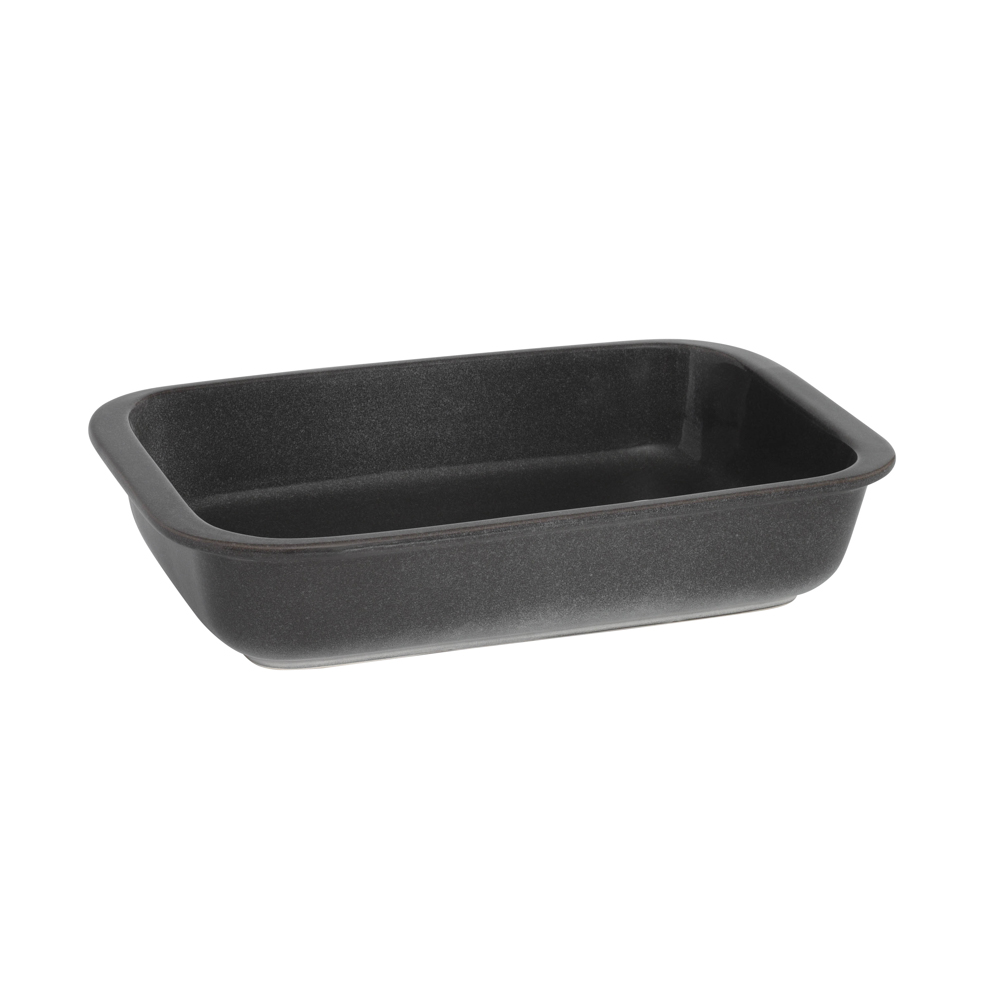
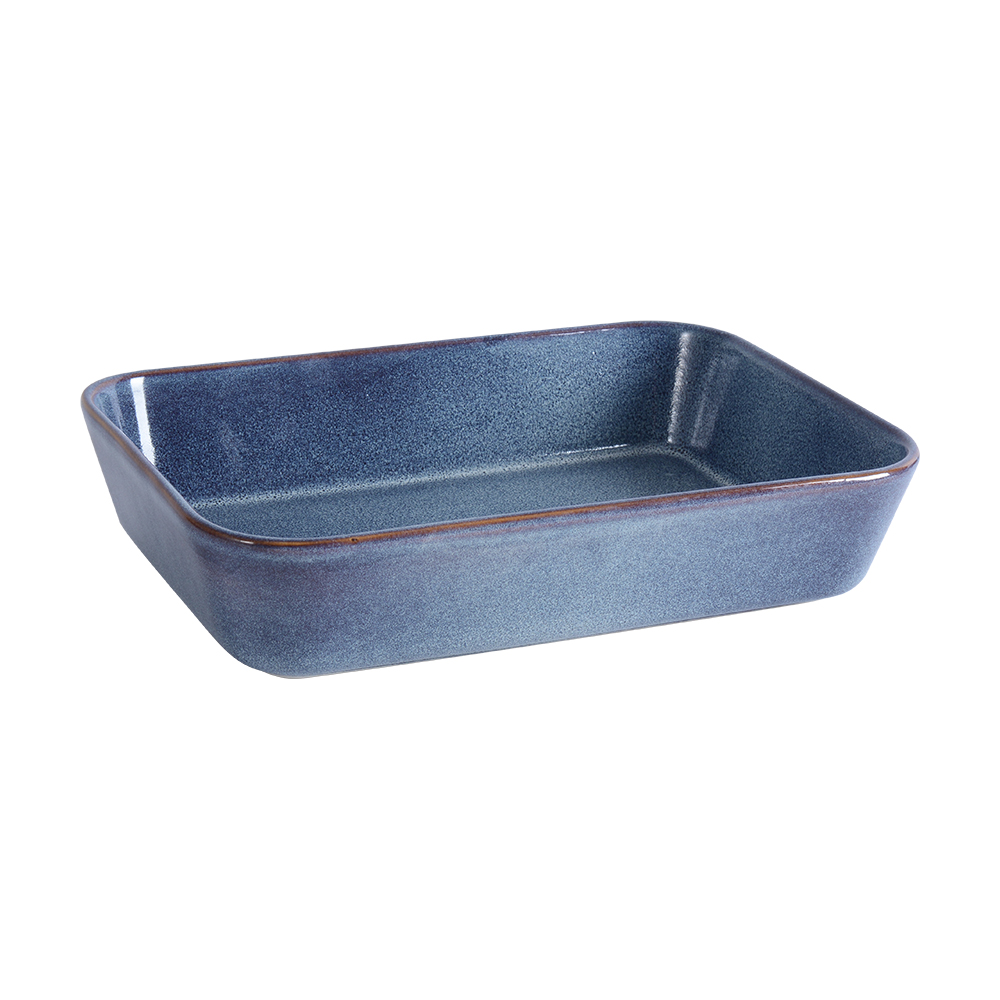
Roasting tins are cookware rather than bakeware in practical terms, because they deal with high heat, fat rendering and concentrated surface browning. A good roasting tin should expose enough surface area for vegetables or meat to roast rather than steam. Depth matters here: too shallow and fat splashes become harder to manage, too deep and airflow around the food is reduced.
Material thickness is a more useful indicator than appearance. Thin tins are more prone to warping under high oven heat, especially when deglazing or moving from oven to cooler surfaces. If you roast regularly, compare internal dimensions against your oven shelves and the size of the cuts you actually cook, not just the external measurements.
A roasting tin that is too large for the food can encourage burnt drippings, while one that is too crowded traps moisture and softens browning.
-
Broad internal area supports better roasting and caramelisation
-
Moderate depth balances splatter control with airflow
-
Thicker construction is generally more stable at high oven temperatures
-
Internal dimensions determine usable cooking space, not external size

Frequently Asked Questions
How can I tell if cookware will work on an induction hob?
Induction requires a magnetic base, so cookware must contain ferrous metal in the bottom layer. A pan can be stainless steel and still fail on induction if its base lacks a magnetic plate, which is why compatibility marking matters.
Does a thicker induction base improve cooking performance?
A thicker, well-bonded base usually improves heat distribution and reduces hot spots, especially on saucepans and sauté pans. It also helps the pan maintain contact with the hob, which supports more stable heating and fewer cycling issues.
> **Tip:** If you are replacing cookware for induction, check the base diameter as well as the compatibility symbol, because very small pans may not trigger some cooking zones reliably.
- Look for explicit induction compatibility rather than assuming all metal pans will work.
- Compare base construction, because bonded or encapsulated bases usually spread heat more evenly.
- Check minimum base size if you use small milk pans or butter warmers.
- Flatness matters, because warped bases reduce contact and heating efficiency.
### Non-Stick Cookware
When is non-stick cookware the practical choice?
Non-stick is most useful for foods that release poorly, such as eggs, pancakes and delicate fish. It also suits lower-fat cooking, because less oil is needed to stop food sticking during short, moderate-heat tasks.
Why does non-stick cookware wear out faster than uncoated pans?
The coating is a consumable surface, so performance declines as it becomes scratched, abraded or overheated. High heat, metal utensils and abrasive cleaning all shorten its useful life, even when the base pan remains structurally sound.
Is non-stick suitable for high-heat searing?
It is usually a poor fit for sustained high-heat cooking, because coatings perform better within moderate temperature ranges. For hard searing and aggressive browning, uncoated materials generally tolerate heat more effectively.
> **Worth knowing:** A non-stick pan can still heat unevenly if the body is thin, so coating quality does not replace the need for solid base construction.
- Use non-stick for delicate foods and quick everyday cooking rather than intense searing.
- Expect coating lifespan to depend heavily on heat level, utensils and cleaning method.
- Compare body thickness as well as coating type, because thin pans can still form hot spots.
- Keep one non-stick pan for release-sensitive tasks instead of buying a full set if longevity is the priority.
### Cast Iron Cookware
What makes cast iron useful for heat control?
Cast iron heats more slowly than thinner metals, but it holds heat exceptionally well once hot. That thermal mass supports steady frying, roasting and baking, particularly where temperature drops from added food would unsettle a lighter pan.
Is cast iron difficult to maintain?
Maintenance is straightforward but specific: the surface needs drying after washing, and some pieces benefit from a light film of oil to limit rust risk. It is less about complexity and more about consistency, especially if the cookware is stored in a humid kitchen.
Should I choose bare cast iron or enamelled cast iron?
Bare cast iron is valued for direct high-heat use and a surface that develops with use, while enamelled cast iron adds a vitreous coating that changes maintenance and cooking behaviour. The right choice depends on whether you prioritise seasoning-based use or a coated interior and exterior.
| Type | Heat retention | Maintenance | Typical use |
|---|---|---|---|
| Bare cast iron | Very high | Needs drying and routine care | Searing, frying, baking |
| Enamelled cast iron | Very high | No seasoning surface to maintain in the same way | Braising, stewing, roasting |
| Lightweight cast iron | High | Similar care depends on finish | Everyday stovetop use |
> **Tip:** If you cook in batches, cast iron’s heat retention helps keep the pan temperature steadier when cold ingredients are added.
- Choose cast iron for heat retention rather than fast responsiveness.
- Bare and enamelled versions differ mainly in surface care and cooking style.
- Weight affects handling, especially for larger casseroles and skillets.
- Preheating takes longer, but temperature stability is the main trade-off.
### Copper Cookware
Why do cooks value copper for heat control?
Copper responds quickly to changes in hob settings, so it is particularly useful where precise temperature adjustment matters. That responsiveness helps with sauces, sugar work and other tasks where delayed heat reduction can spoil texture.
Can copper cookware be used on all hobs?
Not always, because hob compatibility depends on the pan’s construction and outer base. On induction, copper cookware generally needs a magnetic layer built into the base to function.
Does copper need a lining?
In practical cookware, copper is typically combined with an interior lining that forms the cooking surface. When comparing options, the lining material matters as much as the copper layer because it affects maintenance, reactivity and everyday use.
> **Worth knowing:** Copper’s main advantage is responsiveness, not heat retention, so it suits precision tasks more than long, heavy heat storage.
- Prioritise copper when fast heat response matters more than long heat holding.
- Check hob compatibility carefully, especially for induction use.
- Compare the cooking surface lining, because it affects maintenance and use.
- Copper often makes the most sense for specialist pans rather than a whole everyday set.
### Stock Pots and Casserole Pots
What size stock pot is most useful for everyday cooking?
The useful size depends on whether you cook for one household meal, batch-cook soups, or boil pasta for larger groups. Capacity should be matched to your typical volume, because an oversized pot is slower to heat and harder to handle when full.
Why do casserole pots often have thicker walls and bases?
Thicker construction helps moderate heat and reduces the risk of scorching during long, slow cooking. It also improves heat retention once the pot is hot, which is useful for braises, stews and oven-to-hob cooking patterns.
Is a stock pot the same as a casserole pot?
No, because they are built for different heat behaviours and cooking methods. Stock pots are usually taller and better suited to boiling and simmering larger volumes of liquid, while casserole pots are broader and more effective for browning, reducing and slow cooking.
- Match pot shape to cooking method, not just capacity.
- Taller stock pots suit liquid-heavy cooking, while wider casserole pots support browning and reduction.
- Heavier construction helps with long cooking times and steadier heat.
- Full weight matters, especially if you regularly drain pasta or move pots from hob to oven.
Ready to Buy?
Cast Iron Casserole Dishes
A cast iron casserole dish suits buyers who want steady, retained heat for slow cooking, braising and oven-to-table serving. Its main advantage is thermal mass: once heated, it resists temperature swings better than lighter pans, which helps with long simmers and recipes that need consistent cooking over time. That same heat retention also means it responds more slowly when you turn the hob down, so it is less suited to tasks that need quick corrections.
Weight is the main trade-off to assess before buying. Larger cast iron pieces can be awkward to lift when full, especially if you regularly move cookware from hob to oven to table. Check capacity, handle shape and whether the interior is bare or enamelled, because those details affect maintenance and how the dish fits into everyday use. Enamelled interiors reduce the need for seasoning and are easier to use with acidic ingredients, while bare cast iron needs more care to prevent rust.
Choose capacity by typical batch size, not maximum occasion cooking, because an oversized casserole takes longer to heat and is harder to handle when full.
-
Strong heat retention supports braising, stewing and slow oven cooking
-
Slow heat response makes it less precise for rapid temperature changes
-
Weight affects day-to-day usability more than many buyers expect
-
Enamelled interiors are lower maintenance than bare cast iron
-
Capacity and handle design matter for safe lifting
Non-Stick Saucepans
A non-stick saucepan is worth considering if your everyday cooking leans towards porridge, milk-based sauces, reheating leftovers or foods that tend to catch on the base. The coating reduces sticking and can make washing up easier, but durability depends heavily on how the pan is used. High heat, metal utensils and abrasive cleaning shorten the life of the surface, so this type makes most sense when convenience matters more than maximum longevity.
Base construction still matters even with a coated interior. A thicker or layered base helps reduce hot spots, which is particularly useful for sauces and starches that can scorch in one area while remaining undercooked elsewhere. Compare oven compatibility, lid material and whether the handle is fixed with rivets inside the pan, because interior rivets can create small areas where food residue collects and coating wear starts earlier.
Non-stick coatings are consumable surfaces, so even careful use usually means a shorter service life than uncoated stainless steel or cast iron.
-
Useful for sticky, delicate or milk-based cooking tasks
-
Easier cleaning is balanced against shorter long-term durability
-
Lower to medium heat use helps preserve the coating
-
Thicker bases improve even heating and reduce scorching
-
Interior rivets and oven limits are worth checking before purchase
Stock Pots
A stock pot earns its place when you cook pasta, soups, broths or batch meals in larger volumes. Height matters as much as diameter here: a tall pot reduces evaporation better than a wide, shallow vessel, which helps when simmering stock for several hours. For pasta and boiling vegetables, generous capacity gives ingredients room to move, which can improve cooking consistency and reduce boil-overs.
The key buying question is whether the pot will be used mostly for boiling water or for longer cooking on the hob. If it is mainly for water-heavy tasks, a lighter construction may be adequate. If you plan to make stock, chilli or large soups regularly, a heavier base is more useful because it spreads heat more evenly across the bottom and lowers the risk of scorching as liquid reduces. Lid fit, internal volume markings and overall weight when full are practical details that affect regular use.
| Product category | Typical strength | Main limitation | Most useful for |
|---|---|---|---|
| Cast iron casserole dishes | Heat retention | Heavy, slow to adjust | Braises, stews, oven cooking |
| Non-stick saucepans | Easy release and cleaning | Coating wears over time | Porridge, sauces, reheating |
| Stock pots | Large-volume cooking | Can be bulky to store | Pasta, soups, stock, batch cooking |
If storage is tight, measure cupboard height before buying a stock pot, because lid handles and tall sidewalls can make a large pot awkward to store even when the diameter seems manageable.
-
Tall sides help reduce evaporation during long simmers
-
Capacity should match your usual batch cooking volume
-
Heavier bases are more useful for soups and stocks than for simple boiling
-
Full-pot weight can be a bigger issue than empty-pot weight
-
Lid fit and internal markings improve day-to-day practicality
Roasting Tins
A roasting tin is the piece that often determines how well oven heat is used for vegetables, meat and traybakes. Surface area affects browning directly: if ingredients are crowded, they steam instead of roast. That makes dimensions one of the most important specifications to compare, especially if you cook for several people or want room around ingredients for air circulation and moisture release.
Material thickness matters because thin tins are more prone to warping and can brown unevenly where the metal is hottest. A sturdier tin usually sits flatter, feels more stable when loaded and handles repeated high-heat use better. Also check side height. Lower sides can support better roasting and easier turning, while higher sides are more practical for dishes with rendered fat or cooking juices.
A roasting tin that is too large for your oven can restrict airflow around it, which can reduce even browning despite the extra surface area.
-
Surface area has a direct effect on browning and crisping
-
Thicker construction usually improves stability and durability
-
Low sides suit roasting, higher sides suit juicier dishes
-
Oven fit should be checked against internal shelf dimensions
-
Crowding ingredients reduces roasting performance
The key decision is matching the pan’s heat behaviour to the way you actually cook. Fast, responsive cookware suits day-to-day frying and sauce work, while heavier materials with stronger heat retention make more sense for slow cooking and oven use, and hob compatibility, especially induction, needs checking before you buy.