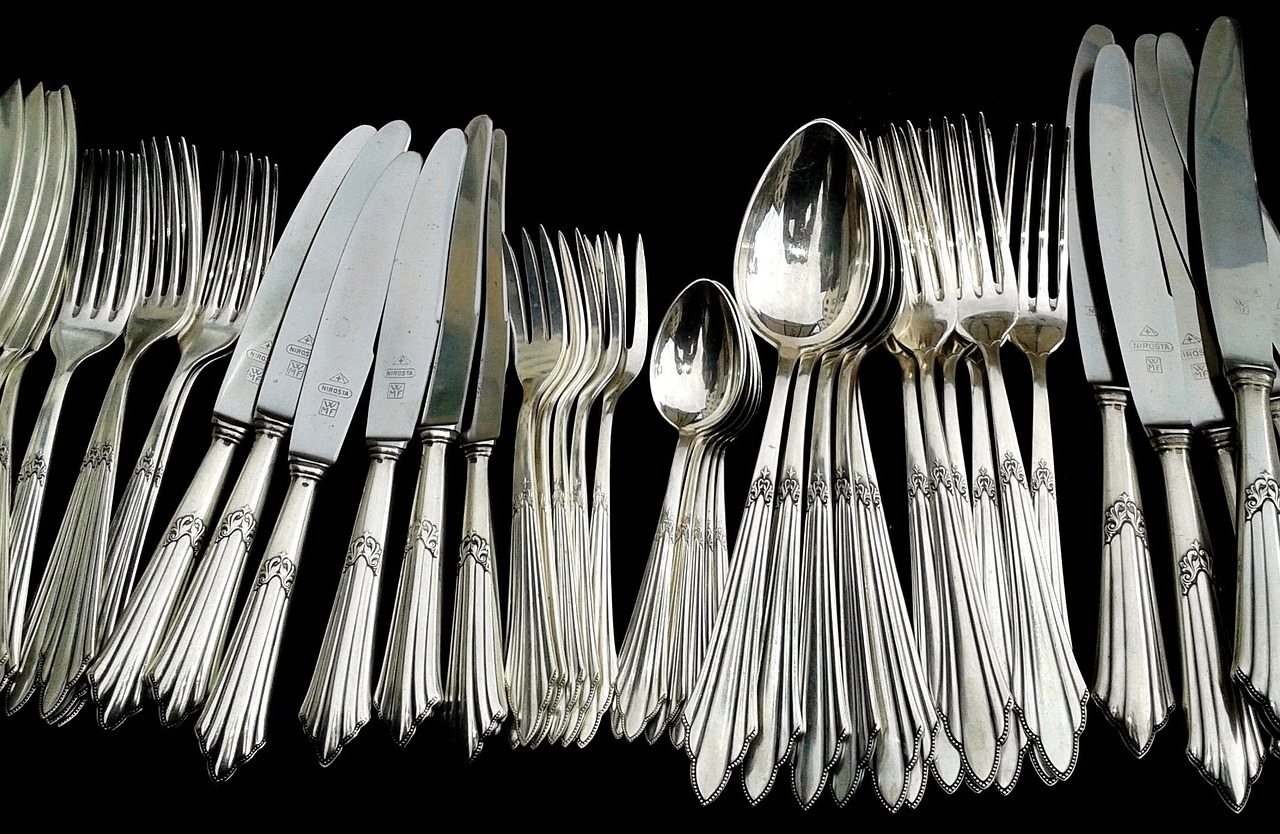
In this guide
Key Takeaways
- Material, weight and day-to-day feel are the main factors that shape how a cutlery set performs in everyday dining.
- Comparing cutlery by material and construction gives a clearer view of handling, upkeep and daily practicality than styling alone.
- The most useful specifications to check are material, gauge, piece count, finish and dishwasher suitability.
- Stainless steel is typically the most straightforward choice for everyday use because it combines durability, low maintenance and a familiar feel.
- For most households, repeated daily performance matters more than headline design when choosing between cutlery sets.
Overview
Cutlery choice tends to come down to three linked factors: material, weight and how the set feels in daily use. These elements affect not only appearance, but also balance in the hand, resistance to wear and how formal or relaxed a table setting feels. A heavier piece can suggest solidity and a more traditional dining experience, whereas a lighter set may suit quick everyday meals, smaller hands or households that prefer a less substantial feel.
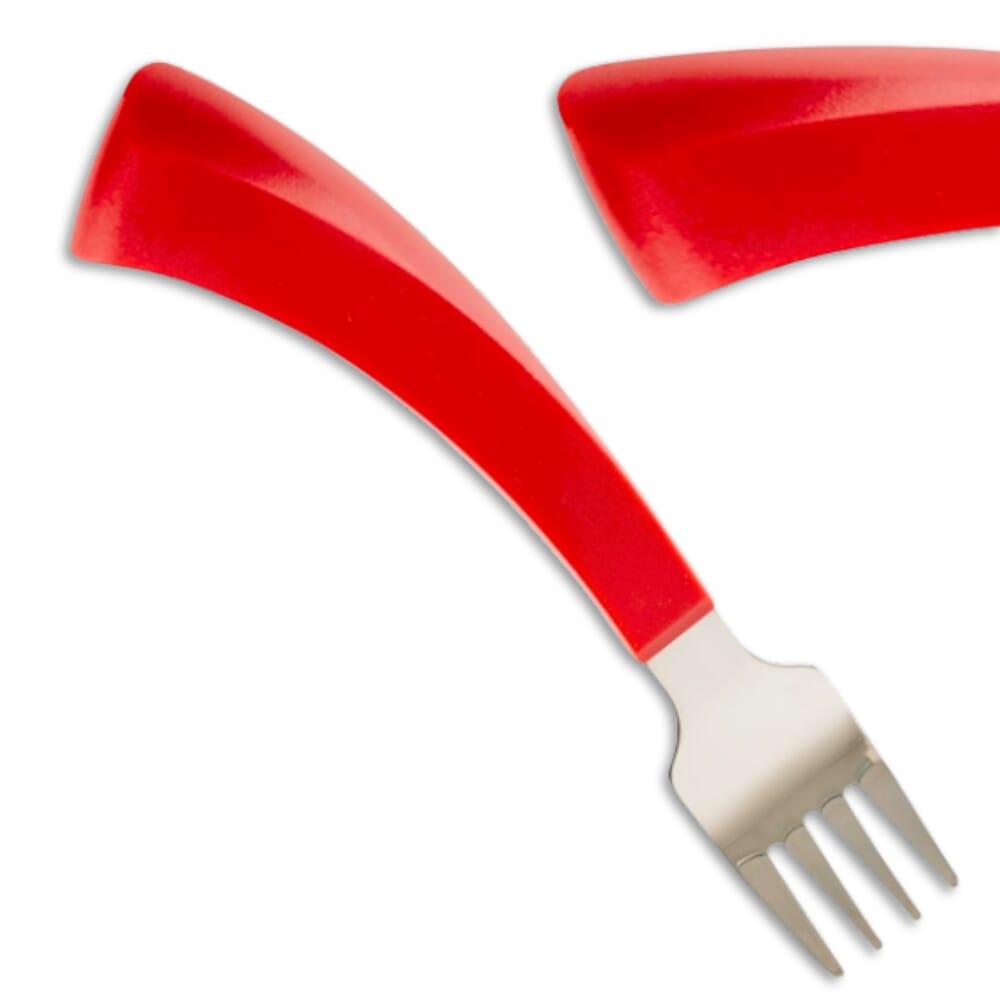
Material is usually the starting point because it shapes both performance and maintenance. Stainless steel is often compared across grades and finishes because these influence corrosion resistance, surface appearance and long-term durability. By comparison, coated or coloured finishes may change the visual character of a set, but they also introduce questions around visible wear, especially with frequent dishwasher use. In contrast, simpler polished or satin surfaces can be easier to assess for scratches and signs of use over time. The practical difference is not only aesthetic, but also about how much upkeep a buyer is willing to accept.
Weight is equally important, yet it is rarely a straightforward indicator of quality. Heavier cutlery can feel more stable and deliberate, particularly for formal dining or for users who prefer a stronger handle presence. On the other hand, excessive weight may become tiring in everyday use, especially across larger sets used several times a day. Lighter pieces are easier to handle and often more versatile across age groups, although some shoppers may find them less substantial. Balance matters as much as total mass, since poorly distributed weight can make even a well-made piece feel awkward.
For everyday dining, the most suitable option is often the one that aligns material and weight with actual household habits. A family using a dishwasher daily may prioritise resilience and low maintenance, whereas occasional entertainers may place more emphasis on finish and table presence. In that sense, comparison is less about identifying a single ideal type and more about understanding which compromises are acceptable, between durability and appearance, heft and ease of use, or formal presentation and daily practicality.
Feature Comparison
A practical way to compare cutlery is to look at how common materials and constructions affect feel, upkeep and day-to-day use. The table below focuses on the main trade-offs rather than treating one specification as universally preferable.
| Feature | Lighter stainless steel | Heavier stainless steel | Silver-plated | Solid silver |
|---|---|---|---|---|
| Typical feel in hand | Easier to handle for long meals and everyday family use | More substantial and weighty, often preferred by buyers who want a denser feel | Usually balanced but can vary with the base metal underneath | Often feels weighty and softer in hand than stainless steel |
| Everyday dining use | Practical for frequent use, especially where durability matters more than presence | Better suited to those who want a more formal table feel without moving away from stainless steel | Can suit occasional formal dining, whereas frequent use may increase maintenance demands | Often reserved for formal settings or buyers who value traditional tableware |
| Durability | Generally robust and well suited to regular washing and repeated use | Also durable, with the same broad stainless steel advantages, but extra weight may not suit everyone | The plated surface can wear over time, in contrast to solid metal throughout | No plating layer to wear away, but silver is typically softer and can mark more easily |
| Maintenance | Usually the lowest-effort option for routine care | Similarly straightforward, though weight can make handling and storage feel less convenient | Requires more careful upkeep to preserve the plated finish | Requires regular polishing to manage tarnish |
| Appearance over time | Keeps a consistent look with relatively little intervention | Similar visual stability, by comparison with plated or silver options | Can look refined, but finish condition matters more as the set ages | Develops patina and may appeal to buyers who value that character |
| Cost position | Commonly the more accessible end of the market | Often priced above lighter equivalents where material thickness and weight are higher | Usually sits between stainless steel and solid silver | Typically the highest-cost option in this comparison |
Weight is not simply a marker of quality. A heavier fork or knife can feel more deliberate and formal, whereas a lighter set may be easier to use every day and less tiring over a full meal. Material choice changes the ownership experience as much as the appearance. Stainless steel generally keeps maintenance low, while silver-plated and solid silver ask for more care in return for a different look and feel. For most comparisons, the useful question is not which is superior, but which balance of upkeep, heft and finish suits the way the cutlery will actually be used.

Technical Specifications
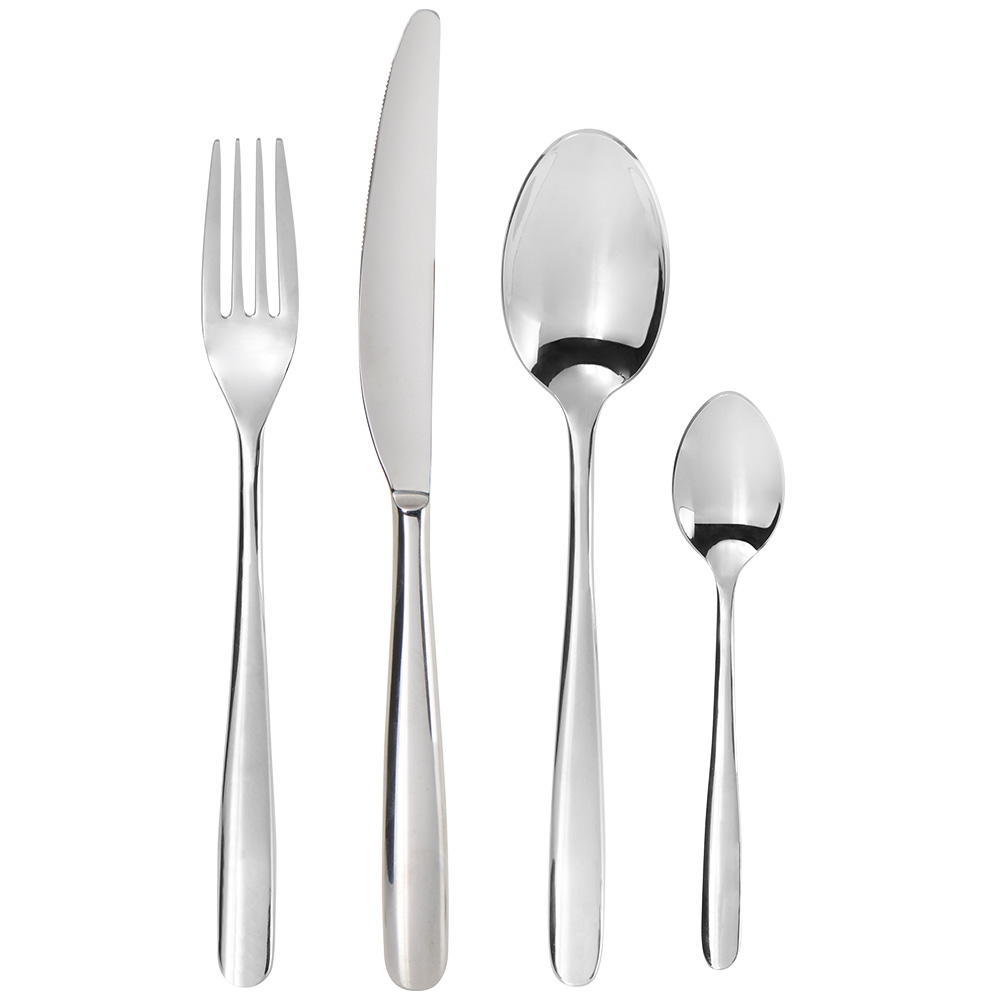
Across cutlery ranges, the most useful specifications are material, gauge, piece count, finish and dishwasher suitability, because these shape both handling and maintenance. Stainless steel remains the reference point for everyday sets, largely because it balances corrosion resistance with relatively straightforward care. Within stainless steel, the stated grade matters if provided, since different compositions can affect resistance to staining and long-term wear. By comparison, titanium or titanium-coated pieces are often assessed more for finish and weight characteristics than for a like-for-like change in everyday function.
Weight is rarely listed as a single number for each piece, so buyers often need to infer it from terms such as lightweight, standard or heavy gauge. Heavy-gauge cutlery generally feels more substantial in the hand and can give a more rigid, deliberate feel at the table, whereas lighter pieces may suit casual daily dining and are often easier for children or those who prefer less heft. In contrast, a thicker profile does not automatically mean better performance, since balance through the handle and neck also affects comfort.
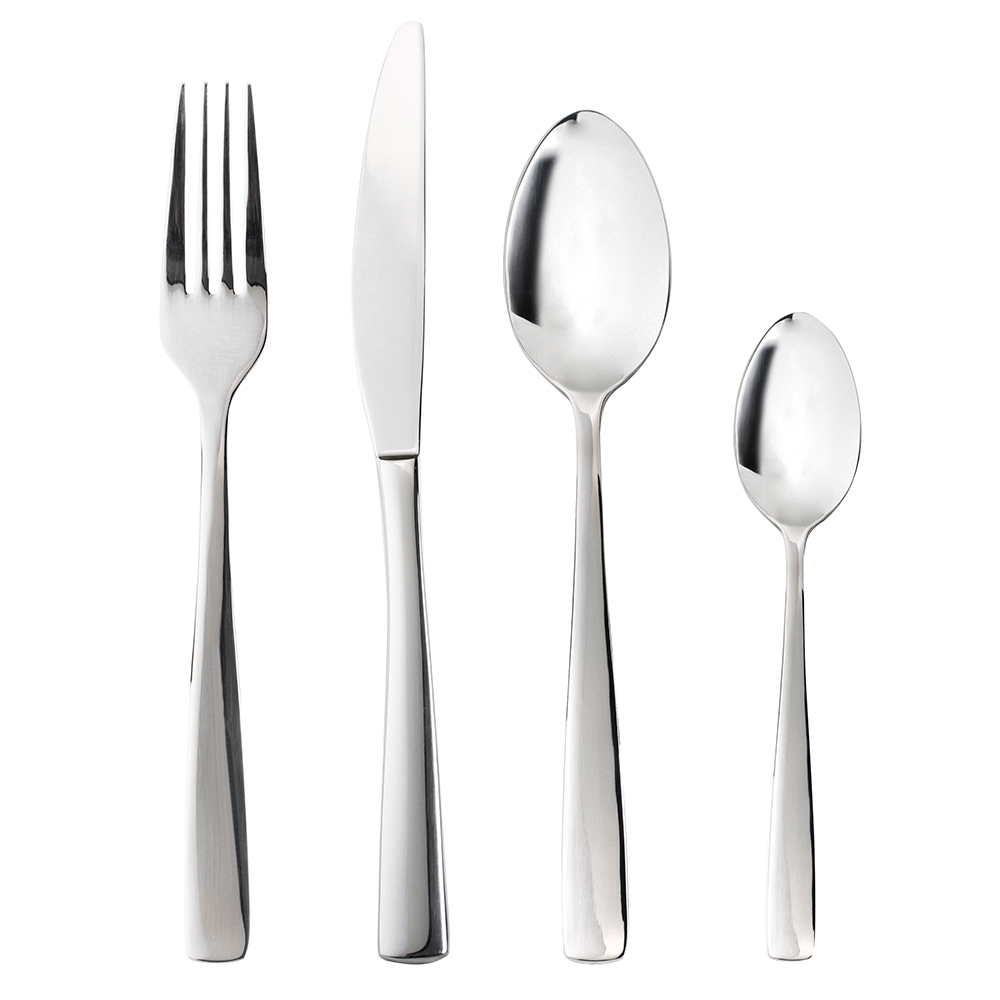
Piece count is another specification that changes value and usability. A 16-piece set usually covers four place settings, while 24-piece and larger sets may add serving items or simply extend the number of diners covered. This matters when comparing price, because a lower headline cost can reflect fewer pieces rather than a material difference. By comparison, open-stock ranges can be more flexible for replacing individual forks or teaspoons, though they may work out differently in cost over time.
Finish also deserves close attention. Mirror-polished cutlery tends to show fingerprints and fine marks more readily, whereas brushed or satin finishes can look less marked in everyday use. In contrast, highly decorative handles or coated surfaces may require more careful handling if the manufacturer gives specific care instructions.
Finally, dishwasher suitability should be treated as a practical specification rather than a minor extra. Many sets are dishwasher safe, but if hand washing is advised for certain finishes or handle constructions, that can alter how convenient the set feels in routine use.
Strengths and Weaknesses
Stainless steel remains the most straightforward option for everyday dining because it balances durability, low maintenance and a familiar feel. In daily use, it generally copes well with repeated washing and regular handling. Its main limitation is variation within the category itself. Lighter stainless steel pieces can feel less stable in the hand, whereas heavier gauges tend to feel more substantial but may be less comfortable for users who prefer a lighter setting or for longer, more casual meals.
Heavier cutlery often gives a more deliberate, solid feel at the table. That can make place settings seem more formal and can suit diners who value balance and weight in the hand. In contrast, extra weight is not always an advantage. Some people find heavier knives and forks tiring over time, and households with children or older users may prefer something easier to lift and control. Lighter cutlery is usually simpler to handle and often better suited to frequent, informal use, but by comparison it can feel less refined or less secure during cutting.
Material choice also affects upkeep. Stainless steel is typically chosen for convenience, especially where dishwasher use matters. By comparison, finishes and constructions that prioritise appearance may need more careful handling to keep their surface looking consistent over time. That does not make them less suitable, but it does shift the balance from pure practicality towards presentation.
For everyday dining, comfort is often where trade-offs become most obvious. A well-balanced set can feel easier to use across a full meal, regardless of whether it is especially light or heavy. Conversely, a set that looks appealing on paper may be less convincing if the handle shape, weight distribution or overall gauge does not suit the user’s grip and eating habits. This is why similar-looking sets can perform quite differently in practice.
The main strength across the category is the range of options available for different dining styles. The main weakness is that no single combination of material and weight suits every household equally well. Everyday use tends to reward a close match between feel, maintenance demands and the type of meals the cutlery will be used for most often.
Our Verdict
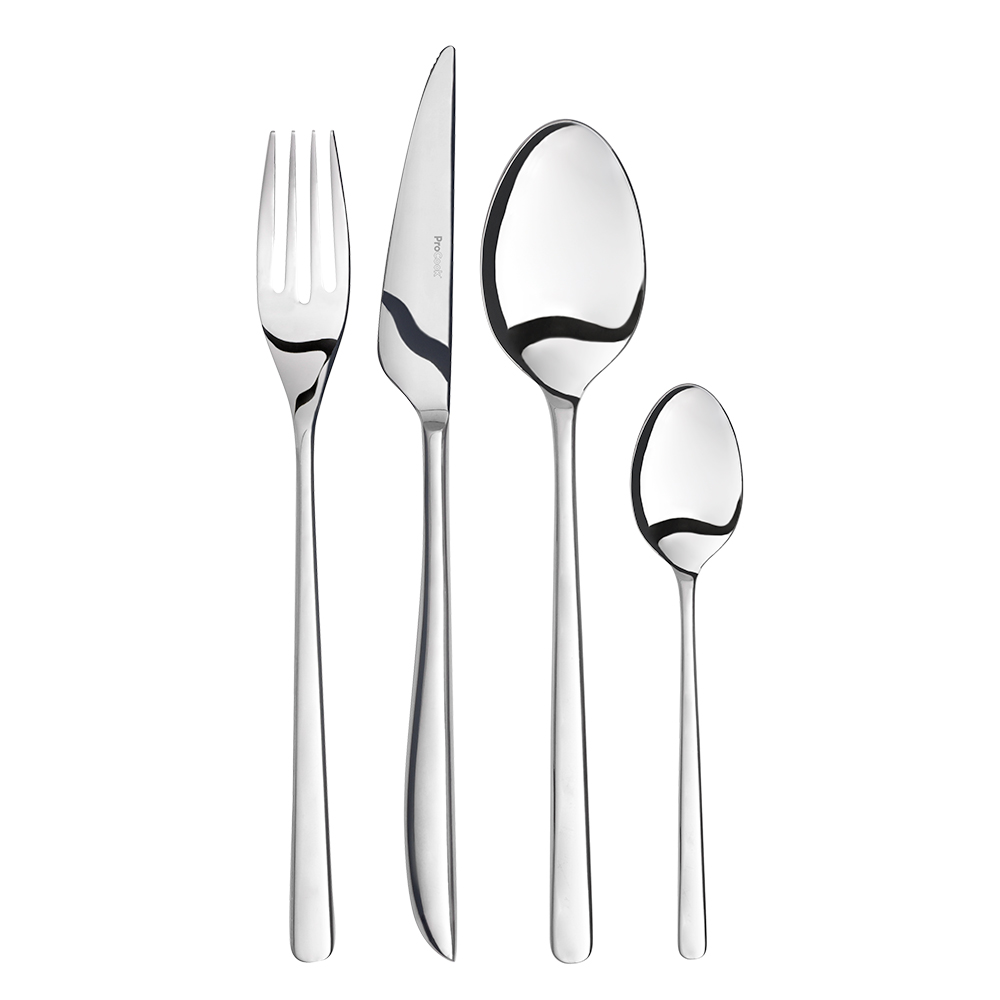
For most households, the right choice depends less on headline styling and more on how the set behaves across repeated daily use. Stainless steel remains the reference point because it generally offers the clearest balance of durability, manageable upkeep and a familiar hand feel. Within that category, however, weight still matters. Heavier pieces can feel more stable and substantial at the table, whereas lighter cutlery is often easier to handle for quick everyday meals, children or anyone who prefers less heft.
Material is the first filter, but it should be read alongside construction and finish. A polished finish can look more formal, by comparison, while brushed or satin surfaces may show handling differently in regular use. Piece count also changes value. A larger set may make more sense for family dining or frequent guests, in contrast to a smaller set that suits compact households and avoids paying for place settings that will sit unused.
If low maintenance is the priority, dishwasher suitability should carry real weight in the decision. Not all finishes and constructions behave the same way over time, so this specification is worth checking rather than assuming. Gauge is similarly useful because it gives a clearer indication of thickness and, often, perceived sturdiness. A slimmer gauge may keep a set lighter and easier to store, whereas a thicker gauge can shift the feel towards something more solid in the hand.
Taken together, the most sensible comparison is not simply light versus heavy or one material versus another. It is whether the combination of material, gauge, finish and set size matches the way you actually eat at home. For frequent, low-fuss use, practicality and dishwasher suitability may outweigh visual detail. For a more deliberate dining setup, weight, finish and the overall feel in hand may justify different compromises. The stronger option is the one whose specifications align most closely with your routine, rather than the one that appears more substantial on paper.
For everyday dining, the key decision is how material and weight combine in the hand, because that affects comfort, balance and upkeep more than appearance alone. Stainless steel remains the most practical fit for most households, but the better choice is the set that feels right across repeated use and matches how much maintenance you are willing to take on.