In this guide
Key Takeaways
- Cutlery sets generally split into three broad types, so the right choice depends on your eating habits as much as on appearance.
- A straightforward stainless steel set is usually the most practical option for busy weeknight meals and everyday use.
- Comparing sets side by side helps clarify the trade-off between durability, presentation and the number of place settings.
- Simple stainless steel cutlery suits everyday meals because it is low maintenance and easy to live with.
- Narrowing options by retailer type as well as cutlery style can make the buying process more efficient.
Overview
Cutlery sets tend to fall into three broad camps, and the right choice depends less on style alone than on how you actually eat at home. For quick weeknight dinners, practicality usually matters most. A straightforward set with the core place settings is often easier to live with than a larger, more formal bundle packed with serving pieces you rarely reach for. If your meals are usually pasta, curries, salads or one-pan dishes, comfort in the hand and easy day-to-day maintenance will matter more than a showpiece finish.
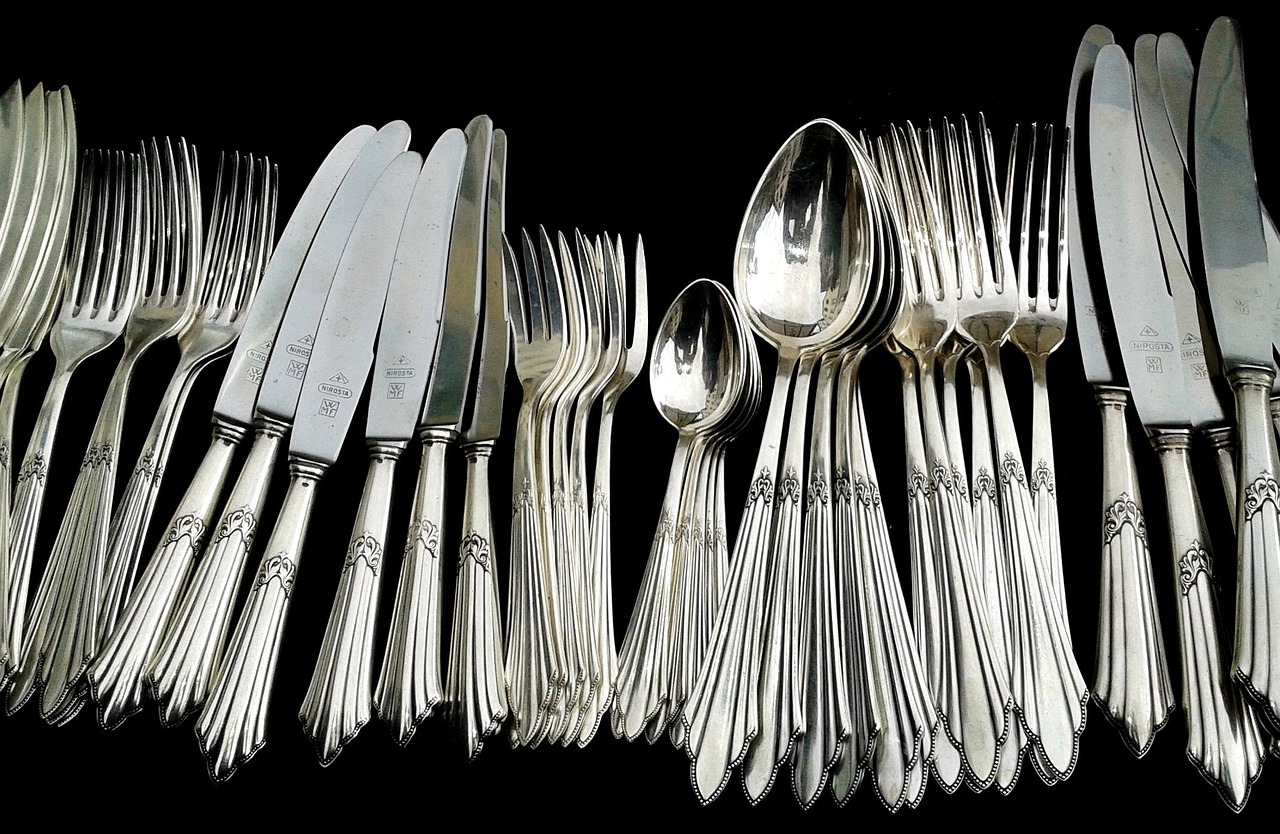
Hosting shifts the balance. Once you are laying a table for six, eight or more, consistency across the set becomes more important, as does having enough matching pieces to avoid mixing odds and ends from the drawer. This is where larger sets can make more sense, particularly if they include the extras that help a table feel properly put together. A slimmer, more refined profile can look smarter for dinner parties, but it is worth checking whether that comes at the expense of heft. Some people prefer lighter cutlery for longer meals, while others associate a little more weight with a more substantial feel.
For everyday use, durability is usually the deciding factor. A set that looks good on day one but shows wear quickly can be frustrating if it is in constant rotation. Households with children, frequent dishwasher use or busy shared kitchens may be better served by designs that prioritise resilience and ease over delicate detailing. By contrast, if you already have reliable daily cutlery, a more decorative or occasion-focused set can make sense purely for entertaining.
It is also worth thinking about how many people you are really buying for. A compact set may suit a couple or a smaller kitchen, but larger households often benefit from buying beyond the bare minimum, especially if you do not want to run the dishwasher every day. In practice, the most useful cutlery is rarely the most ornate. It is the set that fits your routine, feels right in the hand, and covers anything from a rushed Tuesday supper to a full table at the weekend.
Top Products
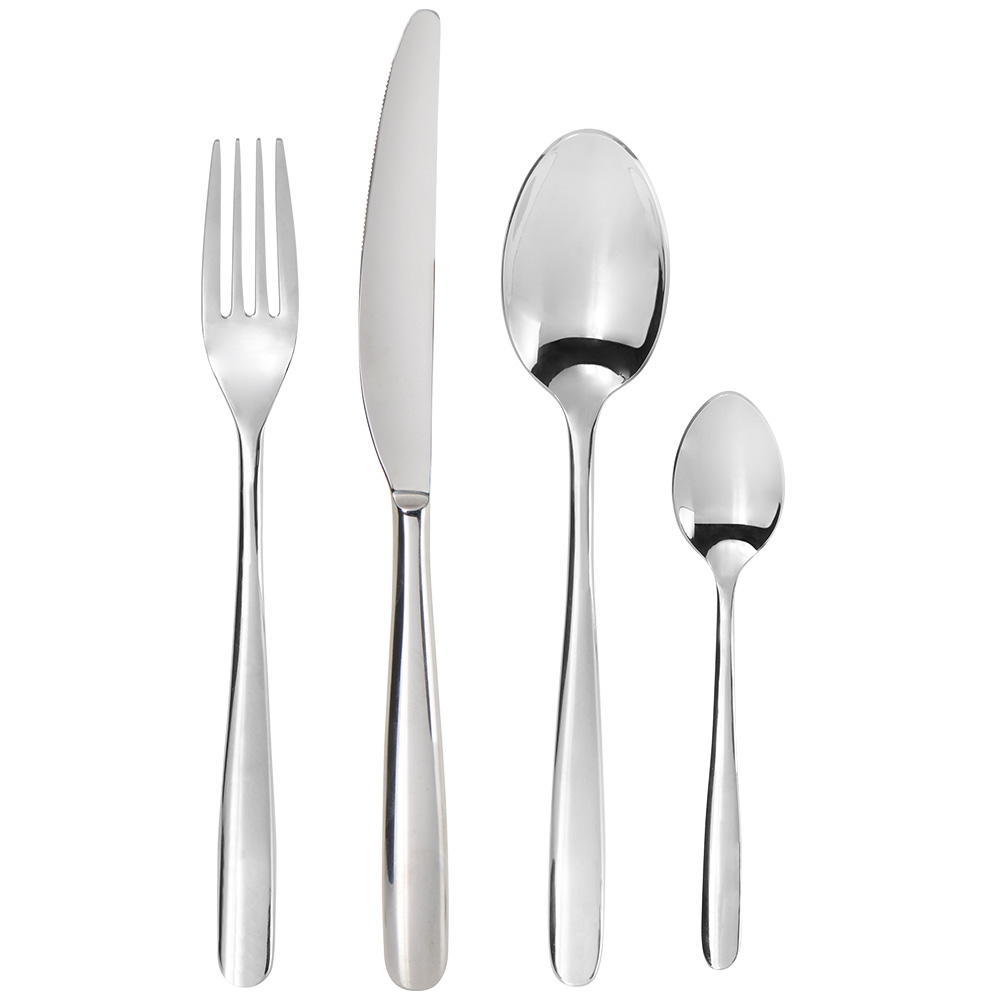
For busy weeknights, a straightforward stainless steel set is usually the most practical starting point. It keeps the focus on durability, easy cleaning and having enough place settings to cover regular family meals without constant washing up between courses. If your routine is more pasta, curries and traybakes than formal dining, a simple everyday set often makes more sense than paying extra for specialist serving pieces you may rarely use.
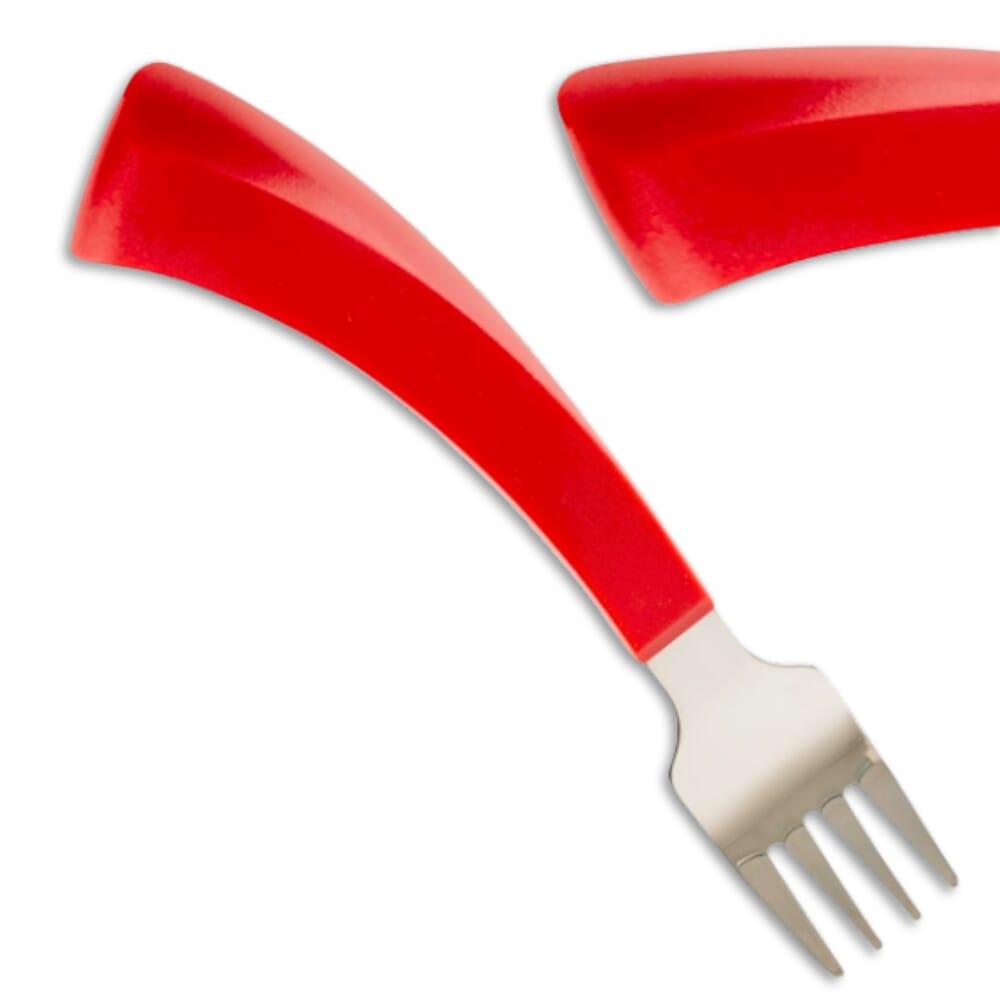
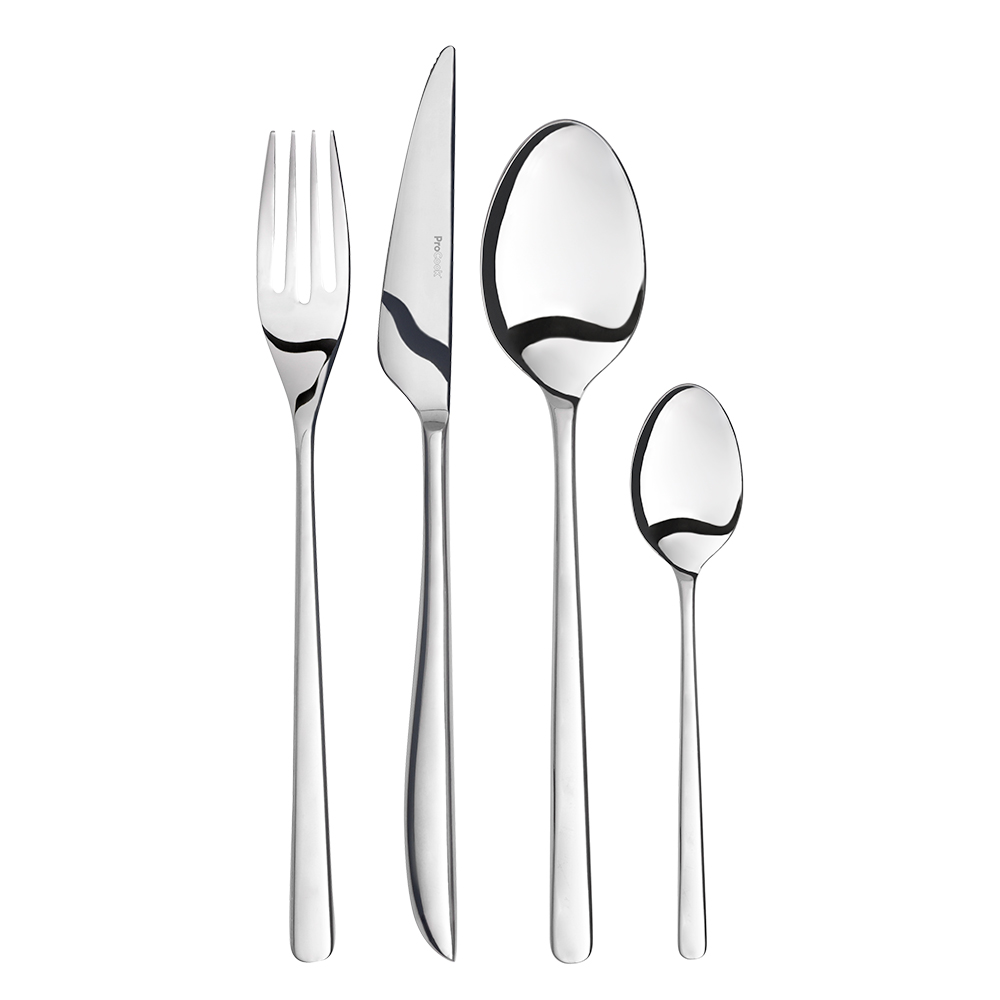
Hosting is where the differences between sets become more noticeable. Larger collections can include extra forks, spoons and knives that help when you have guests, while some ranges also extend into matching serving items. That matters if you want the table to look consistent rather than pieced together from different drawers. A slimmer, more refined profile can also feel more considered in the hand during longer meals, whereas chunkier handles often suit casual dining better and can be easier for some people to grip.
For mixed use, weight and balance are worth paying attention to. Lighter cutlery is easy to handle and often better for everyday lunches or quick dinners, but it can feel less substantial when you are setting the table for company. Heavier pieces tend to feel more formal and can give a stronger sense of quality, though they are not always what you want for daily use, especially if children are involved or if you are loading the dishwasher frequently.
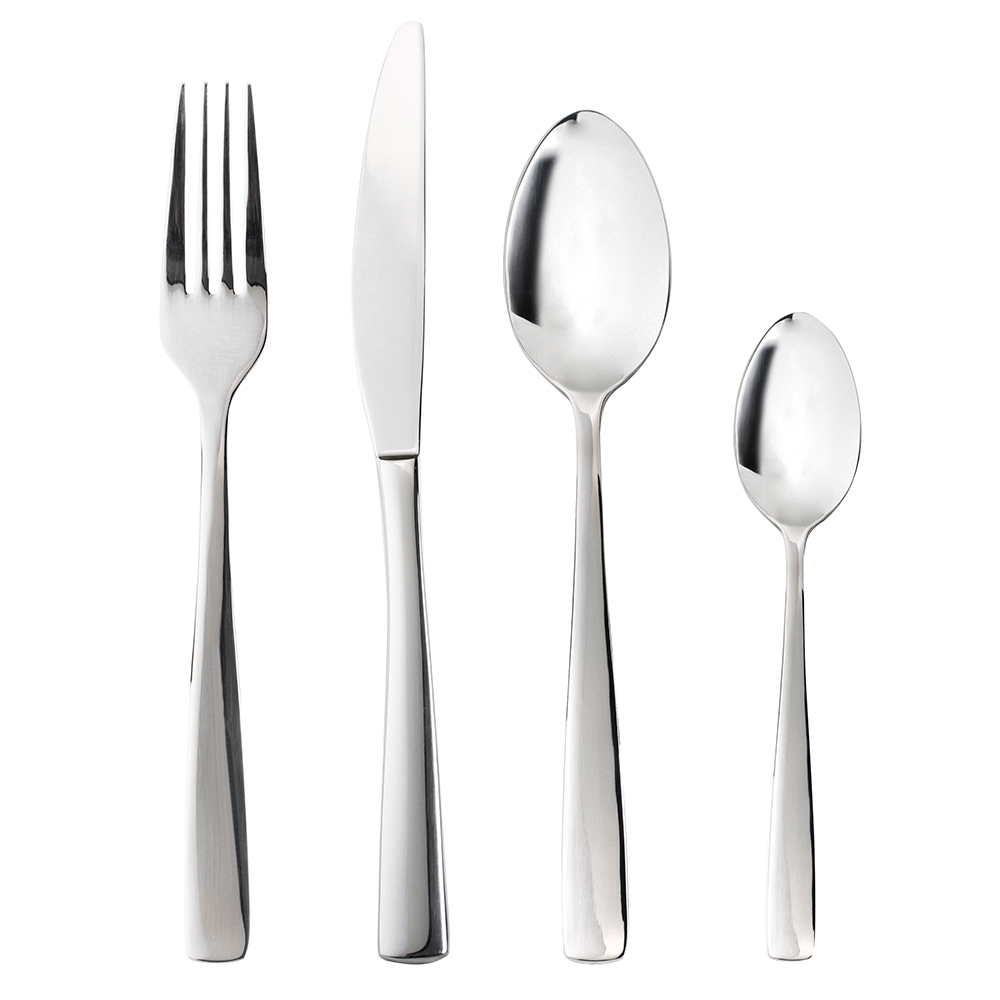
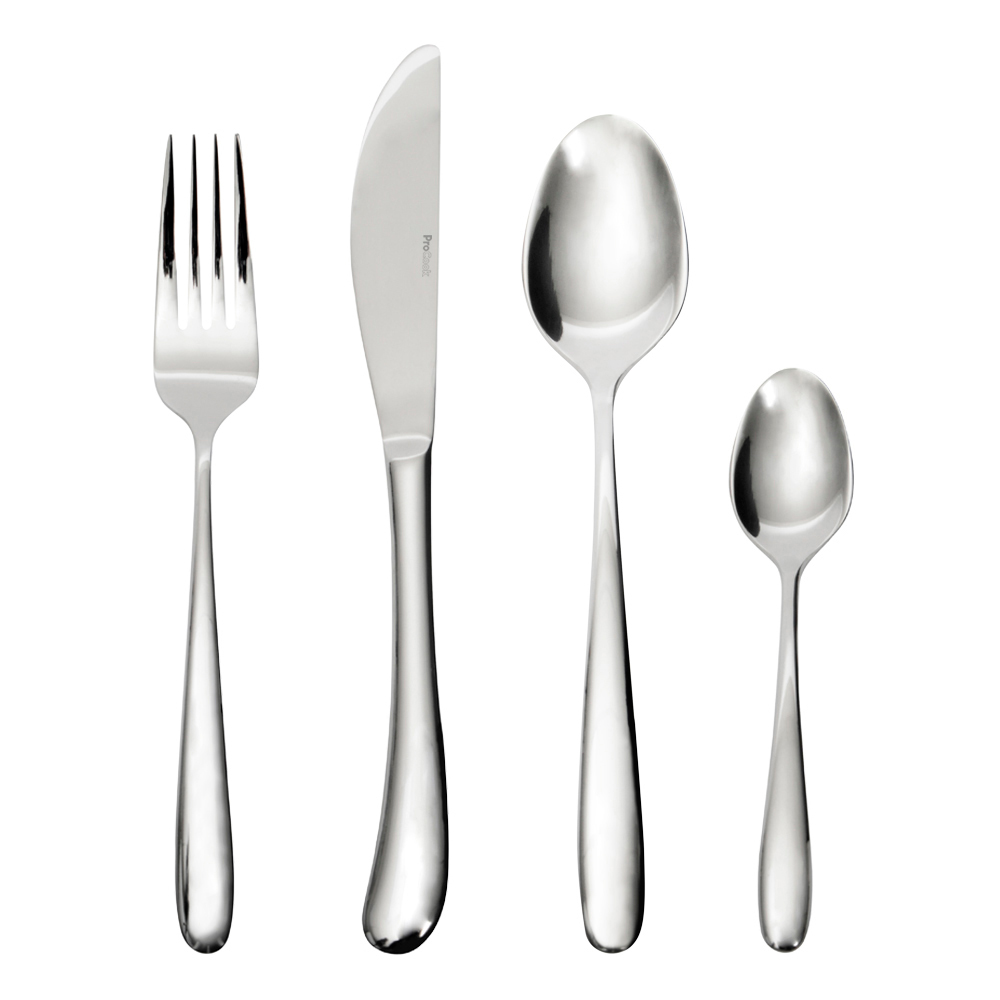
Finish also changes the character of a set. Polished stainless steel is the safe all-rounder because it works in both casual and more dressed-up settings. Brushed or matte finishes can be more forgiving of fingerprints and may suit modern kitchens, but the overall look is usually more understated. If you are comparing options for a shared household, the most versatile choice is often the one that feels neutral enough for everyday use while still looking deliberate when guests come over.
The most useful way to narrow the field is to match the set to your actual table habits. Smaller households may do well with a compact, easy-care set. Frequent hosts should look harder at place setting count and matching extras. If you want one set to do everything, balance, dishwasher practicality and a finish that works across different occasions matter more than decorative detail.

Side-by-Side Comparison
A quick comparison table is useful here because the right set often comes down to how you balance durability, presentation and the number of place settings you actually need. In practice, most shoppers are choosing between three familiar routes.
| Type | Best for | What to expect | Possible trade-offs |
|---|---|---|---|
| Everyday stainless steel set | Weeknight meals, family use, frequent dishwasher cycles | Usually the easiest option to live with day to day. A simple stainless steel set tends to feel low-fuss, easy to replace and well suited to mixed meals, packed lunches and regular washing up. | Often less distinctive on the table. Lighter pieces can also feel less substantial if you prefer a weightier handle. |
| Heavier or more polished stainless steel set | Everyday use with a smarter look, casual hosting, open-plan dining where table presentation matters | A good middle ground if you want one set to cover both Tuesday pasta and a Saturday dinner with friends. These sets often look more deliberate without being too formal. | Usually costs more than a basic set, and highly polished finishes can show marks and fingerprints more readily between washes. |
| Hosting or occasion-focused set | Dinner parties, larger gatherings, more formal table settings | Better suited to homes where entertaining is part of the routine. The appeal is less about pure utility and more about giving the table a more considered, coordinated feel. | Not always the set you will reach for every day. Some buyers end up keeping these for guests while using a separate set for daily meals. |
If your priority is replacing mismatched drawers of forks and spoons, the first type is usually enough. If you want one purchase that can handle both weekday use and a laid-back dinner party, the second category tends to be the most flexible. The third makes more sense when presentation matters as much as practicality.
It is also worth comparing set size before focusing on finish. A smaller household may be well served by fewer place settings and a slightly better-made set, while larger families often benefit more from extra pieces and easier replacement. For many homes, that is the real dividing line: whether you need cutlery that simply keeps up, or cutlery that also helps set the tone at the table.
What We Like and What We Do Not
For everyday meals, the main advantage of a simple stainless steel set is that it asks very little of you. It is usually the easiest option to live with, especially if cutlery is going through the dishwasher most nights and getting mixed into a busy kitchen drawer. It also tends to suit households that want enough pieces to cover breakfast, packed lunches and dinner without worrying about keeping a “good” set aside. The trade-off is that plainer sets can feel a bit functional when you are laying the table for guests, and lighter pieces may not have the balance some people prefer in the hand.
Heavier, more substantial cutlery often feels noticeably better for hosting. A well-weighted knife and fork can make a place setting look more considered, even before you add glassware or serving pieces. This type usually suits people who entertain a few times a month and want one set that can stretch from Tuesday pasta to a weekend dinner. The downside is practical rather than dramatic: heavier pieces can take up more drawer space, may be less comfortable for younger children, and can feel slightly overbuilt if most meals are quick and informal.
If presentation matters, polished finishes and more defined handle shapes tend to look smarter on the table than very basic patterns. They can help a table feel intentional without moving into overtly formal territory. The compromise is that more decorative designs can be less versatile. What looks right for a dinner party may feel a touch too dressed for everyday use, and intricate detailing can show water marks or wear more readily than simpler shapes.
For larger households, the clear benefit of bigger sets is coverage. You are less likely to run short halfway through the week or end up washing teaspoons by hand before pudding. Smaller sets make more sense for couples, occasional hosts or anyone with limited storage, but they can become frustrating if you regularly cook for family or friends.
In practice, the most useful question is not whether a set looks impressive on day one, but whether it matches the rhythm of your home. If weeknight convenience matters most, keep things simple. If shared meals and hosting are part of the routine, a heavier and more table-ready set is usually worth the extra thought.
Where to Buy
When you get to the buying stage, it helps to narrow the field by retailer type as much as by cutlery style. Department stores and large homeware retailers usually give you the widest spread of options, from basic boxed sets for daily use to more polished ranges aimed at entertaining. They are useful if you want to compare place settings, serving pieces and finish options in one go, rather than piecing a set together later.
Specialist kitchen retailers tend to make more sense if function comes first. If you care about balance in the hand, the weight of each piece, or whether a set is available as open stock, these shops are often easier to shop than broad lifestyle sites. That matters if you are replacing missing forks over time, or if you want to start with six place settings and add more before larger gatherings.
Online marketplaces can be convenient for price checking, but they are often less helpful for judging details that affect everyday use. A set may look similar in photos while differing quite a bit in handle shape, thickness or overall weight. If you are buying for weeknight meals and simply need a durable, low-fuss set, that may be an acceptable trade-off. If you are buying for hosting, it is worth reading dimensions and box contents carefully so you know exactly what arrives.
For households that want one set to do everything, focus on practicalities first: dishwasher suitability, enough place settings for your usual table, and a design that will not feel out of place when guests come round. If you already have a dependable everyday set and are buying a second one mainly for dinner parties, presentation and serving pieces can reasonably take priority over all-out versatility.
It is also worth checking whether the retailer sells matching items individually. That can make a noticeable difference to long-term value, especially in homes where teaspoons vanish, knives get separated from the set, or you occasionally need to expand from family dinners to a full table.
The key decision is how your cutlery will be used most often, because that shapes the right balance between durability, appearance and set size. If most meals are quick and everyday, a simple stainless steel set usually makes the most sense, while households that host more regularly may prefer to give more weight to presentation and a larger number of place settings.