In this guide
Key Takeaways
- The most useful fitness accessories are the ones that remove friction from training, rather than simply adding intensity.
- A practical setup usually combines a few accessories that each solve a different problem in your routine.
- Comparing accessories by the bottleneck they address is often more useful than grouping them by training style alone.
- The main value of these products is reducing wasted effort before, during and after a session.
- Buying well in this category means matching the accessory to your routine, then comparing sellers on the details that affect daily use.
Overview
The most useful fitness accessories are not the ones that promise more intensity, but the ones that remove friction from training. In practice, that usually means choosing kit that solves a specific problem, whether that is poor grip, limited storage, inconsistent recovery, or awkward home set-ups. The right accessory can make sessions smoother, more comfortable, and easier to repeat consistently.
Some accessories are about support during training. Gloves, lifting straps, wrist wraps, and knee sleeves all sit in this group, but they do different jobs. Gloves can help if hand comfort is the issue, while straps are more relevant when grip gives out before the target muscle does. Wrist wraps and sleeves are less about adding convenience and more about stability and confidence under load. If you mostly train with machines or lighter dumbbells, these may matter less than if you spend a lot of time on barbell work.
Others are designed to make training more flexible. Resistance bands, sliders, skipping ropes, and compact mobility tools suit people who need equipment that travels easily or works in small spaces. Compared with larger gym kit, these accessories are easier to store and quicker to set up, which makes them a practical choice for home workouts, warm-ups, or short sessions between other commitments. They also tend to suit mixed training styles better than highly specialised accessories.
Recovery and organisation matter just as much. Foam rollers, massage balls, shaker bottles, gym bags, and bottle holders do not change your programme, but they can change how manageable it feels. A gym bag with the right compartments is more useful for frequent commuters than a basic holdall, while a simple massage tool may suit occasional post-session use better than a larger recovery device that takes up more space.
The key is to match the accessory to the bottleneck in your routine. If you skip sessions because set-up is inconvenient, compact and portable tools are usually the smarter buy. If discomfort or fatigue cuts workouts short, support or recovery accessories may have more impact. Practicality comes from solving the part of training that slows you down, not from adding more kit for its own sake.
Top Products
A practical training setup usually comes down to a few accessories that solve different problems. The useful distinction is not gym versus home, but what gets in the way of consistency: poor grip, awkward storage, limited load options, or recovery that never quite happens.
Resistance bands suit anyone who needs versatility without giving up space. They work well for warm-ups, mobility drills, assisted pull-ups and lighter strength work, and they travel far more easily than free weights. The trade-off is progression. They are convenient, but load changes are less precise than with plates or dumbbells, so they suit general training and support work better than highly structured strength progression.
Adjustable dumbbells make more sense when load accuracy matters. Compared with a full rack, they save a huge amount of floor space while still allowing a broad range of exercises. They are especially useful for home lifters who want straightforward progression in presses, rows, squats and lunges. The compromise is speed. If your training relies on rapid weight changes or drop sets, fixed dumbbells are still easier to work with.
A solid training mat is less about comfort than usability. For floor work, stretching and mobility sessions, it creates a stable, defined surface and makes short sessions easier to start. Thicker mats tend to suit slower bodyweight and recovery work, while firmer options are often better when balance and foot contact matter.
Foam rollers and massage balls are recovery accessories with different strengths. Rollers cover larger muscle groups quickly, so they fit post-session routines and general mobility work. Massage balls are more targeted, which makes them more useful for smaller areas and precise pressure. If you want one tool for broad use, a roller is usually the simpler choice. If you regularly deal with localised tight spots, the ball is more specific.
Water bottles, gym bags and phone holders can sound less important, but they often remove the small annoyances that break routine. A bottle that is easy to carry, a bag with sensible organisation, or a holder that keeps a training plan visible can make sessions run more smoothly. These are not performance tools, but they are often the accessories that make training practical enough to keep doing.


Side-by-Side Comparison
A useful way to compare fitness accessories is by the problem they solve, rather than by training style alone. Some save time between sets, some make sessions more comfortable, and some simply make it easier to train consistently.
Resistance bands are the most adaptable option in the group. They suit home workouts, warm-ups, mobility work, and adding extra resistance without taking up much space. The trade-off is that load progression is less precise than with fixed weights, so they are better for versatility than exact tracking.
Lifting straps and grips are more specialised. They make sense if grip strength is limiting rows, deadlifts, or pull work before the target muscles are fully challenged. For a lifter focused on back volume or heavier pulling, they can be genuinely practical. If your training is more general, they are less essential than bands or a good mat.
Training mats sit at the comfort and convenience end of the comparison. They do not change the workout itself, but they make floor-based sessions, stretching, and core work more manageable. That matters if discomfort on hard floors is the reason mobility or recovery work keeps getting skipped. Thickness and portability are usually the balancing points here, with bulkier mats often being less convenient to store or carry.
Water bottles and shaker bottles solve a simpler problem, but one that affects routine. A standard bottle is enough for hydration during cardio, classes, or day-to-day gym sessions. A shaker is more useful if you regularly mix protein or powdered supplements and want one container that handles both. The distinction is straightforward: hydration only versus hydration plus mixing.
Gym bags are less about performance and more about reducing hassle around training. They suit anyone moving between work, home, and the gym, especially if shoes, kit, and toiletries all need to stay organised. The main comparison point is capacity versus portability. A compact bag is easier for daily travel, while a larger one better suits longer sessions or multi-purpose use.
If your setup is still basic, the most practical order is usually this: start with the accessory that removes the biggest barrier, then add the more specialised items once your training routine is already consistent.
What We Like and What We Do Not
The main advantage of practical fitness accessories is that they reduce wasted effort around the session, not just during it. A good water bottle, gym bag or phone armband does not improve your squat form or running pace directly, but it can make it much easier to start on time, stay organised and avoid interruptions. That matters more than it sounds. Accessories that save a few minutes before and after training often get used far more consistently than niche add-ons aimed at one specific workout.
Another plus is that many of these items work across several routines. Resistance bands, for example, suit home strength sessions, mobility work and warm-ups in a way that a more specialised accessory does not. A compact towel or shaker bottle is similarly flexible, whether you train in a commercial gym, at home or outdoors. If you switch between settings, multi-use accessories usually offer better value than products tied to one environment.
The downside is that convenience can easily drift into clutter. It is very easy to buy accessories that solve a minor annoyance once a month rather than a real recurring problem. If your training is mostly at home, a large gym bag may add little. If you rarely carry your phone while running, an armband is less useful than a belt or simply a pocketed layer. The more specific the accessory, the more important it is to match it to your actual habits.
There is also a trade-off between portability and capacity. Smaller bags, bottles and storage options are easier to carry, but they can become frustrating if you need room for shoes, layers or a full day’s kit. On the other hand, larger accessories are practical for commuting to the gym, yet less appealing for quick sessions where you want to travel light. The same pattern applies across the category. Compact options suit short, simple workouts, while larger or more structured accessories make more sense for longer sessions and mixed-use days.
In most cases, the right choice is the one that removes the most friction from the training you already do. Accessories are most useful when they support consistency, organisation and comfort, rather than adding another layer of kit to manage.


Where to Buy
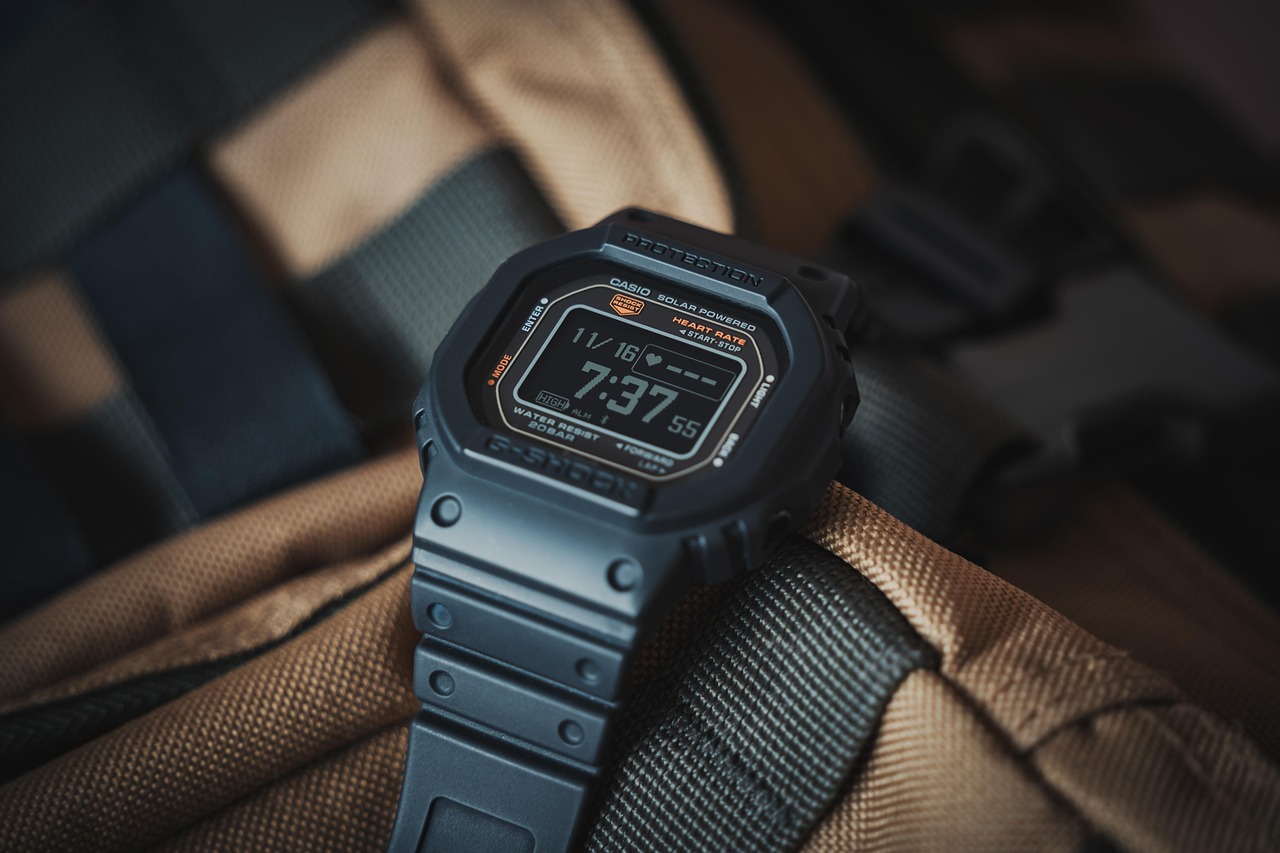
The easiest way to buy well in this category is to match the accessory to the bottleneck in your routine, then compare sellers on the details that affect day-to-day use. If your sessions are being cut short by discomfort or grip fatigue, look first at support-focused accessories. If the problem is storage, transport, or keeping kit organised between sessions, compare options aimed at portability and layout. If your training is consistent but awkward to track or time, tools that improve pacing and structure will usually make more sense than anything designed to add resistance.
When comparing retailers, price matters, but it is rarely the only useful difference. Delivery speed can be more important for small accessories than for larger kit, especially if you need a replacement quickly. Returns policy is worth checking closely for wearables and fit-dependent items, where sizing or feel can make the difference between something you use weekly and something that stays in a drawer. Product images and specification tables also deserve attention, particularly where dimensions, fastening style, or compatibility affect whether an accessory works with your existing setup.
Bundles can look cost-effective, but they are only useful if you need most of what is included. A single well-chosen accessory often does more for training practicality than a larger set filled with items you will not use. On the other hand, if you are building a home setup from scratch, buying several complementary accessories from one seller can simplify delivery and make returns easier if something does not fit your space or routine.
It also helps to think about frequency of use. Accessories you will handle every session justify closer comparison on comfort, durability claims, and ease of storage. Items used occasionally can be bought more pragmatically, with less emphasis on premium finishes and more on straightforward function. The strongest buying decision here is usually the least exciting one: pick the accessory that removes a regular point of friction, then buy from the retailer that gives you the clearest information and the least hassle if it is not quite right.
The key decision factor is simple: choose the accessory that fixes the biggest point of friction in your routine, whether that is storage, transport, setup time or recovery between sessions. Once that is clear, comparing options becomes much easier, because the right pick is the one that makes training more consistent and less awkward day to day.