In this guide
Key Takeaways
- Compare golf tops first for freedom of movement, because a polo or base layer that restricts the swing will undermine every other layer.
- Judge mid layers by warmth relative to bulk, sleeve construction, and whether the hem stays settled through a full swing.
- Assess golf clothing by garment role rather than season alone, because layering trade-offs are clearer when each piece has a defined job.
- Prioritise trousers that stay stable at the waist while allowing rotation through the hips and knees.
- Choose a waterproof jacket with enough room for a polo and a light mid layer, and use a gilet when you want core warmth without extra fabric at the elbows and forearms.
What to Look For
Golf Polos and Base Layers
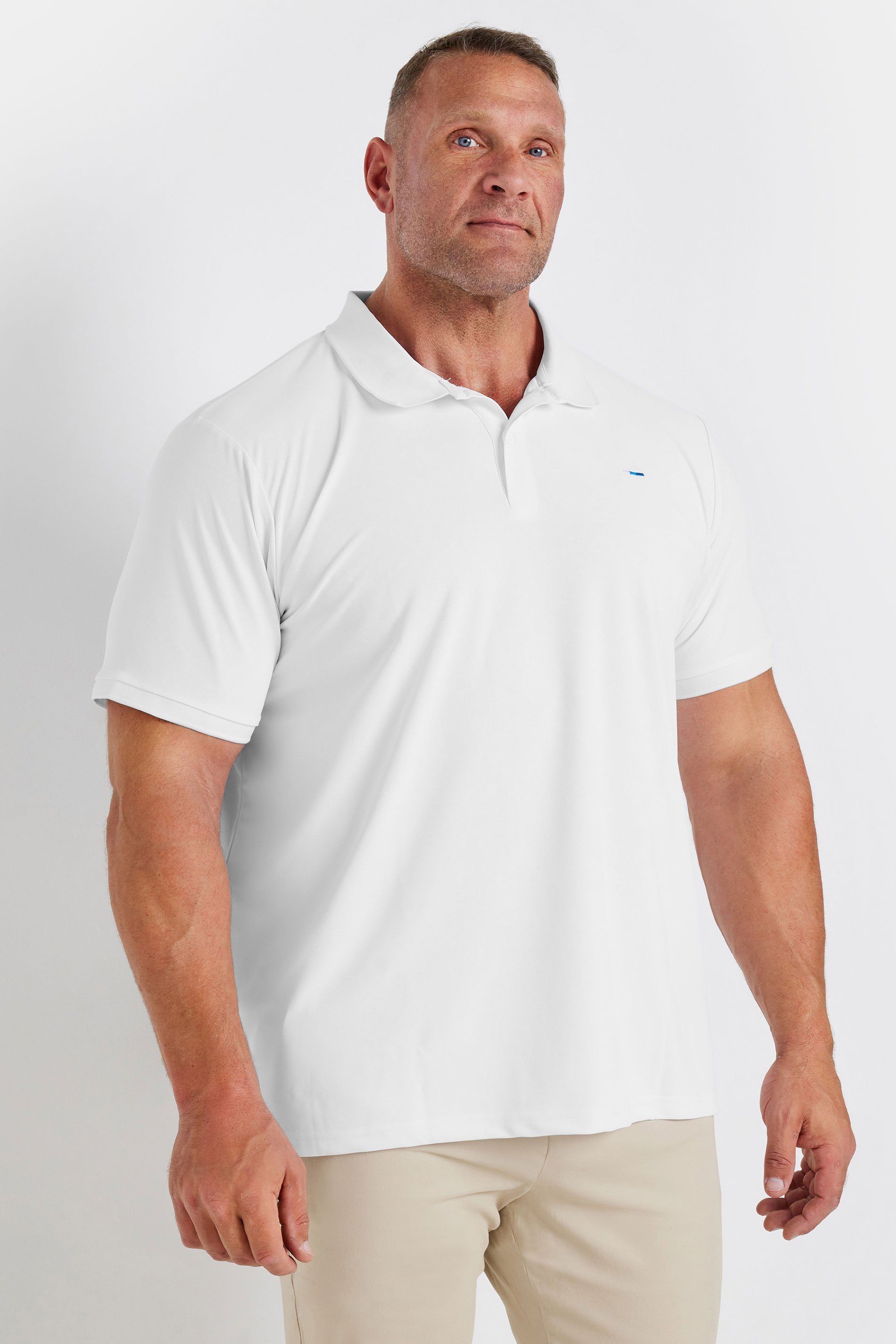
A golf top needs to manage movement before it manages style. Start with the shoulder seam and sleeve cut, because restriction usually shows up at the top of the backswing. Raglan sleeves or patterns with extra room across the upper back tend to interfere less with rotation than a stiff, close-cut shoulder. The hem also matters: a longer back hem is less likely to pull free during a swing, while a very short body can ride up when you address the ball.
Fabric choice determines how the garment behaves over 18 holes. Lightweight synthetic blends usually dry faster and hold less moisture than heavier cotton-rich options, which matters if you play in warm weather or carry your bag. In cooler conditions, a close-fitting base layer can add warmth without the bulk of a second polo, but it needs enough stretch that it does not tighten across the chest and arms. Check whether the fabric feels smooth under a mid layer, because friction between layers can make the swing feel less natural.
-
Check shoulder construction for unrestricted rotation through the backswing and follow-through.
-
Compare fabric weight by season, lighter for warm rounds, closer-fitting base layers for cold starts.
-
Look for stretch in the chest, back and sleeves, not just a slim cut.
-
Assess hem length if you prefer to keep shirts tucked throughout the round.
If you regularly play in changeable conditions, a fitted base layer plus a standard polo usually gives more temperature control than choosing a heavier polo alone.
Golf Mid Layers and Quarter-Zips
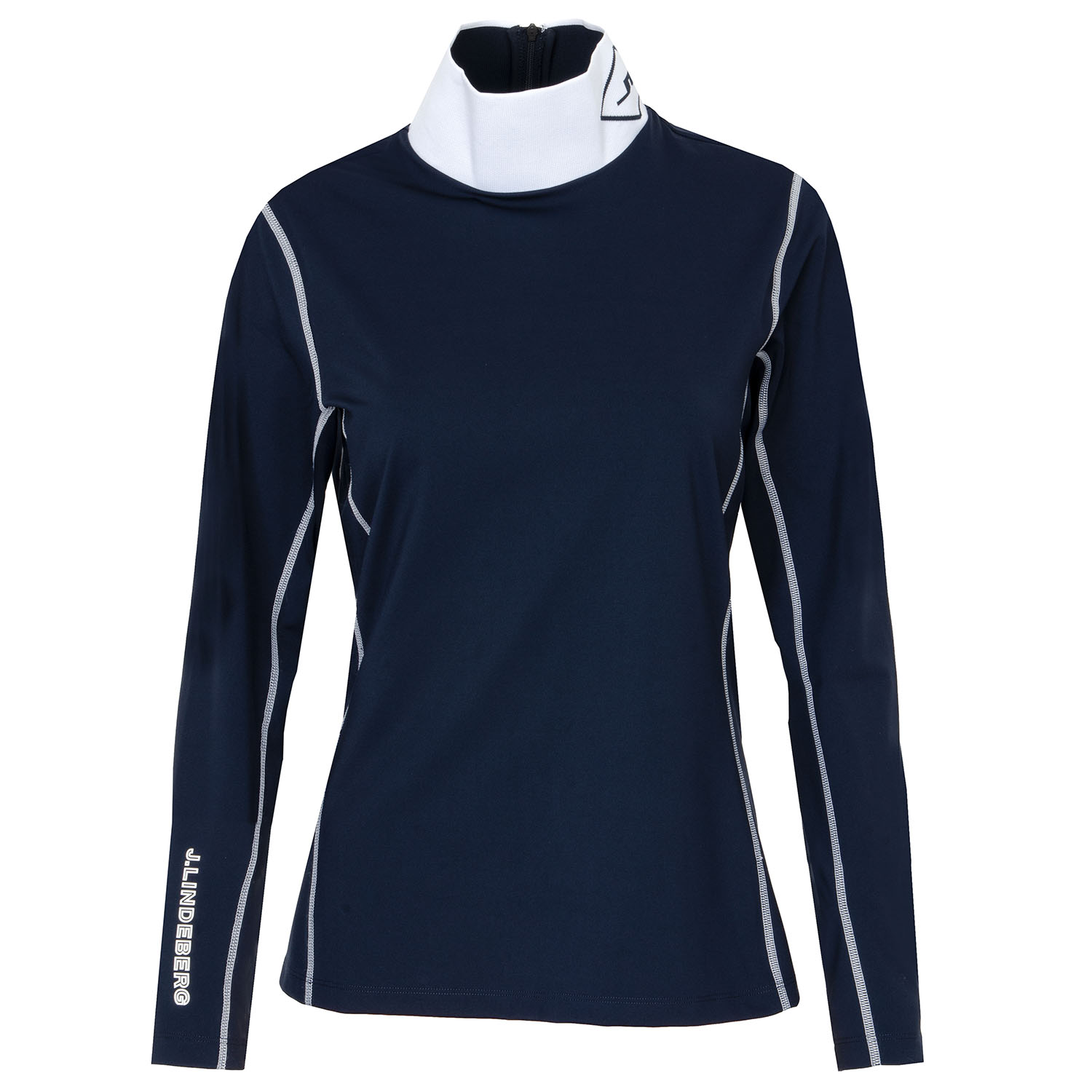
Mid layers are where warmth and swing freedom are most often in conflict. A bulky knit can feel comfortable on the first tee but become restrictive once you start making full swings. Quarter-zips, lightweight pullovers and technical knit mid layers are usually easier to regulate because you can vent heat without removing the garment. The key is to judge how much insulation you need when standing still versus how much bulk you can tolerate when rotating at speed.
Pay attention to where the garment holds structure. A mid layer that is too rigid through the torso can resist the turn, while one that is too loose can bunch under a waterproof shell. Cuffs and collar shape also affect layering. A low-profile cuff sits more neatly under an outer layer, and a zip collar gives more flexibility than a high, fixed neck when the temperature rises. If you expect to wear a mid layer under a jacket, test the combination rather than assessing each piece in isolation.
| Category | Best use | Main advantage | Main trade-off |
|---|---|---|---|
| Lightweight quarter-zip | Mild to cool conditions | Easy temperature regulation | Less warmth in wind |
| Technical knit mid layer | Cool, dry rounds | Good balance of warmth and stretch | Can feel bulky under a shell |
| Insulated golf top | Cold starts and winter play | More warmth with fewer layers | Often less breathable during active play |
-
Prioritise low-bulk warmth so the garment works during the swing, not just before it.
-
Use zip necks to fine-tune ventilation across changing temperatures.
-
Check how cuffs, collar and torso fit under a waterproof or windproof layer.
-
Compare insulation against breathability, especially if you walk the course.
A mid layer that feels warm in the shop can become too hot after a few holes, particularly if you walk and play in still conditions.
Golf Waterproof Jackets and Windproof Tops

Outer layers should be chosen by the weather you actually play in, not by the worst forecast you can imagine. A fully waterproof jacket is useful for persistent rain, but it usually adds more structure and less breathability than a windproof top. If most of your rounds are dry but breezy, a lighter wind-resistant layer may see more use and interfere less with tempo. For regular winter golf, seam construction, cuff closure and front zip protection become more important because water tends to enter at openings rather than through the main fabric first.
Freedom to swing in a jacket depends on cut as much as weather protection. Look for enough room to layer underneath without excess fabric flapping at impact. A dropped rear hem can help coverage in the address position, while articulated sleeves or stretch panels can reduce pulling across the lead shoulder. Pocket placement matters too: high hand pockets are easier to access over waterproof trousers, while bulky lower pockets can get in the way of alignment aids or gloves.
-
Match the outer layer to typical conditions, windproof for frequent breezes, waterproof for sustained rain.
-
Check sleeve mobility and upper-back room before focusing on weather claims alone.
-
Assess cuff, zip and hem design, because openings often determine practical weather protection.
-
Make sure the jacket fits over your usual mid layer without becoming loose through the body.
If you only buy one outer layer, choose the one that suits the conditions you play most often, not the one that covers the rarest extreme.
Golf Trousers, Shorts and Waterproof Overtrousers
Lower-body comfort affects balance more than many golfers expect. Trousers that bind at the hips or knees can limit how easily you set your stance and transfer weight. Stretch through the seat, thigh and knee is usually more useful than a very tapered lower leg, especially if you walk hilly courses. Waist construction matters as well, because a rigid waistband can dig in when you bend into posture, while a grippy inner waistband can help keep a shirt tucked.
Shorts work well in warm weather, but compare inseam and leg opening carefully if you want unrestricted movement without excess fabric. For wet conditions, overtrousers need enough room to pull on over shoes and regular trousers, yet not so much spare material that they twist during the swing. Side zips can make them easier to put on quickly when showers arrive. If you play through winter, the difference between shower protection and true all-round rain protection is worth checking before you buy.
-
Focus on stretch at the hips, seat and knees to preserve balance and weight transfer.
-
Compare waistband comfort in the address position, not just when standing upright.
-
Choose shorts by movement and coverage, not simply by a slimmer silhouette.
-
For overtrousers, check ease of putting on over shoes and compatibility with your usual trousers.
Waterproof overtrousers that are awkward to pull on tend to stay in the bag until it is too late, so access matters as much as weather protection.
Key Specifications to Compare
Golf Mid Layers
Mid layers sit between a base layer or polo and an outer shell, so the useful specifications are warmth relative to bulk, sleeve construction, and how the hem behaves through a full swing. Quarter-zips, lightweight knits, and technical pullovers can all look similar on a product grid, but they differ sharply in stretch content, fabric weight, and collar structure. A heavier brushed interior traps more air for cool starts, while a smoother, lighter face usually layers more cleanly under a waterproof jacket.
Pay attention to where stretch is built in. Some mid layers rely on the knit itself for give, while others add elastane or use panels through the shoulders and upper back. That matters because a restrictive chest or armhole shows up immediately at the top of the backswing. Zip length also changes usability. A deeper front zip vents heat more effectively on a climbing temperature curve, while a shorter zip tends to sit flatter under a shell.
| Mid layer type | Main strength | Main limitation | Best use case |
|---|---|---|---|
| Quarter-zip technical pullover | Easy temperature control, low bulk | Less wind protection on its own | Variable spring and autumn rounds |
| Brushed fleece mid layer | Higher warmth for weight | Can feel bulky under a jacket | Cold, dry mornings |
| Lightweight knit mid layer | Smart appearance, easy layering | Often less weather resistant | Clubhouse-to-course wear in mild conditions |
If you regularly wear a waterproof over the top, compare chest measurement and fabric weight together, because a warm mid layer that binds under a shell is less useful than a lighter one with better shoulder mobility.
-
Compare fabric weight or warmth description against intended season, not just garment type.
-
Check for stretch content or articulated shoulder construction if freedom through the swing is a priority.
-
Look at zip length and collar height for venting and neck coverage.
-
Assess hem shape and length, especially if you dislike tops riding up at address.
Golf Gilets
A gilet keeps the arms free while adding core warmth, which makes it one of the most swing-friendly outer layers in the category. The key specifications are insulation type, panel placement, and how much wind resistance the front fabric provides. A padded front can protect the chest on exposed fairways, but if the side panels are not stretch-led, the garment can still feel tight during rotation. The most useful designs balance insulation across the torso with more flexible material where the body twists.
Weight distribution matters more than many buyers expect. A heavily insulated gilet can feel comfortable standing still on the range but too warm once walking 18 holes. Look for whether insulation is concentrated at the front, spread evenly, or paired with lighter back panels. Pocket placement is also worth checking, because high-set pockets remain accessible when carrying a bag or wearing a waterproof over the top.
A gilet adds warmth without sleeve bulk, but it does not replace a windproof jacket in exposed or wet conditions, because the arms and often the side panels remain vulnerable to chill.
-
Compare insulated, hybrid, and softshell constructions rather than treating all gilets as equivalent.
-
Check whether side and back panels are stretch-focused to preserve rotation.
-
Look for wind-resistant front fabrics if you often play on open courses.
-
Consider pocket height and zip coverage if you layer over knitwear or under a shell.
Golf Trousers
For trousers, the important specifications are cut through the seat and thigh, fabric stretch, weather resistance, and cuff design. Golf-specific trousers need enough room for bending, walking, and repeated rotation without looking oversized. A slim cut can work well if the fabric has meaningful stretch, but a similar silhouette in a stiffer weave may pull across the knees or seat. Product descriptions that mention four-way stretch, articulated knees, or a gusseted construction usually signal better movement than cut alone.
Weather handling is the next separator. Some trousers are built mainly for mild conditions, with lighter fabrics and a cleaner drape, while others add water-repellent treatment, brushed interiors, or wind-resistant weaves for colder rounds. Waist construction also affects comfort over four to five hours. A partly elasticated waistband or grip detail can improve stability, especially if you carry rather than ride, but the overall rise still needs to suit your stance and preferred belt use.
-
Compare fit with stretch specification, because a tapered leg is only practical if the fabric moves with it.
-
Check for weather-focused details such as water-repellent finishes or brushed linings.
-
Look at waistband construction for comfort during walking and repeated bending.
-
Consider cuff width and leg opening if you want a clean fit over golf shoes.
Golf Waterproof Jackets
A waterproof jacket is judged less by whether it blocks rain, and more by how well it does so without restricting the swing or trapping heat. The key specifications are waterproof rating where stated, seam sealing, fabric noise, and cut through the shoulders. Two jackets can both be described as waterproof, yet differ significantly in breathability, packability, and how stiff they feel over a mid layer. For golf, a quieter, more flexible fabric often improves comfort as much as headline weather protection.
Look closely at adjustability. Cuffs, hem toggles, and collar shape all influence how well the jacket seals out wind and rain without interfering with grip or posture. Venting options are equally important for players who walk. A jacket that keeps rain out but cannot release heat will often be removed between showers, which limits its usefulness in unsettled weather.
-
Check whether seams are fully sealed, because this affects real wet-weather performance.
-
Compare waterproof and breathability figures where provided, rather than relying on broad weather claims.
-
Assess shoulder cut and fabric flexibility for swing comfort over other layers.
-
Look for cuff, hem, and collar adjustment to manage wind and rain more precisely.
-
Consider packability if the jacket will spend much of the round in the bag.


Advantages and Disadvantages
Golf clothing works as a system, and the trade-offs become clearer when you compare garments by role rather than by season alone. Trousers, shorts, waterproofs and gilets each solve a different problem on the course, but each also introduces compromises in mobility, temperature control or weather protection. The right choice depends on whether you need unrestricted rotation, protection during long periods of exposure, or clothing that can adapt across changing conditions in a single round.
Golf Trousers
Golf trousers offer the broadest coverage and usually the widest performance range for variable conditions. They protect the legs from wind, light chill and rougher ground contact, which matters on early starts, links courses and shoulder-season rounds. They also tend to present a cleaner option for clubs with stricter dress expectations, so they can be the more versatile purchase if you play across different venues.
The disadvantage is that full-length leg coverage adds material around the knees, seat and thighs, and that can affect comfort if the cut is too narrow or the fabric lacks enough stretch. Trousers can also run warm in midsummer, especially during long walks or humid conditions, and a heavier fabric may feel restrictive late in the round. The useful comparison is not simply smart versus casual, but how well the waistband, rise and leg shape stay comfortable through walking, crouching and a full shoulder turn.
-
Better coverage against wind, cool air and light ground contact
-
Usually more acceptable where dress expectations are stricter
-
Can feel warmer and less breathable in high summer
-
Poor cut or limited stretch is more noticeable over 18 holes than on the range
Check whether the trouser cut stays comfortable when you address the ball and bend to read putts, not just when standing upright.
Golf Shorts
Golf shorts reduce heat build-up and can make a noticeable difference in comfort during warm rounds, especially for players who walk the course. Less fabric around the knees improves airflow and removes one common source of bunching during the swing. For summer golf, that can make shorts the more practical option rather than simply the more casual one.
Their limitation is obvious in changeable weather. Shorts leave the lower leg exposed to wind, drizzle and cooler morning conditions, so they are less adaptable across a full day unless temperatures are consistently high. They may also be less suitable at clubs with more formal dress rules. When comparing them, the key question is whether you need maximum ventilation or broader weather coverage from a single garment.
-
Better airflow and less heat retention in warm conditions
-
Less fabric around the knees can improve freedom of movement
-
Reduced protection from wind, damp grass and cooler starts
-
Not always as versatile for mixed weather or stricter dress codes
Golf Gilets
Golf gilets are useful when the torso needs extra warmth but the arms need to stay completely free. That makes them a strong layering piece for players who dislike the sleeve bulk of some outerwear. They are particularly effective in cool, dry or lightly breezy conditions where a full jacket would be excessive but a mid layer alone is not enough.
The drawback is that a gilet solves only part of the weather problem. It leaves the arms exposed to cold air and rain, so it is less effective once conditions turn properly wet or temperatures drop further. It can also create overlap at the chest and waist when worn over thicker layers, which may feel bulky if the fit is not well judged. A gilet is therefore most useful as a targeted layer, not as a substitute for a waterproof or insulated jacket.
-
Adds core warmth without adding sleeve restriction
-
Useful for cool, dry and breezy rounds
-
Less protective than a jacket in rain or lower temperatures
-
Layering bulk can build around the chest and waist
A gilet often feels excellent on the first tee but less convincing if wind strengthens later, because arm exposure becomes more noticeable over time.
Golf Waterproof Jackets and Trousers
Waterproof outerwear is the clearest example of protection versus freedom to swing. A proper waterproof jacket and trouser set allows play to continue in sustained rain and stronger wind, and it also protects inner layers from becoming heavy and cold. For regular winter golf or exposed courses, that reliability matters more than the slight increase in bulk.
The compromise is that waterproof fabrics, seams and closures inevitably add structure. Even well-cut garments can feel less supple than standard golf layers, and some players notice more noise, more heat retention or more resistance across the shoulders and hips. Waterproof trousers are especially useful in persistent rain, but many golfers carry them rather than wear them from the start because they can feel excessive in passing showers. The right choice depends on whether you need packable emergency cover or clothing intended to be worn for most of the round.
| Category | Main advantage | Main disadvantage | Best suited to |
|---|---|---|---|
| Golf Trousers | Versatile coverage in mixed conditions | Can run warm and feel restrictive if cut poorly | General use across seasons |
| Golf Shorts | Cooler and lighter in warm weather | Limited weather protection | Hot, dry rounds |
| Golf Gilets | Core warmth with full arm freedom | Arms remain exposed | Cool, dry, breezy conditions |
| Golf Waterproof Jackets and Trousers | Reliable rain and wind protection | More bulk and less natural stretch feel | Wet, exposed or winter golf |
-
Strongest option for sustained rain and wind
-
Helps keep inner layers dry and functional
-
Usually less supple than standard golf clothing
-
Waterproof trousers are practical, but not always comfortable for all-round wear
-
Best judged by how they perform during rotation, walking and repeated layering changes
Our Top Picks
Golf Trousers
Golf trousers need to stay stable at the waist while allowing rotation through the hips and knees. The useful differences are in cut, fabric weight, and how much structure the cloth keeps after several hours of walking. A tapered leg can reduce excess fabric around the shoe, while a straighter cut often feels less restrictive if you prefer a fuller address position or wear thermal layers underneath.
Fabric composition matters because trousers are doing several jobs at once. Lightweight stretch fabrics usually feel easier through the backswing and can dry faster after light rain or morning dew. Heavier woven fabrics can look sharper and offer a little more protection in wind, but they may feel warmer in midsummer and can add resistance if the knee and seat are cut too close. Pocket layout also affects use on the course, especially if you carry a scorecard, glove, or rangefinder.
Check the rise as well as the waist size. A trouser that fits at the waist can still pull across the seat or slide down during the swing if the rise is too short for your stance.
-
Compare tapered and straight fits based on how much room you need through the thigh and knee
-
Lighter fabrics suit warm rounds and dry quickly after dew or drizzle
-
Heavier woven options can add structure and a smarter appearance, but may feel warmer
-
Pocket depth and placement affect comfort when walking and carrying small items
Golf Shorts
Golf shorts are most useful when they preserve the same freedom of movement as trousers without exposing too much of the thigh during setup and rotation. In practice, inseam length and leg opening are the first details to compare. A shorter cut can feel cooler and less restrictive, while a slightly longer cut often gives a neater line and avoids riding up when walking hilly courses.
The fabric should still be judged like performance clothing rather than casual summer wear. Stretch helps when crouching to read greens and when moving through the swing, while a smooth, lighter cloth is usually easier to wear in heat. Shorts with too much bulk in the waistband or pockets can become noticeable if you tuck in a polo and wear a belt, so the cleaner options often work better for players who want less distraction at address.
Some shorts feel comfortable in a standing fit check but tighten noticeably when you bend into posture. Test movement in a golf stance, not just while walking.
-
Inseam length changes both coverage and how much the hem moves during the swing
-
Stretch fabric helps with crouching, walking, and hip rotation
-
Lightweight cloth is generally more comfortable in sustained heat
-
Low-bulk waistbands and pockets sit better with a tucked polo and belt
Golf Waterproof Jackets
A golf waterproof jacket has to keep rain out without turning the swing into a restricted, noisy movement. The key variables are waterproof construction, packability, and sleeve design. A jacket that works for golf usually needs enough room across the shoulders for a full turn, but not so much spare fabric that it flaps in wind or interferes with the grip at impact.
Breathability matters almost as much as weather protection because many rounds involve alternating between walking, waiting, and swinging. A fully waterproof shell is the right choice for steady rain, while a lighter water-resistant layer may be enough for passing showers if you prioritise lower bulk. Cuffs, hem adjustment, and zip height also affect playability, especially when conditions change mid-round and you need to add or remove layers quickly.
| Type | Main strength | Main trade-off | Best use |
|---|---|---|---|
| Fully waterproof jacket | Reliable rain protection | More structure and bulk | Wet rounds and persistent rain |
| Water-resistant jacket | Lighter feel and easier packing | Less protection in prolonged rain | Changeable conditions |
| Short-sleeve waterproof top | More arm freedom | Less coverage | Mild, wet weather |
If you layer a mid layer underneath, judge the jacket in that full combination. A shell that feels fine over a polo can become restrictive once another layer is added.
-
Fully waterproof shells suit prolonged rain better than lighter shower layers
-
Shoulder room and sleeve construction affect swing freedom more than chest room alone
-
Breathability becomes important on long walks between shots
-
Packability matters if the jacket will spend most of the round in the bag
Golf Gilets
Golf gilets sit in a useful middle ground when you want core warmth without adding fabric around the arms. That makes them particularly relevant for players who dislike the feel of long sleeves during the swing. The main comparison points are insulation level, wind resistance, and how low the armholes sit. A gilet that cuts too high under the arm can still interfere with rotation, even though it has no sleeves.
Because a gilet leaves the forearms exposed, it works best in cool, dry, or breezy conditions rather than sustained rain. Lightweight padded versions add warmth for early starts and shoulder-season golf, while thinner softshell-style options are often better when you mainly want wind protection over a polo or light mid layer. Length also matters, because a hem that sits too low can bunch when you address the ball.
Extra insulation around the core can make a gilet feel warmer than expected during a walking round. For mild weather, lower-bulk options are often easier to regulate.
-
Sleeveless construction preserves arm freedom better than many jackets
-
Compare insulated and lighter wind-resistant styles by temperature, not by season label
-
Armhole shape still affects comfort through the swing
-
Shorter, cleaner hems usually interfere less at address
Golf Waterproof Trousers
Golf waterproof trousers are primarily about weather insurance, so the practical question is how quickly they go on over your regular trousers and how little they interfere once on. Full-length side zips or generous lower-leg openings can make a major difference if you need to pull them on beside the fairway. The cut must also leave enough room underneath without becoming baggy around the knee and ankle.
The trade-off is usually between protection and swing feel. More substantial waterproof fabrics can cope better with prolonged rain and wind, but they often add noise and stiffness. Lighter overtrousers are easier to carry and less intrusive in motion, yet may feel less robust in harsher weather. Waist adjustment, ankle closure, and the ease of access to trouser pockets underneath are the details that separate occasional emergency use from something you can wear for a full wet round.
If waterproof trousers are mainly a backup layer, prioritise fast on-off design and low packed size over a tailored fit.
-
Side zips and leg openings determine how easily they fit over golf shoes and trousers
-
Heavier waterproof fabrics usually protect better but can feel stiffer
-
Room underneath should allow layering without excess fabric at the ankle
-
Waist and ankle adjustment help keep the fit secure in wind and rain


Frequently Asked Questions
How should a golf waterproof jacket fit over other layers?
It should leave enough room for a polo and a light mid layer without pulling across the shoulders at the top of the backswing. If the jacket feels neat when standing still but tight when your lead arm crosses the chest, the cut is too restrictive for golf.
What matters more in a waterproof jacket, full waterproofing or stretch?
Both matter, but their importance changes with how often you play in wet conditions. Full waterproofing is more useful for regular winter golf, while stretch becomes more important if you want the jacket to stay on for the whole round rather than only during showers.
> **Tip:** Try judging a waterproof jacket in your golf posture, not just upright, because hem rise and shoulder tension often only show when you address the ball.
A golf waterproof jacket has to protect against rain without changing how the club moves around the body. The main pressure points are the shoulders, upper back and lead side seam, because these areas tighten first during rotation. A jacket that is technically waterproof but noisy, stiff or bulky often ends up being removed after a few holes, which limits its practical value.
Construction details also affect how usable a jacket feels over 18 holes. A longer back hem can help coverage in wet conditions, but only if it does not catch at the top of the trouser seat during the swing. Cuffs need to sit cleanly at the wrist so they do not interfere with grip position, especially in rain when extra fabric can feel heavier.
- Check shoulder and upper-back freedom with a full practice swing
- Leave room for a polo and light mid layer, not just a single top
- Compare cuff and hem behaviour in address position
- Prioritise waterproofing for frequent wet-weather play
- Stretch usually improves all-round wearability during a full round
### Golf Gilets
When is a golf gilet more useful than a jacket?
A gilet works well when you need core warmth but do not want extra fabric around the arms and shoulders. It is especially useful in cool, dry or breezy conditions where a full outer layer would add unnecessary bulk.
Can a gilet restrict a golf swing?
Yes, if the armholes are cut too high or the chest is too tight over a mid layer. Because the garment anchors around the torso, poor fit can still limit rotation even though the sleeves are absent.
A golf gilet fills a specific gap in a layering system. It adds insulation around the chest and back while leaving the arms free, which suits players who dislike the feel of sleeves during the swing. That makes it a practical option for transitional weather, early starts and rounds where temperatures rise through the day.
Fit is still critical, because the garment sits directly over the part of the body that rotates most. If the zip area bows outward or the side panels pull when you turn, the gilet is too close-fitting for active use. A well-judged gilet should sit flat over a polo or thin mid layer and stay stable without riding up through impact.
> **Worth knowing:** A gilet that feels comfortable over a T-shirt can become restrictive once worn over a collared top or knit mid layer.
- Best suited to cool, dry and breezy conditions
- Adds warmth without sleeve bulk
- Needs enough chest and side-panel room for rotation
- Armhole shape affects comfort more than many buyers expect
- Works best as part of a flexible layering system
### Golf Jumpers and Knitwear
Are golf jumpers warm enough without a jacket?
In dry, cool conditions they often are, particularly when layered over a polo or base layer. In wind or rain, warmth can drop quickly because knitwear usually protects less effectively than a shell layer.
What should I check in a golf jumper before buying?
Focus on how the sleeves, cuffs and hem behave during a swing. A jumper that drapes well when standing can still bunch at the wrists or lift at the waist once you rotate.
Golf jumpers and knitwear are often chosen for moderate conditions where you want warmth without the structure of a jacket. Their main advantage is comfort, but that only translates into better on-course use if the knit moves cleanly with the body. Excess fabric under the arms or through the midsection can become distracting even when the garment is not technically tight.
The other key point is layering compatibility. Knitwear needs to sit smoothly over a polo collar and under a weather layer if conditions change. If the neckline crowds the collar or the sleeves bind under a jacket, the garment becomes harder to use across different temperatures.
| Category | Main strength | Main limitation | Best conditions |
|---|---|---|---|
| Golf jumpers | Warmth with a soft feel | Less weather protection | Cool, dry rounds |
| Golf gilets | Core warmth with free arms | Limited arm weather coverage | Breezy, changeable weather |
| Golf waterproof jackets | Rain protection | Can add bulk or stiffness | Wet and windy rounds |
> **Tip:** If you regularly carry both a knit layer and a shell, make sure the jumper sleeves do not catch inside the jacket when you put it on quickly between shots.
- Suited to cool, dry weather and flexible layering
- Sleeve and hem movement matter as much as warmth
- Less protective in wind and rain than shell layers
- Should sit neatly over a polo collar
- Needs to layer cleanly under outerwear
### Golf Shorts
How should golf shorts fit for walking and swinging?
They should sit securely at the waist without needing constant adjustment, and allow free movement through the hips and thighs. If the fabric pulls across the front when you bend into posture, the cut is too tight for active play.
Are golf shorts practical for all-day rounds?
They can be, provided the weather is warm enough and the fit supports repeated walking, bending and rotation. The key difference from casual shorts is stability, because golf involves constant movement changes rather than just standing or strolling.
Golf shorts need to balance neat structure with enough room for movement. The most common fit problem is a pair that looks tidy when upright but becomes restrictive when walking uphill, crouching to read a putt or turning through the ball. That usually shows up first around the seat, front thigh and waistband.
Length also affects comfort more than many buyers expect. A longer cut can look smarter to some players, but if it catches at the knee during bending or feels heavy in warm weather, it may be less practical than a slightly shorter alternative. The useful test is whether the shorts stay in place and move cleanly through a full round, not just whether they look correct in the changing room.
> **Worth knowing:** Shorts that rely on a very close waist fit can become uncomfortable over four or five hours, especially in warm conditions.
- Waist stability matters for repeated movement
- Check room through hips, seat and thighs
- Test fit in golf posture, not only standing upright
- Length can affect bending and walking comfort
- Best judged over the full range of on-course movement
Ready to Buy?
Golf Gilets
A golf gilet is the simplest way to add core warmth without adding fabric at the elbows and forearms. That matters if you dislike the feeling of extra sleeve bulk during the takeaway or through impact. The useful comparison points are insulation type, panel placement, collar height, and whether the armholes sit close enough to avoid flapping without cutting into the shoulders.
The best use case for a gilet is changeable weather where a mid layer alone is not quite enough, but a full jacket feels excessive. Look closely at how the back panel is built, because a stiff or heavily insulated upper back can restrict scapular movement more than the sleeveless design suggests. A two-way front zip can also be useful if you want to reduce bunching at address when bending from the hips.
If you often start cold and finish warm, a gilet is usually easier to remove and stow mid-round than a long-sleeved insulated layer.
-
Prioritise core warmth without adding sleeve bulk
-
Check armhole shape for freedom through the shoulders
-
Compare insulation placement, not just overall weight
-
Look for a front zip that sits flat at address
Golf Shorts
Golf shorts are worth considering when heat management matters more than lower-leg coverage. The key differences are inseam length, fabric stretch, waistband construction, and how the shorts hang through the seat and thighs. A cut that looks tidy when standing can still bind when you squat to read a putt or rotate through the downswing.
Pay attention to pocket layout and fabric weight. Deep or bulky pockets can interfere with a glove, scorecard, or rangefinder, and heavier fabrics can feel stable early in the day but warm and slow-drying by the back nine. If you already know a trouser fit that works for your swing, shorts from the same cut philosophy often make the safest transition.
Shorts that sit too close on the thigh can feel restrictive even if the waistband fits correctly, especially during walking and repeated bending.
-
Compare inseam, thigh room, and stretch together
-
Check waistband stability so the fit stays consistent through movement
-
Lighter fabrics usually help more in heat than simply choosing a shorter cut
-
Pocket bulk affects comfort as much as appearance
Golf Socks
Socks are easy to overlook, but they influence comfort over every step of the round. The practical variables are cushioning level, cuff height, seam placement, and moisture management. A sock that slips at the heel or bunches under the forefoot can create friction long before the shoe itself becomes the problem.
Think about socks as part of the shoe fit, not an isolated purchase. Thick cushioning can improve comfort in a roomier shoe, but it can also make a close-fitting golf shoe feel cramped and alter heel hold. If you walk most rounds, the difference between a thin, smooth sock and a heavily cushioned one is worth testing rather than guessing.
| Product category | Best for | Key fit points | Main trade-off |
|---|---|---|---|
| Low-cut golf socks | Warm conditions and minimal visibility | Heel grip, forefoot smoothness | Less coverage around the ankle |
| Crew golf socks | Walking rounds and more coverage | Calf tension, cuff stability | Can feel warmer in hot weather |
| Cushioned golf socks | Players wanting more underfoot padding | Shoe volume, heel hold | May tighten shoe fit |
| Lightweight golf socks | Hot days and close-fitting shoes | Seam placement, moisture handling | Less padding underfoot |
Try new socks with the golf shoes you actually wear on course, because cushioning changes fit more than most buyers expect.
-
Match sock thickness to shoe volume
-
Check heel hold to prevent slipping and friction
-
Choose cuff height based on coverage and temperature
-
Test seam comfort around the toes before committing
Golf Caps and Winter Hats
Headwear changes comfort more than performance, but comfort affects concentration over four hours. In warm weather, a golf cap helps with glare management and keeps sweat away from the eyes. The details that matter are peak shape, adjustability, internal band construction, and how securely the cap stays in place in wind without creating pressure points.
For cold conditions, a winter hat needs to add warmth without interfering with hearing, peripheral awareness, or the collar of a jacket. Bulk around the ears and back of the head can become irritating when combined with a high-collar mid layer or waterproof shell. If you play through mixed seasons, it is usually more practical to treat summer and winter headwear as separate purchases rather than expecting one option to cover both well.
A cap that feels comfortable in still conditions can become distracting in wind if the fit relies on a loose adjustment strap.
-
For caps, compare peak shape, sweatband design, and wind security
-
For winter hats, check warmth against bulk around ears and collar
-
Fit should stay stable without pressure points
-
Seasonal headwear usually works better than one compromise option
Golf Belts
A golf belt only earns its place if it improves trouser stability without creating pressure during rotation and bending. The useful distinctions are strap flexibility, buckle bulk, adjustment range, and how the belt interacts with the waistband of your preferred trousers or shorts. A rigid belt can keep the waist tidy, but it can also dig in at address.
Belts matter most if your trousers tend to shift during walking or if you carry items in your pockets that change the balance of the waistband. A low-profile buckle is often easier to live with than a large one, especially if you wear layered tops that sit over the waist. If your trousers already fit securely without a belt, adding one should solve a specific problem rather than simply complete the look.
Check belt comfort while bending into posture, not just while standing upright, because buckle pressure often shows up only at address.
-
Use a belt to stabilise fit, not to compensate for the wrong trouser size
-
Compare buckle bulk and strap flexibility
-
Make sure adjustment increments are precise enough for all-day comfort
-
Test comfort in golf posture as well as when walking
The key decision is how each piece works through the swing once it is layered with the garments you actually wear on the course. Prioritise freedom across the shoulders, stable fit at the waist, and weather protection that adds warmth or coverage without adding bulk where it restricts rotation.