Key Takeaways
- Check insulation, lining and upper coverage to judge how warm a slipper will feel in everyday use.
- Look at sole structure, footbed shape and heel stability if you need more support around the house.
- Match the slipper style to how you will use it, especially for quick outdoor steps, long indoor wear or both.
- Compare fit, fastening and ease of slipping on to avoid pairs that feel awkward or insecure.
- Use a simple checklist of warmth, support, practicality and fit to narrow options with confidence.
Introduction
A good pair of slippers does more than keep your feet warm. The right choice can make early mornings more comfortable, reduce fatigue when you are standing around the house, and offer useful support on hard indoor floors. The wrong pair can feel too hot, too loose, too flat underfoot, or wear out quickly if you use them every day.
Choosing well starts with understanding how you will actually use them. That matters because slippers designed for quick trips from bedroom to bathroom are not always suitable for long periods of wear, and heavily lined styles that feel cosy in winter may be impractical in a warm home or for people whose feet overheat easily. Support also varies more than many shoppers expect. Some slippers have very little structure, while others are built to give a more stable feel through the sole and heel.
A practical way to narrow the options is to work through three questions in order:
-
How much warmth do you need?
Think about your home, the season, and whether your feet tend to feel cold or hot. Warmth comes from the overall design as much as the lining, so it helps to judge slippers by how enclosed they are and how much coverage they give. -
What level of support suits your routine?
If you only wear slippers briefly, a soft and simple style may be enough. If you spend hours in them while working from home, cooking, or moving between rooms, you may want a pair that feels more secure and cushioned underfoot. -
Where and how often will you wear them?
Daily use puts more demand on fit, sole durability, and ease of getting them on and off. If you regularly step into the garden, hallway, or communal areas, that may also affect the type of sole and overall construction that makes sense.
The rest of this guide breaks those points down in detail, so you can compare styles with a clearer idea of what matters for your feet, your home, and your everyday routine.
Step-by-Step Guide
-
Start with where and when you will wear them. A pair used only for early mornings on carpet has different demands from one worn all day on hard floors. If you tend to move between kitchen, hallway and garden door, think about grip, sole thickness and how easy they are to slip on and off. If they are mainly for evenings on the sofa, softness and warmth may matter more than structure.
-
Match the level of warmth to your home and your feet. People often buy the warmest option available, then find it uncomfortable after an hour. If your home runs warm, or your feet overheat easily, look for lighter linings and more breathable uppers. If you feel the cold, a fuller lining and a more enclosed shape will usually make more sense than an open-back style.
-
Decide how much support you actually need. Slippers vary from soft, flexible styles to more structured pairs with firmer soles and shaped footbeds. If you spend long periods standing at home, have hard flooring, or want something closer to a casual indoor shoe, more support is usually worth it. If your priority is a relaxed feel for short wear, a softer construction may suit you better.
-
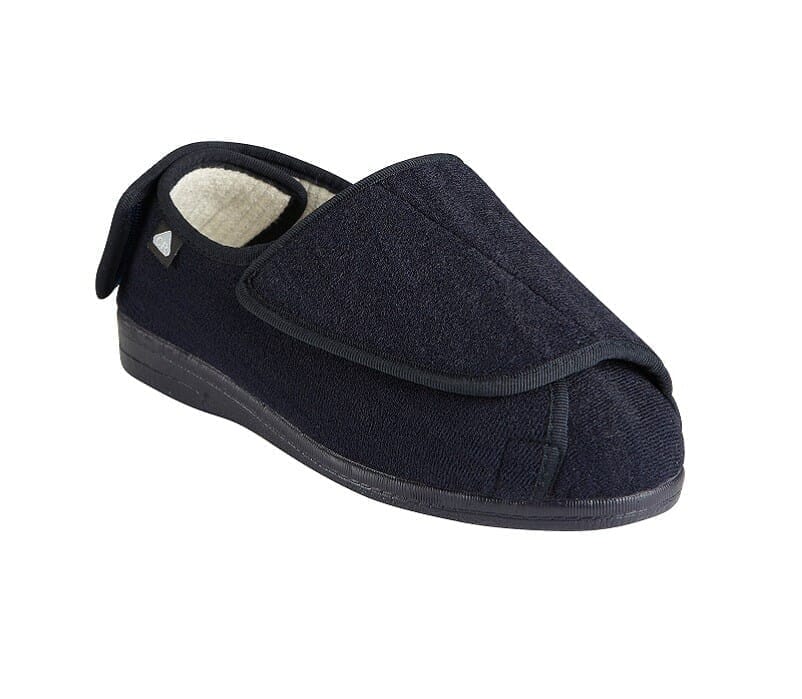
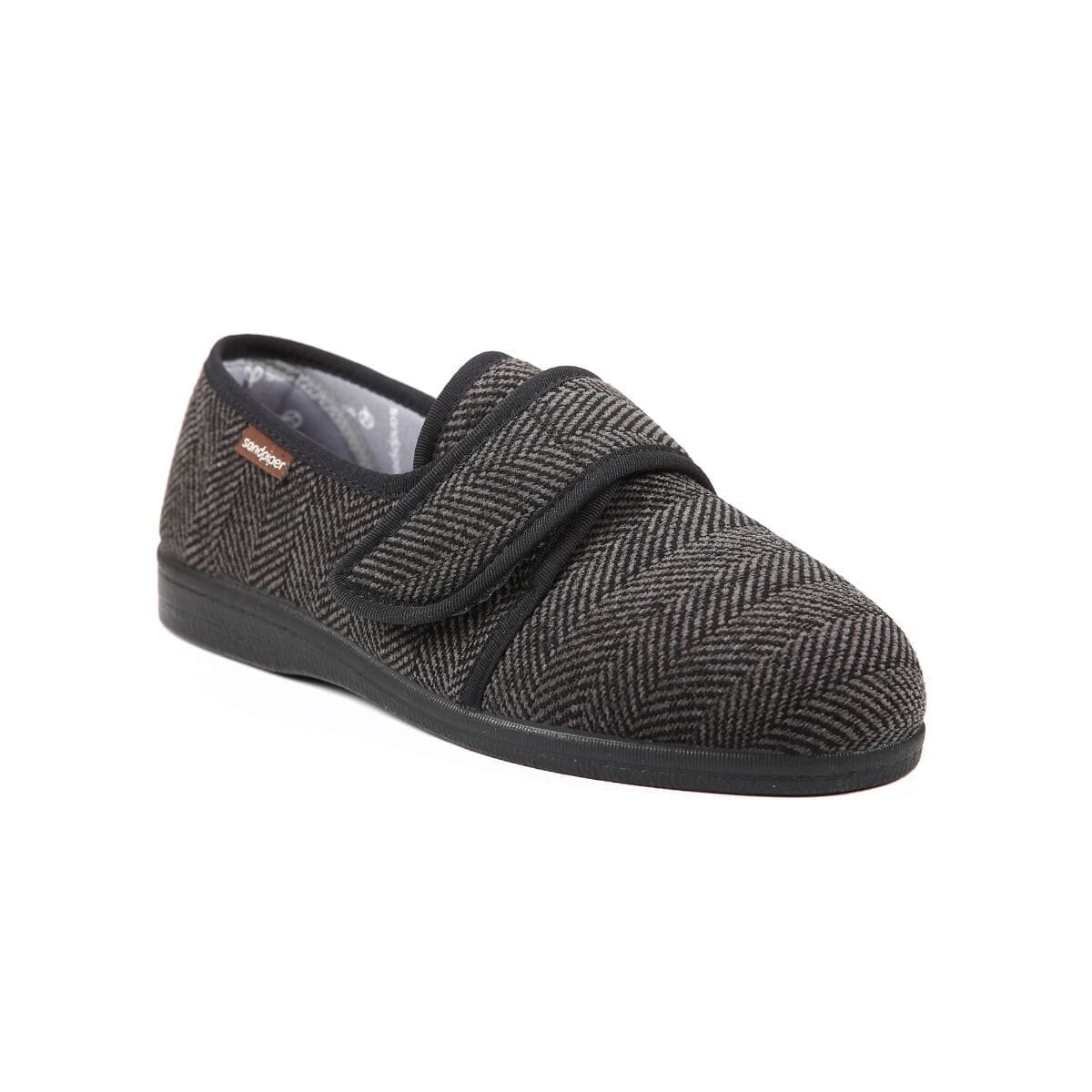
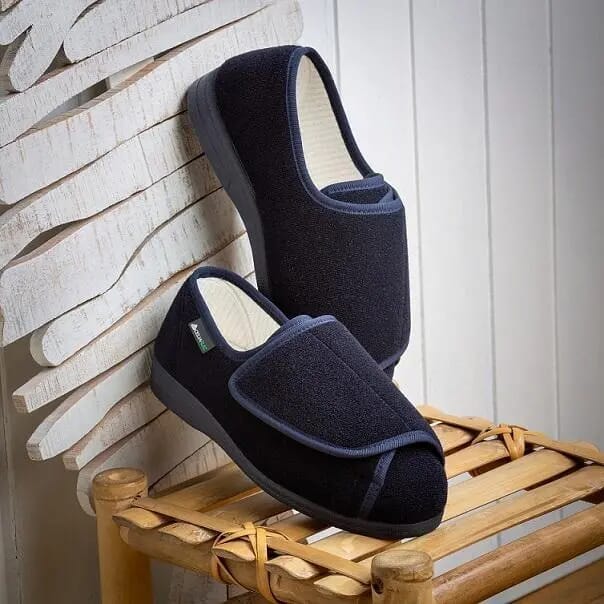
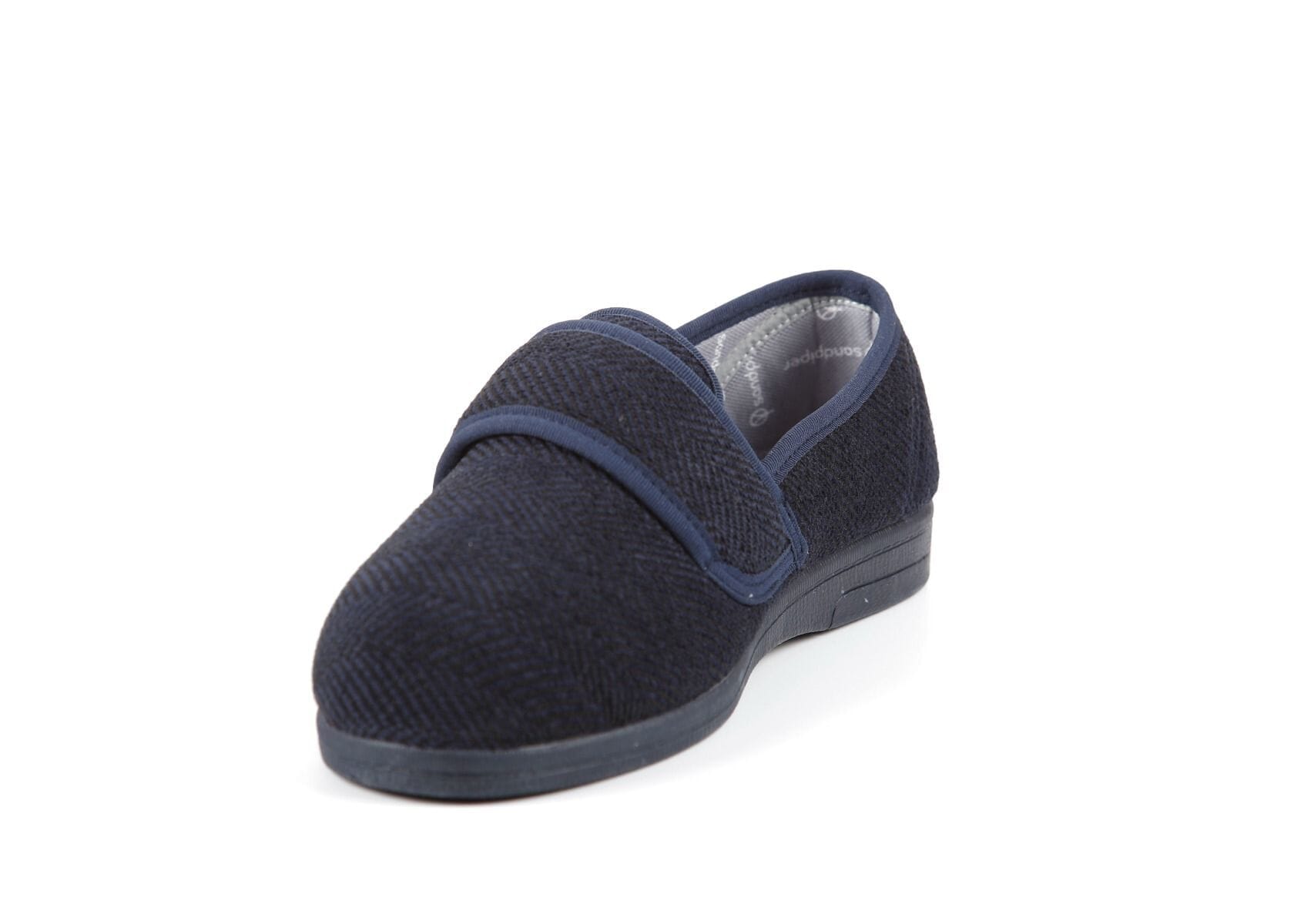
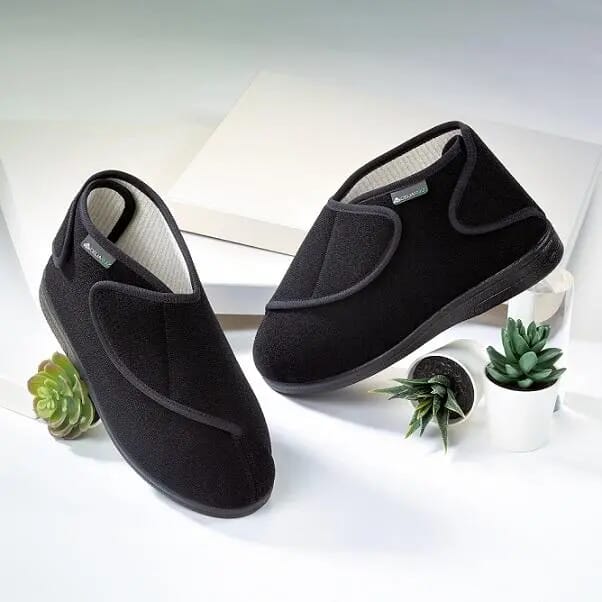
Choose the shape carefully. Backless slippers are convenient, but they can feel less secure and may encourage you to grip with your toes as you walk. Full-back styles tend to stay on better and often feel more stable. Bootie styles can add warmth around the ankle, but they may feel too warm for year-round use. The right choice depends on whether convenience, warmth or stability matters most to you.
-
Check the sole before anything else. A thin sole may feel cosy at first, but it can flatten quickly and offer little protection from cold floors. Look for enough cushioning to separate your foot from the ground, plus a tread pattern that gives reliable grip on smooth indoor surfaces.
-
Get the fit right. Slippers should feel comfortable from the start, with enough room for your toes but not so much space that your foot slides around. If you plan to wear socks, factor that in. A snug but not tight fit usually works better than sizing up too far.
-
Finally, think about maintenance and lifespan. If you will wear them daily, easy-care materials and a construction that holds its shape can make a noticeable difference over time.
What You Will Need
Before you compare styles, gather a few basics so you can judge warmth, support and day-to-day practicality properly.
-
Your usual shoe size, plus any fit notes
Start with the size you wear most often in everyday shoes. Also note whether you usually need a wide fit, have a high instep, or find that closed slippers feel tight across the toes. Slippers that are too snug can feel warm at first but become uncomfortable quickly, while an overly loose pair can reduce support and make walking less stable. -
The socks you actually wear at home
If you normally wear thick bed socks or thermal socks indoors, use them when checking fit. If you go barefoot, assess slippers that way instead. This makes a noticeable difference to how much room you need and how warm the slipper will feel in regular use. -
A clear idea of where you will wear them
Think about the surfaces in your home and how long you tend to keep slippers on. Carpeted rooms, tiled kitchens and quick trips to the bin all place different demands on grip, sole thickness and structure. Knowing whether you want something mainly for lounging, light household tasks or all-day wear will narrow your options quickly. -
A shortlist of the features that matter most
Write down your priorities in order. For example: insulation, arch support, firm sole, easy on-and-off design, washable materials, or secure fit around the heel. This helps you avoid being distracted by style details that do not improve comfort or usefulness. -
A few minutes to inspect construction properly
When comparing pairs, look beyond the lining. Check the sole flexibility, the amount of underfoot cushioning, the shape through the heel and arch area, and whether the upper holds the foot securely. For everyday use, these details often matter more than softness alone. -
Any personal foot considerations
If you have plantar fasciitis, bunions, swelling, cold feet, or simply need more support than average, keep that front of mind. Slippers vary widely in structure, and your comfort needs should guide the choice more than appearance. -
A realistic budget
Set a spending range before you start. Paying more can make sense if you need stronger support or plan to wear slippers for long periods each day, but a clear budget will help you compare like with like.
Troubleshooting
1. **My slippers feel warm at first, then too hot**?
This usually means the lining or upper is trapping more heat than you need for your home. Start by checking when the overheating happens. If it is only after an hour or two, you may need a lighter pair for daytime use and a warmer pair for early mornings. If your feet run hot all the time, look for a less heavily lined style and avoid sizing down, as a tight fit can make slippers feel warmer.
2. **They slip off my heel**
Heel movement often comes down to shape and fit rather than size alone. Work through these checks:
1. Try them on standing up, not just sitting down.
2. Walk on a hard floor for a few minutes.
3. Notice whether your heel lifts slightly or comes fully away from the slipper.
A small amount of movement can be normal in open-back styles, but repeated slipping means the design is not secure enough for everyday wear. In that case, switch to a closed-back or more structured shape.
3. **They feel supportive in the shop but not at home**
Short try-ons can hide problems. If your arches, heels or ankles feel tired after wearing slippers indoors, look at the sole first. A very soft sole can feel pleasant initially but may not give enough support over time. If you spend long periods standing at home, choose a pair with a firmer, more stable base rather than one that only feels cushioned.
4. **The sole feels slippery on my floors**
Test slippers on the surfaces you actually have at home. A sole that feels fine on carpet may not feel secure on tile, wood or laminate. If you notice sliding, stop using them on those surfaces. Prioritise a sole designed for indoor stability, especially if you carry laundry, use stairs or move quickly between rooms.
5. **My toes feel cramped, but the next size up feels loose**
Focus on the shape of the front rather than just the length. If your toes are pressed together, the slipper may simply be too narrow or too tapered. Going up a size can create heel slip without solving the real issue. Try a roomier shape that lets your toes rest naturally.
6. **They wear out faster than expected**
Check whether you are using indoor slippers for quick trips outside. Repeated outdoor use can shorten the life of the sole and affect support. If you regularly step into the garden, hallway or bin area, choose a pair suited to that level of daily use.

Get Started
Use this quick checklist to narrow your options and make a confident choice.
-
Decide where you will wear them most
Start with the setting, not the style. If your slippers are mainly for cold mornings indoors, warmth and comfort will matter most. If you move around the house all day, support and grip become more important. If you regularly step into the garden, hallway or bin area, look more closely at sole durability and how easy they are to slip on and off. -
Prioritise the feature that solves your main problem
Most people are trying to fix one issue first: cold feet, aching arches, sore heels, sweaty feet, or worn-out soles. Be honest about what bothers you most in your current pair. This helps you avoid being distracted by appearance alone and keeps your comparison focused. -
Check fit before anything else
Even a well-made slipper will disappoint if the fit is wrong. A pair that is too loose can feel unstable, while one that is too tight may reduce warmth and comfort. If you are between sizes, have wide feet, or plan to wear thick socks, factor that in before you buy. Pay attention to how secure the heel feels and whether your toes have enough room without sliding forward. -
Compare materials and construction with everyday use in mind
Think about how much heat you want, how much support you need, and how often you will wear them. Soft linings may feel cosy, but they should also suit your home temperature and your tendency to run warm or cold. Structured soles and footbeds can help if you spend long periods standing on hard floors. -
Rule out pairs that will be awkward to maintain
If you want an everyday pair, cleaning and drying time matter. A slipper that looks suitable but is difficult to keep fresh may end up unused. Check care guidance early rather than as an afterthought. -
Shortlist two or three pairs, then compare them side by side
Use the same criteria for each option: warmth, support, fit, sole type, ease of cleaning, and how you actually live at home. A short comparison usually makes the right choice clearer than reading more product descriptions.
A practical pair should suit your routine, your floors and your comfort needs, not just look appealing on the shelf.
The most important factor is how the slippers feel underfoot during regular use, because warmth matters less if the fit is unstable or the sole offers too little support. Focus on the balance between insulation, structure and the way you actually wear them at home, and the right pair becomes much easier to identify.