In this guide
Key Takeaways
- Mobility aids differ mainly by support level, from light help on short walks to fuller assistance with balance, fatigue or outdoor travel.
- The most useful way to compare options is by where you will use them, how often you need them, and how much support they provide.
- Balance support, stamina support and full mobility support solve different problems, so side-by-side comparison is essential.
- A strong point of this category is that it can match specific day-to-day needs rather than forcing a one-size-fits-all solution.
- Choosing well depends first on your typical routes, surfaces and distances, not just on the product type.
Overview
Mobility aids cover a wide range of needs, from light support on short walks to more substantial help with balance, fatigue or getting around outside the home. The right choice depends less on the label and more on what part of daily life feels difficult. For some people, that is standing up safely or moving around the house. For others, it is managing longer distances, uneven pavements or travel days that involve queues and airports.
At the lighter end, walking sticks and canes suit people who need occasional support, particularly for mild balance issues or weakness on one side. They are easy to carry and store, but they offer limited help if you need to take significant weight through your arms. Crutches provide more support and can reduce pressure on one leg, though they are more demanding on the hands, wrists and shoulders.
Walkers and rollators are a step up in stability. A standard walker tends to suit indoor use or users who prioritise maximum support over speed. A rollator, with wheels and often a seat, is usually better for people who can walk but need help with balance and rest breaks on longer outings. The trade-off is size. More support often means more bulk, which matters if you need to lift it into a car boot or navigate tight hallways.
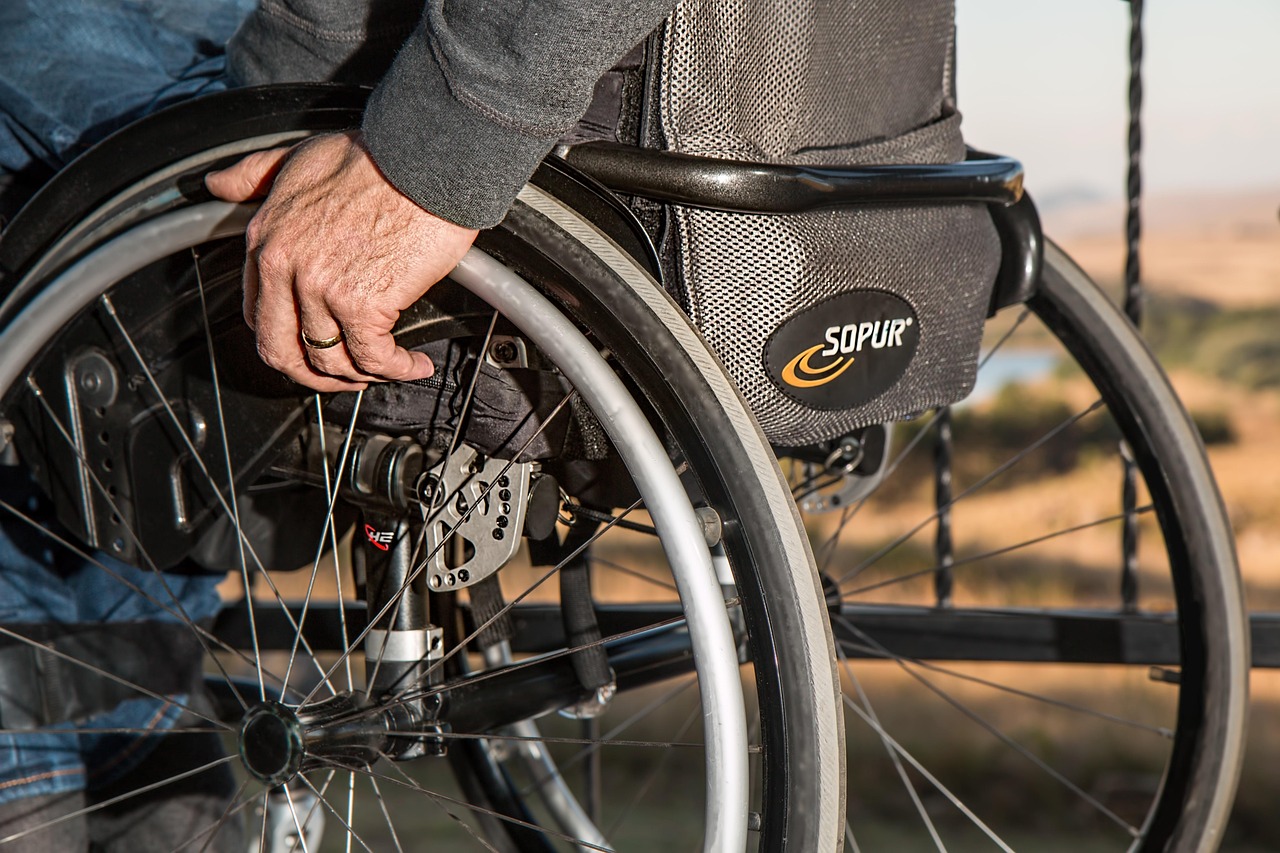
For users whose main challenge is distance or fatigue rather than standing balance, wheelchairs and mobility scooters can make more sense. A wheelchair may be the more practical option for travel, appointments and places where walking becomes too tiring. A mobility scooter is often better for outdoor independence over longer distances, but it needs more storage space and may be less convenient in compact indoor settings.
Daily living aids also sit within this category, especially where small changes reduce strain and improve confidence at home. Grab rails, raised seats and transfer aids can be just as important as larger equipment if the goal is safer, less tiring movement through everyday routines. In most cases, the most useful comparison is not between brands, but between how much support, portability and independence each type of aid actually provides.
Top Products
This category splits quite neatly by how much support you need, how often you need it, and where you expect to use it.
For light, occasional help with balance, a walking stick is usually the least bulky option. It suits short trips, everyday errands and users who want a simple aid that is easy to store by the door or carry in the car. The trade-off is that it offers limited support compared with broader-based aids, so it is better for mild instability than for significant weight-bearing.
If steadiness matters more than portability, a walker or rollator gives a more secure feel. These are often the better fit for people who want support over longer indoor routes, regular outdoor walks or shopping trips. Compared with a stick, they spread weight more evenly and can reduce the effort of maintaining balance. In return, they take up more space, can be less convenient on stairs, and may be less practical in narrow hallways or crowded public transport.
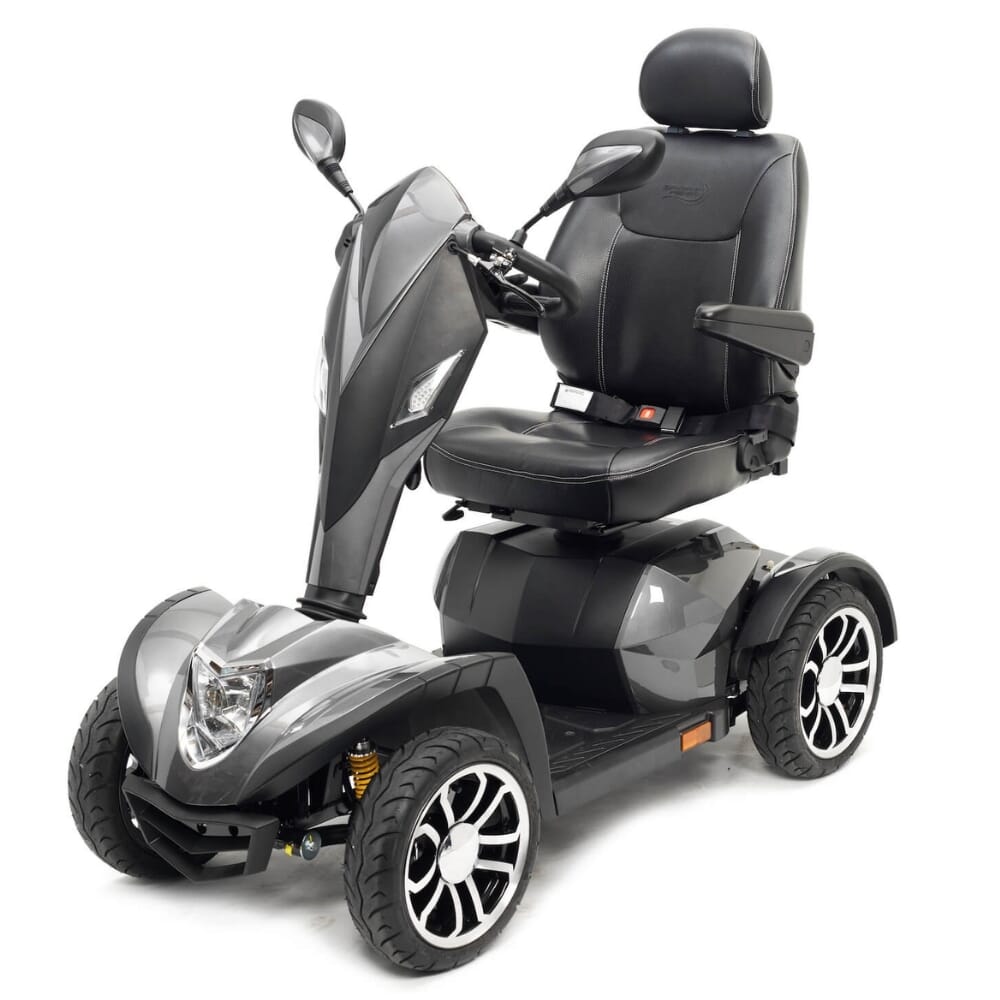
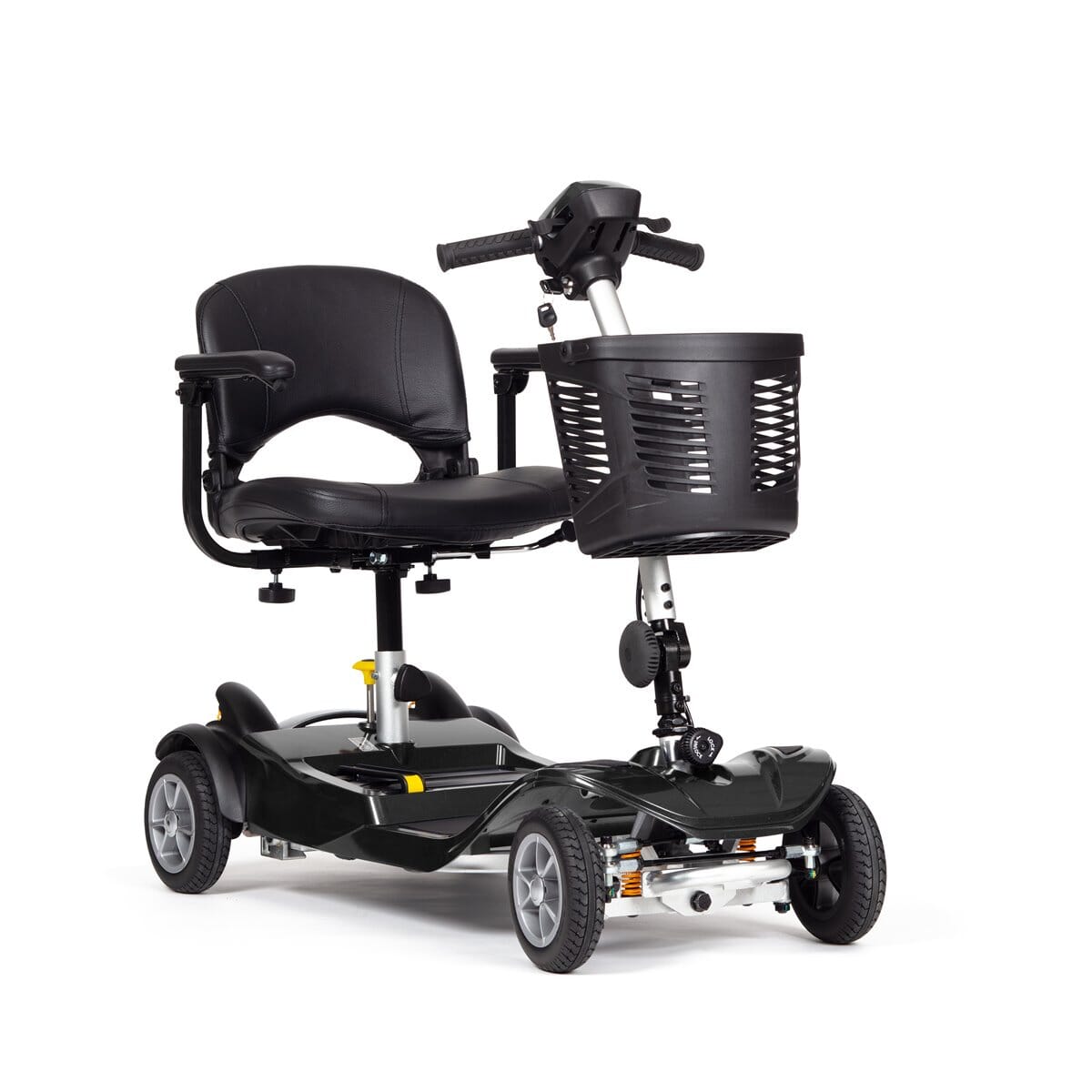
For users whose main issue is fatigue rather than balance alone, a mobility scooter can make a much bigger difference. This type of aid is aimed at covering greater distances with less physical strain, particularly outdoors. It suits people who want to stay active for appointments, shopping or social visits without using all their energy on the journey itself. The key comparison here is independence versus size and transportability, as scooters generally need more storage space and more planning than walking aids.
Wheelchairs sit slightly differently in the mix because they can serve either occasional or more regular needs, depending on the user. They are often the practical choice when walking distances are very limited or when support from a companion is available. Compared with scooters, they can be easier to transport in some cases, but they do rely more on upper body effort or assistance unless powered.
Smaller daily-living aids also matter. Grab rails, transfer supports and similar home-focused products do not replace walking aids, but they can make standing, sitting and moving around the house safer. For many people, the most effective setup is not one product, but a combination that matches different parts of the day.

Side-by-Side Comparison
A quick comparison makes the trade-offs much clearer, especially if you are choosing between support for balance, support for stamina, or support for full mobility.
| Type | Best for | Main advantages | Main compromises |
|---|---|---|---|
| Walking stick or cane | Mild balance support, short walks, occasional use | Light, simple to carry, easy to use in tight indoor spaces | Limited support, not ideal if you need weight-bearing help on both sides |
| Crutches | Short-term injury support or more significant weight relief through the arms | Better offloading than a stick, useful when one leg needs reduced pressure | More tiring over longer distances, needs good upper-body strength and coordination |
| Walking frame or rollator | Day-to-day balance support, indoor use, steadier outdoor walking | More stable than a stick, can help with confidence and pacing | Bulkier to store and transport, less practical on stairs or in very narrow spaces |
| Manual wheelchair | Longer outings, reduced walking tolerance, travel with assistance or self-propelling | Conserves energy, suitable when walking distance is limited | Heavier and less convenient in inaccessible spaces, may require assistance depending on design |
| Mobility scooter | Outdoor journeys, shopping, covering longer distances with minimal walking | Reduces fatigue over distance, useful for regular trips outside the home | Needs storage and charging space, less suited to cramped interiors or public transport changes |
The most important distinction is whether you need help staying steady, help taking weight off a joint or limb, or help replacing walking for part of the day. A stick is usually the lightest-touch option. It suits someone who is broadly mobile but wants a bit more reassurance on uneven pavements or during shorter daily tasks.
If you need more structured support, frames and rollators offer a wider base and usually feel more secure. They tend to suit people whose main issue is balance or confidence rather than a complete inability to walk.
Wheelchairs and scooters shift the conversation from support to energy management. If walking is possible but tiring, these can make longer days out realistic rather than exhausting. A wheelchair often makes more sense where transport flexibility matters. A scooter is often the stronger choice for regular outdoor distances, provided you have the space to keep and charge it.
What We Like and What We Do Not
The main advantage of this category is how precisely it can match the level of support you actually need. A simple walking stick or crutch keeps things light, easy to carry and easy to store, which makes sense if your priority is occasional balance support rather than weight-bearing help. Step up to a walker or rollator, and you gain a more stable base and often a place to rest your hands properly, but you also take on a bulkier frame that is less convenient in tight hallways, small cafés or public transport.
For day-to-day independence, that trade-off is often worth it. Rollators in particular suit people who can walk but tire quickly, because they support stamina as much as stability. A wheelchair or mobility scooter changes the equation again. These are less about improving your walking and more about reducing the need to walk at all over longer distances. That can make outings far more realistic, especially outdoors, but it also means thinking more carefully about storage, transport, charging in some cases, and access around the home.
Travel is where differences become most obvious. Lightweight, foldable aids are easier to lift into a car boot or take on a train, while heavier-duty options tend to feel more reassuring on uneven pavements or for longer use. If you mostly need support indoors, manoeuvrability matters more than large wheels or a more substantial frame. If your routes include kerbs, rougher ground or all-day use, a compact design can start to feel like a compromise.
There are drawbacks across the board. The more support an aid provides, the less discreet and portable it usually becomes. Simpler aids are easier to live with, but they offer less help if your needs change or vary through the day. More substantial options can reduce fatigue and improve confidence, but they also ask more of your space, your transport arrangements and sometimes the people helping you.
That is why the right choice is rarely about picking the most supportive option available. It is about choosing the level of help that fits your routine without making everyday tasks harder in other ways.
Where to Buy
Buying the right mobility aid starts with where and how you plan to use it. For occasional support around shops, on pavements or during short outings, general mobility retailers often give you the broadest choice of walking sticks, crutches and rollators, with enough variation in weight, folding design and handle style to compare practical differences. If storage space matters, or you need something that fits easily into a car boot, it is worth filtering quickly for foldable or lighter options rather than browsing by category alone.
For more regular daily use, specialist mobility suppliers are usually the better place to compare details properly. This matters most when you are deciding between a walking frame for maximum stability indoors, a rollator for longer distances with rest stops, or a wheelchair for conserving energy rather than pushing through fatigue. In these cases, product dimensions, seat height, overall width and turning space are not minor specifications, they determine whether the aid works in your hallway, on public transport or through standard doorways.
Travel use needs a slightly different approach. A compact scooter or folding wheelchair may look similar across listings, but portability can mean very different things in practice. Some models are easier to lift into a car, while others are better if you need support for a full day out once you arrive. If you are comparing travel-focused options, check transport weight, folded size and whether assembly or disassembly is required before use.
Price comparison is useful, but after-sales support can matter just as much for larger purchases. For scooters, powered chairs and higher-cost mobility equipment, look closely at warranty terms, spare parts availability and delivery arrangements. For simpler aids such as canes or basic frames, speed of delivery and clear sizing information are often more useful than a long list of extras.
If you are still narrowing it down, start with the level of support you need most often, not the most demanding situation you face once in a while. That usually leads to a choice you will use consistently, rather than one that feels too bulky, too limited or too inconvenient for everyday life.
The key decision is matching the level of support to the way you actually move day to day, whether that means occasional help with balance, extra support for longer distances, or a more substantial aid for regular outings. If you focus first on where you will use it most and how much assistance you need, the trade-offs between portability, stability and comfort become much easier to judge.