
In this guide
Key Takeaways
- Fit, fabric and all-day behaviour matter more in daily wear than styling alone when comparing socks.
- The comparison table is most useful as a guide to trade-offs, not as a simple ranking of one pair over another.
- Fibre composition, knit structure, cuff design, sizing format and care requirements are the specifications that most clearly separate the options.
- Cotton-rich socks are often the most straightforward starting point for everyday use, but they are not automatically the right choice for every situation.
- There is no single right sock, only a better match based on how and where it will be worn.
Overview
Sock choice tends to come down to three variables that affect day-to-day wear more than styling alone: fit, fabric and how the pair behaves over a full day. Small differences in fibre content, cuff tension and thickness can change whether a sock stays in place, traps heat or creates pressure around the ankle. For comparison shoppers, those details matter more than broad labels such as casual, sports or dress.
Fit is usually the first point of separation. A close, elasticated fit can reduce slipping inside shoes and limit bunching at the heel, whereas a looser construction may feel less restrictive but can shift more during walking. By comparison, socks with more stretch typically adapt better across overlapping size ranges, yet that same stretch can feel tighter on wider calves or broader feet. Length also changes the wearing experience. Ankle and trainer styles minimise coverage and heat build-up, in contrast to crew or knee-high options that provide more coverage but can feel warmer and more compressive.
Fabric is where the clearest trade-offs appear. Cotton-rich socks are often chosen for softness and familiar everyday comfort, whereas synthetic blends are commonly used where durability, shape retention or faster drying are priorities. Wool blends, by comparison, are often considered for temperature management in cooler conditions, but they can feel bulkier depending on knit and weight. Blended constructions sit in the middle, balancing softness, stretch and resilience rather than maximising a single property.
Everyday comfort depends on how those elements work together. A thicker sock can add cushioning and reduce friction in sturdier footwear, whereas a thinner knit may suit closer-fitting shoes and a smarter look. In contrast, extra cushioning can make shoes feel tighter, particularly if sizing is already close. Seam placement, cuff pressure and breathability also influence long-wear comfort, especially for people who spend long periods on their feet.
The practical comparison, then, is less about a universally better sock and more about matching construction to use. A pair that performs well for office wear may be less suitable for training shoes, while a durable technical blend may not offer the same feel as a softer everyday knit.
Feature Comparison
The table below is most useful when read as a set of compromises rather than a simple ranking. In socks, a change in fibre content often affects more than one area at once. A higher cotton proportion can feel softer and more familiar against the skin, whereas added synthetics typically improve stretch, shape retention and drying speed. By comparison, wool blends are often chosen for temperature regulation, but they can differ noticeably in thickness and surface feel.
Fit details matter just as much as fabric. A sock described as regular fit may suit everyday office or casual wear, but it will not necessarily give the same hold as a compression-style or sport-focused design. In contrast, pairs with more elastane usually offer a closer fit around the arch and ankle, though some wearers may find that firmer hold less forgiving over long periods. Where the table lists ribbed cuffs or reinforced zones, these features usually point to how the sock stays in place and how it handles repeated wear, rather than comfort in isolation.
Thickness is another area where the comparisons need context. Lightweight socks generally work better in tighter shoes and during warmer weather, whereas midweight or thicker options can add cushioning but may alter shoe fit. That trade-off is especially relevant if you switch between trainers, formal shoes and boots. A cushioned sole may improve underfoot comfort for some users, yet by comparison a thinner construction can feel less bulky and dry more quickly after washing.
Seam construction and panel placement can also separate otherwise similar pairs. Flat or smoother toe seams are often preferred by people who notice friction easily, while standard seams may be perfectly acceptable if durability and price are the stronger priorities. If the table shows multipack formats alongside single-pair options, that is less about performance than buying pattern. Multipacks usually lower the cost per pair, whereas single pairs can make more sense when you want to test fit or fabric before committing.
Used this way, the comparison is less about finding a universally stronger sock and more about identifying which combination of hold, fibre mix and thickness matches your routine.
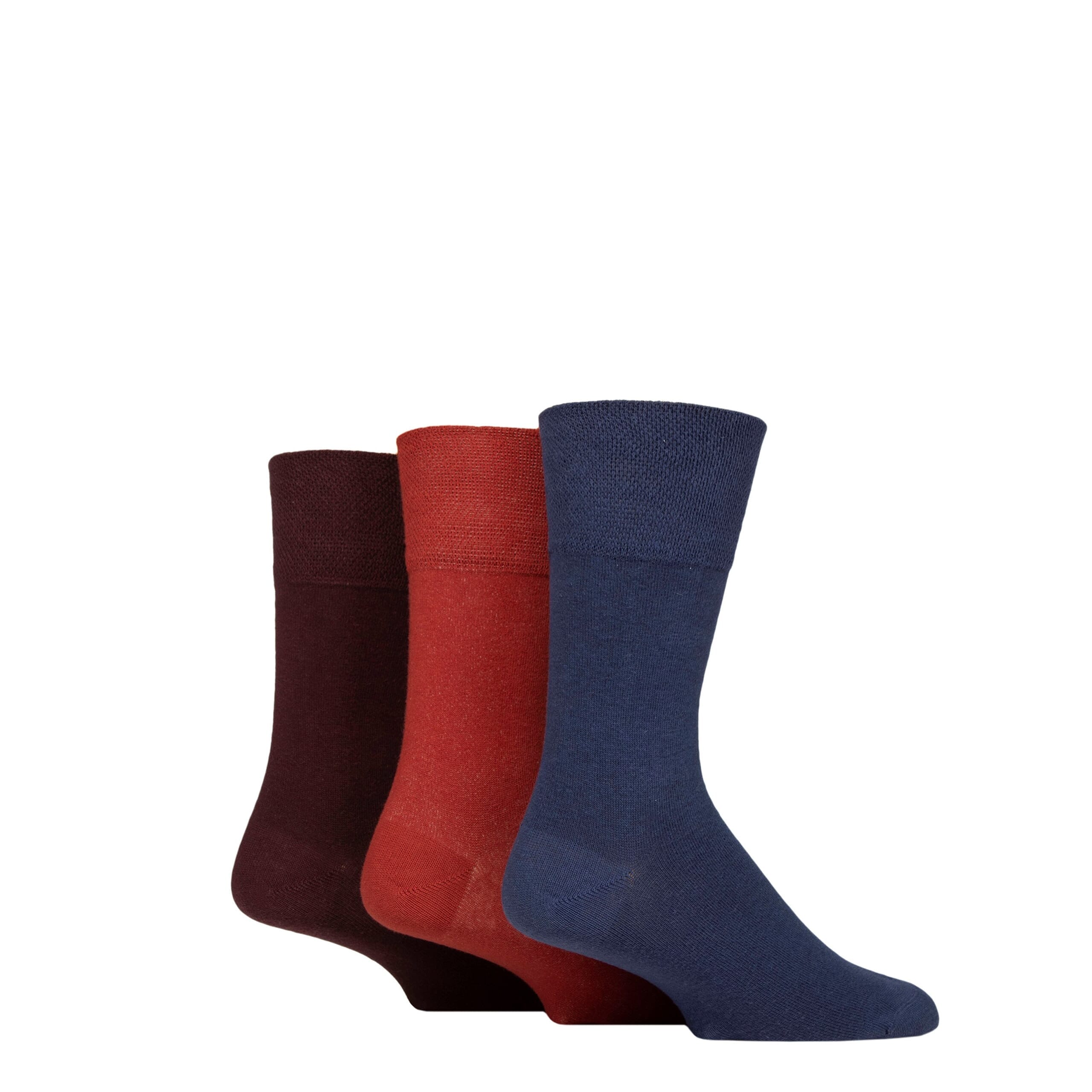
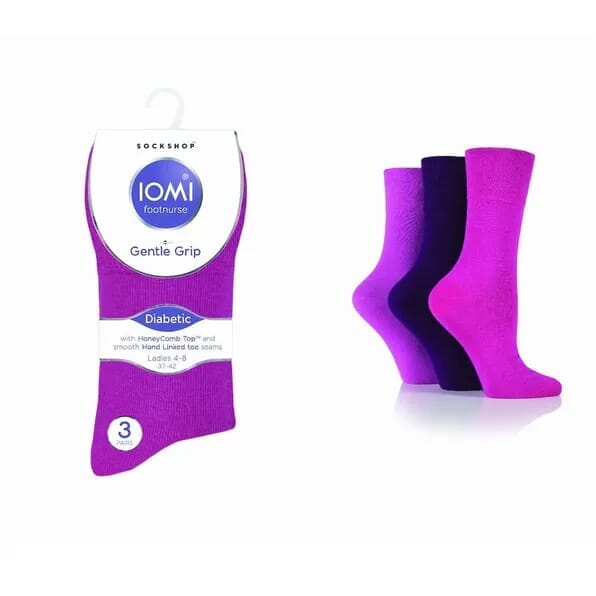
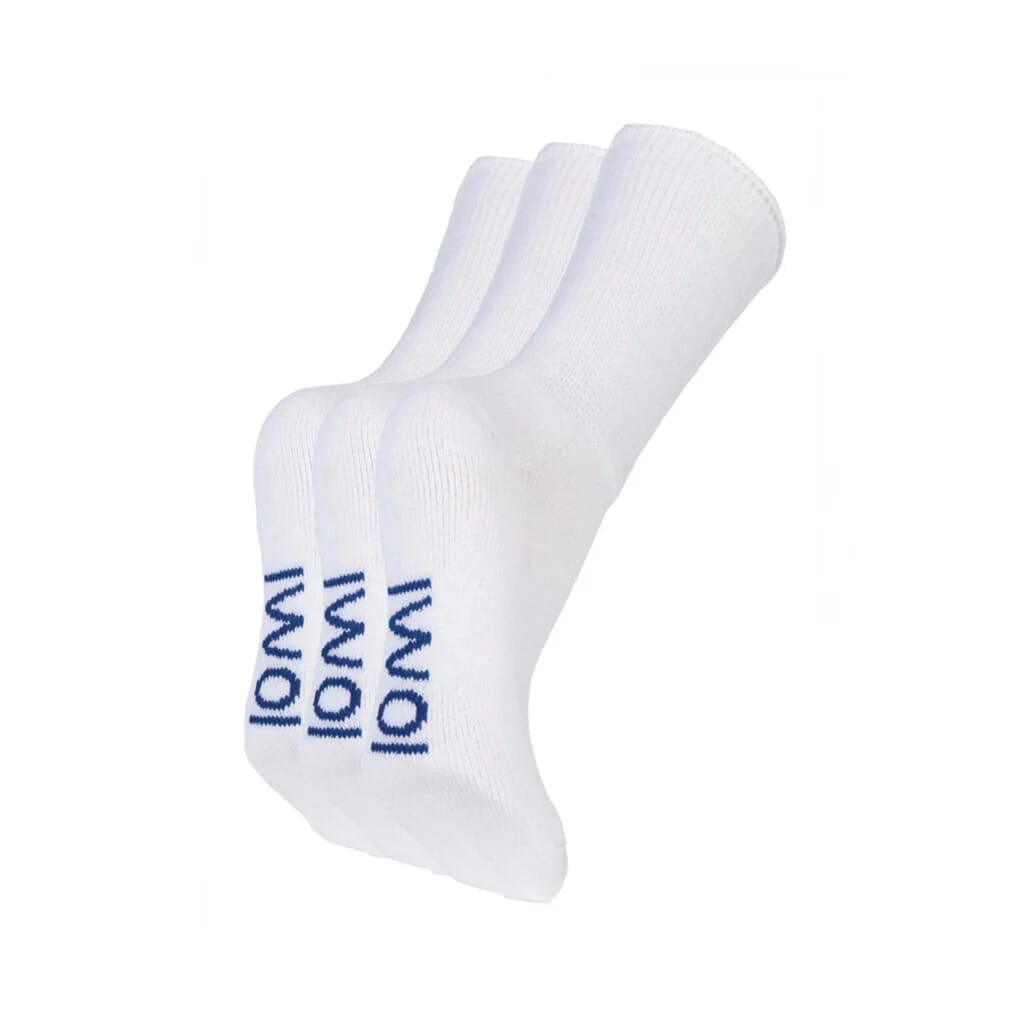
Technical Specifications
Across the socks compared here, the most useful specifications are fibre composition, knit structure, cuff design, sizing format and care requirements. These details explain why two pairs that look similar on a product page can feel very different after several hours of wear.
Fibre content is usually the first dividing line. Cotton-rich socks tend to prioritise a familiar, softer hand feel, whereas wool blends are often chosen for temperature regulation across changing conditions. Synthetic fibres such as polyester, polyamide or nylon are typically included to improve durability and drying speed, while elastane or similar stretch fibres affect recovery and shape retention. A higher natural-fibre percentage may appeal for comfort against the skin, but by comparison a more technical blend often copes better with repeated washing and friction inside shoes.
Thickness and knit density also matter. A finer gauge generally fits more easily into formal shoes or closer-fitting trainers, in contrast to thicker cushioned constructions that add bulk but can reduce pressure underfoot. If one model uses targeted padding and another keeps an even thickness throughout, the trade-off is usually between impact absorption and a lower-profile fit.
Fit-related specifications are equally important. Some socks are sold in broad dual-size ranges, whereas others use narrower size bands. Wider size brackets can simplify buying, but a more precise size structure may reduce excess fabric at the toe or heel. Ribbed cuffs, compression-style sections or arch support panels can all change how securely the sock stays in place. By comparison, simpler constructions may feel less restrictive, particularly for all-day casual wear.
Seam construction is another practical detail. Flat or hand-linked toe seams are often intended to reduce friction, while standard seams may be perfectly acceptable in less demanding use. Heel and toe reinforcement, where specified, usually signals an emphasis on longevity in high-wear areas.
Finally, care instructions should not be treated as minor. Machine-washable everyday blends are easier to rotate frequently, whereas more delicate fibres may need lower temperatures or gentler cycles. For shoppers comparing value over time, maintenance demands can matter almost as much as the initial fabric choice.
Strengths and Weaknesses
Cotton-rich socks are often the easiest starting point for everyday wear. They usually feel familiar against the skin and are straightforward to wash, but the trade-off is that they can hold onto moisture more readily than wool blends or synthetic-heavy options. For desk work or short commutes that may not matter much, whereas for long days on your feet it can affect comfort by the afternoon.
Merino or other wool-blend socks tend to manage temperature and moisture more effectively. That can make them more versatile across changing conditions, particularly if you move between indoors and outdoors. In contrast, they are often less hard-wearing than denser synthetic blends if subjected to repeated abrasion, and some buyers will weigh the higher typical cost against the performance gain.
Synthetic-rich socks, including those built around polyester or polyamide blends, usually prioritise durability, shape retention and quicker drying. By comparison with cotton-heavy pairs, they often cope better with repeated washing and sustained use. The compromise is that comfort can depend heavily on the knit and finish, because a durable fibre mix does not automatically translate to a softer feel or better breathability.
Fit is where small construction differences matter more than many shoppers expect. Socks with more stretch and a close, anatomical fit are less likely to bunch inside shoes, which can improve comfort on longer walks. On the other hand, a tighter fit or firmer cuff can feel restrictive, especially for anyone sensitive to pressure around the calf or ankle. Looser everyday socks may feel less intrusive at first, but they are also more likely to slip or twist during the day.
Cushioning brings a similar compromise. Thicker soles can reduce pressure and make casual or work shoes feel more forgiving, whereas they also take up more room inside the shoe and may run warmer. Thinner socks, by contrast, suit closer-fitting footwear and tend to feel less bulky, but they offer less insulation and impact absorption.
Care requirements should not be treated as a minor detail. Socks that tolerate standard machine washing and drying are easier to rotate frequently, whereas more delicate fibres may need lower temperatures or gentler handling to maintain fit and texture over time.
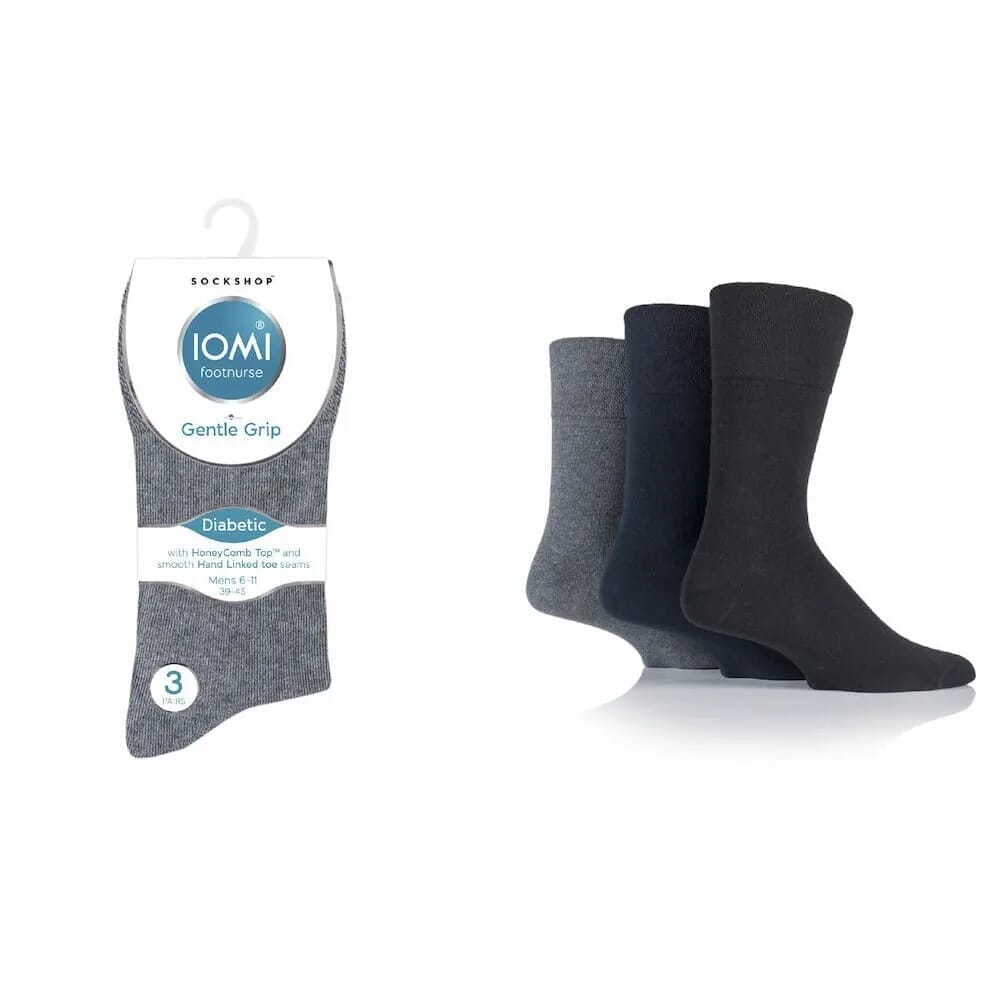
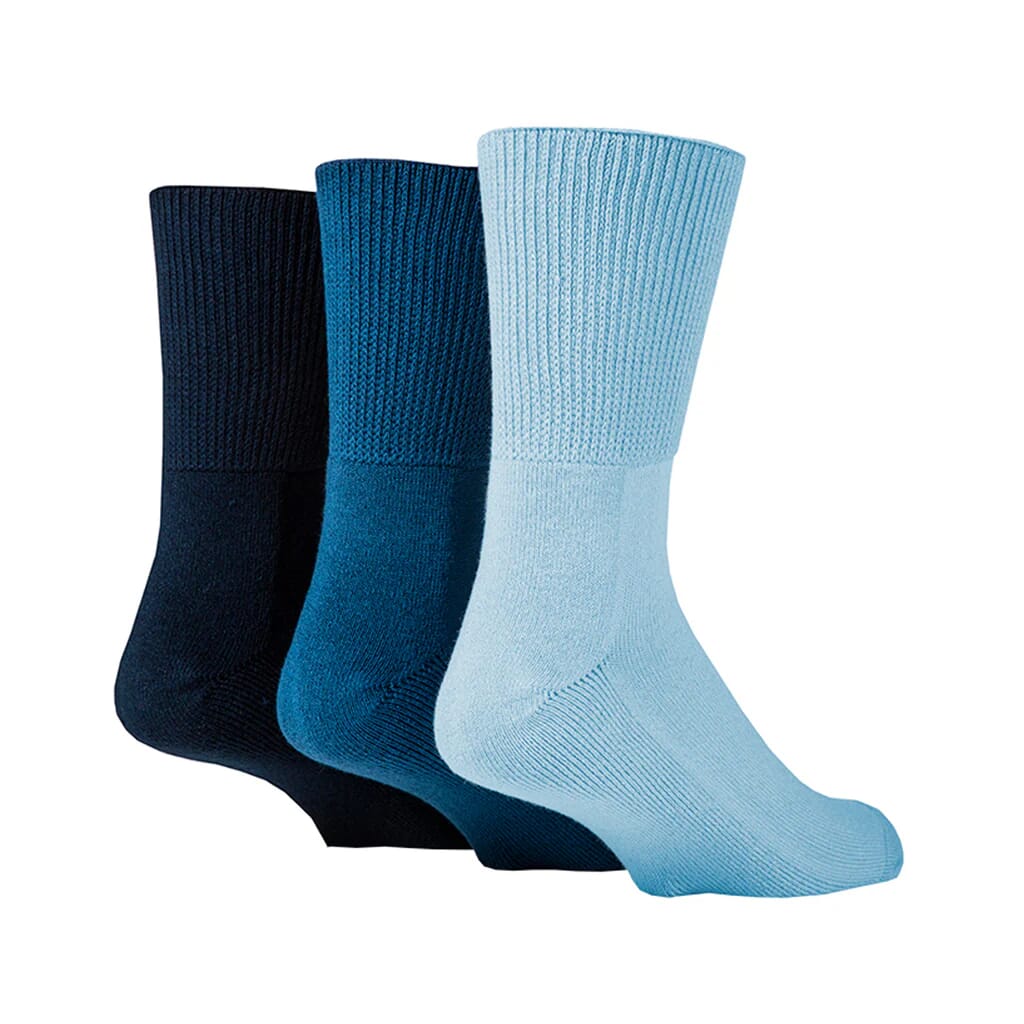
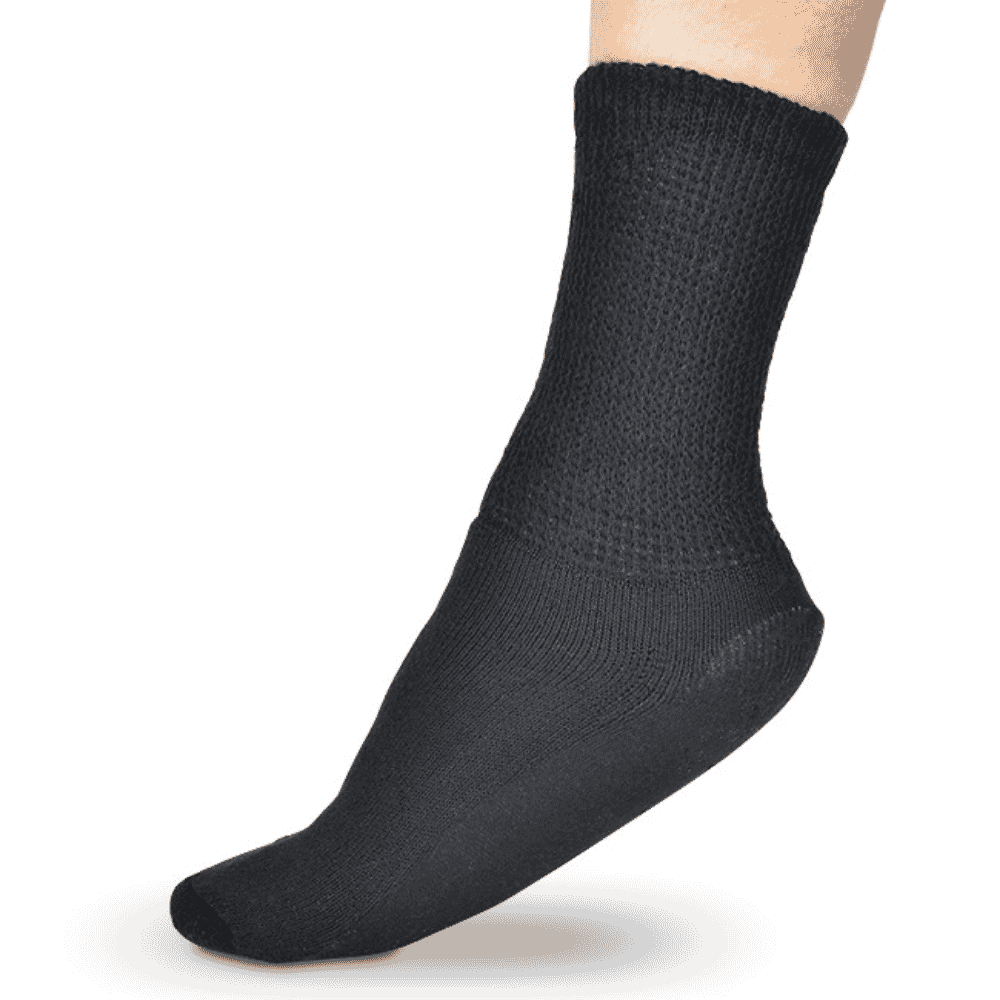
Our Verdict
The most sensible conclusion is that there is no single right sock, only a better match for how and where it will be worn. If fit consistency is the priority, pairs offered in more specific size ranges tend to reduce excess fabric at the toe and heel, whereas broad dual-size options can be more forgiving but less precise. That matters most if slipping, bunching or pressure points are recurring issues.
Fabric choice remains the clearest divider in day-to-day use. Cotton-rich options usually feel familiar and are easy to rotate through regular weekly wear, but they may hold more moisture than wool blends or higher-synthetic constructions. By comparison, wool-containing socks often manage temperature changes more evenly and can stay comfortable across longer periods, though they may come with different care expectations. Synthetic-heavy pairs can dry faster and hold their shape well, in contrast to softer natural-fibre blends that may feel less structured over time.
Comfort is also shaped by construction details rather than fibre alone. A smoother toe seam, a less restrictive cuff and a knit with some stretch can make a noticeable difference over a full day. Conversely, a sock that performs well on durability may feel firmer or less yielding at first wear. That trade-off is worth weighing if the socks are intended for long office days, frequent walking or extended time in shoes with a closer fit.
For most shoppers, the practical approach is to narrow the choice by use case first. Everyday general wear tends to favour balanced fabrics and uncomplicated care. Longer wear times or variable temperatures may justify looking more closely at wool blends. If repeat washing, shape retention and quicker drying matter more, synthetic content becomes more relevant. In short, the stronger option is the one whose sizing, fibre mix and construction align with your routine, rather than the one that appears strongest on a single specification.
The key decision is how the sock will perform across a full day, particularly the balance between fabric composition and fit. A cotton-rich pair often suits straightforward everyday use, but the better choice depends on whether you need easier care, a more secure cuff, or sizing and knit characteristics that match how the socks will actually be worn.