In this guide
Key Takeaways
- Everyday cookware is worth comparing by how reliably it handles repeated, routine cooking tasks rather than by styling.
- The most useful product differences come down to task suitability, hob compatibility and the level of maintenance each piece demands.
- Good everyday cookware tends to reduce friction in regular cooking, making simple meals easier without relying on long feature lists.
- Side-by-side comparisons help narrow the field faster by showing which pieces fit your cooking habits and upkeep tolerance.
- Where you buy matters for more than price, so retailer comparisons should also factor into the decision.
Overview
Everyday cookware earns its place by making routine jobs simpler, not by promising restaurant theatrics. The useful comparisons tend to come down to shape, capacity, weight and how much attention a pan demands once the heat is on. A compact saucepan suits porridge, sauces and reheating leftovers for one or two people, while a larger stockpot is more practical if you batch-cook soups, boil pasta regularly or want room for stews without crowding the ingredients. A deep sauté pan sits somewhere in between, giving you enough surface area for browning with sides high enough for sauces and one-pan meals.
Material changes the cooking experience more than many shoppers expect. Stainless steel is often the straightforward choice for versatility, especially if you want a pan that can move from boiling to simmering to deglazing without much fuss. Non-stick tends to suit low-fat cooking, eggs, pancakes and other foods that are awkward to release cleanly, though it is usually less appealing for very high-heat searing. Cast iron works well for cooks who value heat retention and a pan that stays steadily hot, but that extra stability comes with more weight and, in many cases, more maintenance. If you want something easier to lift and quicker to heat, lighter constructions can feel more manageable for daily use.
The right set-up also depends on how you cook during the week. If most meals are quick, a small group of hard-working pieces often makes more sense than a large set with rarely used extras. A frying pan, saucepan and casserole or sauté pan will cover a lot of ground for simple dinners. If you cook for a family, wider pans and larger capacities reduce the need to cook in batches. If kitchen space is tight, stackability and lid sharing can matter as much as cooking performance.
For comparison shoppers, the key is not choosing the most specialised option, but identifying the pan that matches your typical portions, hob time and tolerance for upkeep. The better fit is usually the one that handles Tuesday night pasta, weekend curry and leftover reheating with equal ease.
Top Products
For everyday cooking, the useful comparisons are less about styling and more about how each piece handles repetition. A non-stick frying pan suits fast, low-fuss meals such as eggs, pancakes and weeknight vegetables, especially if easy release and quick washing-up matter more than aggressive browning. The trade-off is that it is not the right choice for very high heat or rough utensil use, so it tends to suit households prioritising convenience over maximum searing performance.
A stainless steel pan is the more versatile option if you regularly cook meat, build pan sauces or want something that tolerates higher temperatures. It usually asks a bit more from the cook, particularly around preheating and oil control, but rewards that extra attention with better browning and fewer limitations on cooking method. For buyers comparing one pan to cover the widest range of tasks, this is often where the practical argument sits.
Saucepans are where capacity and construction matter most. A smaller pan works for porridge, reheating soup or making a single portion of rice, while a larger one is better for pasta, batch cooking and family meals. If you cook on induction, checking hob compatibility is more important than chasing extras you may never use. A heavier base can also make a noticeable difference for simmering sauces or milk-based dishes, where hot spots are more annoying than impressive.
If one-pot cooking is the priority, a casserole dish or stockpot earns its keep differently. A casserole is better for slow braises, stews and oven-to-hob flexibility, while a stockpot is the straightforward choice for boiling pasta, making stock or cooking larger volumes. The comparison comes down to shape and intended use rather than one being broadly better.
For smaller kitchens or lighter use, a compact cookware set can make more sense than buying specialist pieces individually. For confident home cooks, mixing materials often works better: non-stick for delicate foods, stainless steel for higher-heat work, and a larger pot reserved for batch cooking. That combination usually covers everyday meals more effectively than expecting one type of cookware to do everything.
Side-by-Side Comparison
The quickest way to narrow the field is to compare cookware by task, hob type and how much maintenance you are willing to accept. A frying pan that excels at fast weeknight searing is not automatically the right choice for slow sauces, batch cooking or oven finishing.
| Cookware type | What it does well | Trade-offs to note | Suits |
|---|---|---|---|
| Non-stick frying pan | Low-oil cooking, eggs, pancakes, reheating leftovers, quick clean-up | Coatings can be less tolerant of high heat and rough utensils, often not the piece you want for deep browning | Everyday cooks who prioritise convenience and easy release |
| Stainless steel pan | Browning, pan sauces, higher-heat cooking, generally durable for frequent use | Food is more likely to stick if heat and oil are not managed well, cleaning can take more effort | Cooks who want versatility and are happy to learn heat control |
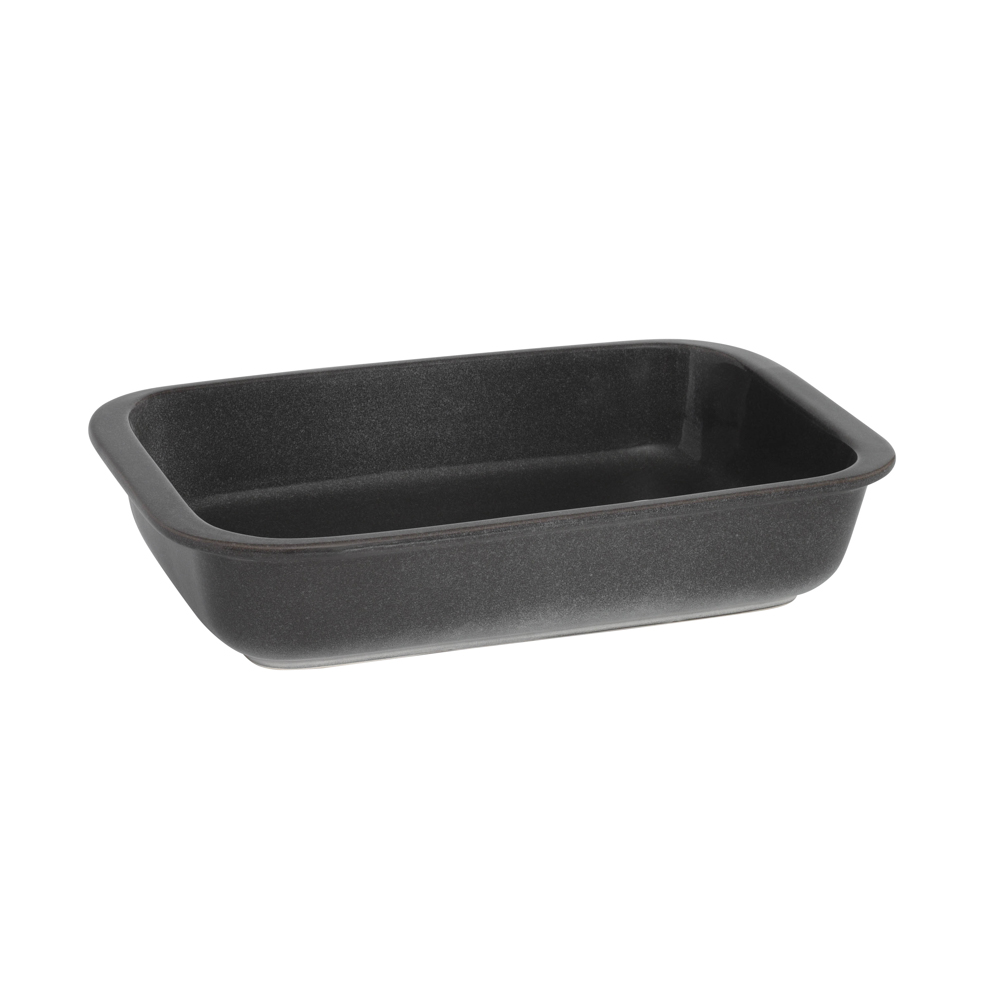
| Cast iron skillet | Strong heat retention, steady searing, oven use, cornbread and one-pan roasting | Heavier to lift, slower to heat, usually needs more care to maintain seasoning | Anyone who values heat retention over low weight and quick washing up |
| Sauté pan | Shallower than a casserole but roomier than a frying pan, useful for sauces, risotto and one-pan meals | Takes up more space than a basic frying pan, not ideal if you only want one compact pan | Households cooking mixed dishes with liquid, not just dry frying |
| Saucepan | Boiling, simmering, grains, soups and everyday sauces | Less useful for wide-surface browning, capacity matters more than style here | Essential for almost every kitchen, especially if you cook staples often |
| Casserole or stockpot | Batch cooking, soups, stews, pasta and meal prep | Bulky to store, can feel oversized for smaller portions | Families, meal preppers and anyone cooking in volume |
Material matters just as much as shape. If speed and low fuss matter most, non-stick is usually the easiest route for daily use. If you want one pan to move from hob to oven and build more colour on food, stainless steel or cast iron makes more sense, with the trade-off of extra attention during cooking and cleaning.
For smaller kitchens, a saucepan plus a versatile frying or sauté pan often covers the majority of everyday meals. If you cook in larger batches, capacity becomes a practical advantage rather than wasted space.
What We Like and What We Do Not
What tends to separate worthwhile everyday cookware from the rest is not a dramatic feature list, but how little friction it adds to regular cooking. Sets or individual pieces with a sensible weight are usually easier to live with than very heavy pans that retain heat well but become awkward when draining pasta or transferring food from hob to oven. If you cook most nights, balance matters as much as capacity.
We also like cookware that is clear about its role. A non-stick frying pan suits eggs, pancakes and low-fat cooking, but it is rarely the pan you want for hard searing or very high heat. Stainless steel is often the opposite, less forgiving for delicate foods, but more useful for browning, pan sauces and long-term durability. Cast iron rewards patient cooks who want steady heat and strong searing, though it asks more in return on weight, drying and seasoning. For many households, the practical answer is not one material for everything, but a mix that covers different jobs without duplication.
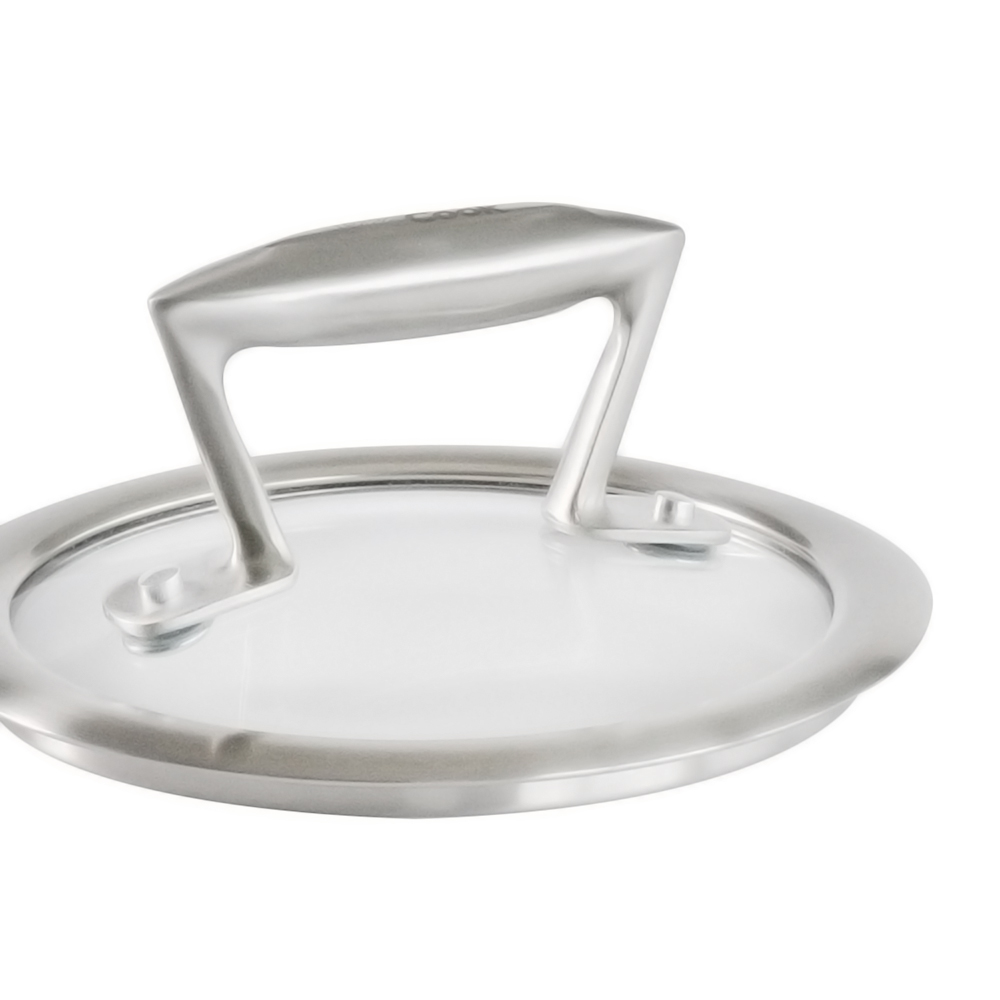
Easy maintenance is another genuine advantage, especially for midweek use. Dishwasher-safe pieces, rivet-free interiors and pans that do not demand special utensils save time over months of use, not just on the day they arrive. Lids that fit securely and handles that stay comfortable during longer cooking also make a noticeable difference when you are cooking in batches or moving between rings.
What we do not like is cookware that tries to look versatile while being compromised in use. Very thin pans can heat quickly, but they are more prone to hot spots, which matters when frying onions, reducing sauces or cooking anything that needs even browning. Oversized sets can also be poor value if half the pieces rarely leave the cupboard. If you mostly cook for one or two people, a smaller saucepan, a sauté pan and one reliable frying pan may serve you better than a large matching set.
Compatibility is another point worth checking carefully. Not every pan works on every hob, and oven-safe limits vary more than many shoppers expect. For everyday cooking, the right choice is usually the one that matches your routine, your cleaning tolerance and the way you actually cook on a Tuesday night, not the one that claims to do everything.

Where to Buy
When you are deciding where to buy, the useful comparison is not just price. It is the combination of pan type, set size, hob compatibility, warranty terms and how easy returns are if the weight, handle shape or overall balance does not suit your cooking style.
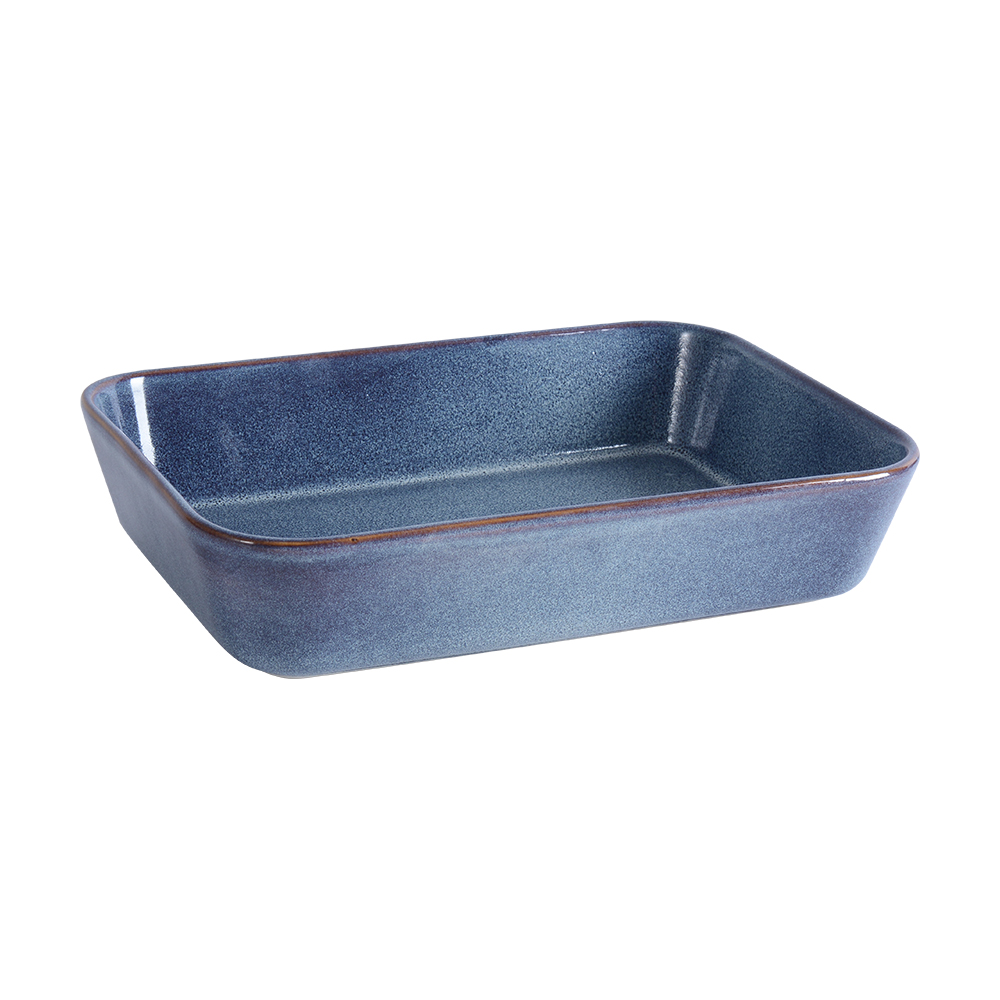
If you cook most nights and want a straightforward upgrade, specialist cookware retailers often make comparison easier because they list technical details more clearly. That matters when you are choosing between non-stick for quick eggs and weeknight sauces, stainless steel for higher-heat searing and pan sauces, or cast iron and enamelled pieces for slower, lower-intervention cooking. A general department store may give you broader choice across price points, but the filtering is often less precise.
For buyers weighing up a set against individual pieces, look closely at whether the retailer lets you build your own combination. Sets can work out better value if you genuinely need the core sizes, but they are less useful if half the contents will stay in the cupboard. Buying open stock, pan by pan, usually suits cooks replacing worn-out essentials or people who already know exactly which formats they use most.
It is also worth comparing how retailers present compatibility information. If you are on induction, this should be easy to confirm before checkout, not buried in small print. The same goes for oven use, dishwasher suitability and whether lids are included. Those details affect day-to-day convenience more than a small headline discount.
Price tracking helps, but so does reading reviews with a specific question in mind. Ignore vague praise and look for comments on heating consistency, durability of the cooking surface, ease of cleaning and whether the pan feels comfortable when full. Those are the points that tell you whether a piece is suited to frequent use or only occasional jobs.
If your priority is easy meals with minimal upkeep, favour retailers that provide clear care guidance and realistic product specifications. For more flexible, long-term buying, choose sellers with strong stock depth, so you can add matching pieces later rather than replacing everything at once.
The key decision is how well a piece of cookware fits the way you actually cook, especially the jobs you repeat most, the hob you use and the level of upkeep you are willing to manage. Price matters, but for everyday use the better comparison is which option keeps routine cooking straightforward, reliable and low-friction over time.