In this guide
Key Takeaways
- Slipper comparisons are most useful when matched to use case, because warmth, comfort and everyday practicality often come from different design choices.
- Similar-looking slippers can differ meaningfully in lining, sole structure and fastening, so a table comparison helps surface the main trade-offs quickly.
- The specifications that most affect day-to-day wear are upper material, lining, sole construction, fastening and stated fit profile.
- Heavily lined slippers offer immediate warmth, but that strength needs to be weighed against broader comfort and practicality needs.
- The most suitable option depends less on style and more on where the slippers will be worn and for how long.
Overview
Warmth, comfort and day-to-day practicality do not always come from the same design choices, which is why slipper comparisons tend to hinge on use case rather than simple preference. A heavily lined pair may feel noticeably warmer in a cold home, yet that same construction can be less suitable if feet tend to overheat or if the slippers are worn for long stretches indoors. By comparison, lighter styles often feel easier and less bulky, but they may offer less insulation on tiled or uncarpeted floors.
The same trade-off applies to structure. Some slippers prioritise a soft, flexible feel that is easy to slip on and comfortable for short, casual wear. In contrast, more supportive designs can feel steadier underfoot and better suited to extended wear around the house, particularly where hard flooring is involved. That added structure, however, can make a pair feel less relaxed than a looser, more forgiving fit. For many shoppers, the practical question is whether the slipper is mainly for occasional warmth or for several hours of everyday use.
Upper shape also changes how a slipper performs. Closed designs generally retain warmth more effectively, whereas open-backed or lower-cut options can be quicker to put on and take off. That convenience matters for some households, but it can come at the expense of a more secure fit. Similarly, sole construction affects where and how slippers are used. Softer soles may feel quieter and more pliable indoors, while firmer soles can provide more separation from cold floors and may cope better with brief trips outside. In return, they can feel less slipper-like than very soft indoor pairs.
Material choice often determines how these factors balance out. Plush linings and padded interiors tend to emphasise comfort and warmth, whereas simpler constructions may feel less insulating but easier to wear across changing temperatures. No single approach covers every need. The more useful comparison is between slippers designed for maximum cosiness, those aimed at all-day indoor wear, and those built to handle a mix of comfort, support and everyday practicality.
Feature Comparison
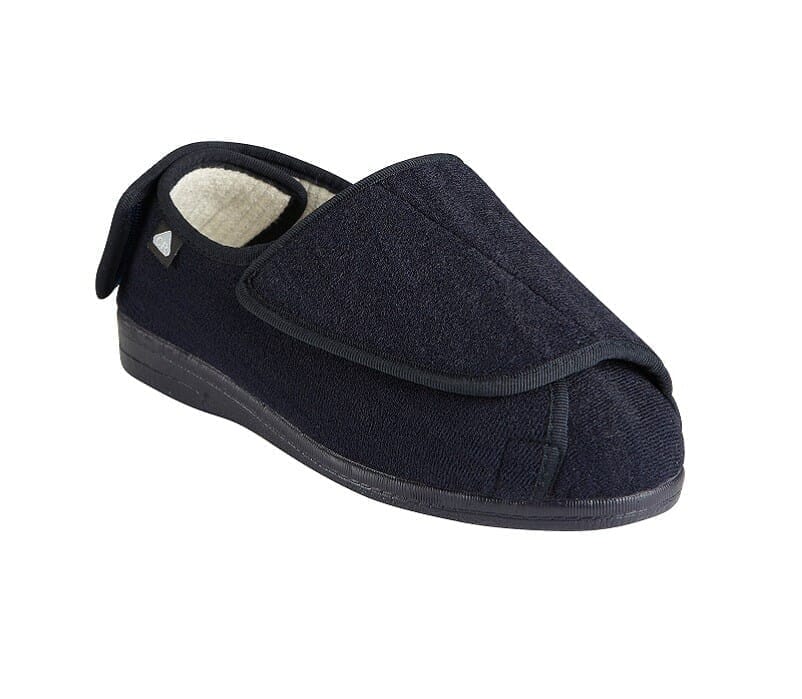
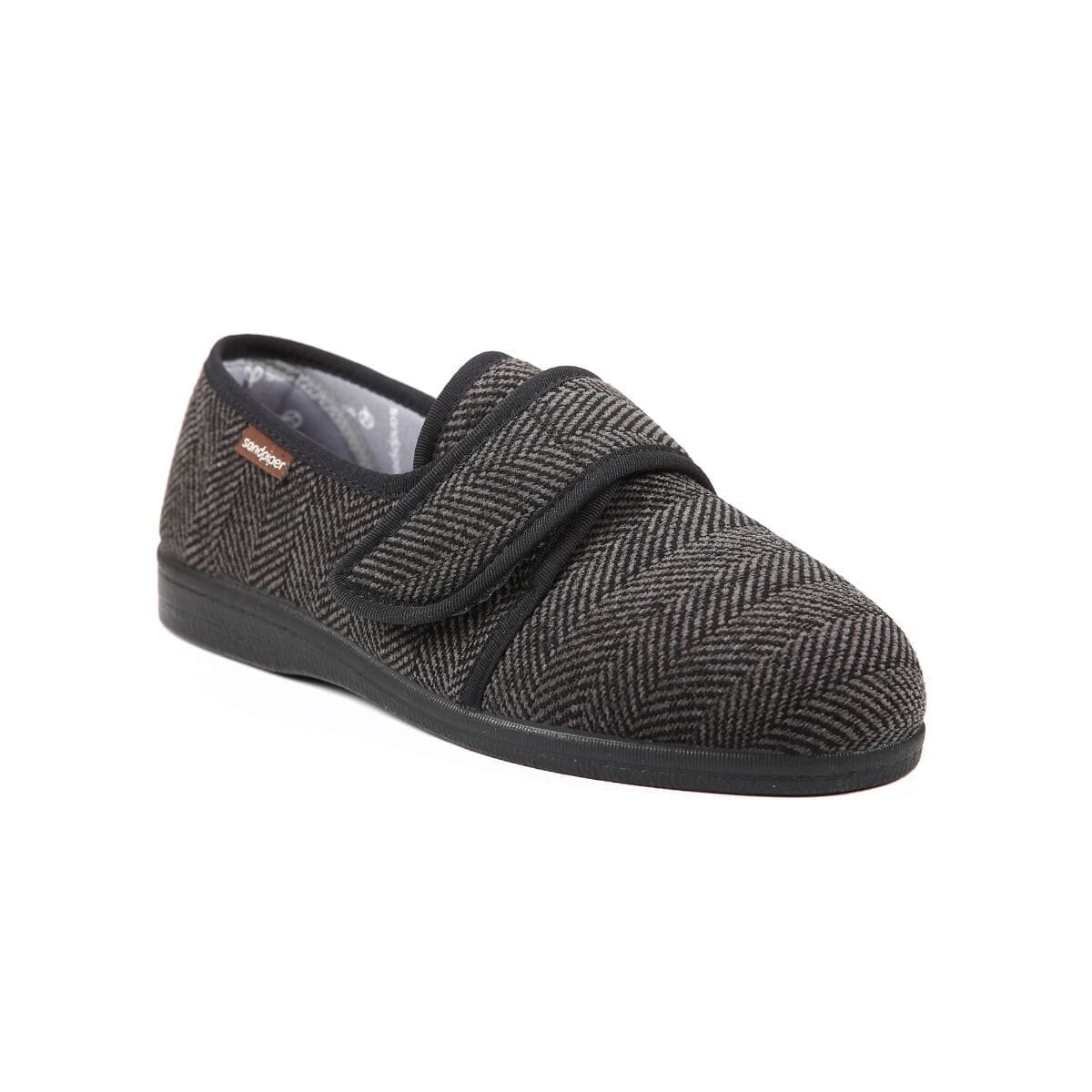
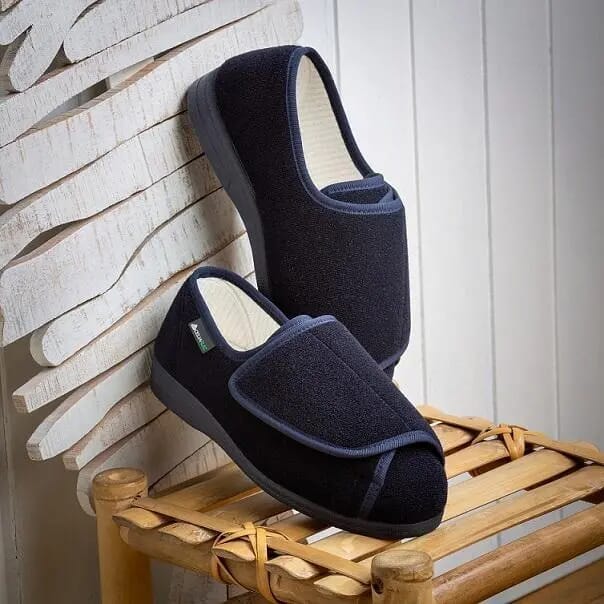
The table format makes the main trade-offs easier to scan, particularly where similar-looking slippers differ in lining, sole structure or fastening. For warmth, fully lined and closed-back designs usually hold heat more effectively, whereas open-back mules tend to prioritise quick on and off over insulation. By comparison, boot-style slippers often cover more of the ankle, but that extra coverage can feel less convenient for short trips around the house.
Comfort is less uniform than warmth because it depends on both underfoot support and how the upper fits. A soft, flexible upper may feel easier from the first wear, in contrast to more structured options that can hold the foot more securely. Likewise, cushioned footbeds can improve softness underfoot, whereas flatter constructions may suit buyers who prefer a lower-profile feel. The table is most useful here when it separates simple padding from actual support features, since the two are not the same.
Sole design is one of the clearest indicators of everyday wear suitability. Thin textile or suede soles are often quieter and more pliable indoors, but they generally offer less grip and less separation from cold floors. Rubber or other sturdier soles, by comparison, tend to cope better with harder surfaces and brief outdoor use, although they can add weight and reduce flexibility. If the products listed include outsole details, these are worth reading closely rather than treating all slippers as functionally similar.
Materials also shape how each option performs over time. Natural fibres can feel breathable and warm, whereas synthetic linings may be easier to care for depending on the construction stated. If the table includes care instructions, that can matter as much as initial comfort, especially for everyday pairs worn for long periods.
Fit-related details often decide between otherwise similar models. Adjustable fastenings can accommodate variation in foot shape, in contrast to fixed slip-on styles that rely more heavily on getting the size exactly right. Where sizing notes, sole type and lining are shown side by side, the comparison becomes more practical: not which slipper is broadly better, but which one aligns with colder rooms, longer wear, easier access or more stable footing.
Technical Specifications
Across slipper ranges, the specifications that most directly affect day-to-day use are upper material, lining, sole construction, fastening and stated fit profile. Natural wool and shearling linings are typically associated with higher insulation and moisture management, whereas synthetic fleece linings often reduce cost and can dry more quickly after spot cleaning. By comparison, unlined or lightly lined designs usually prioritise breathability and easier year-round wear over maximum warmth.
Upper construction changes both feel and maintenance. Suede and leather uppers generally offer a more structured fit and can look less casual, but they usually need more careful cleaning than textile alternatives. Knitted or fabric uppers tend to feel lighter and more flexible straight away, although they may provide less shape retention over time. In contrast, felted wool styles often sit between the two, combining softness with a denser, more insulating build.
Sole specification is one of the clearest dividing lines between indoor and mixed-use slippers. Thin textile or soft suede soles keep weight down and flex easily, which suits quiet indoor wear, but they offer less grip and less separation from cold floors. Rubber or EVA soles, by comparison, add durability and traction and are often better suited to quick trips outdoors. The trade-off is that a thicker sole can make a slipper feel less slipper-like, particularly if flexibility is reduced.
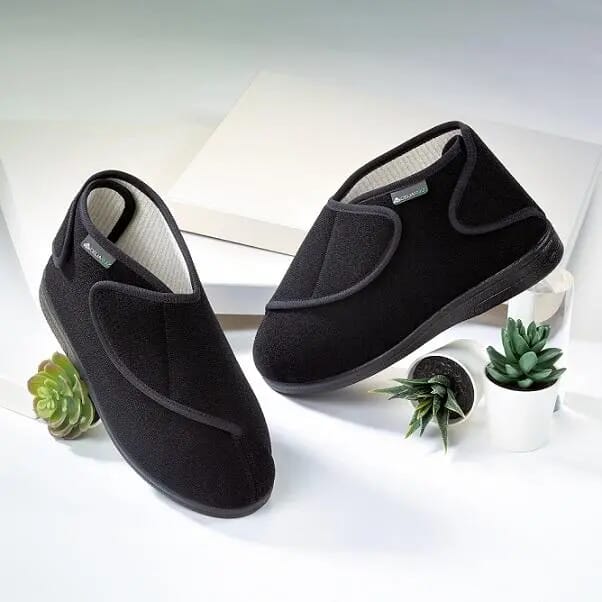
Fastening and entry shape also matter. Slip-on mule designs are easy to put on and remove, but open heels can sacrifice security and warmth. Closed-back slippers hold the foot more consistently, whereas adjustable fastenings such as touch straps can help accommodate swelling or a higher instep. If fit information is provided, it is worth noting whether a model is described as regular, narrow or wide, since heavily lined slippers can feel tighter than the same nominal size in an unlined version.
Care instructions and washable status are practical specifications rather than minor extras. Machine-washable slippers may be more convenient for frequent wear, whereas leather, suede or shearling options often require gentler maintenance. Taken together, these technical details explain why two slippers with a similar silhouette can perform quite differently in warmth, support and everyday versatility.
Strengths and Weaknesses
The main strength of heavily lined slippers is immediate warmth. Fleece, faux fur and shearling-style interiors trap heat effectively, which suits colder homes and people who feel the cold quickly. The trade-off is that this same insulation can make them less versatile across seasons. In warmer months, or in centrally heated homes, they may feel too hot for extended wear. Thick linings can also alter fit, especially for anyone between sizes.
Open-back and mule-style slippers score well for convenience. They are easy to slip on for short tasks and tend to feel less restrictive than fully enclosed designs. By comparison, they are usually less secure on the foot, particularly on stairs or when carrying things around the house. Closed-back slippers offer better hold and often a more stable feel, whereas the extra structure can make them slower to put on and less forgiving if the fit is not quite right.
Sole design creates one of the clearest differences in everyday wear. Soft, flexible soles are often quieter underfoot and can feel more relaxed indoors, especially on carpeted floors. In contrast, they generally provide less support and less separation from cold or hard surfaces. More structured soles, including rubber or sturdier synthetic constructions, tend to cope better with kitchen floors, brief trips outside and longer periods of wear. The compromise is that they can feel heavier and sometimes less slipper-like than softer alternatives.
Material choice also shifts the balance between comfort and practicality. Natural materials can feel breathable and adapt well to temperature changes, whereas synthetic options are often easier to care for and more consistent in appearance. Neither is automatically preferable, because the better choice depends on whether warmth regulation or lower-maintenance use matters more.
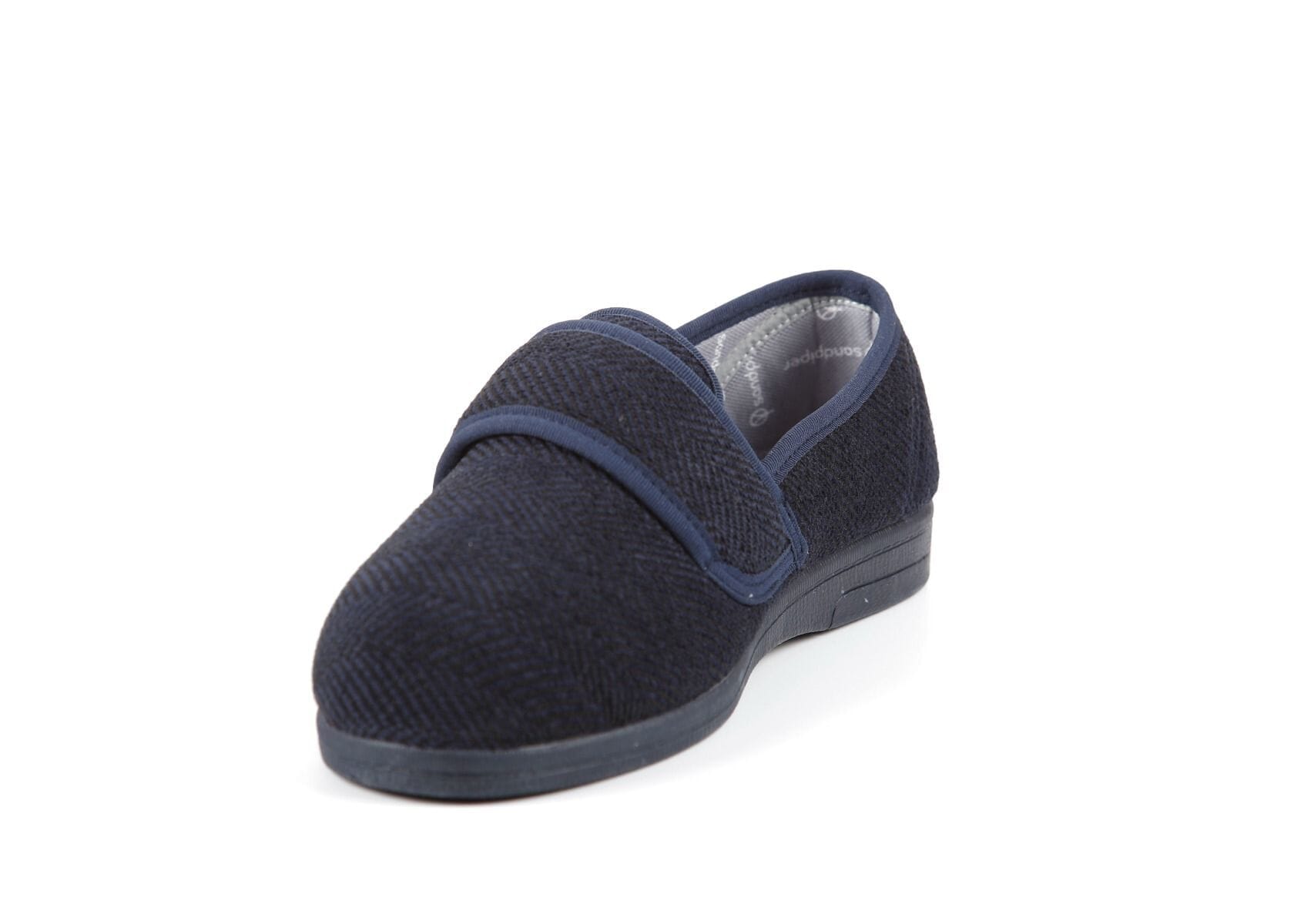
Fastening and fit profile affect comfort over time. Adjustable styles can accommodate swelling or a higher instep more easily, which is useful for all-day wear. Slip-on designs, by comparison, are simpler and quicker but rely more heavily on getting the sizing right from the outset. For everyday use, the strongest options are usually those whose construction matches the setting, whether that means maximum insulation, easier on-off wear, or a sole that can handle more than one surface.

Our Verdict
The right choice depends less on style alone and more on where, and for how long, the slippers will be worn. If warmth is the priority, thicker linings and more enclosed shapes usually make more sense, particularly for colder rooms or early mornings on hard floors. That said, the same construction can feel too insulating indoors once heating is on, whereas lighter slippers may suit year-round use more easily.
Comfort also needs separating into short-term softness and longer-term support. Plush interiors can feel reassuring straight away, but by comparison a firmer footbed or more structured sole may prove more practical for extended wear around the house. If the article has shown clear differences in sole build, that point matters as much as lining. A soft, flexible sole may feel quieter and less restrictive, in contrast to a sturdier sole that can cope better with repeated daily use and brief trips outside.
Fit is another deciding factor that should not be treated as secondary. Closed-back designs generally offer a more secure feel, whereas open-back or mule-style slippers are quicker to slip on and off. Neither is inherently better. The more suitable option depends on whether convenience or hold matters more in your routine. Similarly, any stated fit profile should carry weight if you are choosing between slippers that otherwise look similar on paper.
For everyday wear, the most useful approach is to match the design to the setting. For largely sedentary use in colder conditions, warmth and lining depth may justify a bulkier build. For mixed household use, a balanced option with moderate insulation and a more supportive sole often makes the broader case. If easy access and lightness matter most, simpler constructions may be the better fit, even if they offer less structure.
Taken together, the comparison is less about identifying a single standout pair and more about deciding which compromises are acceptable. The strongest option for one household can be the wrong one for another if warmth, support, ease of wear and sole practicality are weighted differently.
The key decision factor is where the slippers will be worn and how they need to perform over the course of the day. Warm, heavily lined pairs suit short periods of indoor use, while options with more supportive sole construction, a secure fastening or a better-matched fit profile tend to make more sense for longer wear and more regular movement around the home.