
Key Takeaways
- Start by noting the weather, course conditions and how often you play, so you can compare clothing against your actual needs.
- Choose fabrics and layers that help manage temperature across changing conditions rather than relying on one item for every round.
- Check fit through your full golf swing to avoid clothing that restricts movement in the shoulders, torso or hips.
- Prioritise weather protection that matches the conditions you face most often, especially wind and rain.
- Build a short shortlist from comfort, movement and weather needs, then use common on-course problems to rule out weak options.
Introduction
Golf clothing does more than satisfy a dress code. It affects how easily you swing, how comfortable you stay over four or five hours, and how well you cope when conditions change mid-round. A shirt that clings when damp, trousers that pull at the hips, or a jacket that restricts your shoulders can all become distractions you notice on every shot.
The simplest way to choose well is to work through three priorities in order.
-
Start with the weather you actually play in
Think about the conditions you face most often, not just the forecast for one tee time. If you usually play in cool mornings, light wind or frequent showers, your clothing needs to handle changing temperatures and light rain without becoming bulky. If you play mainly in warm conditions, breathability and a lighter feel matter more. This first step narrows your options quickly and stops you buying pieces that only work for a small part of the season. -
Check comfort over the length of a round
Golf involves steady movement for several hours, with periods of walking, standing and repeated swings. Clothing should feel comfortable at the first tee and still feel comfortable on the back nine. Pay attention to how a garment sits at the waist, across the shoulders and behind the knees or elbows. If something feels slightly awkward in the shop or during a quick try-on, it usually becomes more noticeable on the course. -
Prioritise freedom of movement
A full swing asks a lot from your upper body and torso. Layers that are too stiff, too tight or poorly balanced can interfere with rotation and follow-through. When comparing options, mimic golf movements rather than simply standing still. Raise your arms, turn through the shoulders and bend as you would to address the ball. You are looking for clothing that moves with you without twisting, riding up or feeling restrictive. -
Build a practical system, not a single outfit
Most golfers need a small rotation of pieces that can be combined for different conditions. A sensible wardrobe is usually based on adaptable layers, reliable fit and fabrics suited to the time of year. The sections that follow break down how to assess each of these points, so you can choose clothing that works for the course rather than just looking appropriate in the clubhouse.
Step-by-Step Guide
-
Start with the forecast, but plan for change. Golf is played over several hours, often in exposed conditions, so check temperature, wind and chance of rain rather than looking only at sunshine. If the day starts cool and warms up later, choose clothing you can adjust easily. If wind is likely, a light outer layer can matter as much as a warm one.
-
Build your outfit in layers. A simple system works well: a breathable base, a comfortable mid layer if needed, and a weather-ready outer layer for wind or rain. This gives you more control than relying on one thick garment. On mild days, a polo and lightweight trousers or shorts may be enough. In changeable weather, a pullover, gilet or waterproof layer can help you adapt without feeling restricted.
-
Prioritise freedom of movement before anything else. Golf clothing should allow a full shoulder turn, easy arm lift and a comfortable stance. When trying items on, mimic parts of the swing, bend slightly as if addressing the ball, and check whether the fabric pulls across the back, chest or thighs. If a garment feels tight in the shop, it will usually feel worse by the back nine.
-
Focus on fabric comfort. Breathable materials help manage heat and moisture during a round, especially when walking the course. In cooler conditions, look for pieces that add warmth without bulk. In wet weather, choose outerwear designed to keep rain out while still allowing movement. Comfort is not only about softness, it is also about staying dry enough, warm enough and unencumbered.
-
Pay attention to fit in each garment type. Tops should sit neatly without clinging. Trousers or shorts should allow you to walk, squat and rotate comfortably. Outer layers need enough room to go over other clothing without becoming baggy. A good fit supports movement and helps avoid constant adjustment during play.
-
Finish with practical details. Think about pockets, cuff closures, waistband comfort and how easy it is to add or remove layers mid-round. Also check the club’s dress expectations before you buy. The right golf clothing is usually the option that handles the weather, feels comfortable for four hours or more, and lets you swing naturally.


What You Will Need
Before you compare fabrics, fits or weather protection, gather a few practical details about how and where you play. That makes it much easier to judge which clothing features matter and which are unnecessary.
-
Your usual playing conditions
Make a note of the temperatures, wind levels and rainfall you typically face. A golfer playing through cool, damp mornings needs different clothing from someone who mostly plays in warm, dry afternoon conditions. If your local course is exposed, wind resistance becomes more important. If showers are common, water-resistant or waterproof outer layers move higher up the list. -
The season or time of day you play most
Early starts often mean chilly conditions even in milder months, while midday summer rounds can feel significantly warmer. Knowing whether you mainly play in spring, high summer, autumn or winter helps you decide how much layering you will need, and whether breathability or insulation should take priority. -
Your club or course dress code
Check the current rules before buying. Some clubs are relaxed, while others still expect collared tops, tailored trousers, golf-specific shorts or certain outerwear styles. This avoids spending money on items that are comfortable but not acceptable on the course or in the clubhouse. -
A clear idea of how much you walk and carry
If you walk 18 holes regularly, comfort, stretch and moisture management matter more than they might for a shorter range session or a buggy round. If you carry your bag, look closely at shoulder movement, waistband comfort and how easily layers work together without bunching. -
Your current golf clothing
Lay out what you already own and assess what is missing. You may already have enough base layers or polos, but lack a reliable mid-layer, waterproof jacket or suitable trousers for colder rounds. This helps you build a practical system rather than buying duplicate pieces. -
Basic body measurements and fit preferences
Know your chest, waist, inside leg and usual size across tops and bottoms. Also decide whether you prefer a closer athletic fit or a roomier cut for layering. Golf clothing needs enough freedom for a full swing without excess fabric getting in the way. -
A realistic budget
Set a spending limit across key items such as tops, trousers, outer layers and accessories. It is often more useful to prioritise versatile pieces you can layer across several conditions than to focus too heavily on one specialist item.
Troubleshooting
Common clothing problems on the course usually come down to three things: temperature control, restricted movement, or poor weather protection. Use this quick checklist to work out what needs changing.?
1. If you feel too hot by the back nine
Start with your base layer. If it holds heat or feels damp, swap to a lighter option that moves moisture away from the skin. Then look at your outer layers. A heavy mid layer or lined jacket may be more than you need for mild conditions. Build your outfit so you can remove one piece without feeling underdressed or exposed to wind.
2. If you feel cold even when wearing several layers
More layers do not always mean more warmth. Check whether your clothing is trapping moisture, because damp fabric cools quickly. Use a close but not tight first layer, then add insulation, then weather protection if needed. Also check gaps at the neck, wrists and waist, where heat often escapes.
3. If your swing feels restricted
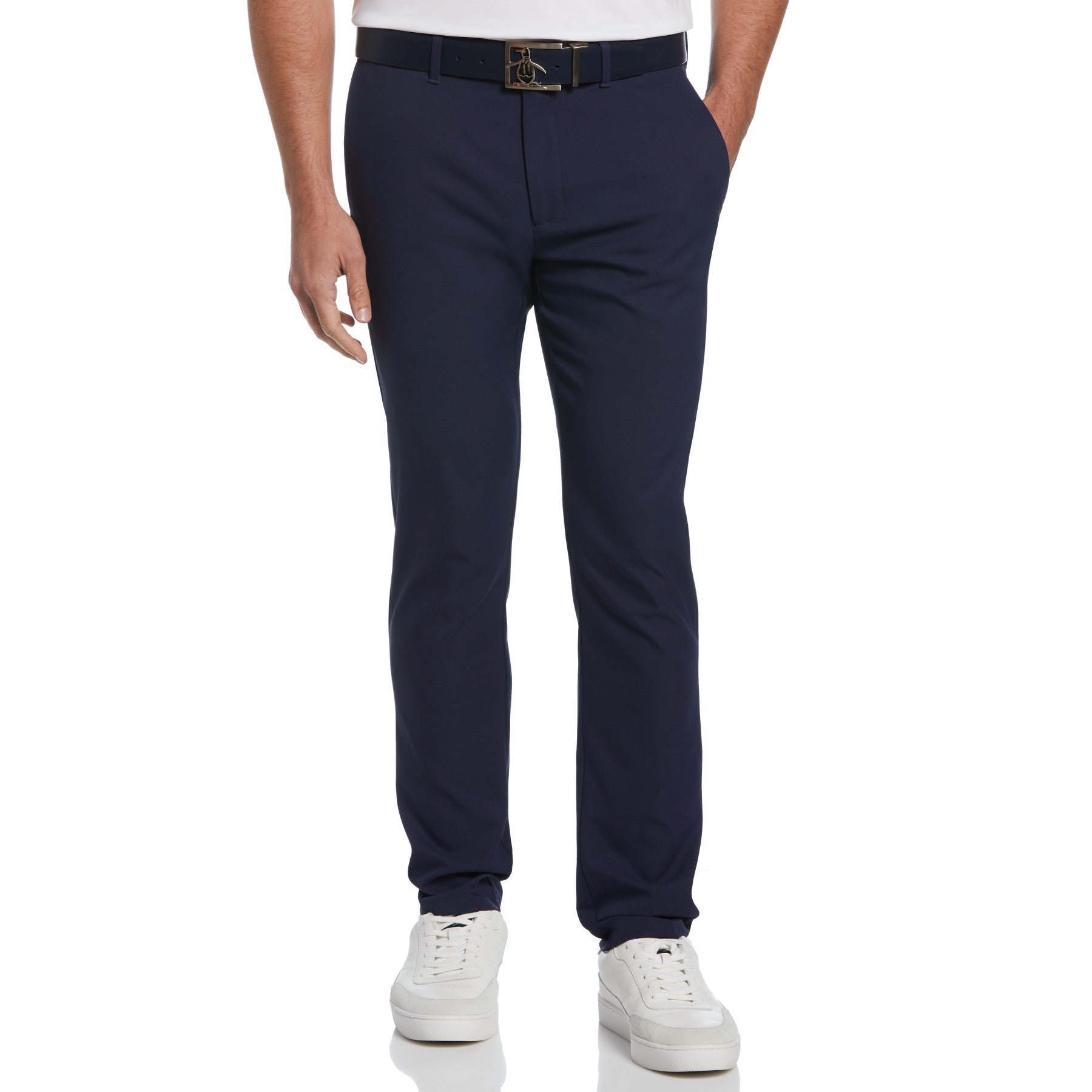
Restriction usually comes from fit rather than fabric alone. Test tops by rotating your shoulders fully and raising your arms as if addressing the ball and following through. If the garment pulls across the chest, back or underarms, go up a size or try a different cut. For trousers or shorts, check for tightness through the hips and thighs when bending, walking and squatting slightly.
4. If waterproofs feel uncomfortable
The issue may be bulk, stiffness or poor layering underneath. Try your waterproof layer over the exact clothes you would wear in play, not over casual clothing at home. If it feels fine standing still but awkward during the swing, the cut is probably wrong for golf use. Also avoid wearing too many thick layers beneath, which can make any shell feel restrictive.
5. If conditions change during a round
Plan for adjustment, not perfection at the first tee. Keep one spare layer that solves the most likely problem for the day, usually wind or light rain. Prioritise pieces that pack easily and can be added or removed quickly between holes.
6. If you are still unsure what is not working
Review one round in detail. Note the hole or weather change where discomfort started, what you were wearing, and whether the problem was heat, cold, rubbing or restricted movement. That makes the next clothing choice much easier and stops you replacing items that are not actually the cause.


Get Started
Use the points from the earlier sections to make a short, practical shortlist. A few deliberate checks now will save you from buying layers that look suitable but do not work over 18 holes.
-
Start with your usual playing conditions
Write down the temperatures, wind, and rain you actually face most often, not the rare extremes. If you mainly play in mild, changeable weather, prioritise adaptable layering. If you regularly play in cold morning starts or exposed coastal conditions, place more weight on insulation and weather protection. -
Match each garment to a job
Build your clothing choices around roles rather than individual items. You need a base layer for moisture management, a mid layer for warmth when needed, and an outer layer for wind or rain. Trousers, shorts, polos and knitwear should fit into that system, not compete with it. This makes it easier to compare products sensibly. -
Check movement before style details
When comparing tops, trousers or outerwear, focus first on shoulder turn, arm lift, and freedom through the hips and knees. If a garment pulls across the back, rides up during the swing, or feels tight when you bend to tee up a ball, remove it from your shortlist. A smart appearance matters, but restricted movement will affect comfort all round. -
Be realistic about fit
Golf clothing should sit neatly without feeling restrictive. Too close, and layering becomes awkward. Too loose, and fabric can bunch or distract during the swing. If you plan to wear a mid layer or waterproof over a polo, assess the full combination rather than judging each piece in isolation. -
Prioritise versatility if you are buying gradually
If you are replacing or adding items one at a time, begin with pieces that solve the most common problem in your wardrobe. For many golfers, that means a reliable outer layer, a comfortable pair of trousers, or a mid layer that works across several seasons. -
Review after a round
After your next game, note what felt too warm, too cold, too stiff, or impractical. That feedback is more useful than any changing-room impression. The aim is a small rotation of clothing that handles weather shifts, stays comfortable through the round, and lets you swing without adjustment.
The key decision is choosing clothing that matches the conditions you actually play in while still letting you swing, walk and layer comfortably. If you start with weather, then check fit and freedom of movement, it becomes much easier to narrow your shortlist to pieces you will wear regularly on the course.