
In this guide
Key Takeaways
- Fit and fabric have the biggest effect on whether socks stay comfortable all day or become noticeable inside the shoe.
- Cotton-rich everyday socks are the standard option for office wear, casual shoes, and general daily use.
- The most useful comparisons are between sock categories and their trade-offs, not just the headline material.
- Choosing by how a sock behaves inside a specific shoe is usually more useful than comparing colour or pack size.
- Ankle socks suit trainers and other low-cut casual shoes, while crew socks are the more versatile everyday choice when you want ankle coverage.
What to Look For
Fit and fabric determine whether socks disappear into the background or become the thing you notice all day. The useful comparisons are not just ankle versus crew, but fibre content, knit density, seam construction and how much cushioning sits under pressure points. Those details affect heat build-up, friction, shoe volume and how well a pair holds its shape after repeated washing.
Cotton Everyday Socks
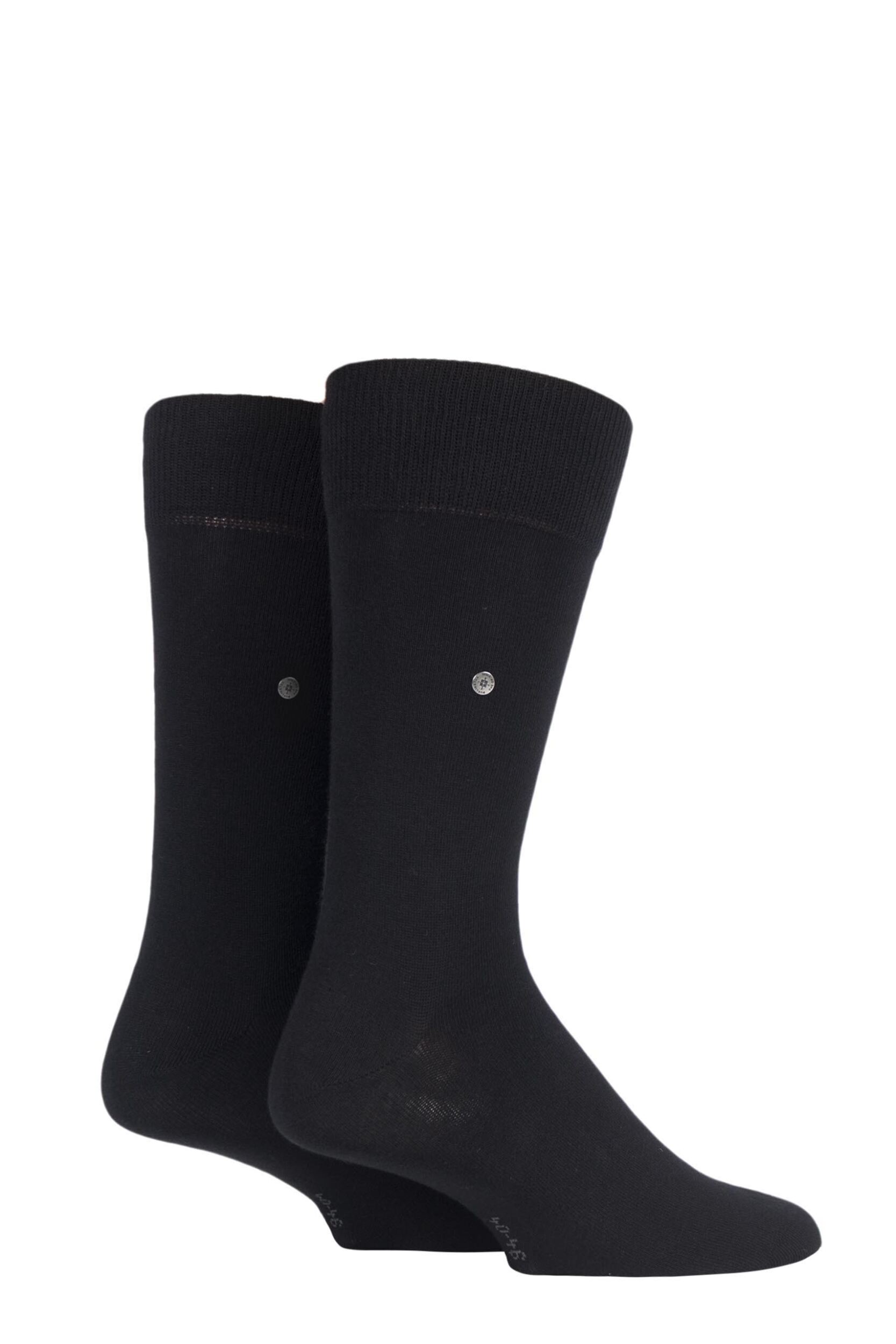
Cotton-rich everyday socks suit routine wear because they feel familiar against the skin and work across office shoes, trainers and casual boots. What matters is not cotton alone, but the blend. A high cotton content tends to feel soft and breathable, while added synthetic fibres usually improve stretch, shape retention and resistance to bagging at the heel and ankle. If you want a pair for long hours indoors or moderate daily walking, this balance is often more useful than chasing a single fibre type.
Construction is equally important in this category. A smooth toe seam reduces rubbing across the front of the foot, especially in narrower shoes. Ribbed cuffs help the sock stay up without needing excessive compression, and a shaped heel usually gives a neater fit than a simple tube construction. For everyday use, medium-gauge knits are often the most versatile because they fit a wider range of shoes than very thick cushioned styles.
-
Check fibre blends rather than cotton percentage alone, because added synthetics often improve fit and durability.
-
Look for smooth toe seams if you are sensitive to rubbing in formal shoes or low-volume trainers.
-
Choose a knit thickness that matches your footwear, since bulky socks can tighten shoe fit.
-
Prioritise cuffs that stay in place without leaving deep pressure marks.
If your shoes already fit closely, switch to a lighter-gauge everyday sock before sizing up the shoe.
Merino Wool Socks
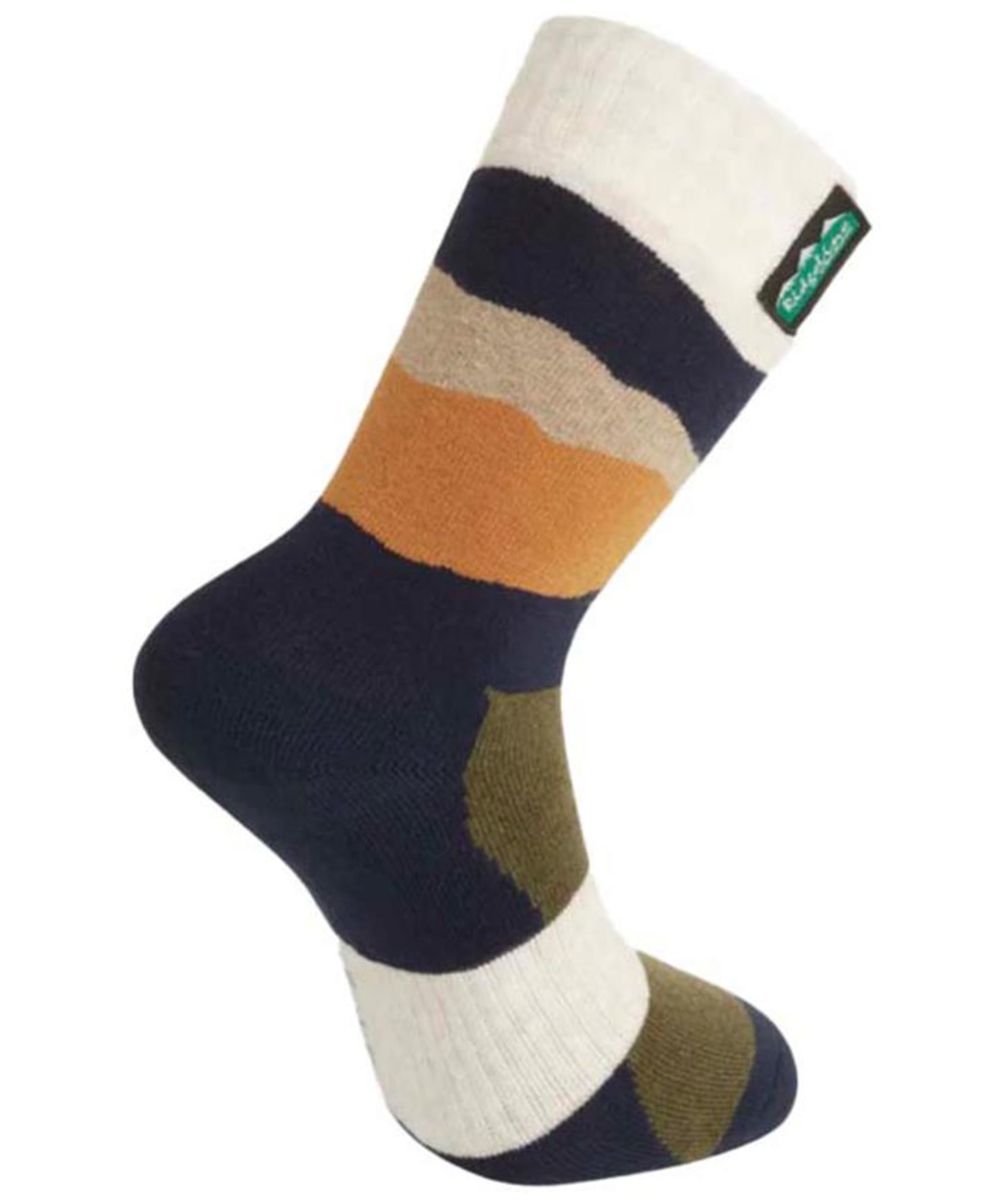
Merino wool socks are useful when temperature regulation matters more than a crisp, lightweight feel. Merino fibres can help manage warmth across changing conditions, which is why this category appears in everyday, hiking and travel wardrobes. The key distinction is weight. Lightweight merino socks work better in regular shoes and for all-day indoor wear, while heavier knits suit boots and colder conditions where insulation matters more than a slim profile.
Blend composition still matters here. Pure wool is less common in practical everyday socks because elasticity and abrasion resistance usually benefit from added fibres. Pay attention to the density of the knit under the heel and forefoot, because those zones wear first and take the most impact. If you are comparing merino options for daily use rather than outdoor use, look for moderate cushioning and a cuff height that matches the shoe collar, otherwise the sock may feel too warm or too bulky.
-
Lightweight merino suits everyday shoes better than heavy boot-weight styles.
-
Blended constructions usually improve stretch, recovery and wear resistance.
-
Compare cushioning at the heel and forefoot, where comfort and durability matter most.
-
Match cuff height to your footwear to avoid exposed skin or excess warmth.
Merino socks can feel warmer than cotton-rich pairs in tightly fitting shoes, even when the fibre is designed to regulate temperature.
Cushioned Sports Socks
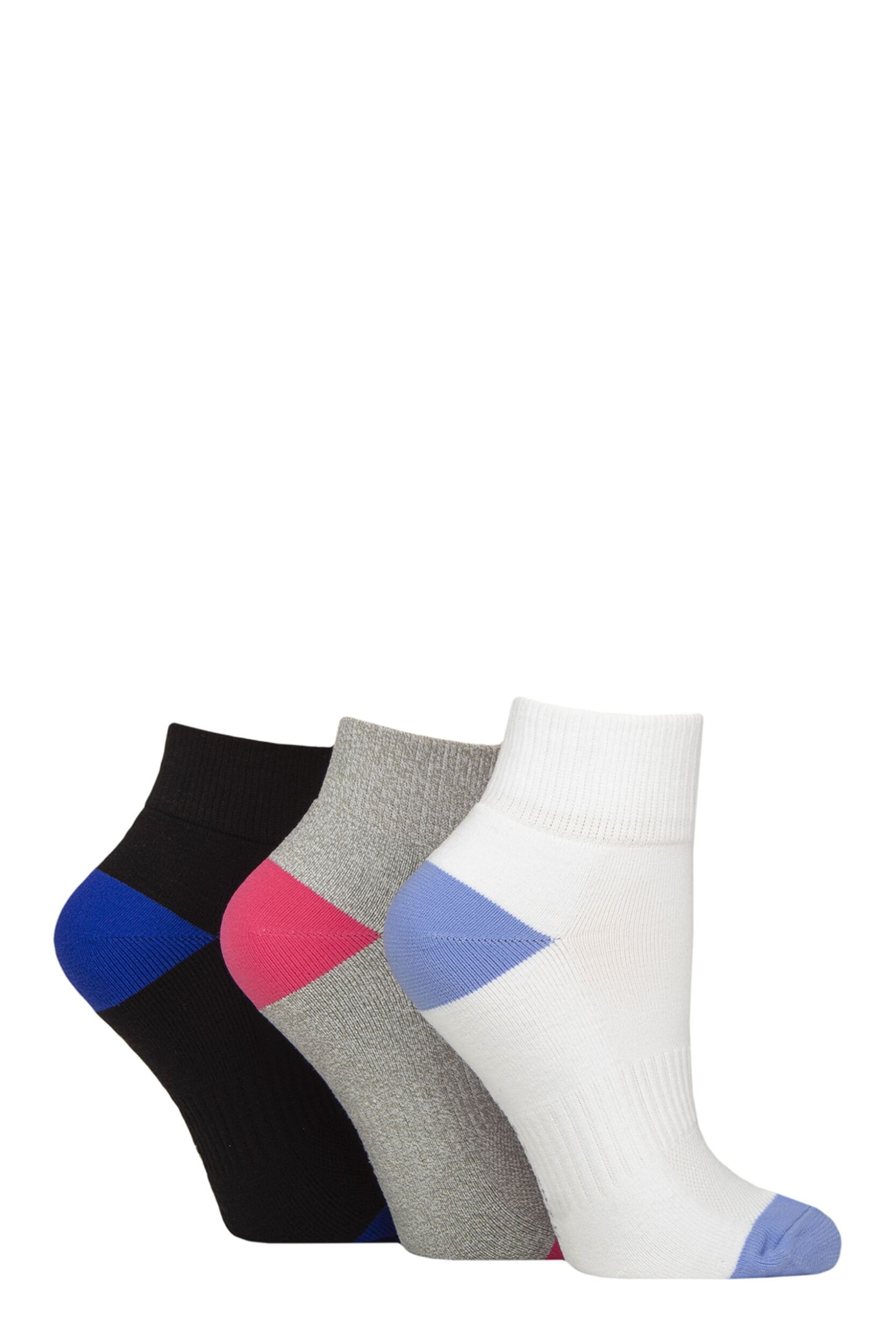
Cushioned sports socks are designed around impact and friction rather than general softness. The useful question is where the cushioning sits. Targeted padding under the heel and ball of the foot can absorb repeated impact without making the whole sock overly thick, while full-terry cushioning creates a denser feel that suits roomier trainers. If you run, train or spend long periods on hard floors, this placement matters more than the marketing term on the label.
Support features vary widely in this category. Some pairs use a tighter midfoot knit to create a more secure feel through the arch, while mesh zones can improve ventilation across the top of the foot. These details only help if the fit is correct. A sports sock that is too long can bunch inside the shoe, and one that is too small can pull the heel pocket out of place, increasing friction rather than reducing it.
| Type | Main advantage | Best for | Watch for |
|---|---|---|---|
| Lightly cushioned sports socks | Lower bulk inside the shoe | Close-fitting trainers, gym sessions, warm conditions | Less protection on hard surfaces |
| Targeted cushioned sports socks | Padding only where impact is highest | Running, court sports, mixed training | Cushion placement must match your foot shape |
| Full cushioned sports socks | Softer underfoot feel throughout | Roomier trainers, long shifts standing up, cooler weather | Can make shoes feel tighter and warmer |
-
Focus on cushioning placement, not just overall thickness.
-
Use lighter cushioning in close-fitting trainers to avoid pressure points.
-
Check for a shaped heel and secure midfoot fit to reduce bunching.
-
Ventilation panels help most in synthetic sports socks worn for high-output activity.
If you are between sizes, prioritise a precise heel fit over extra toe length, because heel movement creates more friction than a slightly shorter forefoot.
Compression Socks
Compression socks are a separate category from ordinary stay-up socks because they apply graduated pressure rather than relying only on a tighter cuff. That makes them relevant for travel, prolonged sitting, long shifts standing up and some sports recovery routines. The practical buying point is the level of compression and the height of the sock. Knee-high styles are common because they cover the lower leg where swelling and fatigue are often most noticeable.
Fit is non-negotiable here. Compression only works as intended if calf size and length are correct, so shoe size alone is not enough. Fabric blends with substantial stretch are standard, but breathability and seam placement still matter for comfort during long wear. If you want compression for everyday use under workwear, look for a profile that fits smoothly under trousers and inside regular shoes without excessive bulk at the ankle.
-
Check calf measurements as well as foot size before buying.
-
Graduated compression is different from a tight cuff and should fit evenly through the lower leg.
-
Knee-high lengths are the usual choice for travel and long periods sitting or standing.
-
Low-bulk constructions work better under tailored trousers and close-fitting shoes.
Compression socks that feel painfully tight or leave pronounced pressure points are not the right fit, even if the foot size seems correct.
Key Specifications to Compare
Cotton Everyday Socks
Cotton-rich everyday socks are usually the baseline option for office wear, casual shoes, and general daily use. When comparing them, the useful specification is not simply whether cotton is present, but how the blend is balanced. A higher cotton content tends to feel softer against the skin, while added polyamide or polyester usually improves abrasion resistance and helps the sock keep its shape after repeated washing. Elastane matters too, because a small percentage is what keeps the cuff, arch and ankle from loosening too quickly.
Thickness is the next practical point to compare. Thin cotton socks sit more cleanly in close-fitting leather shoes and loafers, while midweight versions are often easier to wear in trainers and everyday boots. Cushioning in cotton socks is usually limited to the sole or heel-and-toe zones, so it is worth checking whether the padding is targeted or full-foot. Targeted cushioning keeps bulk down, which matters if your shoes already fit closely.
For daily rotation, compare fibre blend and sole thickness together, because a soft cotton sock that is too bulky for your usual shoes will not stay comfortable for long.
-
Check the cotton-to-synthetic ratio, not just the headline material.
-
Look for elastane content if you want better shape retention at the cuff and ankle.
-
Compare thin, midweight and cushioned sole constructions against the fit of your usual shoes.
-
Reinforced heel and toe areas usually matter more for lifespan than overall thickness alone.
Merino Wool Socks
Merino wool socks are worth comparing separately because their performance depends heavily on knit weight and blend, not just the presence of wool. Merino is commonly chosen for temperature regulation and moisture management across a wider range of conditions than standard cotton. In practice, that makes it relevant for commuters, travel, and people who move between indoor heating and colder outdoor conditions. A fine-gauge merino sock can work as an everyday sock, while a heavier knit is more suited to walking shoes and boots.
The key specification here is whether the sock is lightweight, midweight or heavy, and whether cushioning is minimal or substantial. Lightweight merino socks fit more easily into formal or low-volume footwear, but they will not provide the same underfoot protection as a cushioned hiking-oriented pair. Blend composition also matters. Merino is often combined with synthetic fibres for durability and elastane for hold, because pure wool socks can wear through faster in high-friction areas.
| Type | Typical use | Bulk in shoe | Cushioning level | Main comparison point |
|---|---|---|---|---|
| Lightweight merino socks | Everyday wear, travel, smart-casual shoes | Low | Low | Easier fit in close shoes |
| Midweight merino socks | Daily winter wear, trainers, casual boots | Medium | Medium | Balance of warmth and volume |
| Heavy merino socks | Walking boots, colder conditions | High | Medium to high | More insulation and underfoot protection |
Merino socks can feel very different at the same wool percentage, because knit density and cushioning placement change both warmth and shoe fit.
-
Compare knit weight first, because it affects warmth, bulk and intended use.
-
Check whether cushioning is full-sole or limited to heel and toe.
-
Look for blended construction if durability is a priority.
-
Fine-gauge merino is usually the more versatile choice for everyday wear.
Sports Trainer Socks
Sports trainer socks are defined less by fibre name and more by construction details. The most useful specifications to compare are cut height, ventilation zones, arch support and cushioning placement. Trainer socks, ankle socks and quarter socks all sit differently against the shoe collar, so the right height depends on whether you want minimal visibility or more protection around the heel and ankle. A lower cut can look cleaner, but it also leaves less fabric between the shoe and skin.
Cushioning should be matched to activity rather than assumed to be better in larger amounts. For gym sessions, running and court sports, extra padding under the heel and forefoot can reduce pressure, but too much bulk can alter shoe fit and create movement inside the shoe. Mesh panels or lighter knit sections over the instep can also matter more than total thickness if heat build-up is your main issue. Arch compression is another point to compare, although it should be understood as a fit feature rather than structural support in the medical sense.
If you are between shoe sizes, avoid heavily cushioned trainer socks in already snug footwear, because extra padding can change the fit more than expected.
-
Choose cut height based on shoe collar height and heel protection needs.
-
Compare cushioning by zone, especially heel and forefoot, rather than by overall thickness.
-
Ventilation panels are useful in warm conditions or high-output exercise.
-
Arch compression can improve hold, but it should not be treated as corrective support.
Compression Socks
Compression socks need closer specification checking than standard everyday socks because the pressure level and sock height are central to how they are used. The first distinction is between mild everyday compression and firmer graduated compression. Graduated designs apply more pressure at the ankle and less further up the leg, which is different from a general snug fit. Height also matters, with knee-high styles covering a different use case from ankle-length sports socks.
Material blend is still relevant, but only after pressure range and intended wear time. A sock that feels comfortable for a short journey may not be suitable for all-day wear if the cuff, calf fit or fabric recovery is poor. Seam construction and toe finish are also worth checking, especially if the socks will be worn for long periods. In this category, a precise fit around calf circumference is often more important than simply choosing the usual shoe size.
-
Compare compression level first, because this changes how the sock performs.
-
Check whether compression is graduated rather than uniformly tight.
-
Knee-high and ankle-length options serve different purposes and should not be treated as interchangeable.
-
Calf fit and fabric recovery affect comfort over long wear periods.
-
Smooth toe construction matters more when socks are worn for extended hours.
Advantages and Disadvantages
Different sock categories solve different problems, and the trade-offs are usually more important than the headline material. A sock that feels soft in a trainer may slip inside a leather loafer, while a heavily cushioned pair that works for walking can make a close-fitting shoe feel cramped. Comparing advantages and disadvantages by use case is often more useful than comparing by fibre alone.
| Category | Main advantage | Main drawback | Typical use case | Fit impact |
|---|---|---|---|---|
| Ankle Socks | Low-profile coverage with trainers | Less protection around the ankle and heel | Gym shoes, casual trainers, warm weather | Minimal bulk |
| Crew Socks | More coverage and better protection from rubbing | More visible above the shoe line | Everyday wear, boots, walking shoes | Moderate bulk |
| Cushioned Sports Socks | Better impact absorption and comfort under load | Can feel warmer and take up more shoe volume | Running, training, long days on foot | Higher bulk |
| Wool Blend Socks | Better temperature regulation and moisture management | Often pricier and sometimes less smooth in fine shoes | Walking, commuting, cooler weather | Varies by knit |
Ankle Socks
Ankle socks work well when you want coverage inside a trainer without the extra height of a crew sock. Their main advantage is reduced visual presence, which suits low-cut casual shoes and sports footwear where a taller sock would be more obvious. In warm conditions, less fabric around the lower leg can also feel less restrictive.
The compromise is protection. Because the cuff sits lower, ankle socks leave more of the heel and ankle area exposed to friction from the shoe collar. That matters in trainers with stiff heel counters or in shoes that sit high around the ankle bone. They can also be more prone to slipping down if the cuff tension and heel shaping are not well matched to your foot.
If a shoe already fits closely around the collar, an ankle sock can reduce bulk, but it also increases the importance of a secure heel fit.
-
Low-profile option for trainers and other casual low-cut shoes
-
Less fabric means less coverage against rubbing at the ankle
-
Usually better for warm-weather wear than taller sock styles
-
Fit security matters more, because low cuffs are more likely to slip
Crew Socks
Crew socks are the most versatile category for everyday wear because they balance coverage, stability, and compatibility with a wide range of footwear. The extra height protects the lower leg from rubbing inside boots and higher-cut shoes, and it gives the cuff more area to stay in place through the day. For people who spend long hours standing or walking, that added stability can matter more than the material blend alone.
Their main disadvantage is visibility and heat retention compared with shorter styles. In low-cut shoes, a crew sock is a deliberate style choice rather than a hidden layer. The extra fabric can also feel unnecessary in hot weather or when worn with very lightweight footwear. If your shoes already fit snugly over the instep and around the toes, a thicker crew sock may alter the fit more than expected.
Crew socks also vary widely in knit density, so the category includes both fine dress-weight options and thicker casual pairs. That makes them adaptable, but it also means the label alone tells you less than the actual thickness and intended use.
-
Better lower-leg coverage for boots, walking shoes, and everyday use
-
More likely to stay up securely than lower-cut sock styles
-
More visible above the shoe line than ankle or no-show options
-
Thickness varies significantly within the category, so shoe fit can change
Cushioned Sports Socks
Cushioned sports socks add extra padding in high-pressure areas, typically underfoot and sometimes around the heel. Their clearest advantage is comfort during repetitive impact, especially in running, gym sessions, and long periods on hard surfaces. The cushioning can reduce the harsh feel of thin midsoles and help spread pressure more evenly across the foot.
That extra padding comes with two trade-offs. First, bulk changes fit. A shoe that feels precise with a thin sock can become tight across the forefoot or instep with a cushioned one. Second, thicker padded zones usually hold more warmth than a lighter everyday sock, which may be less comfortable for all-day office wear or hot conditions.
For comparison shoppers, the key question is whether the shoe needs the sock to provide extra comfort. If the footwear already has substantial interior padding, a heavily cushioned sock can become redundant and may even reduce stability by making the fit too full.
More cushioning is not automatically better. In a close-fitting shoe, excess bulk can create pressure points rather than relieve them.
-
Extra padding helps with impact and underfoot comfort
-
Better suited to sport and long periods on your feet than formal wear
-
Added bulk can make close-fitting shoes feel tight
-
Often warmer than lighter everyday sock constructions
Wool Blend Socks
Wool blend socks are chosen less for softness alone and more for temperature regulation and moisture handling across changing conditions. In everyday use, that makes them particularly useful for commuting, walking, and cooler weather, where feet may move between outdoor cold and heated indoor environments. A blend can also broaden the useful temperature range compared with a basic cotton-rich sock.
The disadvantages are usually cost, texture, and compatibility with finer shoes. Wool blends are often more expensive than standard everyday options, and depending on the knit, they may feel less smooth than a fine cotton or synthetic dress sock. In slim-fitting leather shoes, a thicker wool blend can also affect fit and drape at the ankle.
This category is broad, so the blend ratio and knit weight matter more than the word "wool" on its own. A lightweight wool blend can work as a daily sock, while a heavier knit is more clearly aimed at walking shoes or boots.
-
Better temperature regulation across cool and changeable conditions
-
Often handles moisture more effectively than basic everyday cotton-rich options
-
Usually costs more than standard casual sock types
-
Knit weight has a major effect on whether it suits shoes or boots
Our Top Picks
For most shoppers, the useful shortlist is not built around colour or pack size, but around how a sock behaves inside a specific shoe. The categories below separate the common use cases where construction, fibre blend, and cushioning level make a measurable difference over a full day.
Merino Wool Socks
Merino wool socks suit buyers who want better temperature regulation than standard cotton-rich pairs. The fibre can help manage moisture and reduce the clammy feel that often builds up in leather shoes, boots, or trainers during long wear. In cooler conditions, merino also tends to feel warmer for its weight, which matters if you want a sock that works across changing temperatures rather than only in winter.
The main comparison point is the blend, not just the headline mention of wool. A higher merino content usually shifts the feel towards softer temperature control, while added nylon or elastane improves shape retention and abrasion resistance. For everyday wear, look closely at cuff tension and toe seam construction, because merino blends can feel excellent at first but still disappoint if the sock slips down or rubs at the forefoot.
Merino is often the more versatile choice when one sock needs to cover commuting, office wear, and light walking without a mid-day change.
-
Better suited than basic cotton-rich socks to variable temperatures and longer wear
-
Blend composition affects durability, stretch recovery, and overall feel
-
Particularly useful in boots, leather shoes, and enclosed trainers
-
Toe seams and cuff hold matter as much as fibre content in daily use
Cushioned Sports Socks
Cushioned sports socks are the practical pick when impact and friction are the main concerns. Extra padding under the heel and forefoot can reduce pressure in running shoes, gym trainers, and court shoes, especially for shoppers who spend long periods standing or moving on hard surfaces. The useful distinction here is targeted cushioning versus full-plush construction. Targeted padding protects high-load zones without making the whole sock bulky.
Thickness needs to be matched to the shoe. A heavily cushioned sock can improve comfort in a roomier trainer, but the same sock may make a close-fitting shoe feel cramped and unstable. Breathable panels, arch support bands, and reinforced heel-and-toe areas are worth prioritising because they affect fit security and wear life more directly than marketing terms about performance.
| Category | Main benefit | Typical thickness | Best for | Key trade-off |
|---|---|---|---|---|
| Merino Wool Socks | Temperature and moisture management | Light to midweight | Daily wear, boots, mixed conditions | Often higher cost |
| Cushioned Sports Socks | Impact protection and friction reduction | Midweight to thick | Running, gym, long standing | Can alter shoe fit |
| Compression Socks | Graduated support | Light to midweight | Travel, recovery, prolonged sitting or standing | Fit is more exacting |
More cushioning is not automatically more comfortable if it reduces space inside the shoe and increases pressure across the toes.
-
Targeted cushioning is usually easier to fit than full-plush designs
-
Best matched with trainers or sports shoes that have enough internal volume
-
Reinforced wear zones can extend lifespan in high-friction use
-
Arch bands can improve hold, but should not feel restrictive
Compression Socks
Compression socks are a more specialised category, but they are worth considering for travel, long desk hours, and jobs that involve prolonged standing. Their defining feature is graduated pressure, typically firmer at the ankle and less intense higher up the leg. That structure is different from a standard tight sock, and it is the reason sizing accuracy matters more here than in casual everyday pairs.
For comparison shopping, check whether the sock is knee-high or shorter, and whether the compression level is clearly stated. A well-sized compression sock should feel supportive rather than simply difficult to put on. Fabric blend also matters because a compressive knit with poor moisture handling can become uncomfortable quickly during warm-weather wear or long journeys.
Measure carefully against the stated size guide rather than buying compression socks in the same size you use for ordinary casual pairs.
-
Graduated compression is designed for support, not cushioning
-
Knee-high styles are common because coverage is part of the function
-
Accurate sizing is more important than with standard everyday socks
-
Moisture management still matters during travel and all-day wear
No-Show Socks
No-show socks are chosen mainly for appearance, but the buying decision should focus on grip and cut shape. The category includes several profiles, and the wrong one will either show above the shoe line or slip under the heel after a few minutes. For loafers, low trainers, and other low-cut shoes, heel grip strips and a well-shaped opening are usually more important than the fibre headline.
Because there is less fabric holding the sock in place, construction details carry more weight than with crew or ankle socks. A no-show pair that fits securely should stay anchored without excessive elastic pressure across the instep. Thin fabrics are common, but reinforcement at the toe and heel is still worth checking because these socks often fail through slippage-related friction rather than simple thinning across the sole.
No-show socks vary widely in rise, so two products described the same way can sit very differently in the same shoe.
-
Heel grip features are central to preventing slippage
-
Shoe shape determines whether the sock remains hidden
-
Thin construction helps discretion, but can reduce durability
-
Reinforced toe and heel areas are still relevant in low-profile styles
Frequently Asked Questions
When are ankle socks the right choice for everyday wear?
Ankle socks work well with trainers and other low-cut casual shoes where you want coverage over the heel and forefoot without fabric extending up the calf. They are less suitable for boots or shoes with stiff collars, because the lower cuff gives less protection against rubbing above the ankle.
Do ankle socks stay in place better than trainer liners?
Usually, yes. Ankle socks have more cuff height, so they rely less on heel grip alone and are generally less prone to slipping into the shoe. Fit still matters, especially if the sock is stretched across a wide foot or worn in a size range that is too broad.
> **Tip:** If a shoe collar sits close to the ankle bone, choose an ankle sock with enough height to rise clearly above that edge.
- Better suited than liners for low-cut trainers that can rub at the heel tab
- Less coverage than crew socks, so not ideal for boots or colder conditions
- Usually more stable on the foot than very low-cut trainer socks
- Most useful when you want minimal leg coverage without exposing the heel area
### Crew Socks
Why are crew socks still the default for many people?
Crew socks cover the ankle and lower calf, which makes them versatile across trainers, derbies, loafers with more structure, and many work shoes. That extra height also helps reduce direct contact between the leg and the shoe or trouser hem, which is one reason they remain a practical everyday standard.
Are crew socks too warm for daily use?
Not necessarily. Warmth depends more on fibre blend and thickness than on cuff height alone. A thin crew sock can feel cooler than a heavily cushioned ankle sock, while still giving more protection from friction higher up the leg.
> **Worth knowing:** Crew length can vary noticeably between products, so two pairs described the same way may sit at different points on the calf.
- Broadly compatible with office shoes, casual footwear, and light boots
- More protection from rubbing than ankle or trainer socks
- Temperature is influenced by fabric weight as much as by length
- A practical option when you want one sock type for several shoe styles
### Trainer Socks
What is the difference between trainer socks and ankle socks?
Trainer socks are cut lower, usually to stay hidden or nearly hidden inside low-cut shoes. Ankle socks sit higher and are easier to keep above the shoe line, so the choice is mainly about visible coverage versus extra protection.
Why do some trainer socks slip off the heel?
The lower the cut, the less fabric there is to anchor the sock around the foot and ankle. Slippage is more likely when the heel shape does not match your foot, when the sock is too large, or when the shoe lining is smooth and the sock has very little structure.
| Type | Visible above shoe | Heel security | Protection from rubbing | Typical use |
|---|---|---|---|---|
| Trainer socks | Minimal | Lower | Lower | Low-cut trainers, hidden look |
| Ankle socks | Slight | Medium to high | Medium | Casual trainers, everyday wear |
| Crew socks | Clear | High | High | Daily wear, work shoes, light boots |
> **Tip:** If hidden socks repeatedly slip, moving up to ankle length is often more effective than changing shoe size or tightening laces.
- Designed for low visibility in low-cut footwear
- More likely to slip than higher-cut socks if fit is not precise
- Offer less shielding from shoe collars and heel tabs
- Most useful when appearance matters as much as comfort
### Cushioned Socks
How much cushioning do you need for everyday socks?
For daily wear, light to medium cushioning is usually enough unless your shoes are particularly firm underfoot. Extra padding can improve comfort in trainers and casual shoes, but it also increases bulk, which can change fit in close-cut footwear.
Does more cushioning always mean more comfort?
No. Cushioning helps absorb pressure, but too much can crowd the foot, create heat, and alter how securely the shoe holds you. The right amount depends on how much volume your shoes allow and whether you spend the day walking, standing, or mostly sitting.
> **Worth knowing:** A cushioned sock can make a well-fitting shoe feel half a size smaller, especially across the forefoot.
- Light cushioning suits most everyday trainers and casual shoes
- Medium cushioning can help in firmer shoes or long days on foot
- Heavy cushioning adds bulk and is less versatile for smart or narrow footwear
- Shoe volume matters as much as underfoot softness
### Breathable Everyday Socks
Which sock fabrics are usually better for breathability?
Breathability depends on both fibre and knit structure, but lighter constructions generally release heat and moisture more effectively than dense, heavily padded ones. For everyday use, the practical comparison is often between thinner socks that prioritise airflow and thicker socks that prioritise softness or cushioning.
Are thicker socks always warmer and sweatier?
Often, but not always. Thickness increases insulation and can trap more heat, yet overall comfort also depends on shoe material, fit, and how tightly the sock is knitted. A breathable shoe can offset some of the warmth of a thicker sock, while a poorly ventilated shoe can make even a light sock feel clammy.
> **Tip:** If your feet overheat in everyday shoes, reduce sock thickness before changing to a larger shoe size.
- Lighter knits usually feel cooler in daily wear
- Thick socks can increase warmth and moisture build-up in close-fitting shoes
- Shoe ventilation affects sock performance more than many shoppers expect
- Breathability is shaped by construction, not just fibre label alone
Ready to Buy?
Crew Socks
Crew socks are the default choice when you want one style to cover trainers, casual shoes, and many work shoes without leaving the ankle exposed. The extra height matters less for warmth than for stability and protection. A crew length reduces direct rubbing from shoe collars and gives the cuff more area to stay in place, which can matter if you are on your feet for long periods.
For everyday buying, the useful comparison is not simply cotton versus synthetic. It is whether the sock is built for all-day neutral wear or for higher-friction use. A plain crew sock with light cushioning suits office shoes and looser trainers, while a denser sole and reinforced heel-and-toe construction make more sense if you rotate between walking shoes and casual footwear. If you often find ankle socks slipping or exposing the heel tab area, crew socks are usually the cleaner fix.
If one sock style needs to work across several shoe types, crew length is usually the least restrictive starting point because it balances coverage, stability, and compatibility.
-
Choose crew socks for mixed use across trainers, casual shoes, and many everyday work shoes.
-
Compare sole cushioning separately from fabric composition, because thickness changes fit more than fibre labels suggest.
-
A higher cuff can reduce rubbing from shoe collars and help the sock stay in place.
-
Reinforced heel and toe areas are more relevant for durability than pack size alone.
No-Show Socks
No-show socks are a specific solution for low-cut trainers, loafers, and other shoes where you want the sock hidden below the collar line. The main buying issue is not appearance but retention. A no-show sock that creeps under the heel is usually failing because the cut is too low for the shoe shape, the heel grip is inadequate, or the fabric has too little recovery to hold tension through the day.
This category also has the narrowest fit margin. A no-show design that works in one trainer may sit too low in another with a wider opening or a more aggressive heel curve. Thin no-show socks are often the easiest match for close-fitting shoes because they alter fit less, but that lower bulk can also mean less cushioning under the forefoot. If your priority is hidden coverage without constant adjustment, heel construction and cut profile matter more than whether the sock is sold as casual or sport.
No-show socks are the most shoe-dependent option, so a pair that performs well in one low-cut shoe may not stay put in another.
-
Buy no-show socks for low-cut shoes where visible sock lines are unwanted.
-
Prioritise heel retention and cut profile over general style descriptions.
-
Thinner constructions usually interfere less with close-fitting shoes.
-
Expect more variation in performance between different shoe shapes than with crew or ankle lengths.
Cushioned Sports Socks
Cushioned sports socks suit shoppers who want more underfoot protection for walking, gym sessions, court sports, or long days in trainers. The key question is where the cushioning sits. Full-foot cushioning changes overall shoe volume more noticeably, while targeted cushioning at the heel and forefoot can absorb impact without making the midfoot feel bulky. That distinction matters if your trainers already fit closely.
Sports socks also tend to make sense when moisture management is a practical concern rather than a marketing claim. If you run warm, train indoors, or spend hours in synthetic-lined footwear, a sock designed for active use can feel more stable because it combines stretch, recovery, and denser high-wear zones. For everyday wearers, the trade-off is straightforward: more cushioning often means more bulk, and more bulk can mean a tighter fit in shoes that already have limited space.
| Type | Coverage | Cushioning effect on fit | Typical use |
|---|---|---|---|
| No-show socks | Below shoe line | Low to moderate | Low-cut trainers, loafers |
| Crew socks | Above ankle | Light to moderate | Daily mixed wear |
| Cushioned sports socks | Ankle to crew | Moderate to high | Training, walking, long wear in trainers |
If your shoes already feel snug across the forefoot, choose targeted cushioning rather than full-plush construction.
-
Use cushioned sports socks when underfoot comfort and friction control matter more than a minimal feel.
-
Check whether cushioning is targeted or full-foot, because this changes shoe fit.
-
Denser constructions can help in high-friction areas such as heel strike and toe-off zones.
-
Extra cushioning is useful only if your footwear has enough internal volume to accommodate it.
Wool-Blend Socks
Wool-blend socks are worth considering when temperature regulation matters more than a crisp, lightweight feel. In everyday use, the advantage is not simply warmth. Wool blends can remain comfortable across changing conditions, which makes them useful for commuting, travel, and winter rotation where you move between cold outdoor air and heated interiors. The blend matters because pure warmth without stretch, durability, or shape retention is rarely ideal for daily wear.
This category is also one of the clearest examples of buying by use case rather than by label. A lighter wool blend can work as a general cold-weather sock in ordinary shoes, while a thicker version may suit boots or roomier trainers better. If you are comparing wool-blend options, pay close attention to thickness and intended footwear. A warm sock that compresses badly inside a fitted shoe will often feel less comfortable than a slightly lighter sock that preserves proper fit.
Wool-blend socks can improve cold-weather comfort, but thickness has to match the internal volume of the shoe or boot.
-
Choose wool-blend socks for cooler conditions, commuting, travel, and winter everyday wear.
-
Compare thickness as carefully as fibre content, because bulk changes fit quickly.
-
Lighter wool blends are easier to use in standard everyday shoes.
-
Thicker wool-blend socks usually make more sense in boots or roomier footwear.
The decision that matters most is how the sock behaves inside the shoes you actually wear, because fit, fabric, and cushioning affect comfort more than label terms or pack details. Start with the shoe type and the amount of coverage you want, then compare whether a cotton-rich everyday sock, an ankle cut, or a crew style matches that use without creating bulk, slippage, or exposed skin.