In this guide
Key Takeaways
- Over-ear headphones fully enclose the ears with large ear cups, providing a different fit and sound isolation compared to on-ear or earbud designs.
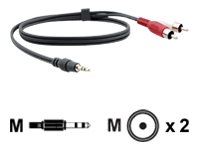
- Wired headphones use a physical cable, typically with a 3.5 mm connector, which can influence compatibility and audio fidelity.
- On-ear headphones rest directly on the ears, offering a more compact design but less isolation than over-ear models.
- Active noise cancellation is most commonly found in over-ear headphones and can reduce ambient noise for a more immersive listening experience.
- Over-ear headphones distribute pressure around the ears for increased comfort during extended use.
Types of Headphones Explained
Over-Ear Headphones

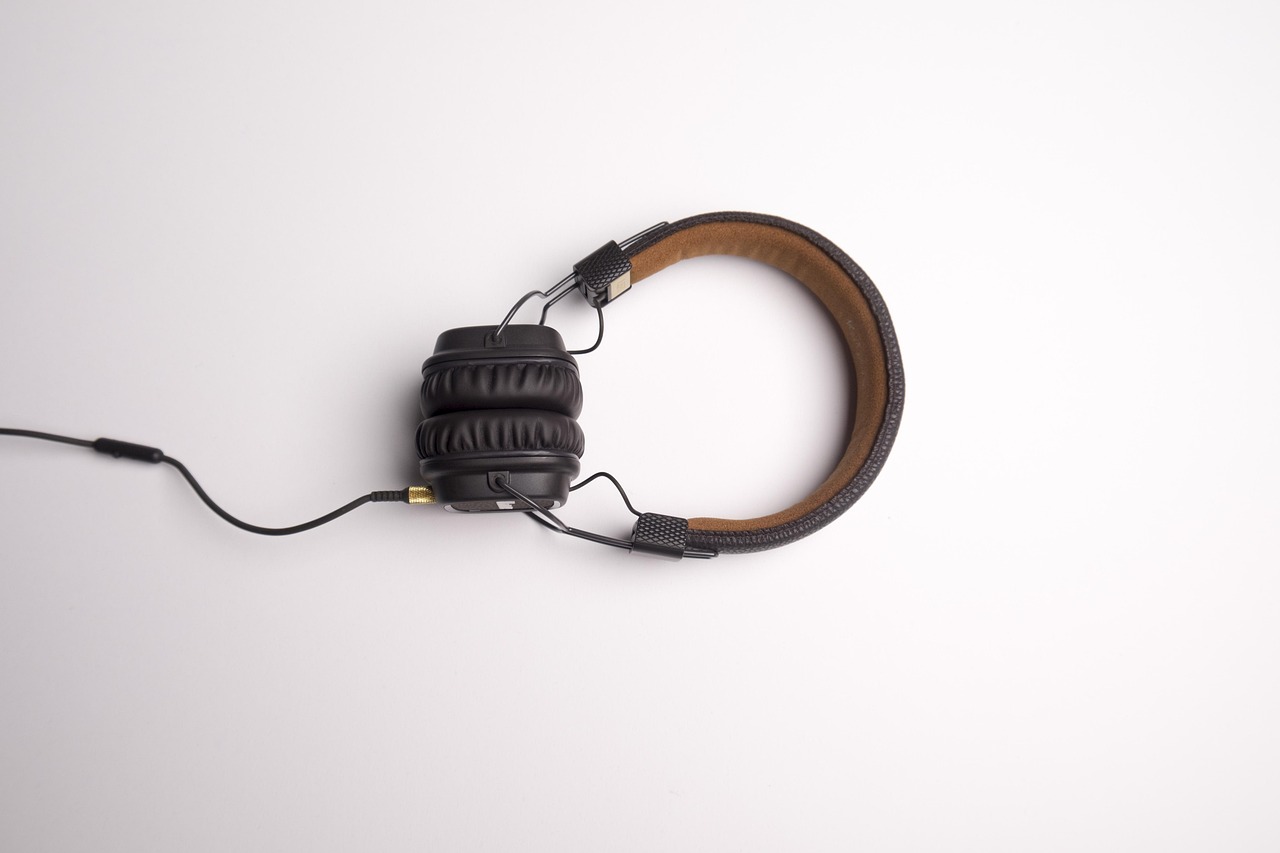
Over-ear headphones, also called circumaural headphones, feature large ear cups that fully enclose the ears. This design provides a physical barrier between the ear and outside noise, which can enhance passive noise isolation. Many over-ear models use thick padding around the ear cups and headband, which can make them comfortable for extended listening sessions. The larger drivers found in this category often deliver a broader soundstage and deeper bass response compared to smaller headphone types.
However, the size and weight of over-ear headphones can make them less portable. They are typically bulkier, which may not suit those who need headphones for travel or commuting. Over-ear designs can also cause heat build-up around the ears during long periods of use, especially with closed-back models. Open-back over-ear headphones allow air and sound to pass through the ear cups, offering a more natural listening experience, but they leak sound and provide less isolation.
If you plan to use headphones for long listening sessions at home or in a studio, over-ear models often provide the most comfort and immersive sound.
- Superior passive noise isolation, especially with closed-back designs
- Bulkier and less portable than other types
- Often provide the widest frequency response and soundstage
- Can become warm during extended use
- Suitable for home, studio, or office environments
On-Ear Headphones
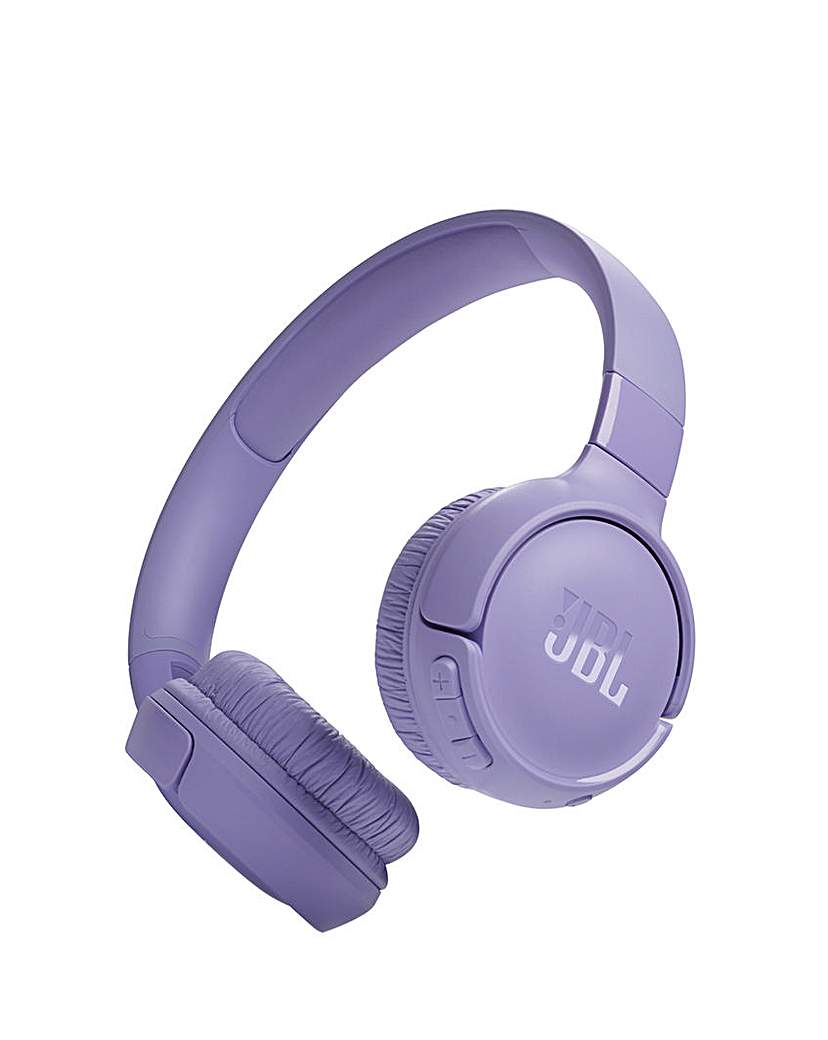
On-ear headphones, or supra-aural headphones, rest directly on the outer ear rather than enclosing it. This design results in a more compact and lighter profile compared to over-ear models, making them easier to carry. On-ear headphones often strike a balance between sound quality and portability, with many models folding flat for storage.
The clamping force needed to keep on-ear headphones in place can cause discomfort during long sessions, especially if the padding is minimal. Sound isolation is typically less effective than with over-ear headphones, as the ear cups do not fully seal around the ear. This can lead to some sound leakage, both in and out, which may not suit use in quiet or shared spaces. However, the lighter build and smaller size make on-ear headphones a practical choice for commuting or office use.
On-ear headphones may not be ideal for those who wear glasses, as the pressure on the ears can cause discomfort over time.
- More portable and lighter than over-ear models
- Moderate sound isolation, with some sound leakage
- Can cause ear discomfort during long listening sessions
- Foldable designs available for easier transport
- Suitable for commuting and office use
Earbuds and In-Ear Headphones

Earbuds and in-ear headphones are the most compact option, with designs that either rest just inside the ear canal or sit at the entrance. In-ear models (also called canalphones) create a seal within the ear canal, which can provide effective passive noise isolation and improved bass response. Earbuds, which sit outside the ear canal, offer less isolation but may feel more comfortable for some users.
These headphones are highly portable and easy to store, making them popular for travel, exercise, and everyday use. Many in-ear headphones include interchangeable ear tips to improve fit and comfort. However, the small size of the drivers can limit soundstage and bass compared to larger headphones. Some users may find in-ear designs uncomfortable or experience ear fatigue after prolonged use.
For the best fit and sound quality, try different ear tip sizes included with in-ear headphones.
- Highly portable and pocket-friendly
- In-ear models offer strong noise isolation and secure fit
- Earbuds provide less isolation but may be more comfortable for some
- Soundstage and bass are typically less pronounced than larger headphones
- Ideal for travel, exercise, and casual listening
Comparison Table
| Feature | Over-Ear Headphones | On-Ear Headphones | Earbuds/In-Ear Headphones |
|---|---|---|---|
| Noise Isolation | High (closed-back) | Moderate | High (in-ear), Low (earbud) |
| Portability | Low | Moderate | High |
| Comfort (long sessions) | High | Moderate | Variable |
| Soundstage | Wide | Moderate | Narrow |
| Sound Leakage | Low (closed-back) | Moderate | Low (in-ear), High (earbud) |
| Use Case | Home/Studio | Commuting/Office | Travel/Exercise |
Wired vs Wireless: What to Consider
Wired Headphones

Wired headphones connect directly to the audio source using a physical cable, typically with a 3.5mm or 6.35mm jack. This direct connection ensures a stable signal and eliminates concerns about battery life or wireless interference. Many audio professionals and enthusiasts prefer wired models for their consistent sound quality and negligible latency, which is especially important for critical listening or studio work.
A key advantage of wired headphones is compatibility. They work with any device featuring a suitable headphone jack, from mixing desks to older smartphones and laptops. However, as many newer devices omit these ports, adapters may be necessary. Wired headphones also avoid the need for charging, making them reliable for long listening sessions or travel. The cable itself can be a point of failure over time, and movement is limited by cable length, which may not suit active or on-the-go use.
If you require headphones for professional audio tasks or gaming, wired models offer lower latency and more reliable synchronisation with video.
- Consistent audio quality without compression or interference
- No need for charging or battery management
- Universal compatibility with devices featuring headphone jacks
- Limited mobility due to cable length
- Potential for cable wear over time
Wireless Headphones

Wireless headphones use Bluetooth or proprietary wireless protocols to connect to audio sources. This eliminates cables, offering greater freedom of movement and convenience, particularly for commuting, exercise, or general use around the home. Modern wireless models often support high-quality codecs such as aptX or AAC, reducing the gap in audio fidelity compared to wired options.
Battery life is a primary consideration with wireless headphones. Most models provide between 15 and 40 hours of playback per charge, but this varies by size and features such as active noise cancellation. Charging methods include USB-C, micro-USB, or dedicated charging cradles. Wireless headphones can suffer from occasional dropouts or latency, which may be noticeable when watching video or gaming. Compatibility is generally broad, but some older devices may not support the latest Bluetooth standards.
Wireless headphones may not be suitable for environments with significant wireless interference, as this can cause audio dropouts or reduced range.
- Freedom from cables for increased mobility
- Battery life and charging requirements
- Potential for audio latency or dropouts
- Compatibility with Bluetooth-enabled devices
- Audio quality depends on supported codecs
True Wireless Earbuds

True wireless earbuds are a subset of wireless headphones with no cables between the earpieces or to the audio source. Each earbud connects independently, typically via Bluetooth, and is stored in a charging case that provides additional battery life. Their compact size makes them highly portable, ideal for commuting, travel, or exercise.
Battery life for true wireless earbuds is generally shorter than for larger wireless headphones, often ranging from 4 to 8 hours per charge, with the case providing multiple recharges. Fit and comfort are crucial, as poor sealing can affect both sound quality and passive noise isolation. True wireless earbuds are particularly prone to being misplaced due to their small size. Advanced features such as touch controls, voice assistant integration, and active noise cancellation are increasingly common, but may impact battery life.
For frequent travellers or gym users, true wireless earbuds offer maximum portability, but check the total battery life including the charging case.
- Compact, cable-free design for portability
- Shorter battery life per charge, offset by charging case
- Fit and ear tip options affect comfort and sound isolation
- Increased risk of losing individual earbuds
- Feature set may include touch controls or noise cancellation
Wired vs Wireless: Comparison Table
| Feature | Wired Headphones | Wireless Headphones | True Wireless Earbuds |
|---|---|---|---|
| Connection | Cable (3.5mm/6.35mm) | Bluetooth/wireless | Bluetooth |
| Battery Required | No | Yes | Yes |
| Typical Battery Life | Unlimited | 15–40 hours | 4–8 hours (per charge) |
| Portability | Moderate | Good | Excellent |
| Audio Latency | Negligible | Possible | Possible |
| Risk of Loss | Low | Low | Higher |
| Device Compatibility | Wired devices | Bluetooth devices | Bluetooth devices |
| Maintenance | Cable wear possible | Battery/cable wear | Battery/case wear |
Each type of headphone offers distinct advantages and trade-offs. Wired headphones prioritise reliability and audio fidelity, wireless headphones offer convenience and flexibility, while true wireless earbuds maximise portability at the cost of shorter battery life and higher loss risk. Matching your choice to your usage scenario ensures the most satisfactory experience.
Sound Quality and Driver Technology
On-Ear Headphones
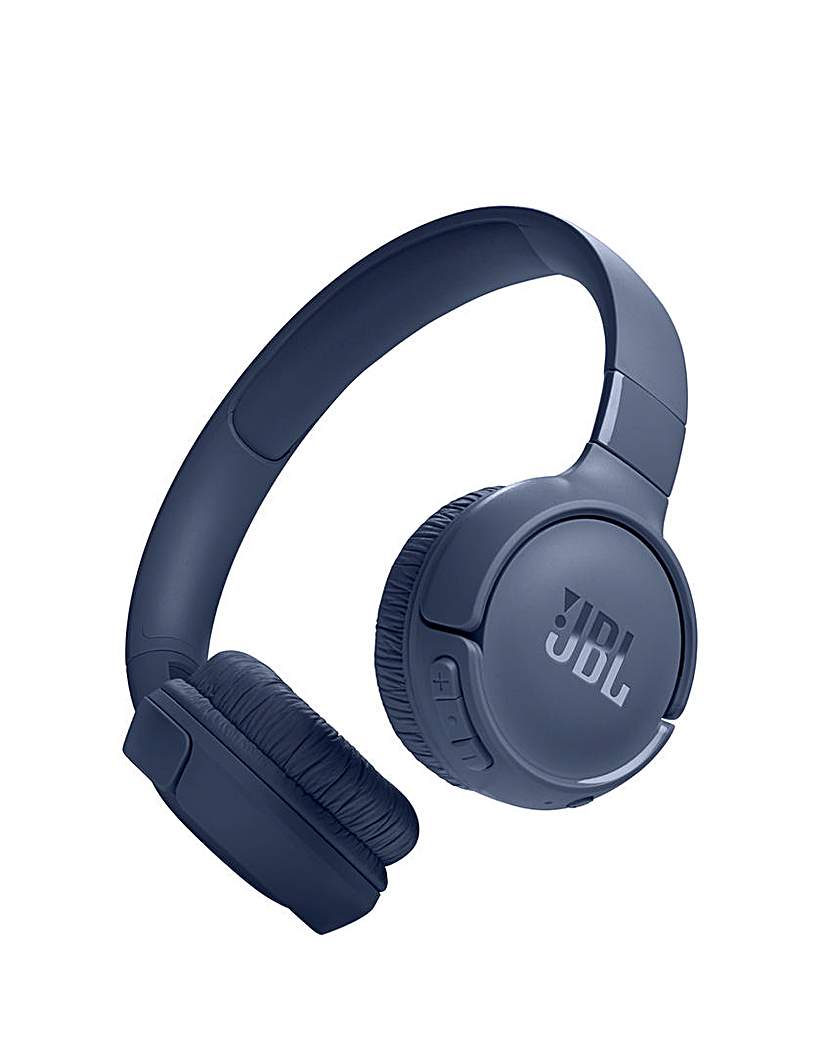
On-ear headphones, or supra-aural headphones, rest directly on the ears rather than surrounding them. This design affects both sound quality and comfort. Because the ear pads sit on the ear, passive noise isolation is generally less effective than with over-ear models. As a result, external sounds may be more audible, which can influence perceived audio clarity in noisy environments.
Driver technology in on-ear headphones often uses dynamic drivers, which offer a balance between size, efficiency, and sound reproduction. The smaller ear cups can limit the size of the driver compared to over-ear models, sometimes resulting in less pronounced bass response. However, many on-ear headphones are tuned to emphasise midrange and treble frequencies, which can make vocals and instruments sound more forward and detailed. Some models incorporate additional acoustic features, such as vented ear pads or angled drivers, to enhance spatial presentation and reduce distortion.
On-ear headphones can be a good compromise if you want a more compact design without switching to in-ear models, but expect some trade-offs in bass depth and noise isolation.
- Less passive noise isolation compared to over-ear designs
- Typically use dynamic drivers, which may limit bass extension
- Tuning often emphasises midrange and treble for vocal clarity
- Comfort can vary depending on ear pad material and clamping force
- Lighter and more portable than most over-ear headphones
Earbuds and In-Ear Monitors

Earbuds and in-ear monitors (IEMs) are inserted into or rest at the entrance of the ear canal. This design provides a very different acoustic experience compared to on-ear and over-ear headphones. Earbuds generally offer limited passive isolation, while IEMs, which form a seal inside the ear canal, can block out a significant amount of external noise. This isolation can enhance the perception of detail and improve bass response, even with smaller drivers.
Driver technology in this category is varied. Many earbuds use dynamic micro-drivers, which are compact and efficient. Higher-end IEMs may use balanced armature drivers, which excel at reproducing fine detail and clarity, or hybrid designs that combine both technologies for a broader frequency response. The fit and seal of the ear tip play a critical role in sound quality, affecting both bass performance and overall clarity. Custom-moulded IEMs offer a tailored fit for improved comfort and consistency in sound delivery.
A poor seal with in-ear headphones can drastically reduce bass response and overall sound quality, so tip selection and fit are crucial.
- In-ear monitors provide superior passive isolation compared to standard earbuds
- Driver types include dynamic, balanced armature, and hybrid configurations
- Sound quality is highly dependent on ear tip fit and seal
- Typically more portable and discreet than on-ear or over-ear headphones
- Custom-moulded options offer enhanced comfort and consistent audio performance
Bone Conduction Headphones

Bone conduction headphones transmit sound through the bones of the skull rather than the air in the ear canal. This technology leaves the ear open, allowing users to remain aware of their surroundings while listening to audio. Bone conduction models are popular for activities where situational awareness is important, such as running or cycling.
Sound quality from bone conduction headphones differs significantly from traditional designs. Because the transducers bypass the outer and middle ear, bass response is generally weaker, and overall fidelity may not match that of over-ear, on-ear, or in-ear headphones. However, they are less likely to cause ear fatigue and can be used by individuals with certain types of hearing loss. Bone conduction headphones typically use piezoelectric drivers, which vibrate against the cheekbones to transmit audio signals.
Bone conduction headphones are best suited for environments where hearing ambient sounds is a priority, rather than for critical listening.
- Leave ears open for maximum situational awareness
- Weaker bass and overall fidelity compared to traditional headphone designs
- Use piezoelectric drivers for sound transmission through bone
- Suitable for users with some hearing impairments
- Less likely to cause ear canal discomfort or fatigue
Driver Technology Comparison Table
| Headphone Type | Typical Driver Types | Isolation Level | Bass Response | Key Acoustic Strengths |
|---|---|---|---|---|
| Over-Ear | Dynamic, planar magnetic | High | Strong | Wide soundstage, deep bass |
| On-Ear | Dynamic | Moderate | Moderate | Clear mids, portable design |
| Earbuds/IEMs | Dynamic, balanced armature | Variable (high in IEMs) | Variable (good with seal) | Detail, isolation, compact size |
| Bone Conduction | Piezoelectric | None | Weak | Ambient awareness, comfort |
Noise Cancellation: Is It Worth It?
Over-Ear Headphones with Noise Cancellation

Active noise cancellation (ANC) is a common feature in over-ear headphones. These models use built-in microphones to detect ambient sounds and generate inverse sound waves, reducing the perception of external noise. The large ear cups already provide a degree of passive isolation, but ANC can further dampen low-frequency sounds such as engine rumble or air conditioning.
The effectiveness of ANC in over-ear headphones often surpasses that of other types due to the physical barrier created by the ear cups. However, ANC circuits require power, so battery life becomes a critical consideration. Some models allow users to switch off ANC to extend battery life or when noise reduction is not needed. Sound quality may also be affected by ANC, with some listeners reporting a slight reduction in audio fidelity when the feature is active.
If you travel frequently or work in noisy environments, prioritise over-ear headphones with adjustable noise cancellation levels for greater flexibility.
- Most effective at reducing consistent, low-frequency background noise
- Typically offer longer battery life than smaller ANC headphones, but still require regular charging
- May introduce a slight pressure sensation or altered sound signature when ANC is active
- Bulky design is less portable, but provides comfort for extended listening
- Some models allow ANC to be toggled off to preserve battery or improve sound quality
On-Ear Headphones with Noise Cancellation
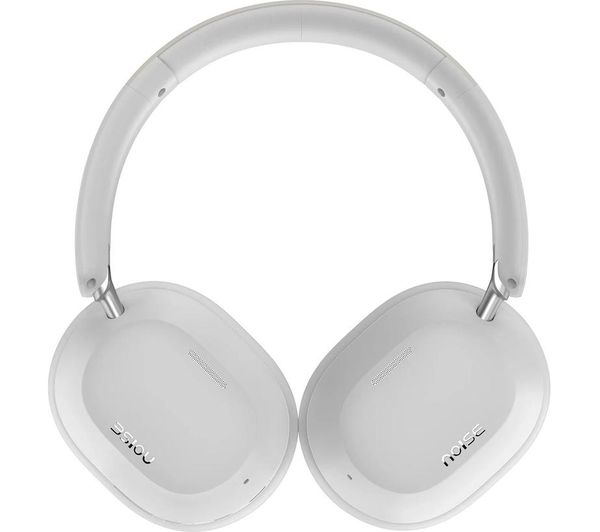
On-ear headphones with ANC combine moderate passive isolation with electronic noise reduction. Because these headphones rest on the ears rather than enveloping them, passive noise isolation is less pronounced. ANC helps compensate for this by targeting external sounds, but the overall effect is usually less dramatic than with over-ear models.
Battery life in on-ear ANC headphones is often shorter due to smaller form factors and limited space for batteries. Comfort can also be an issue for long listening sessions, as the clamping force required for a good seal may cause discomfort. Nevertheless, on-ear ANC headphones are lighter and more compact, making them suitable for commuters and those who prefer less bulk.
On-ear ANC headphones may not block as much noise as over-ear models, especially in very loud environments.
- Offer a balance between portability and noise reduction
- Less effective at passive noise isolation due to ear pad design
- Shorter battery life compared to over-ear ANC headphones
- Lighter and more compact, but may cause discomfort over long periods
- ANC performance varies widely between models
True Wireless Earbuds with Noise Cancellation
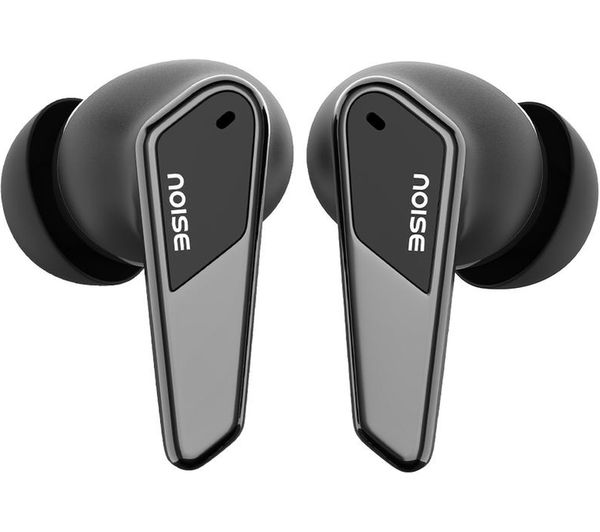
True wireless earbuds with ANC have become increasingly popular. These compact devices use microphones and digital processing to counteract external noise, often focusing on low-frequency sounds. Because earbuds fit directly into the ear canal, they already provide some passive isolation, but the small size limits the space available for ANC components and batteries.
ANC in earbuds is generally less powerful than in full-size headphones, but it can still make a noticeable difference on public transport or in busy environments. Battery life is a key factor, as ANC can significantly reduce playback time. Many earbuds offer transparency or ambient modes, allowing users to let in external sounds when needed for safety or awareness.
For the most consistent ANC performance with earbuds, ensure a secure and proper fit in the ear canal.
- Highly portable and discreet, suitable for everyday use
- Passive isolation depends on ear tip fit and seal
- ANC effectiveness is limited by size and battery constraints
- Battery life is typically shorter with ANC enabled
- Features like transparency mode can improve situational awareness
Noise Cancellation Comparison Table
| Headphone Type | Passive Isolation | ANC Effectiveness | Battery Life (ANC On) | Portability | Comfort (Long Wear) |
|---|---|---|---|---|---|
| Over-Ear Headphones | High | High | Long | Low | High |
| On-Ear Headphones | Moderate | Moderate | Medium | Medium | Medium |
| True Wireless Earbuds | Variable | Low to Moderate | Short | High | Variable |
Comfort, Fit, and Build Quality
Over-Ear Headphones

Over-ear headphones are designed with large ear cups that surround the ears, distributing pressure across the side of the head rather than on the ears themselves. This design often results in less discomfort during extended listening sessions, as the weight is supported by the headband and the padding around the ears. Premium models frequently use memory foam or high-density padding for the ear cups, which can further enhance comfort and help create a secure seal against the head.
The build quality of over-ear headphones varies significantly. Entry-level options may use more plastic components, which can reduce weight but may compromise long-term durability. Higher-end models often incorporate metal reinforcements in the headband or hinges, and use more robust materials for the ear pads. The clamping force of the headband is a key factor in both comfort and fit; too much pressure can cause headaches, while too little may lead to a loose fit and sound leakage. Adjustable headbands and swivelling ear cups allow for a more personalised fit, which is especially important for users with larger or smaller head sizes.
If you wear glasses, look for over-ear models with softer, more pliable ear pads to minimise pressure on the frames.
- Ear cup padding material and thickness
- Headband adjustability and clamping force
- Weight distribution and overall weight
- Durability of hinges and headband materials
- Suitability for users with glasses
On-Ear Headphones

On-ear headphones rest directly on the ears, making their comfort highly dependent on the ear pad material and headband pressure. Because they do not fully enclose the ear, on-ear models tend to be lighter and more compact than over-ear headphones. However, the pressure on the outer ear can cause discomfort during long listening sessions, especially if the clamping force is high or the padding is thin.
Build quality in on-ear headphones ranges from lightweight plastic frames to sturdier metal constructions. The choice of materials affects both durability and comfort. Some models offer rotating or folding ear cups, which can improve portability and adjustability. Padding thickness and material are crucial; firmer pads may last longer but can be less forgiving, while softer pads provide immediate comfort but may compress over time. The fit can also be affected by head shape and ear size, so models with adjustable headbands and flexible ear cup mounts are preferable for a wider range of users.
On-ear headphones can cause discomfort for users with larger ears or those sensitive to pressure on the ear cartilage.
- Ear pad softness and resilience
- Headband flexibility and adjustability
- Weight and portability
- Foldable or swivelling ear cup design
- Suitability for different ear sizes
Earbuds (In-Ear Headphones)

Earbuds, or in-ear headphones, are inserted directly into the ear canal or rest just outside it. Comfort and fit are determined by the shape of the earbud and the type and size of ear tips provided. Silicone and memory foam tips are common, with foam tips offering better passive noise isolation and a more customised fit. A poor fit can lead to discomfort, reduced sound quality, and earbuds falling out during movement.
Build quality for earbuds is influenced by the materials used in the housings, cables (for wired models), and connectors. Strain relief at the cable junctions is essential for longevity. For wireless earbuds, the design of the charging case and the robustness of the hinge or lid are also relevant. Many models include multiple ear tip sizes to accommodate different ear shapes, but some users may still struggle to achieve a secure and comfortable fit, especially during exercise or extended use.
Try all included ear tip sizes to find the most secure and comfortable fit; a proper seal improves both comfort and sound quality.
- Variety and material of included ear tips
- Earbud shape and size relative to ear canal
- Cable durability and strain relief (for wired models)
- Charging case design and build (for wireless models)
- Stability during movement or exercise
Comparison Table
| Feature | Over-Ear Headphones | On-Ear Headphones | Earbuds (In-Ear) |
|---|---|---|---|
| Contact Point | Around ears | On ears | In ear canal/outer ear |
| Comfort (long use) | High (less ear pressure) | Moderate (direct pressure) | Varies (depends on tip fit) |
| Weight | Heaviest | Moderate | Lightest |
| Adjustability | Headband, ear cups | Headband, some ear cups | Ear tip size/shape |
| Portability | Bulky | Foldable/compact | Highly portable |
| Glasses compatibility | Good (with soft pads) | Can cause extra pressure | Usually unaffected |
| Build Material Range | Plastic, metal, foam | Plastic, metal, foam | Plastic, silicone, foam |
Comfort is highly subjective; what works for one person may not suit another, so hands-on testing is valuable where possible.
Common Questions
Are on-ear headphones suitable for glasses wearers?
On-ear headphones can press the arms of glasses against the head, causing discomfort over time. Adjustable headbands and softer padding can help, but over-ear models are usually more comfortable for glasses wearers.
Do on-ear headphones provide good sound quality?
Many on-ear headphones deliver balanced sound, but bass response may be less pronounced than with over-ear designs due to the smaller ear cups and less effective seal.
---
### Earbuds (In-Ear Headphones)
Earbuds, also known as in-ear headphones, fit directly into the ear canal or rest just outside it. This category includes both traditional wired earbuds and true wireless models. Their compact size makes them highly portable and discrete, suiting users who need headphones for exercise, commuting, or travel.
Fit and seal are critical for both comfort and sound quality. Earbuds with silicone or foam tips that form a seal in the ear canal generally provide better bass response and noise isolation than models that rest outside the canal. However, some users find in-ear designs uncomfortable, especially during long listening sessions. Hygiene is another consideration, as earbuds can accumulate earwax and need regular cleaning.
> **Worth knowing:** Poorly fitting earbuds can fall out easily and deliver weak bass. Always test different tip sizes to ensure a secure and comfortable fit.
Key considerations for earbuds:
- Extremely portable and easy to store
- Fit and seal affect both comfort and audio performance
- Some models offer active noise cancellation, but passive isolation varies
- Require regular cleaning for hygiene
- Battery life varies widely for wireless models
Are earbuds safe for long-term use?
Listening at high volumes for extended periods can cause hearing damage, regardless of headphone type. Earbuds can make it easier to listen loudly, so monitor your listening habits and take breaks.
Can earbuds be used for sports?
Many earbuds are designed specifically for sports, with features like water resistance and secure-fit tips. Always check the product specifications for sweat or water resistance ratings.
---
### True Wireless Earbuds
True wireless earbuds are a subcategory of in-ear headphones with no cables between the earpieces or to the audio source. Each earbud connects wirelessly, usually via Bluetooth, and they come with a charging case for storage and battery top-ups.
Battery life is a key differentiator. Most true wireless earbuds offer four to eight hours of playback per charge, with the case providing additional charges. Connectivity stability and touch controls are other important features, as is compatibility with voice assistants. True wireless models are especially convenient for those who want complete freedom of movement, but they are easier to misplace and may be more expensive than wired or standard wireless earbuds.
> **Tip:** Always check the battery life of both the earbuds and the charging case, as this determines total listening time between mains charges.
Key considerations for true wireless earbuds:
- No cables for maximum freedom of movement
- Battery life depends on both earbuds and charging case
- Touch controls and connectivity features vary by model
- Easy to lose due to small size
- Charging case adds bulk but extends usability
How do true wireless earbuds differ from standard wireless earbuds?
True wireless earbuds have no cables at all, while standard wireless earbuds may have a cable connecting the two earpieces. This affects comfort, portability, and sometimes battery life.
What should I do if I lose one earbud?
Some brands sell individual replacements, but not all. Check with the manufacturer before purchasing if this is a concern.
---
### Comparison Table: On-Ear vs Earbuds vs True Wireless Earbuds
| Feature | On-Ear Headphones | Earbuds (In-Ear) | True Wireless Earbuds |
|------------------------|------------------------|--------------------------|---------------------------|
| Portability | Moderate | High | Highest |
| Comfort (long use) | Moderate | Varies (fit dependent) | Varies (fit dependent) |
| Noise Isolation | Low to moderate | Moderate to high | Moderate to high |
| Battery Life | Long (wired/unlimited) | Varies (wired/unlimited) | 4-8 hours per charge |
| Risk of Loss | Low | Moderate | High |
| Sound Leakage | Moderate | Low | Low |
| Suitability for Sport | Limited | Good (sport models) | Good (sport models) |
The most important decision when choosing headphones is balancing comfort and fit with your preferred listening environment. Over-ear models provide greater isolation and comfort for extended use, while on-ear and earbud options offer portability and a lighter feel. Consider whether wired or wireless connectivity and features like noise cancellation align with your usage habits and audio sources.