In this guide
Key Takeaways
- Running trainers prioritise impact absorption and are tailored for repetitive forward movement.
- Walking trainers emphasise flexibility and heel-to-toe support for natural walking motion.
- Cross-training trainers offer versatility for gym sessions, aerobics, and light court sports.
- Leather trainers provide durability and a traditional look due to their sturdy construction.
- Canvas trainers are known for their lightweight feel and breathable fabric uppers.
Types of Trainers and Their Uses
Running Trainers

Running trainers are engineered for repetitive forward motion and impact absorption. They typically feature lightweight mesh uppers for breathability and midsoles with substantial cushioning to reduce stress on joints. Outsoles are often designed with flex grooves to promote a natural gait, while heel counters add stability. The drop (difference in height between heel and forefoot) varies, influencing running style and comfort.
Cushioning levels differ between models aimed at long-distance road running and those intended for speed work or racing. Some running trainers include reinforced toe caps or overlays for durability, especially for runners who log high weekly mileage. Weight is a key differentiator, with lighter models preferred for racing and heavier, more cushioned options suited to recovery runs.
Always match the trainer’s cushioning and support profile to your running surface and typical distance.
-
Prioritise cushioning and shock absorption for road running
-
Look for breathable uppers for ventilation during extended use
-
Consider heel-to-toe drop based on your running style
-
Check outsole grip if you run in wet or mixed conditions
-
Evaluate weight if you plan to use them for racing or speed work
Cross-Training Trainers

Cross-training trainers are designed for versatility across multiple activities, from gym sessions to aerobics and circuit training. They typically offer a stable, flat sole for balance during weightlifting and lateral support for side-to-side movements. Uppers are often reinforced to withstand multidirectional stress, and the cushioning is firmer than in running trainers to provide a stable base for lifting.
These trainers are less specialised for any single sport but excel in environments where varied movement is required. Outsoles are usually made from durable rubber with patterns optimised for traction on gym floors. Some models include additional arch support or medial posts for stability during dynamic moves.
Cross-trainers are not ideal for long-distance running due to their firmer midsoles and heavier construction.
-
Prioritise stability and lateral support for multidirectional movement
-
Choose durable outsoles for traction on indoor surfaces
-
Seek reinforced uppers for durability during high-intensity workouts
-
Opt for firmer midsoles for a stable lifting platform
-
Avoid using for extended running sessions
Walking Trainers
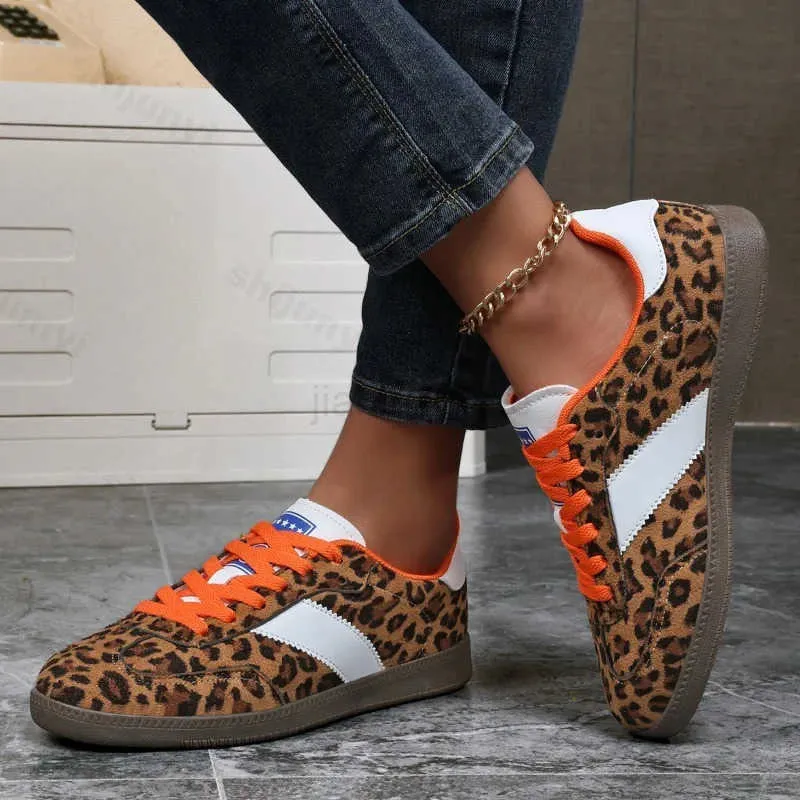
Walking trainers are optimised for comfort during prolonged periods on foot. They tend to feature moderate cushioning, flexible soles, and a lower heel-to-toe drop compared to running trainers. The fit is often broader in the toe box to accommodate natural splay during walking. Outsoles are designed for grip on pavements and light trails, with tread patterns that promote smooth heel-to-toe transitions.
Breathable materials are common, but some walking trainers include water-resistant treatments or linings for wet weather use. Padding around the collar and tongue enhances comfort for all-day wear. Weight is typically moderate, balancing support and ease of movement.
Try on walking trainers with the socks you intend to wear for accurate fit and comfort.
-
Look for flexible soles that promote natural foot movement
-
Consider water-resistant options for varied weather
-
Choose moderate cushioning for comfort without excess bulk
-
Prioritise fit, especially in the toe box
-
Check tread pattern for grip on your usual walking surfaces
Lifestyle Trainers
Lifestyle trainers prioritise style and everyday comfort over technical performance. These trainers often feature premium materials such as leather or suede, and design elements that reflect current fashion trends. Cushioning is moderate, focusing on underfoot comfort rather than athletic support. Outsoles are typically flat and made from rubber for everyday traction.
While not intended for sport, lifestyle trainers can incorporate features like padded collars or ortholite insoles for enhanced comfort. Breathability and weight vary depending on materials, with some models offering mesh panels for ventilation. They are best suited to casual wear, commuting, or social occasions.
Lifestyle trainers may lack the support and durability required for athletic activities.
-
Focus on materials and construction for style and comfort
-
Check for padded collars or insoles for added comfort
-
Consider breathability if worn for long periods
-
Assess outsole grip for everyday surfaces
-
Avoid using for sports or high-impact activities
Comparison Table: Key Differentiators
| Type | Cushioning | Support | Sole Flexibility | Intended Use | Typical Materials |
|---|---|---|---|---|---|
| Running Trainers | High (varies) | Moderate-High | Flexible | Running, jogging | Mesh, synthetic |
| Cross-Training | Moderate-Firm | High (lateral) | Moderate | Gym, classes, varied workouts | Synthetic, reinforced |
| Walking Trainers | Moderate | Moderate | Flexible | Walking, all-day wear | Mesh, leather, textile |
| Lifestyle Trainers | Moderate | Low-Moderate | Low-Moderate | Everyday, casual | Leather, suede, mesh |
Finding the Right Fit
Walking Trainers
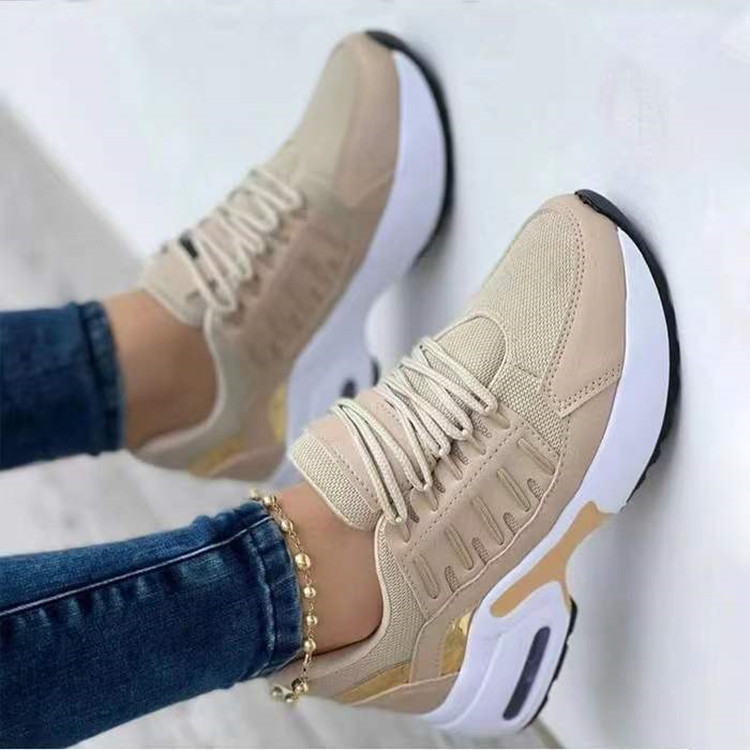
Walking trainers are constructed with a focus on flexibility and support for the heel-to-toe rolling motion typical of walking. They generally offer more cushioning under the heel and a firmer midsole to stabilise the foot. The outsole is often designed with a slight rocker or bevel at the heel to promote a smooth stride. Unlike running trainers, walking shoes usually have less pronounced arch support, as the impact forces are lower and the movement is less dynamic.
Fit is especially important for walking trainers, as a shoe that is too tight or loose can quickly cause blisters or discomfort on longer walks. Sizing may differ from running trainers, so it is advisable to check the manufacturer's guidance and, where possible, try on shoes at the end of the day when feet are at their largest. Pay attention to the width as well as the length, as walking shoes often come in multiple width options.
-
Prioritise heel cushioning and a smooth-rolling outsole
-
Check for a firm but flexible midsole to support natural foot motion
-
Ensure a secure fit with enough room in the toe box to prevent rubbing
-
Look for multiple width options if you have wide or narrow feet
-
Try on shoes at the end of the day for the most accurate fit
If you walk on different surfaces, consider trainers with a more durable outsole for better traction and longevity.
Cross-Training Trainers

Cross-training trainers are designed for versatility across a range of activities, including gym workouts, fitness classes, and short runs. They typically feature a flatter, wider sole for stability during lateral movements and weightlifting. The upper is often reinforced to provide support during multidirectional exercises, while the midsole balances cushioning and firmness to handle both impact and agility.
A proper fit in cross-training trainers should allow for secure lateral support without pinching. The heel should sit snugly to prevent slippage during dynamic movements, and the forefoot must have enough space for toe splay. Breathability is another consideration, as high-intensity training can generate significant heat and moisture.
-
Choose a flat, stable sole for multi-directional movement
-
Ensure reinforced uppers for side-to-side support
-
Look for a snug heel fit to prevent slippage
-
Prioritise breathability for intense workouts
-
Test flexibility in the forefoot for agility exercises
Cross-training trainers are not optimised for long-distance running; using them for this purpose may lead to discomfort or injury.
Trail Trainers

Trail trainers are built for off-road conditions, with aggressive tread patterns and durable materials to handle mud, rocks, and uneven terrain. The outsole often features deep lugs for grip, while the upper may include water-resistant or quick-drying fabrics. Many trail trainers incorporate a rock plate or reinforced toe cap for added protection against debris.
Fit is critical for trail trainers, as an ill-fitting shoe can lead to instability on uneven ground. A secure midfoot and heel lock are essential to prevent the foot from sliding inside the shoe on steep ascents or descents. Some models may run small due to protective overlays, so checking sizing charts or trying on in person is recommended.
-
Select deep-lugged outsoles for grip on loose or muddy surfaces
-
Look for water-resistant or quick-drying uppers for wet conditions
-
Prioritise a secure midfoot and heel fit to prevent slipping
-
Consider rock plates or toe caps for added protection
-
Check sizing carefully, as trail trainers may fit differently from road models
If you regularly encounter wet or muddy conditions, removable insoles can speed up drying and improve hygiene.
Lifestyle Trainers
Lifestyle trainers prioritise comfort and style for everyday wear rather than athletic performance. They often use softer materials, minimal structure, and cushioning focused on all-day comfort. The fit tends to be more relaxed, with wider toe boxes and less rigid support, making them suitable for casual use or light walking.
When choosing lifestyle trainers, focus on overall comfort and how the shoe accommodates your foot shape. Materials like leather, canvas, or engineered mesh can affect breathability and flexibility. Since these trainers are often worn for extended periods, ensure there are no pressure points or seams that could cause irritation.
-
Look for soft, breathable materials for all-day comfort
-
Prioritise a relaxed fit with ample toe room
-
Avoid excessive structure if you prefer flexibility
-
Check for padded collars and tongues to reduce pressure points
-
Consider ease of cleaning, especially with lighter colours or materials
Lifestyle trainers may lack the support and durability needed for sports or high-impact activities.
Comparison Table: Key Fit Considerations
| Category | Heel Cushioning | Lateral Support | Outsole Grip | Toe Box Width | Water Resistance |
|---|---|---|---|---|---|
| Walking Trainers | High | Moderate | Moderate | Variable | Rare |
| Cross-Training | Moderate | High | Moderate | Moderate | Rare |
| Trail Trainers | Moderate | High | High | Moderate | Common |
| Lifestyle Trainers | High | Low | Low | Wide | Rare |


Cushioning and Support
Cross-Training Trainers

Cross-training trainers are designed for versatility across a range of activities, including gym workouts, aerobics, and light court sports. Their midsoles often feature moderate cushioning that balances shock absorption with stability, making them suitable for lateral movements and short sprints. The support structure in cross-trainers tends to be firmer than in running trainers, with reinforced sidewalls or overlays that help prevent the foot from rolling during multidirectional exercises.
The outsole is another key differentiator. Cross-training trainers typically use durable rubber compounds with varied tread patterns to provide grip on both gym floors and outdoor surfaces. Arch support is usually moderate, as these trainers are intended for users who switch between activities rather than focus on a single repetitive motion. When evaluating cushioning, consider the density and placement of foam or gel inserts, as some models concentrate support under the heel while others distribute it more evenly.
-
Prioritise cross-trainers with reinforced sidewalls for lateral support
-
Look for moderate, evenly distributed cushioning for mixed-activity use
-
Choose outsoles with multi-surface grip if you train indoors and outdoors
-
Check arch support levels if you have specific pronation needs
-
Assess the flexibility of the forefoot for activities that require quick direction changes
Cross-training trainers are not optimised for long-distance running or heavy lifting, so match your footwear to your primary activity for best results.
Basketball Trainers

Basketball trainers are engineered to support dynamic, high-impact movements such as jumping, pivoting, and rapid lateral shifts. Their cushioning systems are typically more substantial, often using thick foam or air-based units under the heel and forefoot to absorb shock from repeated jumps. The midsole is generally stiffer to enhance stability and prevent excessive foot flexion during quick stops and turns.
Support features in basketball trainers include high or mid-top collars that stabilise the ankle, as well as structured heel counters to lock the rearfoot in place. The outsole is usually flat and wide, with a herringbone or similar traction pattern to maximise grip on indoor courts. Breathability can vary, but synthetic uppers with mesh panels are common to help manage heat build-up during intense play.
-
Opt for high or mid-top designs if you need extra ankle support
-
Evaluate the thickness and responsiveness of heel and forefoot cushioning
-
Inspect the outsole pattern for court-specific traction
-
Consider the stiffness of the midsole for stability during lateral moves
-
Check for reinforced toe boxes if you drag your foot during stops
The extra bulk and ankle support in basketball trainers may feel restrictive for activities requiring maximum flexibility or speed.
Trail Trainers
Trail trainers are purpose-built for off-road running and hiking, with cushioning and support tailored to uneven terrain. Their midsoles often incorporate firmer foam or rock plates to shield the foot from sharp stones and roots, while still providing enough shock absorption for downhill impacts. The support structure is robust, with overlays or external frames that stabilise the foot on sloped or unstable surfaces.
Grip is a defining feature, with outsoles using aggressive lugs and sticky rubber compounds to maintain traction on mud, gravel, and wet ground. Trail trainers also tend to have reinforced toe caps and water-resistant or quick-drying uppers to protect against environmental hazards. Arch support may be more pronounced in some models to help prevent overpronation on uneven ground.
-
Select trail trainers with rock plates or reinforced midsoles for protection
-
Look for aggressive outsole lugs for grip on loose or slippery surfaces
-
Prioritise water-resistant materials if you run in wet conditions
-
Assess the level of ankle and arch support for technical terrain
-
Check toe and heel reinforcements for added durability
Trail trainers can feel stiffer and heavier than road trainers, so consider the trade-off between protection and agility for your typical routes.
Minimalist Trainers
Minimalist trainers are designed to simulate barefoot movement, offering minimal cushioning and support. The midsole is typically thin, with just enough material to shield the foot from debris without interfering with natural ground feel. These trainers encourage a forefoot or midfoot strike and rely on the wearer’s own foot strength for shock absorption and stability.
Support features are intentionally limited. The heel-to-toe drop is usually very low, sometimes zero, to promote a more natural gait. Outsoles are flexible and often use lightweight rubber, while uppers are thin and unstructured to minimise weight. Minimalist trainers are best suited for experienced runners or those transitioning gradually from traditional trainers.
-
Choose minimalist trainers with a low or zero heel-to-toe drop for natural movement
-
Ensure the outsole is flexible to allow full foot articulation
-
Look for lightweight, breathable uppers for comfort during extended wear
-
Assess your experience and foot strength before committing to minimal support
-
Transition gradually to avoid injury if moving from cushioned trainers
Minimalist trainers offer little shock absorption, increasing the risk of injury if you have not adapted your running form or foot strength.
Cushioning and Support Comparison Table
| Trainer Type | Cushioning Level | Support Features | Outsole Grip | Typical Use Cases |
|---|---|---|---|---|
| Cross-Training | Moderate, balanced | Reinforced sidewalls | Multi-surface | Gym, classes, mixed sports |
| Basketball | Substantial, focused | High/mid-top, heel counter | Court-specific | Basketball, indoor courts |
| Trail | Firm, protective | Rock plate, overlays | Aggressive lugs | Trail running, hiking |
| Minimalist | Minimal | Low/none | Flexible, basic | Barefoot-style, short runs |
Materials and Durability
Leather Trainers

Leather trainers are valued for their robust construction and classic appearance. Full-grain leather offers a dense, durable upper that resists abrasion and can develop a patina over time, while top-grain and split leather provide a lighter, more flexible feel at the expense of some toughness. Leather's natural breathability is moderate, so ventilation holes or mesh panels are often added to improve airflow for daily use.
Maintenance is essential for leather trainers to retain their look and longevity. Regular cleaning with a damp cloth, occasional conditioning, and avoiding prolonged exposure to water will help prevent cracking and stiffness. Leather trainers tend to be heavier than synthetic or mesh options, which may not suit those prioritising lightweight footwear for athletic performance.
-
Full-grain leather maximises durability and resists wear
-
Requires regular cleaning and conditioning to prevent drying or cracking
-
Heavier than synthetic or mesh trainers, which may affect performance
-
Moderate breathability, often supplemented with perforations or mesh panels
-
Suitable for casual wear and moderate activity levels
Apply a leather protector spray to help repel moisture and stains, especially if you wear trainers in unpredictable weather.
Mesh Trainers
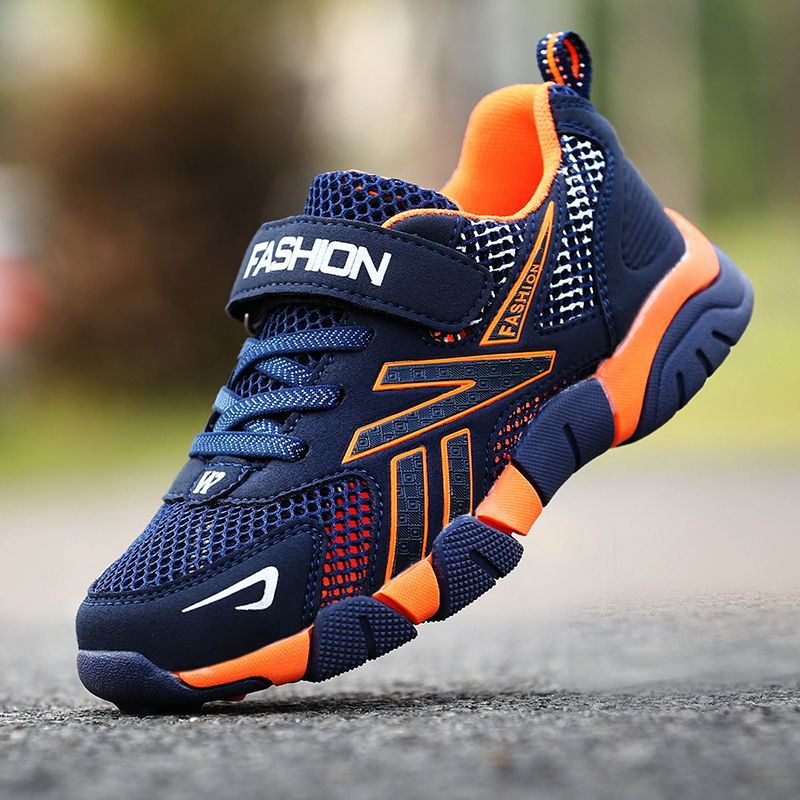
Mesh trainers are constructed with woven synthetic fibres, prioritising ventilation and weight reduction. The open structure of mesh allows heat and moisture to escape, making these trainers ideal for warm conditions or high-intensity activity. The flexibility of mesh also contributes to comfort during dynamic movements.
However, mesh is more prone to tearing and abrasion compared to leather or synthetic leather. Reinforced overlays are often added to high-wear areas, but mesh trainers may still show signs of wear sooner if used on rough terrain. They are quick to dry after exposure to water, but offer little resistance to moisture ingress.
-
Lightweight and highly breathable, suitable for intense activity
-
Quick-drying but not water-resistant
-
Prone to abrasion and may require reinforced panels for durability
-
Flexible construction enhances comfort for dynamic movement
-
Best for indoor use or dry, mild weather
Mesh trainers can absorb odours more readily than leather, so regular airing and cleaning are important to maintain freshness.
Synthetic Trainers
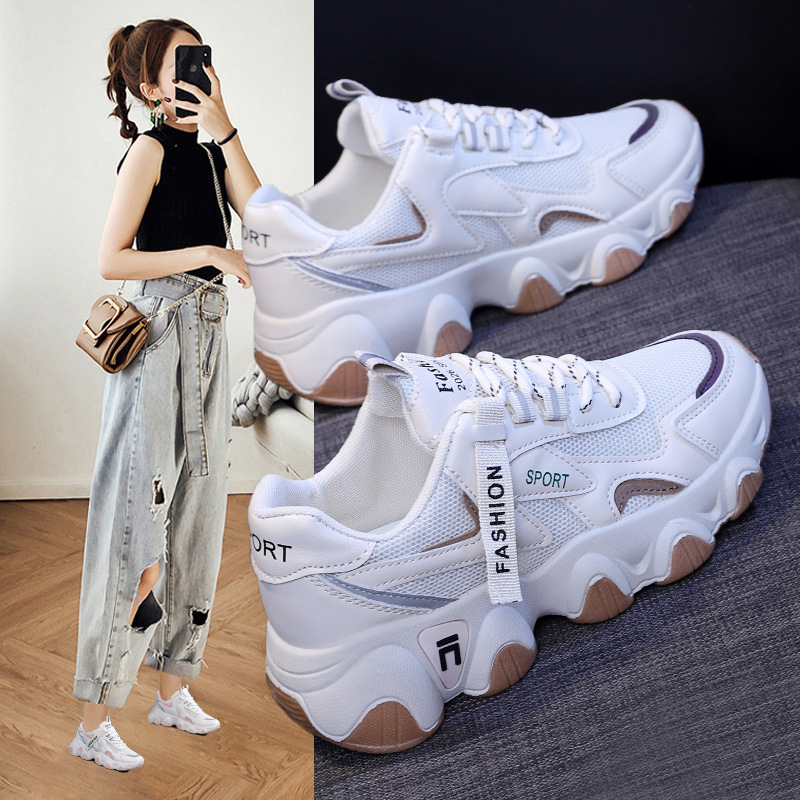
Synthetic trainers use man-made materials such as polyurethane, polyester, or nylon to mimic the look and feel of leather or mesh. These materials are engineered for specific properties, such as water resistance, abrasion resistance, or flexibility. Synthetic uppers often combine panels of different materials to balance durability and comfort.
They are generally lighter than leather trainers and more resistant to water and stains. Maintenance is straightforward, usually requiring only a wipe-down with a damp cloth. However, breathability can vary widely depending on the construction, with some synthetic trainers incorporating mesh inserts to improve airflow.
-
Man-made materials offer customisable properties like water resistance or extra durability
-
Lighter than leather, often more robust than mesh
-
Easy to clean and maintain
-
Breathability depends on design; check for mesh panels if ventilation is important
-
Suitable for wet conditions or those seeking low-maintenance footwear
If you need trainers for unpredictable weather, look for synthetic uppers with sealed seams to minimise water ingress.
Canvas Trainers
Canvas trainers are made from tightly woven cotton or a cotton blend, offering a lightweight and flexible option for casual wear. The material is highly breathable, making canvas trainers comfortable in warm weather. However, canvas provides little resistance to water and can stain easily, so they are less suited to wet or muddy environments.
Durability is moderate; canvas can fray or tear if subjected to heavy use or rough terrain. Cleaning is relatively simple, as most canvas trainers can be spot-cleaned or even machine washed, though this may affect their shape over time. Canvas trainers are often chosen for their relaxed style and comfort rather than ruggedness.
-
Lightweight and breathable, ideal for casual or summer use
-
Not water-resistant; stains and moisture can be an issue
-
Moderate durability, best for light activity or everyday wear
-
Easy to clean, sometimes machine washable
-
Flexible and comfortable for short-term use
Repeated machine washing can weaken canvas fibres and affect the fit, so spot cleaning is preferable for longevity.
Comparison Table: Trainer Upper Materials
| Material | Weight | Breathability | Water Resistance | Maintenance | Durability |
|---|---|---|---|---|---|
| Leather | Heavy | Moderate | Moderate | Regular conditioning | High |
| Mesh | Very light | High | Low | Occasional cleaning | Low to moderate |
| Synthetic | Light | Variable | High (some types) | Wipe clean | Moderate to high |
| Canvas | Very light | High | Low | Spot/machine clean | Moderate |


Common Questions
Are canvas trainers suitable for sports activities?
Canvas trainers are best suited for casual use. They lack the cushioning and support required for high-impact or performance sports.
How can I extend the life of my canvas trainers?
Regular cleaning and applying a protective spray can help maintain appearance and durability. Avoid wearing them in wet conditions to prevent damage.
---
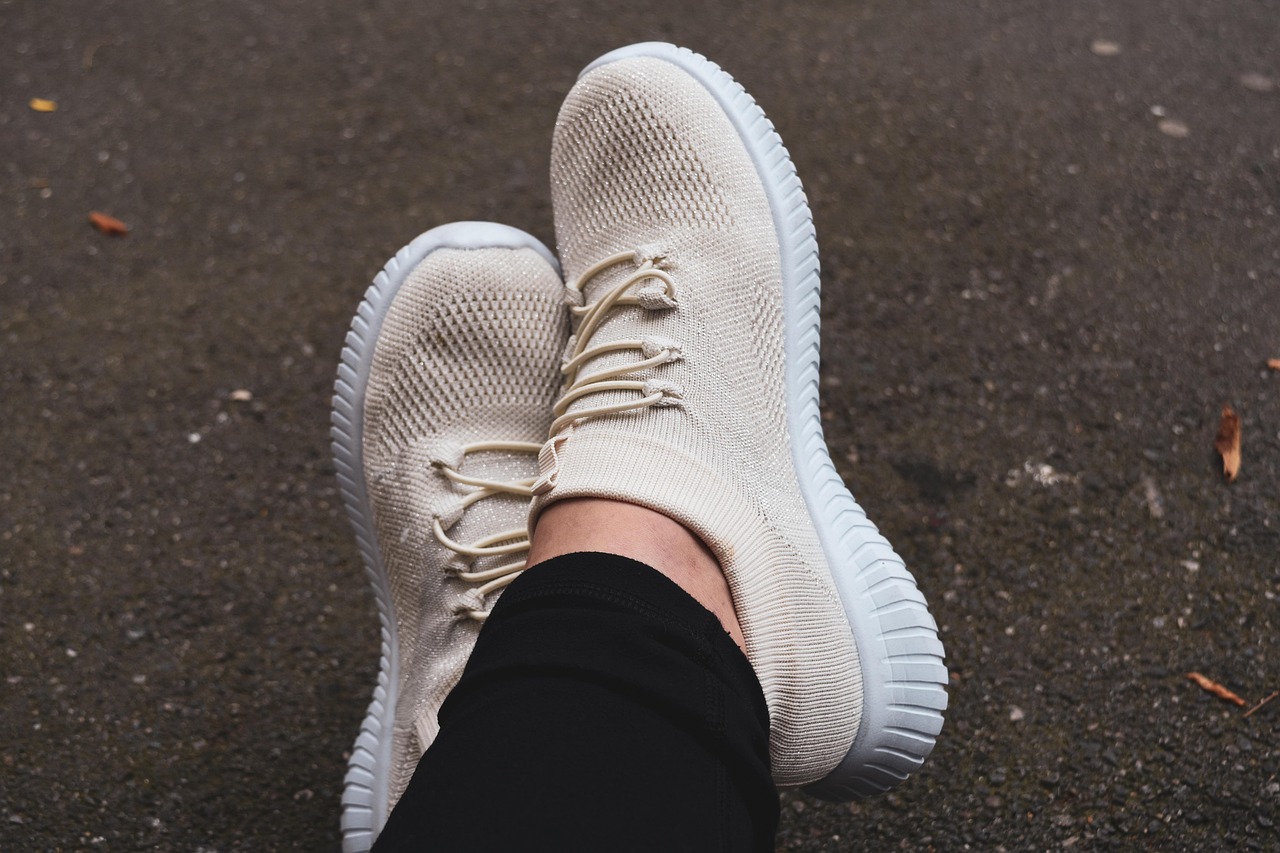
### Slip-On Trainers
Slip-on trainers are distinguished by their laceless design, enabling quick and easy wear. Elasticated panels or stretch materials provide a snug fit without the need for adjustment. This style is popular for convenience, especially for those seeking a trainer that can be put on or removed without fuss.
While slip-on trainers offer practicality, they may not provide the same level of customisable fit as lace-up options. The absence of laces can affect midfoot support, making them less suitable for activities requiring lateral stability. They are commonly chosen for travel, commuting, or situations where speed and ease are valued.
> **Tip:** Look for slip-on trainers with reinforced heel counters for added stability.
Key considerations for slip-on trainers:
- Convenient for quick changes and travel
- Elasticated panels ensure a secure, but non-adjustable, fit
- Less midfoot support compared to lace-up trainers
- Best for casual use rather than high-intensity activities
Do slip-on trainers stretch out over time?
Slip-on trainers made with elastic or knitted uppers may loosen slightly with repeated wear. Choosing the correct size initially helps maintain a secure fit.
Are slip-on trainers suitable for people with wide feet?
Some slip-on trainers are designed with stretch materials that accommodate wider feet, but fit can vary. Checking sizing guides and customer feedback is advisable.
---
### High-Top Trainers
High-top trainers extend above the ankle, offering additional coverage and a distinctive silhouette. This design can provide extra ankle support, which is beneficial for certain activities and for those seeking more stability. High-tops are frequently favoured for their style as well as their functional attributes.
The higher cut may restrict some ankle movement, making high-tops less suitable for activities that require maximum flexibility. They tend to be heavier than low-top trainers due to the added material. High-top trainers are commonly worn for basketball, skateboarding, or as a fashion statement.
> **Worth knowing:** The extra ankle coverage of high-top trainers can make them warmer, which may not be ideal for hot weather.
Key considerations for high-top trainers:
- Extra ankle support and coverage
- Heavier and warmer than low-top styles
- May limit ankle mobility
- Often chosen for specific sports or fashion purposes
Are high-top trainers better for ankle injuries?
High-tops can offer some additional support, but they are not a substitute for medical-grade ankle braces or professional advice.
Do high-top trainers require a break-in period?
The added material around the ankle may feel stiff at first. Gradual wear can help soften the fit and improve comfort.
---
### Synthetic Trainers
Synthetic trainers utilise man-made materials, such as polyester mesh or polyurethane, to achieve specific performance characteristics. These materials are often chosen for their lightweight properties, moisture resistance, and ability to incorporate advanced features like breathability zones or seamless construction.
Synthetic trainers are typically easier to maintain than natural materials, as they resist water and stains more effectively. However, breathability and comfort can vary depending on the specific construction. Synthetic options are prevalent in both athletic and fashion-focused trainers, offering a wide range of designs and price points.
> **Tip:** Synthetic trainers with mesh panels provide enhanced ventilation for active use.
Key considerations for synthetic trainers:
- Lightweight and often water-resistant
- Easy to clean and maintain
- Breathability depends on design and materials used
- Available in a broad range of styles and prices
Are synthetic trainers environmentally friendly?
Some synthetic trainers use recycled materials, but most are derived from plastics. Check product details for sustainability information.
How do synthetic trainers compare to leather in terms of durability?
Synthetic trainers can be highly durable, especially those designed for sports. However, some may wear faster than leather, depending on the quality of the materials.
---
#### Comparison Table: Canvas vs Slip-On vs High-Top vs Synthetic Trainers
| Feature | Canvas Trainers | Slip-On Trainers | High-Top Trainers | Synthetic Trainers |
|------------------|---------------------|------------------------|----------------------|----------------------|
| Weight | Lightweight | Lightweight | Heavier | Lightweight |
| Support | Minimal | Moderate (elastic) | Enhanced (ankle) | Varies by design |
| Maintenance | Easy (hand wash) | Easy | Moderate | Easy |
| Water Resistance | Low | Low to moderate | Moderate | High (often) |
| Breathability | High | Moderate to high | Moderate | Varies by mesh use |
| Style Focus | Casual | Convenience | Sport/Fashion | Performance/Fashion |
Selecting trainers hinges on matching the shoe’s construction and materials to your intended activity. Prioritise fit and support that align with your movement patterns, as this will have the greatest impact on comfort and performance.