Key Takeaways
- Start by narrowing your choice with three questions: your skin type, the finish you want, and how you need the makeup to wear day to day.
- Test products with a small set of basic tools so you can compare formulas properly rather than judging them from a quick first impression.
- Check how makeup behaves on your skin over a normal day, not just when you first apply it.
- Use a short step-by-step process to compare options methodically and avoid feeling overwhelmed.
- If something is not wearing as expected, troubleshoot by reviewing the formula, finish and how it performs on your skin.
Introduction
Choosing makeup gets easier when you break it into three practical questions. First, what does your skin need day to day. Second, what kind of finish do you actually like wearing. Third, how much time and maintenance does your routine allow. Answering those points in order helps you avoid buying products that look good in theory but sit badly on your skin, fade too quickly, or feel wrong by midday.
-
Start with skin type. This affects how makeup behaves more than colour trends or packaging. Dry skin often needs formulas that sit comfortably and do not cling to flaky areas. Oily skin usually benefits from textures that hold up well and do not become overly shiny. Combination skin often needs a balanced approach, with different concerns around the T-zone and cheeks. Sensitive skin adds another layer, because comfort matters as much as appearance.
-
Think about finish next. Finish changes the overall effect of your makeup, even when coverage stays similar. A dewy finish can make skin look fresher and more light-reflective. A natural finish tends to sit between glow and matte, which suits many everyday routines. A matte finish can help reduce visible shine and create a more polished look. None is automatically right or wrong, but one will usually fit your skin and preferences better than the others.
-
Match your choices to everyday wear. Makeup for daily use needs to work in real conditions, not just for an hour after application. Consider how long you wear it, whether you commute, how often you touch your face, and whether you want quick touch-ups or minimal upkeep. A product that feels comfortable for ten hours may be more useful than one that looks slightly better for the first two.
The rest of this guide follows that same order. It will help you assess your skin type, understand common finishes, and narrow down what makes sense for work, weekends, and low-effort routines. The aim is not to build a complicated makeup wardrobe. It is to choose products that suit your skin, wear well, and fit how you actually get ready.
Step-by-Step Guide
-
Start with your skin type, because it affects how makeup sits and how long it lasts. If your skin feels tight or flaky, focus on formulas labelled hydrating, creamy or luminous. If you get shine through the day, look at oil-controlling or long-wear options, especially for foundation and primer. If your skin is combination, you may need different textures on different areas, such as a mattifying base through the T-zone and a more natural finish on the cheeks. Sensitive skin usually benefits from shorter ingredient lists and fragrance-free options where possible.
-
Decide how much coverage you actually want for everyday wear. A full-coverage base can look polished, but it may feel heavier than you want for work, commuting or daily errands. Tinted moisturiser, skin tint and light foundation tend to be easier to apply and simpler to touch up. If you only want to even out redness or cover a few marks, concealer in targeted areas may be enough. Matching coverage to your routine often gives a more wearable result than choosing the most perfected look.
-
Choose your preferred finish next. Matte finishes help reduce visible shine and can suit oilier skin or humid conditions. Natural finishes are usually the most versatile for daily use because they do not look too flat or too reflective. Dewy or radiant finishes can add freshness to drier or dull-looking skin, but they may need setting in areas that crease or become oily. Think about how you want your skin to look by midday, not just straight after application.
-
Check how products layer together. Water-light bases, rich creams, powders and setting sprays can behave differently when combined. If your foundation separates, cakes or turns patchy, the issue is often the mix of textures rather than the product alone. Keep your routine simple at first, then adjust one product at a time.
-
Test in real conditions before committing. Apply makeup in natural daylight, wear it for several hours and notice what changes first: shine, dryness, fading or creasing. That tells you whether you need a different finish, more hydration, less powder or lighter coverage.
-
Build an everyday kit around flexibility. A reliable base, concealer, one cheek product, mascara and a lip option you can apply without much effort will usually serve you better than a larger routine you rarely use.
What You Will Need
Before you compare formulas or finishes, gather a small set of products and tools so you can test makeup properly and judge how it behaves on your skin through a normal day.
-
A clear idea of your skin type
Start by identifying whether your skin is mostly oily, dry, combination or balanced. This affects almost every choice that follows. Oily skin often suits lighter, longer-wearing base products. Dry skin usually benefits from more comfortable, less matte textures. Combination skin often needs a balance, with different concerns around the T-zone and cheeks. -
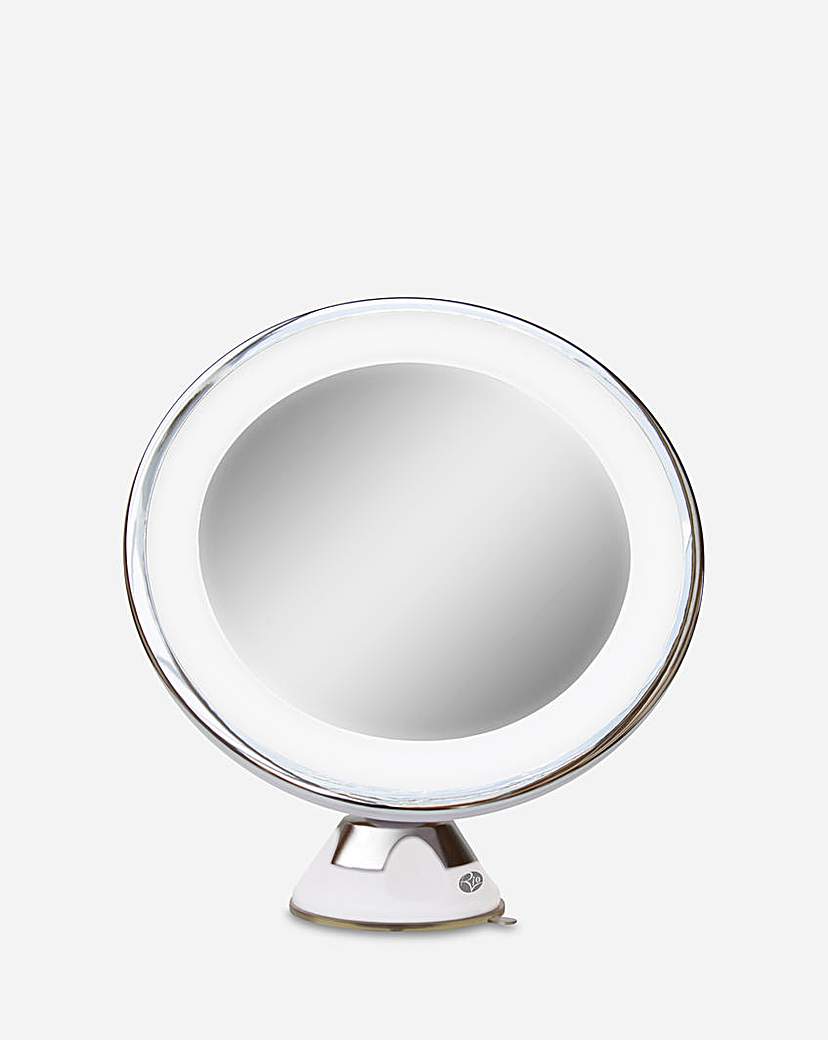
A reliable mirror and good natural light
Check products in daylight if possible. Artificial lighting can make foundation, concealer and powder look more even, warmer or flatter than they really are. A normal mirror plus a close-up mirror can help when assessing texture around the nose, under the eyes and across the forehead. -
A freshly cleansed, moisturised face
Test makeup on skin that has had your usual skincare, especially moisturiser and SPF if you wear it daily. This gives a more realistic result than applying makeup to bare or overly prepped skin. If your skincare changes the finish significantly, note that down, because the same foundation can look different depending on what sits underneath. -
A small shortlist of base products
Focus on the categories you are most likely to wear every day: foundation, skin tint, concealer and powder if needed. Keep the shortlist manageable so you can compare finish, coverage and wear without confusion. For everyday use, it helps to test products that match the level of effort you actually want in the morning. -
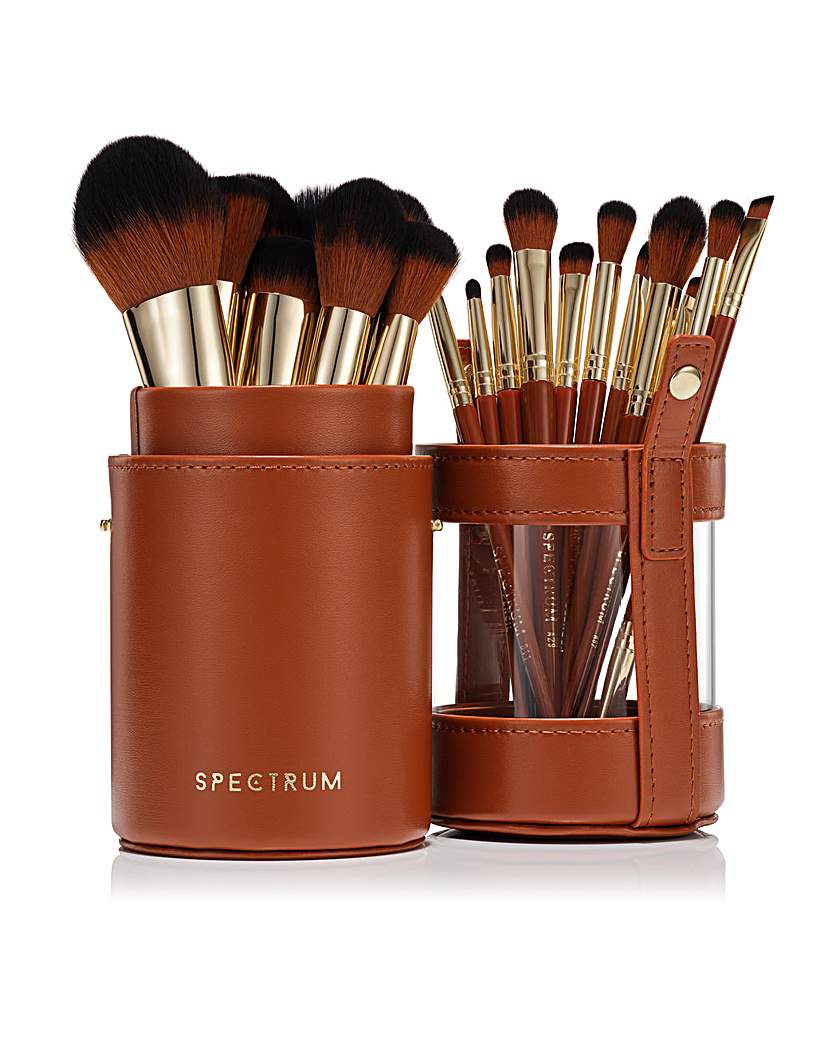
Simple application tools
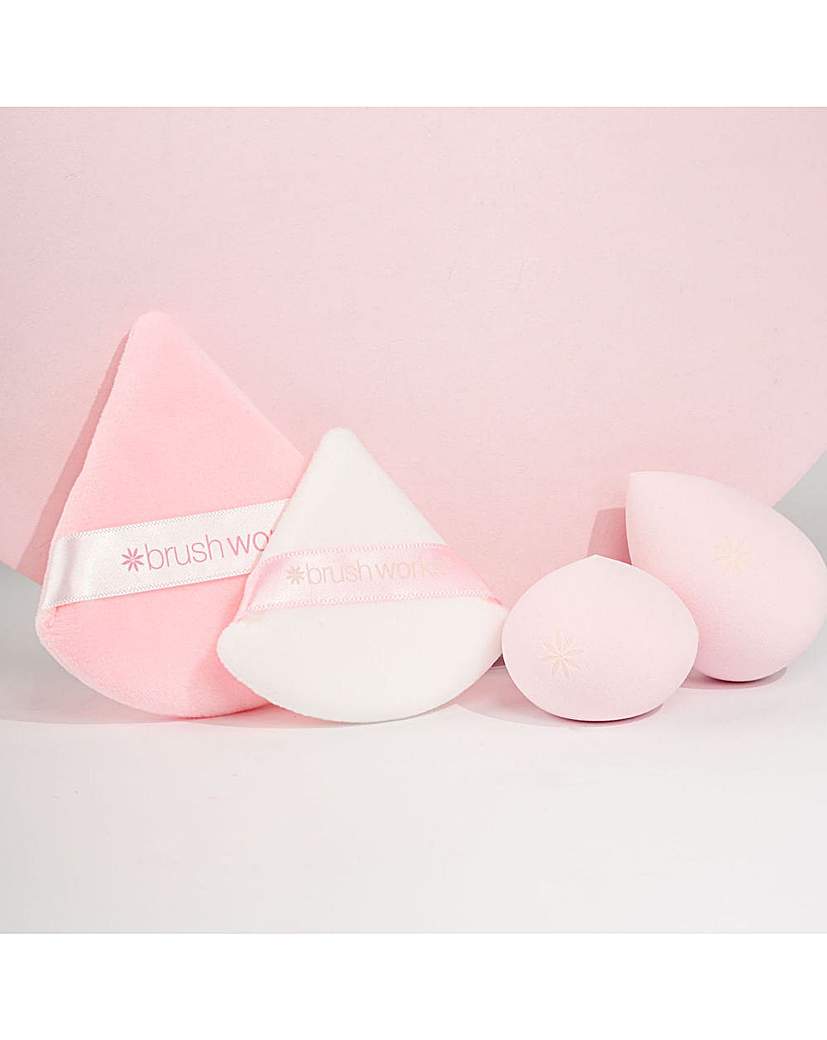
Have clean fingers, a brush and a sponge available if possible. Some products look more natural with fingers, while others apply more evenly with a brush or sponge. Testing more than one method can show whether a product is genuinely suitable or just dependent on a specific technique. -
A way to record results
Make brief notes on shade match, finish, comfort, transfer and how your skin looks after several hours. A phone photo taken in daylight at different points in the day can also help. This makes it much easier to compare products objectively rather than relying on first impressions alone.
Troubleshooting
1. **My foundation looks patchy after a few hours. What should I check first?**?
Start with skin prep. Patchiness often comes from dry areas, excess oil, or skincare that has not settled properly. Apply moisturiser evenly, wait a few minutes, then use a small amount of foundation and build only where needed. If the problem keeps showing up around the nose, chin, or between the brows, that usually points to skin texture or dehydration rather than the formula alone.
2. **Why does makeup separate or go shiny by midday?**
This usually means your base products are not balanced for your skin type or are being applied too heavily. Try this sequence:
1. Use lighter layers of moisturiser and foundation.
2. Let each layer settle before adding the next.
3. Apply powder only to areas that become shiny, rather than all over.
If your skin is oily, a very dewy base may break down faster in everyday wear. If your skin is dry, too much powder can make separation more obvious.
3. **My makeup looks flat, even though I wanted a natural finish. What can I change?**
A natural finish usually sits between matte and radiant. If your base looks flat, reduce powder and keep coverage focused only where you need it. You can also switch from a full-coverage base to a lighter formula for daily wear. The aim is to let some of your skin show through, rather than masking it completely.
4. **How do I know if a product is wrong for my skin type, or just applied badly?**
Test one variable at a time. Wear the same skincare and change only the foundation, or keep the foundation and change the primer or powder. Check the result in daylight and again after several hours. If a product consistently clings, slides, or feels uncomfortable despite different application methods, it is probably not the right match for your skin type.
5. **What if my everyday makeup feels heavy?**
Edit the routine rather than starting over. Use concealer only where needed, apply foundation in a thin layer, and skip products that do not improve wear or finish. Everyday makeup should feel stable and comfortable for the length of your normal day. If you notice it on your skin constantly, you are probably using more product than necessary.

Get Started
Use this short process to narrow your options without getting overwhelmed.
-
Start with your skin’s behaviour, not the product name
Focus on how your skin acts by midday and evening. If it becomes shiny quickly, look first at lightweight or oil-controlling base products. If it feels tight or makeup catches on dry areas, prioritise hydrating formulas. If your skin changes across the face, treat that as normal and choose products that can be layered lightly where needed rather than one heavy formula everywhere. -
Decide what you want your makeup to look like in everyday light
Think about where you actually wear it, at work, on the school run, on video calls, or outdoors. A dewy finish can add freshness, while a matte finish can reduce visible shine. Natural or skin-like finishes often sit between the two and are usually easier for daily wear. If you are unsure, begin in the middle rather than choosing the most radiant or most matte option straight away. -
Match coverage to your routine
Ask how much evening-out you want, and how much time you are willing to spend applying and checking it. Light coverage is often easier to maintain and touch up. Medium coverage can give more polish without feeling too formal for daytime. Full coverage can be useful, but only if you are comfortable with the extra prep and blending it may require. -
Test one variable at a time
When comparing products, change only one thing if possible, such as finish, coverage, or formula type. That makes it much easier to see what is helping and what is causing problems. Wear each option for a normal day and check it in natural light, not just under bathroom lighting. -
Build a small, workable set
For most people, one everyday base, one concealer, and one powder or setting product is enough to start. Add extras only when you know what gap you are trying to fill. -
Keep notes and adjust
A quick note on comfort, shine, wear time, and how your skin looked after removal will help you make a better second choice than a rushed first one. Makeup selection improves fastest when you treat it as a practical test, not a one-off decision.
The most important factor is how a product behaves on your skin type over a full day, because finish and coverage only work if the formula stays comfortable and balanced. Once you test makeup in normal wear, it becomes much easier to rule out options quickly and choose products that suit both your routine and the look you want.