In this guide
Key Takeaways
- Linzi operates at the fast-moving end of the footwear market, focusing on trend-led shoes at accessible prices.
- The brand’s reputation is shaped by its close alignment with the pace and priorities of the high street.
- Its range centres on footwear categories that move quickly in contemporary fashion retail.
- Heels are among the styles most closely associated with Linzi, particularly for occasionwear and evening dressing.
- Linzi’s point of difference is breadth across a clearly trend-focused footwear offer.
About the Brand
Linzi sits firmly in the fast-moving end of the footwear market, with a proposition shaped around trend-led shoes at accessible prices. The brand’s identity is closely tied to the high street, where speed, visibility and broad appeal matter as much as individual hero styles. Its offer speaks to shoppers who want current silhouettes without moving into premium price territory, and that positioning has helped define its place within contemporary fashion retail.
The range centres on women’s footwear, with familiar high-street categories forming the backbone of the collection. Heels, boots, sandals, trainers, flats and occasion-ready styles all play a role, reflecting the way many customers now shop across multiple dress codes rather than sticking to one signature look. That breadth is important to understanding Linzi’s appeal. It is not built around a narrow design language or a single specialist product, but around variety, regular newness and the ability to respond quickly to seasonal shifts.
A key part of the brand’s relevance is its alignment with fashion cycles driven by social media, celebrity styling and event dressing. In practice, that means collections that tend to follow what is visible in the wider market, translating major looks into wearable, commercially minded options. For shoppers comparing brands, this places Linzi in a competitive space where timing and price architecture are central. The attraction is less about timeless investment dressing and more about immediacy, flexibility and trend participation.
That high-street sensibility also shapes how the brand is perceived. Linzi is associated with accessible fashion choices that can work for nights out, holidays, workwear rotation and day-to-day updates, depending on the style in question. The result is a label that reflects a familiar retail model within British fashion, one built on keeping pace with demand and offering a broad footwear wardrobe under one name. For readers assessing where Linzi fits in the market, its identity is clear: contemporary, commercially aware and closely tuned to the rhythm of mainstream style.
History and Reputation
Linzi’s reputation is closely tied to the pace of the high street. Rather than building its identity around heritage shoemaking or specialist craftsmanship, the brand has become associated with speed, relevance and a sharp read on what customers want to wear now. That positioning matters in a crowded footwear market, where labels often compete on either price or polish. Linzi’s recognisable space sits between those poles, leaning into contemporary styling while keeping a close eye on affordability.
In practical terms, that has helped shape how the brand is perceived by shoppers. Linzi is often approached as a destination for fashion-first footwear, particularly by customers who want a current look without moving into premium price territory. Its appeal rests less on timeless understatement and more on immediacy: silhouettes, finishes and details that reflect what is happening across social media, occasion dressing and the wider high-street cycle. That gives the brand a clear role within comparison shopping, where readers are often weighing visual impact against budget.
The brand’s standing also comes from consistency of offer. When shoppers return to Linzi, they are generally returning with an expectation of trend responsiveness across key categories, from everyday styles to more dressed-up options. That kind of consistency can be as important to reputation as longevity. In a market where many labels chase the same customer, being reliably aligned with current fashion cues helps a brand maintain visibility and relevance.
There is also a distinctly accessible quality to the way Linzi presents itself. The brand does not rely on exclusivity as a marker of value. Instead, its reputation has been built around participation in mainstream fashion, making directional footwear feel obtainable rather than remote. For editorial readers, that places Linzi within a familiar and important part of the contemporary retail landscape: a high-street-facing footwear name whose identity is shaped by trend awareness, commercial agility and a clear understanding of the customer seeking style at an approachable spend.
Key Product Lines
Linzi’s range is built around the categories that tend to move fastest in contemporary fashion retail. Heels remain a central part of the offer, spanning dressier evening styles, pared-back court silhouettes and strappier options that track occasionwear trends. This is where the brand’s high-street positioning is often most visible, with shapes and finishes that reflect what is currently circulating across social media, partywear edits and weekend dressing.
Boots form another important pillar. In practical terms, this gives Linzi room to work across seasons, from ankle boots that sit easily within everyday wardrobes to taller profiles that align with colder-weather styling. The emphasis is less on heritage shoemaking codes and more on keeping pace with the silhouettes shoppers are actively searching for, whether that means chunkier soles, cleaner lines or more fitted shafts when those looks come to the fore.
Sandals and mules help define the lighter end of the assortment. These categories suit the brand’s quick-response model particularly well because they can pivot with holiday dressing, event season and short-cycle trend shifts. Flat sandals, heeled sandals and slip-on formats all sit naturally within a retailer focused on immediate wardrobe updates rather than long-term category specialism.
Trainers and flats broaden the proposition beyond occasion-led footwear. Their role is important editorially because they show Linzi is not confined to after-dark or statement styles. Instead, the brand also addresses the everyday end of the market, where shoppers may be comparing comfort, styling versatility and price across multiple high-street names. Ballet flats, loafers and casual trainers typically serve that need for easy, current options that can be folded into regular rotation.
Taken together, these product lines show a brand organised around fashion responsiveness rather than a narrow signature item. Linzi’s identity comes through in the breadth of familiar footwear categories, filtered through a trend-conscious, accessible lens. For shoppers, the appeal lies in being able to scan across occasion shoes, seasonal updates and everyday pairs within one label that is closely tuned to the rhythm of the high street.
Popular Products
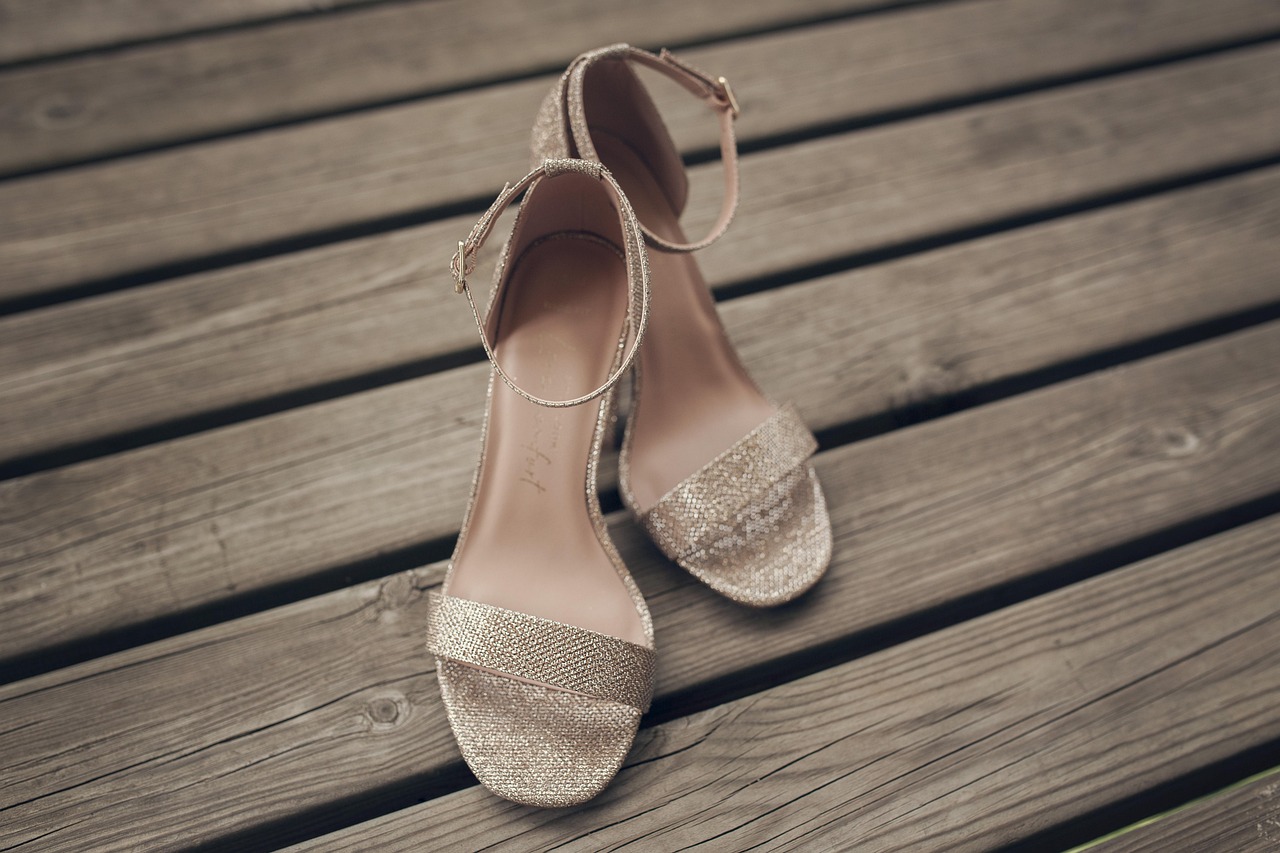
Among the styles most closely associated with Linzi are heels designed to track what is happening in occasionwear and evening dressing. Sandals, court shoes and barely-there shapes tend to sit at the centre of that offer, reflecting the brand’s focus on footwear that responds quickly to shifts in hemlines, event dressing and after-dark styling. For shoppers comparing options across the high street, that part of the range signals where Linzi is most visibly plugged into current demand.
Boots are another important part of the line-up, particularly when seasonal wardrobes turn towards ankle boots and more statement-led silhouettes. In Linzi’s case, boots help show how the brand works across different moments in the fashion calendar, moving from lighter, going-out styles to pairs that fit more transitional dressing. The appeal is less about long-cycle wardrobe investment and more about keeping pace with what shoppers want to wear now.
Flatforms, platforms and other directional sole shapes also play a visible role in the assortment. These styles speak to the brand’s place in the trend end of the market, where proportion, profile and overall silhouette can matter as much as practicality. When these shapes are in wider circulation across social feeds and the high street, Linzi tends to be part of that conversation through accessible interpretations aimed at a broad fashion audience.
The same applies to sandals and mules, which often act as quick indicators of where the season is heading. Whether the wider market is leaning towards pared-back minimalism or more embellished evening options, these categories allow brands like Linzi to respond quickly and keep the offer current. That responsiveness is central to how the product mix reads.
Taken together, Linzi’s popular products are not defined by one signature design in the way some heritage footwear labels are. Instead, they are defined by relevance, by the ability to surface the shapes and categories that are resonating at a given moment, and by a retail model built around fast-moving, style-conscious footwear.
Browse the Range
For shoppers weighing up where Linzi fits in the wider footwear market, the useful point of difference is breadth within a clearly trend-focused offer. The range typically spans the kinds of silhouettes that support a modern wardrobe across the week, from day-to-day pairs through to styles aimed at evenings, events and more directional dressing. That makes the brand relevant not because it tries to define a single signature look, but because it reflects the speed and variety of high-street demand.
Browsing Linzi is often less about investing in one enduring design language and more about tracking what is current now. In practical terms, that means paying attention to shape, heel height, finish and overall styling, especially if you are comparing options for a specific outfit or occasion. The appeal lies in access to contemporary looks without shifting into a luxury price bracket, which places the brand squarely in the part of the market where trend turnover matters.
For editorial readers and comparison shoppers alike, Linzi is most useful when approached by need state. If you are shopping for a wardrobe update, it makes sense to scan across categories and assess how the brand interprets the season’s dominant themes in different formats. If the brief is occasion-led, the value is in seeing how evening and dressier options sit alongside more everyday choices, giving a clearer sense of the brand’s overall fashion position.
What emerges is a label tuned to immediacy. Linzi’s range speaks to shoppers who want footwear that responds quickly to changing tastes, with enough variety to cover multiple styling moments rather than a narrow niche. In a crowded high-street landscape, that is a meaningful proposition: not timelessness as a central promise, but relevance, pace and accessibility presented through a broad, fashion-aware shoe offer.
Linzi stands out for shoppers who want current footwear trends reflected quickly in a broad, accessible offer, particularly in heels and other fast-moving fashion categories. The key decision factor is whether staying close to the high-street fashion cycle matters more to you than a slower, more classic approach to footwear.