In this guide
Key Takeaways
- Pre-owned luxury is defined less by a single aesthetic than by a different way of assigning value to modern luxury goods.
- Its reputation has grown alongside changing shopper attitudes to worth, with condition, rarity and relevance shaping demand.
- The segment brings multiple luxury categories into one market, from fashion to accessories and beyond, rather than focusing on a single product type.
- Popularity in pre-owned luxury often differs from the new market, with demand driven by availability, resale interest and shifting cultural attention.
- For comparison-minded shoppers, the pre-owned market offers a broader view of modern luxury across categories and price points.
About the Brand
Pre-owned sits at an interesting point in the luxury market because it is less a single house style than a way of assigning value. In this context, the brand identity is shaped by curation, condition and provenance rather than by one designer’s archive or a seasonal runway message. What matters is the ability to bring sought-after pieces back into circulation, often for shoppers who care as much about rarity, longevity and price positioning as they do about novelty.
That gives pre-owned luxury a distinct editorial appeal. A current-season item is usually judged against the brand’s latest direction, but a pre-owned piece is assessed on different terms, including how well it has held up, whether it still feels relevant, and how it compares with newer equivalents. For informed shoppers, that can make the category more nuanced. The value lies not only in potential savings, but also in access to discontinued styles, hard-to-find materials and collections that no longer appear at retail.
The product range within pre-owned luxury is typically broad, spanning bags, watches, jewellery, ready-to-wear and accessories, with each category carrying its own expectations around wear, authentication and resale strength. A handbag may be judged on structure and hardware condition, while a watch buyer is likely to focus on service history, originality and completeness. In every case, trust is central. Clear grading, accurate photography and transparent descriptions are not extras here, they are the basis of the proposition.
There is also a wider shift in how luxury is being understood. Pre-owned reframes ownership as part of a longer lifecycle, where desirability is not limited to buying new. That does not make every item a collectible, nor does it remove the need for careful scrutiny, but it does change the conversation. Modern luxury, seen through a pre-owned lens, becomes less about immediacy and more about discernment, durability and the afterlife of design.
History and Reputation
Pre-owned luxury has developed its reputation through a shift in how shoppers define worth. Where the secondary market was once treated as a niche for collectors or bargain hunters, it now sits much closer to the centre of luxury buying. That change reflects a broader reassessment of what matters in a premium purchase: provenance, condition, rarity, craftsmanship and the ability of an item to hold attention beyond a single season.
Its standing has also been shaped by the kinds of products that perform well in resale. Watches, jewellery, leather goods and ready-to-wear with strong design signatures tend to retain interest because they can be evaluated on more than novelty alone. In this context, pre-owned is not simply about buying less expensively than at first retail. It is often about access to discontinued pieces, earlier versions of sought-after designs, and categories where material quality and construction remain visible over time.
Reputation in this part of the market depends heavily on trust. Buyers expect clear descriptions, reliable condition grading and confidence that a piece is authentic and accurately represented. That has pushed pre-owned from informal exchange towards a more structured retail environment, where verification, transparency and aftercare play a larger role in the shopping experience. For editorial audiences comparing options, this is one of the clearest signs of how far the category has matured.
There is also a cultural dimension to its rise. Pre-owned luxury appeals to shoppers who are less interested in constant newness and more interested in longevity, individuality and informed consumption. An item with a previous life can carry a different kind of appeal, not because age automatically adds value, but because context does. A well-kept piece can reflect changing tastes in fashion and design while still feeling relevant in the present.
That combination of access, discernment and credibility explains why pre-owned now holds a more established place within modern luxury. Its reputation rests not on trend alone, but on the idea that value can deepen rather than diminish over time.
Key Product Lines
What distinguishes the pre-owned segment is the breadth of product categories it brings into one luxury conversation. Rather than being defined by a seasonal collection, it is shaped by the kinds of items that continue to circulate strongly on the secondary market. In practice, that means the most visible lines tend to be watches, handbags, jewellery, ready-to-wear, shoes and small leather goods, with luggage, accessories and occasional home pieces also appearing depending on seller focus.
Watches are often central because they combine collectability, durability and a relatively well-documented resale history. Buyers in this area are usually comparing model condition, service history, provenance and market pricing as closely as they are comparing design. The category appeals both to those seeking discontinued references and to shoppers who want access to established luxury watchmaking without entering at current retail prices.
Handbags occupy a similar position, though the emphasis is often different. Here, value is tied not only to brand recognition but also to hardware condition, leather wear, structure, rarity of colourway and whether an item remains in active demand. Certain silhouettes can hold attention for years, which makes this line especially important in discussions about longevity and retained value.
Jewellery and small leather goods broaden the market further. They often provide a lower entry point into pre-owned luxury, while still raising the same questions around authenticity, condition and material quality. For many shoppers, these categories make the resale market feel less like a niche collecting space and more like a practical route into premium goods.
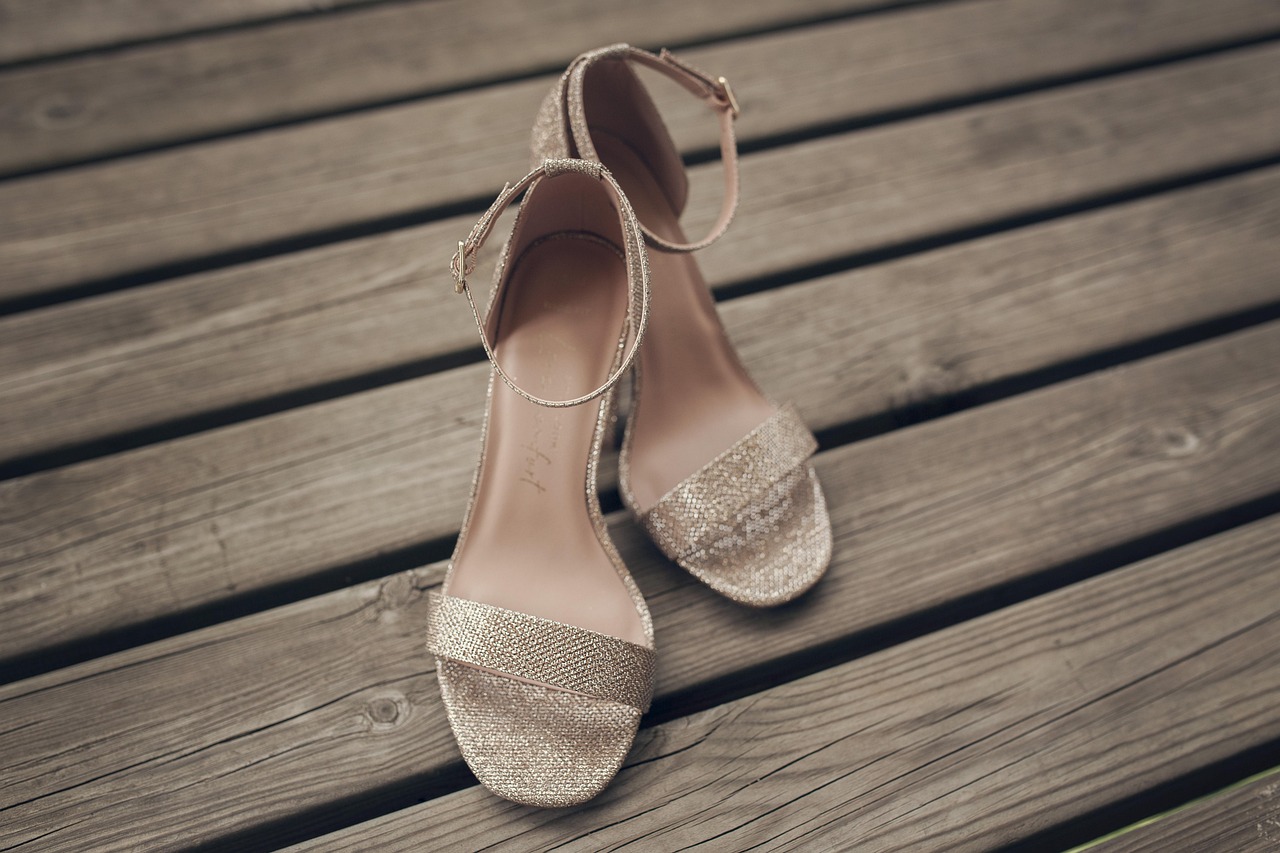
Ready-to-wear and footwear are more variable, largely because sizing, wear and fabric condition affect resale confidence. Even so, they matter editorially because they show how the pre-owned model extends beyond investment-led categories into everyday luxury consumption.
Taken together, these lines reveal that pre-owned is not a narrow product type but a retail framework. Its key categories are linked by residual value, continued desirability and the idea that luxury can remain relevant well beyond its first sale.
Popular Products
What counts as popular in pre-owned luxury is rarely identical to what dominates the new market. Demand tends to cluster around pieces with recognisable design codes, durable construction and a strong secondary-market track record. That usually means watches, handbags, jewellery and small leather goods remain central, not simply because they are familiar categories, but because they translate particularly well into resale.
Watches are often the clearest example. Buyers in this space tend to focus on models with established collectability, visible craftsmanship and documented condition. In practical terms, that makes pre-owned watches attractive both to enthusiasts who want access to discontinued references and to shoppers comparing long-term value against current retail pricing. The appeal is not only lower entry cost. It is also the chance to buy into scarcity that no longer exists in standard distribution.
Handbags occupy a similar position, though the criteria can be slightly different. Here, popularity often follows a mix of recognisable silhouette, material longevity and brand visibility in the wider fashion culture. Certain bags retain interest because they are easy to authenticate, easy to style and widely understood within the resale ecosystem. For editorial shoppers, that matters, because liquidity and price stability are part of the product story.
Jewellery and small accessories add another layer to the category’s appeal. These pieces often offer a more accessible route into luxury, while still carrying many of the same advantages associated with pre-owned buying: circularity, comparative value and access to items no longer in production. Wallets, belts, scarves and other compact accessories can also function as entry points for shoppers who are less concerned with investment language and more interested in quality at a measured price.
What links these popular products is not a single aesthetic. It is their ability to hold attention beyond one season. In the pre-owned market, popularity is shaped by longevity, recognisability and resale confidence as much as by fashion momentum. That makes the category a useful lens on modern luxury itself, where ownership is increasingly tied to lifespan, relevance and the possibility of a second or third life.
Browse the Range
For shoppers comparing modern luxury across categories, the pre-owned market offers a different kind of range. Instead of moving through a tightly controlled seasonal assortment, you are assessing availability, condition, provenance and long-term desirability at the same time. That changes how a purchase is judged. The question is not only whether an item fits a wardrobe or collection, but whether it still carries cultural and material value beyond its first sale.
The breadth of choice is one of the category’s defining strengths. Pre-owned luxury can bring together established accessories, ready-to-wear, jewellery, watches and luggage within a single search, allowing clearer comparisons between brands, eras and price points. For editorial readers and informed buyers, that makes the category especially useful. It places design language, craftsmanship and resale performance in direct conversation, rather than treating them as separate parts of the market.
Browsing pre-owned also means paying closer attention to specifics that matter more here than in standard retail. Condition grading, signs of wear, hardware finish, fabrication, original packaging and documentation can all affect value. So can rarity, discontinuation and the continued relevance of a particular model or silhouette. In practice, that makes the category less about impulse and more about discernment. The strongest purchases are often the ones that balance emotional appeal with a realistic sense of longevity.
That is also why pre-owned has become such a revealing lens on luxury itself. It shows which pieces retain demand after the first transaction, which designs continue to circulate, and which categories hold attention across changing tastes. For shoppers, browsing the range is not simply a matter of finding a lower entry point. It is a way to read the market more clearly, through items that have already proved their ability to matter once, and sometimes more than once, in the life of luxury.
The key decision factor in pre-owned luxury is condition balanced against provenance, because value depends as much on authenticity, wear, and completeness as on the original name on the label. For shoppers comparing options across categories, the appeal lies in access to pieces whose relevance is shaped by rarity, longevity, and resale confidence rather than simply current-season visibility.