In this guide
Key Takeaways
- Balance often matters more than headline size or shape, because weight distribution changes how a knife feels and performs through a full prep session.
- Steel type, hardness and edge geometry are key specifications, since they affect edge behaviour, maintenance demands and cutting feel in daily use.
- Blade length, weight and handle construction are most useful when read alongside prep impact, not as isolated figures in a comparison table.
- Heavier, forward-balanced knives can make dense ingredients easier to cut by placing more mass behind the cut, but that feel will not suit every prep style.
- Category labels are a limited guide, so the stronger comparison is how each knife behaves across the tasks you do most often.
Overview
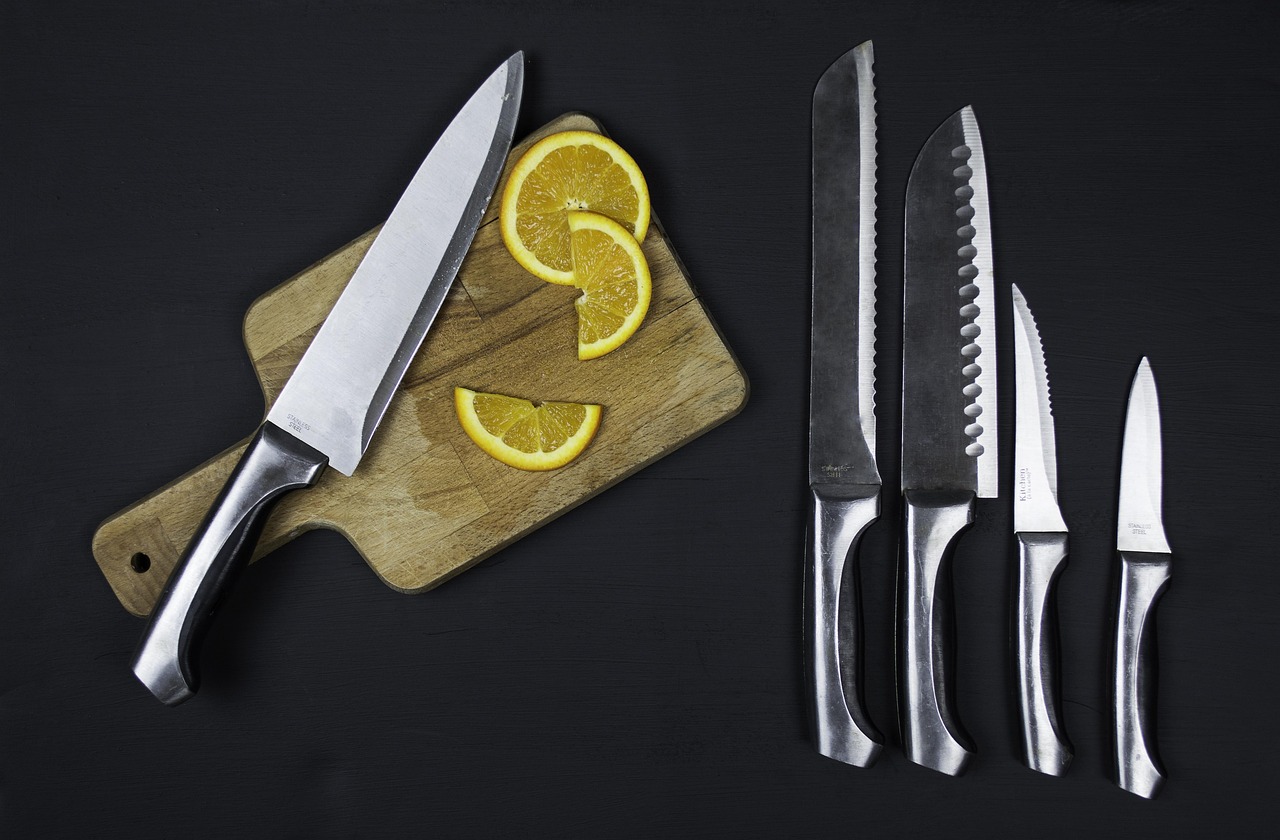
Kitchen knives vary less by headline size or shape than by how they distribute weight, what steel they use, and how that affects day-to-day prep. Balance is often the first difference an experienced cook notices. A blade-forward knife can feel more decisive through dense vegetables and herbs, whereas a handle-weighted design may suit finer tip work and repeated slicing where control matters more than momentum. By comparison, a more neutral balance tends to be easier to adapt to across mixed tasks, but it may feel less distinctive in any one role.
Steel choice changes both cutting feel and upkeep. Harder steels generally support a keener edge and can hold it for longer, which matters if you prefer precise push cuts or thin slicing. In contrast, they can be less forgiving if the knife is twisted on the board or used roughly. Softer steels are often easier to sharpen and may cope better with heavier everyday use, but they usually need more frequent maintenance to keep the edge performing consistently. Stainless options reduce concern about staining and corrosion, whereas less stainless compositions can appeal to users willing to trade extra care for a different sharpening response or edge character.
Prep style is the third factor that separates otherwise similar knives. Cooks who rely on rocking cuts often prefer blade profiles with more curve and enough weight to carry through repetitive chopping. Those using push cuts or pull slices may prioritise a flatter edge section and a thinner grind for cleaner contact with the board. In contrast, an all-round home prep routine, moving from onions to proteins to herbs, may benefit more from versatility than from a knife being highly optimised for one motion.
Handle shape, spine thickness, and overall geometry also influence fatigue over longer sessions, even when two knives share similar dimensions on paper. A heavier knife can reduce effort in some cuts, but over time it may become more tiring. A lighter knife can feel faster and more agile, though some users find it less stable through harder produce. The useful comparison, then, is not simply sharp versus less sharp, but how each knife’s balance, steel and profile align with the way you actually prep.
Feature Comparison
A comparison table is most useful when it separates headline specifications from how they affect prep. In this category, three columns usually matter more than a long feature list: balance, steel type, and the prep tasks each knife suits.
Balance is often the quickest way to distinguish knives that look similar on paper. A blade-forward knife tends to put more mass ahead of the pinch grip, which can help with forceful chopping through dense vegetables. By comparison, a more handle-weighted or neutral design can feel quicker in the hand for repetitive slicing, trimming and finer control work. Neither approach is inherently better, whereas the right choice depends on whether the knife is used more for volume prep or for precise, continuous cutting.
Steel specification needs the same kind of context. Harder steels generally hold an edge longer, in contrast to softer steels that may need more frequent honing or sharpening. The trade-off is that harder steels can be less forgiving if the knife is used roughly or on unsuitable boards. Stainless options are often chosen for lower-maintenance daily use, whereas carbon or high-carbon variants may appeal to users willing to manage patina, drying and more deliberate care in exchange for a different sharpening feel or edge behaviour. A table should therefore show not just the steel family, but what that implies for upkeep and edge retention.
Prep style is where those technical details become practical. A longer, flatter profile may favour push-cutting and larger ingredient prep, whereas a more curved edge can suit rocking motions with herbs or garlic. In contrast, shorter or lighter knives can be easier to manoeuvre in tighter tasks, but may feel less efficient on bulk prep. Handle shape and overall weight also belong in the table because they affect fatigue over longer sessions, even when blade length is identical.
Used well, a comparison table should help narrow choices by cooking habits rather than by isolated specs. Two knives with similar dimensions may still behave very differently once balance point, steel hardness and edge profile are considered together.
Technical Specifications
Across kitchen knives, the most useful specifications are usually blade length, steel type, hardness, edge geometry, weight, and handle construction. These figures do not exist in isolation, because a small change in one often alters how the knife behaves on the board.
Blade length affects both reach and control. An 18 cm chef’s knife is typically easier to manage in compact kitchens or for finer vegetable work, whereas a 20 to 24 cm blade covers more board area and can feel more efficient on larger ingredients. By comparison, shorter utility or petty knives trade volume for precision, which matters more for trimming and in-hand work than for bulk chopping.
Steel specification is central, but it needs reading alongside maintenance demands. Stainless steels generally prioritise corrosion resistance and lower upkeep, whereas carbon steels can take a very keen edge but usually require more careful drying and storage. In contrast, semi-stainless options sit between the two, often appealing to users who want some of the sharpening feel of carbon steel without the same level of reactivity.
Hardness, commonly expressed on the Rockwell scale, influences edge retention and toughness. Higher hardness can support a more acute edge and longer intervals between sharpening, but it may also reduce resistance to chipping under rougher use. Softer steels, by comparison, tend to be easier to sharpen and often tolerate twisting or contact with harder foods a little better, though they may need more frequent touch-ups.
Edge angle and grind shape also change cutting feel. Thinner grinds and narrower edge angles usually pass through produce with less resistance, whereas thicker blades can offer more durability and a more substantial feel. A double-bevel edge remains the most versatile format for general prep, in contrast to more specialised grinds that may suit narrower tasks.
Weight and balance are equally important in practice. A blade-forward knife can help with momentum in chopping, whereas a more neutral or handle-biased balance may feel less tiring during longer prep sessions. Handle material and tang construction then influence grip security, overall weight, and durability. A heavier full-tang build may feel more stable, whereas lighter constructions can improve agility, especially for repetitive slicing.
Strengths and Weaknesses
Heavier, forward-balanced knives tend to make dense prep feel easier because more of the mass sits behind the cut. That can help with larger vegetables, herbs in volume, and repeated chopping on the board. The trade-off is agility. By comparison, a lighter or more neutral balance usually feels quicker for tip work, fine slicing, and frequent changes of grip, but it may ask more from the user when cutting firmer ingredients.
Steel choice creates a similarly clear exchange. Harder steels generally support a more acute edge and can hold sharpness for longer, which suits precise slicing and users who want less frequent honing. In contrast, they can be less forgiving if the knife is twisted in the cut or used on very hard surfaces. Softer steels often lose peak sharpness sooner, yet they are usually easier to maintain and touch up. For buyers comparing long-term upkeep rather than headline edge retention, that difference matters more than raw hardness figures alone.
Edge geometry also affects how a knife behaves in practice. Thinner, finer edges move through onions, herbs, and boneless proteins with less resistance, whereas thicker edges can feel more stable when the work becomes rougher or less exact. The weakness of a very thin grind is that it can be less tolerant of poor technique or harder ingredients. A thicker grind, by comparison, may wedge more in dense produce even if it feels reassuringly solid.
Handle construction and overall weight influence fatigue as much as comfort. A substantial handle can improve security for some users, especially during longer prep sessions, while a slimmer handle may favour precision and faster repositioning. Neither is inherently stronger. The better choice depends on grip style, hand size, and whether the knife is used mainly for extended chopping or shorter, more detailed tasks.
Taken together, the main strengths in this category usually come from specialisation. Knives optimised for edge retention and fine cutting often ask for more careful maintenance, whereas those built for resilience and easier sharpening may sacrifice some refinement in feel and cutting precision.


Our Verdict
The right choice depends less on category labels and more on how a knife behaves over a full prep session. If your work leans towards large volumes of vegetables, herbs and boneless proteins, a lighter knife with a more neutral balance will usually feel quicker and less fatiguing. It tends to reward a precise, controlled cutting style, particularly where repeated tip work or rapid board contact matters. By comparison, a heavier knife with more weight towards the blade can feel steadier through harder ingredients, although that same mass may become more noticeable during longer sessions.
Steel choice changes the ownership experience as much as the cutting feel. Harder steels generally support a more acute, longer-lasting edge, whereas they can be less forgiving of rough treatment, twisting cuts or inconsistent sharpening technique. In contrast, softer steels often lose peak sharpness sooner but are typically simpler to maintain and touch up. For many buyers, that trade-off matters more than small differences in blade profile.
Handle construction and overall geometry should be read alongside the specification sheet, not after it. Two knives with similar blade lengths and nominal weights can feel markedly different if one concentrates weight at the bolster and the other distributes it more evenly through the handle and tang. Likewise, edge geometry influences how cleanly a knife moves through onions, carrots or proteins, even when the steel itself appears comparable on paper.
For comparison purposes, it helps to narrow the field by prep style first, then by maintenance tolerance. If you value agility, frequent directional changes and lower wrist strain, lighter and more evenly balanced designs usually make more sense. If you prefer the knife to contribute more momentum through denser produce, a blade-forward option may suit you better. The more useful verdict is not which knife is universally stronger, but which combination of balance, steel and geometry aligns with how you actually cut, sharpen and cook.
The main decision factor is how the knife behaves in your hand over a full prep session, especially its balance and weight distribution. Steel type, hardness and edge geometry still matter, but they only make sense in context of the ingredients you prep most often and whether you prefer a heavier, more driving cut or a lighter, more agile feel.