In this guide
Key Takeaways
- Choose detergent based on fabric sensitivity and wash temperature, rather than fragrance or packaging.
- Compare washing machines by drum capacity, spin speed, programme range and temperature control if fabric care is a priority.
- Match each laundry product to the job, because fabric damage often comes from using the right product in the wrong context.
- Use a dedicated stain remover when a standard wash cycle is unlikely to remove a mark without repeated washing.
- An indoor clothes airer is the most fabric-friendly drying option for garments that react badly to high heat, repeated tumbling or aggressive spinning.
What to Look For
Laundry Detergents

Detergent choice should start with fabric sensitivity and wash temperature, not fragrance or packaging. Biological detergents use enzymes to break down protein, starch and grease, which makes them effective on food, sweat and everyday body soil, particularly in lower-temperature washes. Non-biological detergents omit those enzymes, so they are often chosen for delicate fibres or for households trying to reduce the chance of skin irritation. The trade-off is that stubborn organic stains may need pre-treatment rather than relying on the main wash alone.
Form also matters because dose accuracy affects both cleaning and residue. Powders are typically useful for whites and heavily soiled loads because they often pair well with oxygen-based bleaching agents, while liquids dissolve readily and are less likely to leave visible residue in short or cool cycles. Capsules simplify dosing, but they reduce flexibility when you need a smaller wash or a lighter soil level. For wool, silk and other specialist fabrics, a dedicated detergent is worth prioritising because standard formulas can be too aggressive for fibre structure or finish.
| Detergent type | Main strength | Main limitation | Most suitable use |
|---|---|---|---|
| Powder | Strong on heavy soil and whites | Can leave residue if under-dissolved | Cottons, bed linen, towels |
| Liquid | Good dissolution in cool washes | May be less effective on some whitening tasks | Mixed colours, quick cycles |
| Capsules | Convenient pre-measured dosing | Less flexible for load size and soil level | Standard everyday loads |
| Delicate detergent | Gentler on sensitive fibres | Not intended for heavy-duty stain work | Wool, silk, lingerie |
If you regularly wash at 30°C, prioritise a detergent that performs well in low-temperature cycles, then add a separate stain treatment only where needed.
-
Match biological formulas to everyday stain removal, especially food, sweat and grease.
-
Use non-biological or delicate detergents for wool, silk and fabrics that need gentler treatment.
-
Choose powder for heavier soil and whites, liquid for cool or short cycles, and capsules for fixed-dose convenience.
-
Check whether your typical load size and wash temperature allow the detergent to dissolve fully and rinse cleanly.
Stain Removers
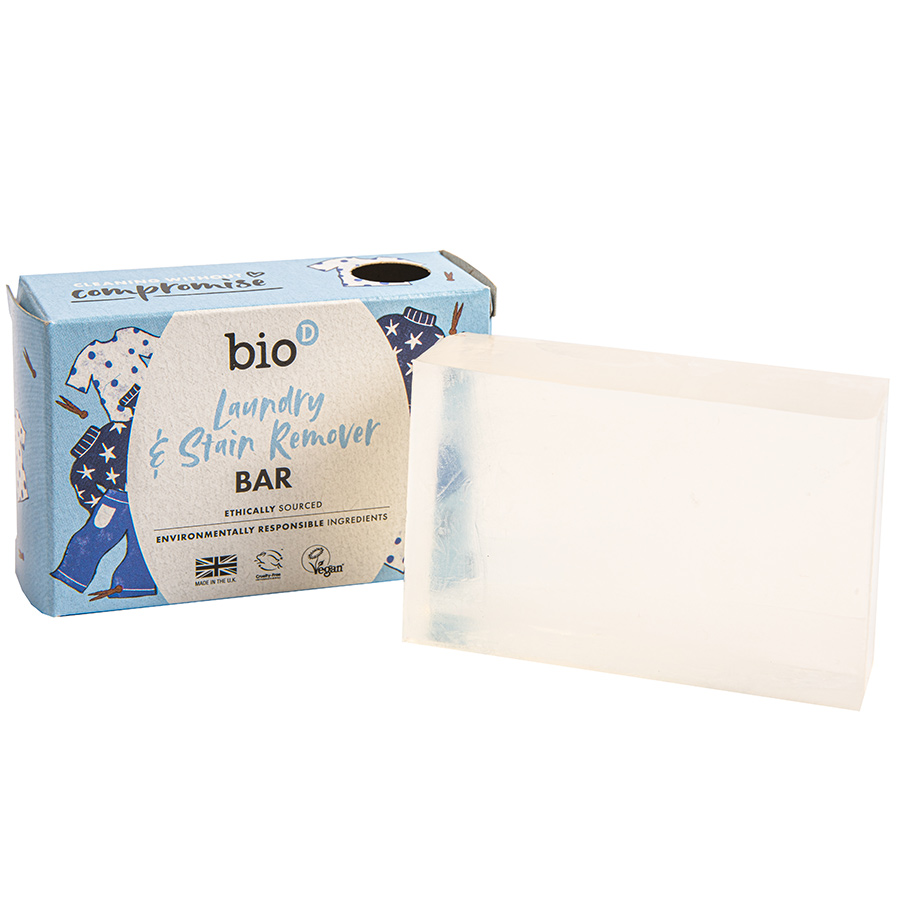
A stain remover is most useful when it targets the chemistry of the mark rather than acting as a general booster. Enzyme-based pre-treaters are suited to protein and food stains, oxygen-based products are commonly used for oxidisable stains and whitening support, and solvent-style spot treatments are more relevant for oily or greasy marks. The key variable is speed, because many stains become harder to remove once they dry, oxidise or are set by heat. That is why pre-treatment before washing is often more effective than repeating the same wash cycle.
Application format changes how precisely you can treat the fabric. Sprays and pens help with collars, cuffs and isolated spots, while powders or in-wash boosters make more sense for broad discolouration across a whole load. Fabric compatibility is critical here. A treatment suitable for white cotton may not be appropriate for dyed fabrics, wool or silk, and chlorine-based bleaching products are generally a separate category that needs especially careful use because of colour loss and fibre damage risk. If a stain remains after washing, avoid tumble drying until it is fully removed, because heat can make the residue much harder to shift.
Heat sets many stains. If a mark is still visible after washing, air dry the item and treat it again before using a tumble dryer.
-
Choose the stain remover by stain type, protein, grease, tannin or general discolouration.
-
Use targeted applicators for small marks and in-wash boosters for larger areas or whole-load dullness.
-
Check fabric and colour suitability before treating dyed, delicate or specialist textiles.
-
Pre-treat early, because dried or heat-set stains are significantly harder to remove.
Drying Racks and Clothes Airers

Air drying equipment should be chosen by load shape as much as by total capacity. A compact flat rack works for knitwear and items that need support to avoid stretching, while tower airers use vertical space efficiently for mixed daily laundry in smaller homes. Winged airers give longer hanging lengths for sheets and trousers, but they need more floor area when open. If you regularly wash shirts, sportswear or children’s clothing, spacing between rails matters because crowded items dry more slowly and can retain odour.
Material and layout affect durability and drying speed. Coated metal frames are common because they balance rigidity with manageable weight, but joint quality and locking stability are what determine whether the rack remains practical after repeated use. For indoor drying, airflow around the garment is more important than simply adding more rails. A rack with too many closely packed bars can hold a large load on paper while extending drying time in practice. Folded storage size is also worth checking if the airer will live behind a door, in a utility cupboard or beside a washing machine.
For faster indoor drying, leave gaps between heavier items rather than filling every rail. Air circulation has more effect than nominal rack capacity.
-
Use flat drying surfaces for knitwear and items that can stretch when hung.
-
Choose tower airers for compact homes and winged airers for longer garments and linens.
-
Prioritise rail spacing and airflow, not just the stated capacity.
-
Check frame stability, hinge quality and folded size if the rack will be moved or stored frequently.
Tumble Dryers and Drying Features
When comparing tumble dryers, fabric care depends heavily on heat control and sensor accuracy. Sensor drying is preferable to timed drying for mixed households because it stops the cycle when the load reaches the selected dryness level, reducing unnecessary heat exposure. This matters for cotton basics, but it matters even more for synthetics, elastane blends and garments with printed or bonded finishes, which can degrade if repeatedly overdried. Lower-heat or fabric-specific programmes are useful if you dry a broad mix of everyday clothing rather than only towels and bed linen.
The other practical distinction is how the dryer handles moisture and where it can be installed. Venting requirements, condensate collection and room conditions all affect real-world usability, but from a garment-care perspective the more important point is programme suitability. A machine may have a large drum, yet still be a poor fit if it lacks settings for delicates, shirts or quick-refresh cycles. Reverse tumbling and anti-crease phases can also reduce tangling and make ironing easier, particularly for larger cotton items and mixed-fibre loads.
-
Prioritise sensor drying to reduce overdrying and unnecessary heat exposure.
-
Check for lower-heat and fabric-specific programmes if you dry synthetics, blends or delicates.
-
Compare installation needs alongside garment-care features such as anti-crease phases.
-
Look at programme range, not just drum size, if your laundry includes mixed fabrics and finishes.
Key Specifications to Compare
Washing Machines
For fabric care, the most useful washing machine specifications are drum capacity, spin speed, programme range and temperature control. Capacity affects how freely items can move during the wash, which matters for bulky cottons, bedding and towels. A machine that is too full increases creasing and can leave detergent residue in heavier fabrics, while a machine that is too large for small loads may use more water and energy unless it has effective load sensing.
Spin speed matters because it changes how much moisture remains before drying. Higher spin speeds shorten line-drying and tumble-drying times for durable cottons, but they can increase creasing and stress on delicate fibres. Programme design is equally important. Look for cycles labelled for wool, delicates, synthetics and mixed loads, because these usually adjust drum action and spin intensity rather than simply lowering temperature. If stain removal is a priority, compare whether the machine offers pre-wash, extra rinse or longer main wash options, since these affect cleaning performance more directly than headline spin figures.
-
Drum capacity should match your usual load size, especially for bedding, towels and mixed family washing.
-
Variable spin speed helps separate durable cotton loads from delicates that need gentler extraction.
-
Fabric-specific programmes are more useful than a long list of minor cycle variations.
-
Temperature selection matters for stain treatment, colour care and shrinkage control.
-
Extra rinse and pre-wash options are relevant if you wash heavily soiled items or sensitive fabrics.
Compare the lowest available spin setting as carefully as the maximum, because delicate care depends more on gentle extraction than on headline speed.
Tumble Dryers
For drying, compare vented, condenser and heat pump tumble dryers by drying temperature, moisture sensing and programme control. The drying system affects both fabric wear and running behaviour. Heat pump models generally dry at lower temperatures than conventional condenser or vented designs, which can be gentler on elastane, synthetics and lighter knitwear. Higher-temperature drying can be useful for robust cottons and towels, but repeated exposure can harden fibres and increase shrinkage risk.
Sensor drying is one of the most important specifications because it stops the cycle when the load reaches the selected dryness level. This reduces overdrying, which is a common cause of stiffness, fibre stress and unnecessary energy use. Also compare whether the dryer offers settings such as iron dry, cupboard dry and extra dry. These are not interchangeable. Iron dry leaves more residual moisture for easier pressing, while extra dry suits thick cotton items that would otherwise remain damp in seams or waistbands.
| Dryer type | Drying method | Fabric impact | Installation consideration | Typical use case |
|---|---|---|---|---|
| Vented tumble dryers | Expel moist air externally | Higher drying temperatures can be harsher on delicates | Need external venting | Utility spaces with straightforward vent access |
| Condenser tumble dryers | Collect water from extracted moisture | Often more flexible to place, but temperature profile still matters | No external vent, water collection or drainage needed | Homes without vent access |
| Heat pump tumble dryers | Reuse heated air at lower temperatures | Lower-temperature drying is often gentler on mixed fabrics | No external vent, usually longer cycle times | Frequent drying where fabric care is a priority |
-
Moisture sensors are more important than timer-only drying for preventing overdry damage.
-
Dryness level options help tailor results for ironing, storage or immediate wear.
-
Lower-temperature drying is useful for synthetics, sportswear and blended fabrics.
-
Dryer type affects placement, cycle behaviour and how gently heat is applied.
-
Reverse tumbling or anti-crease functions can matter for shirts, bedding and large mixed loads.
A higher-capacity dryer is not automatically better for delicates. If lightweight items are dried with heavy cottons, the programme may still be too aggressive for the most fragile fabric in the load.
Garment Steamers
Garment steamers are worth comparing if your laundry routine includes shirts, dresses, viscose, silk blends or items that crease easily but do not always need a full wash. The key specifications are steam output, heat-up time, water tank capacity and whether the unit is handheld or upright. Steam relaxes wrinkles and can refresh lightly worn garments, but it does not replace stain removal or deep washing for body oils and ground-in dirt.
A handheld steamer suits occasional use and travel, while an upright model is more practical for larger volumes and longer sessions. Water tank size affects how often you need to refill during use, which matters if you regularly steam curtains, shirts or multiple garments in one go. Also compare whether the steamer is intended for delicate fabrics, because controlled steam delivery is more useful than raw output when working with lighter materials that can mark or distort under excess moisture.
-
Steamers are most useful for crease reduction and refreshing, not for removing set-in stains.
-
Handheld models suit short sessions, while upright models are better for repeated or batch use.
-
Water tank capacity affects uninterrupted steaming time.
-
Heat-up time matters if you use a steamer for quick clothing preparation.
-
Controlled steam output is preferable for lighter or more delicate fabrics.
Use a steamer as a finishing tool after air-drying when you want fewer wash cycles on lightly worn garments.
Drying Racks and Clothes Airers
For air-drying, compare drying racks by usable drying length, spacing between bars, weight capacity and footprint when open. These specifications directly affect drying speed and fabric shape. Closely spaced bars can slow airflow around thicker items, while wider spacing helps shirts, knitwear and towels dry more evenly. For delicate garments, the shape of the support matters as much as the available space, because poor support can stretch shoulders, waistbands or knitted panels.
Foldability and layout are practical specifications rather than convenience extras. A tower airer uses vertical space efficiently for smaller homes, while a winged rack can handle longer items such as trousers and bedding more easily. If you dry woollens or knitwear flat, look for designs that provide broad, stable support rather than narrow rails. This reduces the risk of distortion while moisture remains in the fabric.
-
Drying length gives a clearer picture of usable space than overall dimensions alone.
-
Bar spacing affects airflow and therefore drying time.
-
Rack layout should suit the items you dry most often, not just the room size.
-
Stable support is important for knitwear and heavier wet garments.
-
Open footprint matters if you dry laundry indoors in limited space.
Indoor air-drying can leave heavy fabrics damp for longer if airflow is poor, so rack design and spacing matter more than total rail count alone.
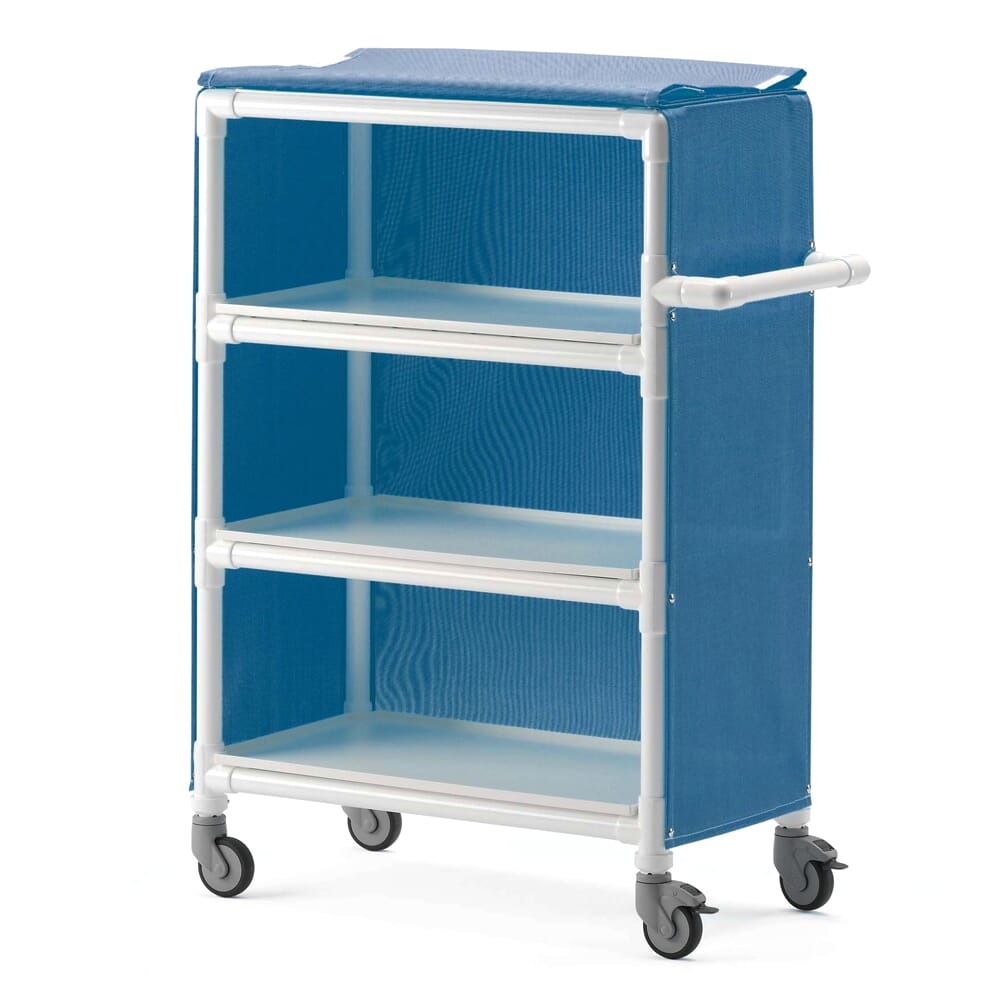
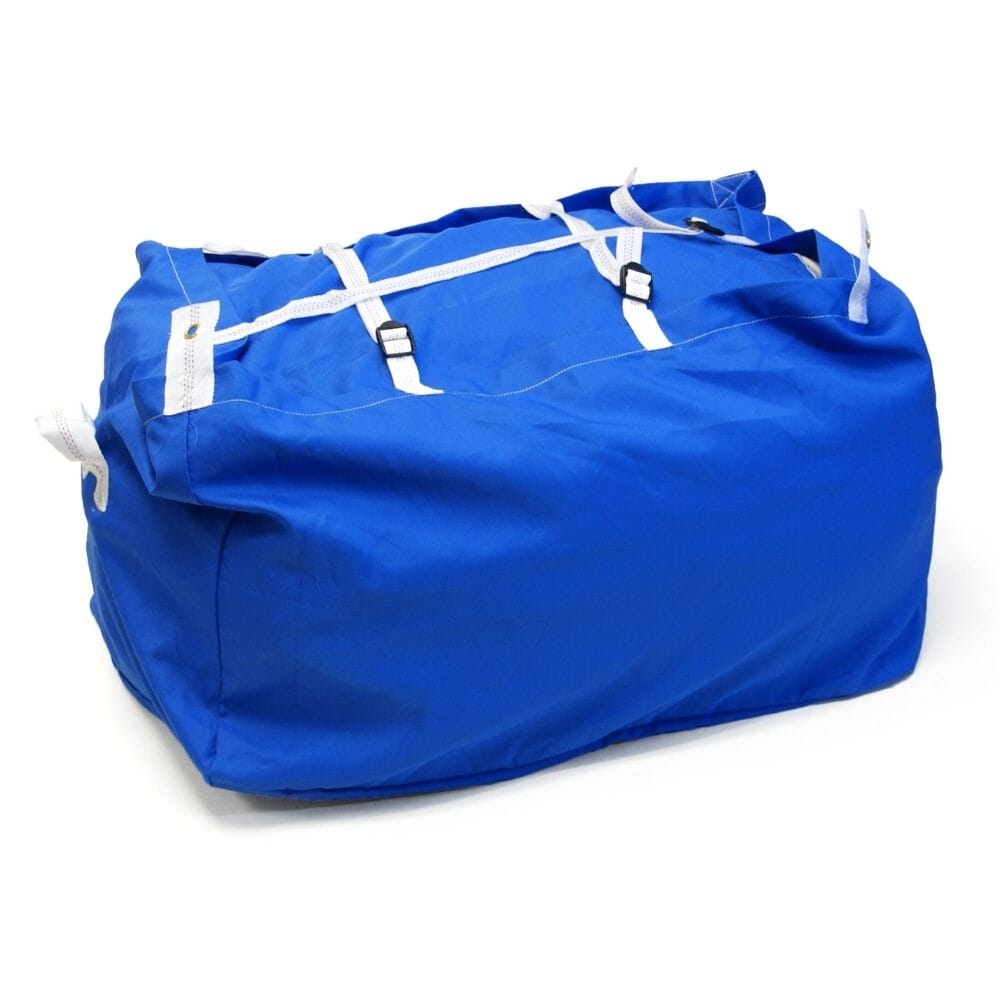
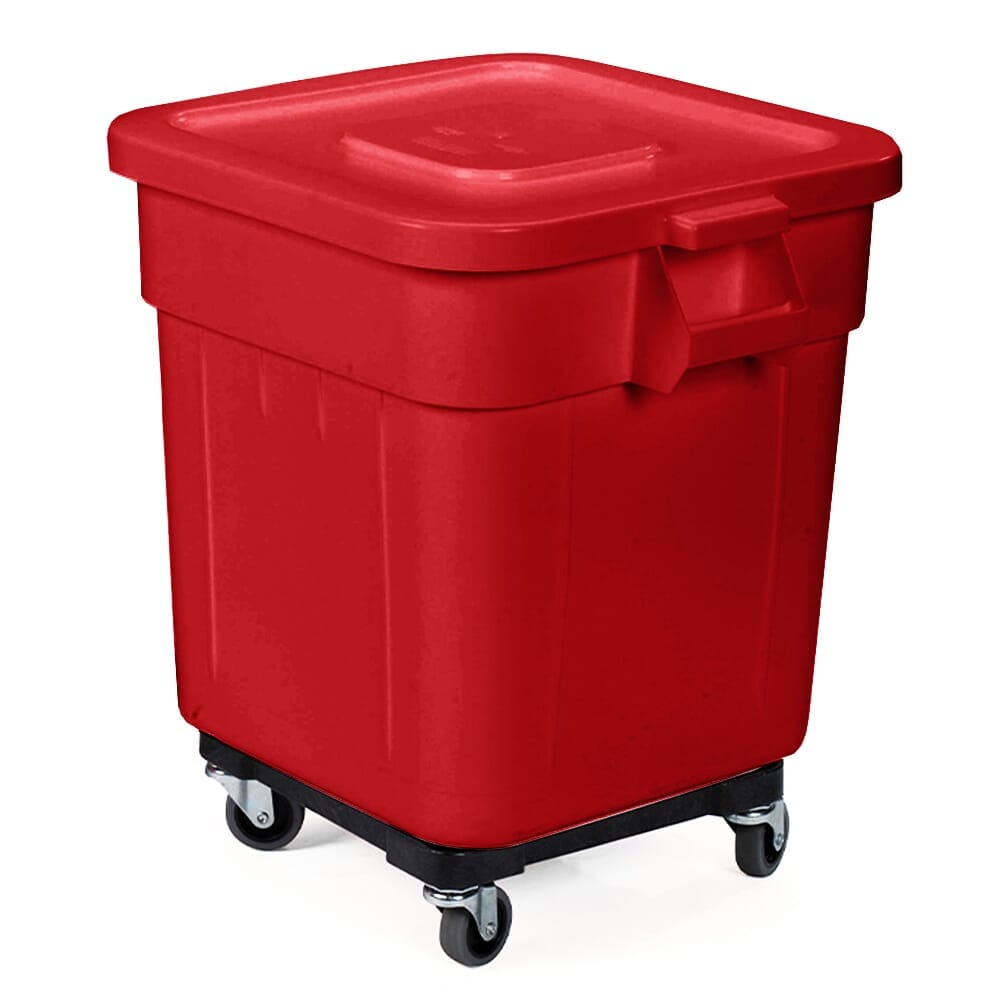
Advantages and Disadvantages
Different laundry products solve different problems, and the trade-offs matter because fabric damage often comes from using the right product in the wrong context. A stain remover that works well on cotton sportswear may be too aggressive for wool, while a drying method that speeds up towels can shorten the life of knitwear or garments with elastane. Comparing advantages and disadvantages by product type makes it easier to match treatment to fibre, soil level and drying tolerance.
| Product category | Main advantage | Main drawback | Most suitable for | Main risk |
|---|---|---|---|---|
| Stain Removers | Targeted treatment before washing | Can affect colour or delicate fibres | Localised marks, set-in stains | Over-application on sensitive fabrics |
| Fabric Conditioners | Softer handle and reduced static | Can reduce absorbency and leave residue | Everyday clothing, some synthetics | Poor performance on towels and technical fabrics |
| Tumble Dryers | Fast, weather-independent drying | Heat and friction can stress fibres | Towels, bedding, robust cottons | Shrinkage, wear and energy use |
| Drying Racks | Low-heat, fabric-gentle drying | Slower drying and more indoor humidity | Delicates, wool, shape-sensitive items | Stiff feel if airflow is poor |
Stain Removers
Stain removers are useful because they concentrate cleaning power where the problem is, rather than exposing the whole load to a harsher wash. This is especially relevant for protein, oil or pigment stains that may not lift fully in a standard cycle. Pre-treatment can also allow a lower wash temperature afterwards, which is often safer for mixed fabrics and helps reduce colour loss.
The disadvantage is that targeted products demand more judgement than detergent in the drum. Contact time, fabric type and dye stability all matter. A remover left too long on a dyed garment can create a lighter patch, and vigorous rubbing can distort fibres or raise the surface on cotton jersey and knit fabrics. On delicate items, the stain may be less damaging than the treatment.
Heat can set many stains permanently, so avoid tumble drying a garment until the mark has fully disappeared.
-
Effective for localised stains without increasing the intensity of the whole wash
-
Useful when lower wash temperatures are preferable for colour or fibre care
-
Less suitable for wool, silk and unstable dyes unless the care label permits treatment
-
Requires careful timing and application to avoid marks, fading or fibre stress
Fabric Conditioners
Fabric conditioners can improve handle, reduce static and make line-dried garments feel less rigid. On synthetic blends, this can be particularly useful because static cling tends to increase in dry indoor conditions and after tumble drying. They may also help some garments crease less in wear, which matters for shirts and lightweight woven fabrics that are not ironed immediately after drying.
Their drawbacks are practical rather than cosmetic. Conditioners can coat fibres, and that coating changes how some textiles perform. Towels may feel softer but absorb less water over time, and sports fabrics designed to move moisture can lose efficiency if residue builds up. Overuse can also leave deposits in drawers, seals and fibres, which becomes more noticeable in low-temperature washing.
-
Improves softness and can reduce static on everyday garments
-
Can help line-dried items feel less harsh, especially in hard-water areas
-
Not ideal for towels, microfibre cloths or moisture-managing sports fabrics
-
Residue build-up is more likely when dosage is too high or wash temperatures stay low
Tumble Dryers
Tumble dryers offer the clearest convenience advantage because they remove dependence on weather, outdoor space and long indoor drying times. They are particularly practical for bulky items such as towels, bedding and heavier cotton garments that can stay damp for many hours on a rack. Faster drying also reduces the time laundry spends in a crumpled heap, which can limit musty odours and reduce deep creasing.
The disadvantages centre on heat, friction and repeated mechanical stress. These factors can shrink cotton, weaken elastane, roughen printed surfaces and shorten the life of knitwear. Even when a garment is labelled tumble-dry safe, overdrying can still make fibres harsher and seams more stressed. For mixed-fibre wardrobes, the dryer is usually most efficient when reserved for robust items rather than every load.
-
Fast and weather-independent, especially for bulky household laundry
-
Helpful for reducing long indoor drying times
-
Less suitable for wool, elastane-rich garments, delicates and some prints
-
Heat and drum action can increase shrinkage, fibre wear and energy use
Drying Racks
Drying racks are the gentler option because they avoid direct heat and reduce fibre stress. This makes them better suited to wool, lingerie, embellished garments and items that lose shape easily. Flat or carefully supported drying is often the safer route for knitwear because water weight can stretch shoulders and hems if garments are hung from pegs or a line.
The trade-off is drying speed and room conditions. Slow drying can leave heavier fabrics smelling stale, and poor airflow indoors can increase humidity around the home. Racks also require more active garment handling, because items need spacing, reshaping and sometimes turning to dry evenly. For households washing large volumes, rack drying alone can become impractical in colder months.
-
Gentler on fibres than heated drying
-
Better for wool, delicates and shape-sensitive garments
-
Slower drying can lead to stiffness or stale odours if airflow is limited
-
Requires space, ventilation and more careful positioning of garments
Heated Airers
Heated airers sit between a standard rack and a tumble dryer. They speed up drying without the same level of tumbling friction, which can make them useful for everyday clothing, children’s uniforms and smaller mixed loads. They are also easier on garments that should not be exposed to full tumble drying but still need faster turnaround than an unheated rack can provide.
Their limitations are capacity and drying uniformity. Thick waistbands, dense cottons and folded contact points can remain damp if items are crowded. They also do not replace the reshaping benefits of flat drying for wool or the speed of a tumble dryer for large household loads. Used well, they are a compromise tool rather than a universal solution.
-
Faster than an unheated rack, with less friction than tumble drying
-
Useful for mixed everyday garments and smaller loads
-
Capacity is limited, and crowded items dry unevenly
-
Not a substitute for flat drying delicates or rapid drying of bulky laundry
Our Top Picks
Stain Removers
A dedicated stain remover is most useful when the wash cycle alone is unlikely to lift a mark without repeated washing. This matters for protein-based stains such as blood, greasy food residues, and tannin stains from tea or wine, because each responds differently to treatment time and chemistry. For mixed household loads, the practical distinction is between pre-treatment sprays, gels, sticks and powders, since application method affects how precisely you can treat cuffs, collars and isolated spots without soaking the whole garment.
When comparing options, check whether the product is intended for colours, whites, or both, and whether it is suitable for low-temperature washing. That detail matters because many modern fabric-care routines rely on cooler cycles, and some stain removers perform better with a longer contact time rather than higher heat. If you regularly wash delicates or dyed fabrics, compatibility is more important than raw stain-lifting claims, because aggressive treatment can shift colour or weaken fibres before the item even reaches the machine.
Heat can set some stains permanently, so a stain remover should usually be used before tumble drying or ironing if the mark is still visible after washing.
-
Compare the application format, spray, gel, stick or powder, based on how precisely you need to target stains.
-
Check fabric and colour suitability before treating dyed items or delicate fibres.
-
Look at whether the remover is designed for pre-treatment, in-wash use, or both.
-
Low-temperature effectiveness is useful if most of your laundry is washed on cooler cycles.
Fabric Conditioners
Fabric conditioner is less about cleaning and more about how textiles feel and behave after washing and drying. In practical terms, it can reduce stiffness in towels, bedding and everyday cotton garments, but its effect varies by fabric type. On some technical textiles and absorbent items, conditioner can interfere with performance, so it is not a universal add-on for every load.
For comparison, focus on intended fabric use, concentration and dosing guidance rather than scent alone. A concentrated formula changes cost per wash and makes overdosing easier, which can leave residue on fibres and inside the machine drawer. If your priority is easier ironing or reducing static in synthetic-heavy loads, that is a more useful buying criterion than fragrance longevity, because those are measurable handling benefits rather than purely cosmetic ones.
Keep fabric conditioner for loads that benefit from softness or reduced static, and leave it out of sportswear, microfibre and highly absorbent fabrics unless the care label says otherwise.
-
Check whether the conditioner is suitable for cottons, synthetics, or mixed loads.
-
Compare concentration and dose size, not just bottle volume.
-
Use it selectively, because some fabrics lose absorbency or technical performance with conditioner.
-
Residue from overdosing can affect both garments and machine cleanliness.
Drying Racks
A drying rack gives you the most control over fabric handling after washing, especially for knitwear, delicates and garments prone to shrinkage or shape distortion. Unlike machine drying, air drying lets you separate items by weight and fabric structure, which is useful when a single load includes shirts, wool blends, sportswear and heavier cotton pieces. The rack design matters because bar spacing, hanging height and overall footprint affect drying speed as much as room ventilation does.
Freestanding tower racks, winged floor racks and flat drying frames each suit different laundry patterns. Tower designs use vertical space efficiently for smaller homes, while winged racks are easier for long items such as trousers and bed linen. Flat frames are the safer choice for woollens and knitwear that should dry horizontally to avoid stretching. If you compare these formats side by side, capacity alone is not enough, because usable space depends on the shape of the items you wash most often.
| Drying rack category | Best suited to | Main advantage | Main limitation |
|---|---|---|---|
| Winged floor racks | Mixed everyday laundry, longer garments | Good length for larger items | Takes more floor space |
| Tower racks | Smaller homes, frequent smaller loads | Uses vertical space efficiently | Less convenient for wide items |
| Flat drying frames | Knitwear, woollens, delicates | Helps garments keep their shape | Limited capacity for bulk laundry |
For knitwear and stretch fabrics, drying flat is usually safer than hanging, because water weight can pull the garment out of shape while it dries.
-
Match the rack format to the items you wash most often, not just the quoted drying length.
-
Flat drying surfaces are useful for woollens and knitwear that should not hang wet.
-
Vertical designs save floor space but can be awkward for wide or long garments.
-
Drying speed depends on airflow and item spacing as well as rack size.
Tumble Dryers
A tumble dryer is primarily a time-management tool, but for fabric care the important question is how much control it gives you over heat and dryness. Overdrying is one of the quickest ways to harden cotton, shrink blended fabrics and shorten the life of elastane-containing garments. For that reason, sensor drying is usually more relevant than a long list of preset programmes, because it stops the cycle when the load reaches the selected dryness level instead of running to a fixed timer.
The second key distinction is whether you need the dryer for all laundry or only for selected items such as towels, bedding and robust everyday wear. If you routinely separate delicates, woollens and technical fabrics for air drying, a dryer with clear low-heat and fabric-specific settings is easier to integrate into a mixed laundry routine. Capacity also needs to be judged against your washing machine loads, because underestimating drum size leads to cramped drying, while overfilling reduces airflow and leaves heavier items damp.
A garment that is technically dryer-safe can still wear faster if it is tumble dried routinely at high heat, especially if it contains elastane or decorative finishes.
-
Prioritise sensor drying and heat control over programme count.
-
Match dryer capacity to the loads you actually wash, not only to available space.
-
Use tumble drying selectively for fabrics that benefit from speed and softness.
-
Lower heat settings are important for blended fabrics and items with stretch fibres.
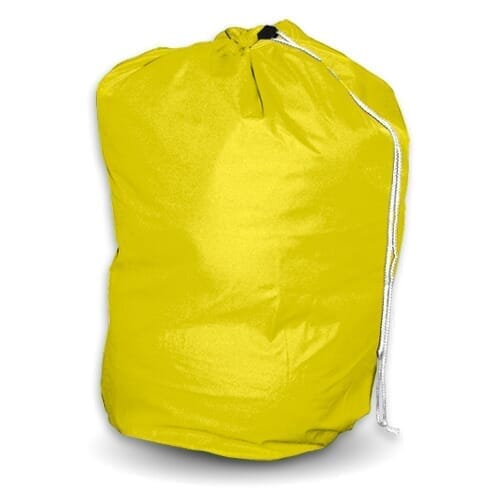
Frequently Asked Questions
Do I need fabric softener for every wash?
No. Fabric softener mainly changes handle, reduces static on some fibres, and can leave a coating that is unnecessary for many everyday loads. It is most useful on woven cottons, bed linen, and garments where a softer feel matters more than absorbency or technical performance.
When should I avoid fabric softener?
Avoid it on towels, microfibre cloths, sportswear, and water-resistant fabrics unless the care label explicitly allows it. The residue can reduce absorbency, interfere with moisture management, and affect finishes designed to repel water or trap dust.
> **Worth knowing:** More softener does not mean softer laundry. Overdosing often leaves fabrics feeling waxy and can increase build-up in drawers, hoses, and fibres.
- Useful for softness, reduced static, and a smoother feel on suitable fabrics
- Often unsuitable for towels, microfibre, sportswear, and treated outerwear
- Residue build-up is more likely when dosing is too high
- Care labels matter more than habit when deciding whether to use it
### Laundry Sanitiser
Is laundry sanitiser the same as detergent?
No. Detergent is designed to remove soil and oils, while sanitiser is used to reduce bacteria and odour-causing residues, especially at lower wash temperatures. If a product is intended as an additive rather than a replacement, it should be used alongside detergent, not instead of it.
When is laundry sanitiser worth using?
It is most relevant for gym kit, underwear, towels, bedding, pet textiles, and loads affected by persistent odour. It can also help when fabrics cannot tolerate hotter washes that would otherwise contribute to hygiene control.
> **Tip:** If odour returns as soon as the item warms up during wear, the issue is often residue left in the fibres, not just surface dirt. Washing with the correct detergent dose and, where suitable, a sanitising additive is usually more effective than rewashing repeatedly.
| Product category | Main purpose | Most useful for | Key limitation |
|---|---|---|---|
| Detergent | Removes dirt, oils, and general wash soils | Routine washing of all washable textiles | Does not always address persistent odour at low temperatures |
| Stain remover | Targets specific marks before or during washing | Food, grease, grass, and similar localised stains | Treats spots rather than whole-load hygiene |
| Laundry sanitiser | Reduces bacteria and odour residues | Sportswear, towels, bedding, and low-temperature hygiene washes | Not a substitute for proper cleaning with detergent |
- Distinct from detergent, with a hygiene and odour-control role
- Useful when lower temperatures limit hygiene performance
- Best suited to odour-prone or close-contact textiles
- Should be matched to care labels and product instructions
### Drying Racks
Is air-drying better for delicate fabrics than tumble drying?
Usually yes, because air-drying avoids the mechanical action and heat that can shrink, distort, or abrade fibres. Knitwear, elastane blends, lace, and garments with bonded details generally keep their shape better when dried flat or supported carefully.
What should I look for in a drying rack?
Focus on usable drying space, bar spacing, stability, and whether the layout suits long items, flat drying, or small garments. A rack that is too crowded slows drying because airflow matters as much as total capacity.
> **Tip:** Shake out garments before hanging them on a rack. This reduces creasing, helps seams sit correctly, and shortens drying time by opening the fabric structure.
- Gentler than tumble drying for delicates and shape-sensitive items
- Airflow and spacing affect drying speed more than headline capacity alone
- Flat or supported drying is preferable for knitwear and stretch fabrics
- Stability matters when drying heavier items such as jeans or towels
### Tumble Dryers
Which fabrics should not go in a tumble dryer?
Wool, silk, many embellished garments, foam-backed items, and some synthetics are commonly unsuitable, but the care label is the deciding factor. Heat and tumbling can cause shrinkage, delamination, loss of shape, or damage to prints and trims.
How can I reduce fabric damage in a tumble dryer?
Dry by fabric type, use the lowest suitable heat, and remove items as soon as they are dry rather than overdrying. Mixed loads dry unevenly, so lighter synthetics can be exposed to unnecessary heat while heavier cottons are still damp.
> **Worth knowing:** A higher-heat programme is not automatically faster in practice if it leads to set-in creases, shrinkage, or the need to rewash items affected by lint transfer.
- Best reserved for fabrics whose care labels permit tumble drying
- Lower heat and shorter cycles reduce shrinkage and wear
- Sorting by fabric weight improves even drying
- Overdrying is a common cause of stiffness, creasing, and fibre stress
### Clothes Steamers
Can a clothes steamer replace ironing after washing?
It can for many woven shirts, dresses, and lightly creased garments, but it is less effective on sharp pleats, heavy linen, and fabrics that need a crisp pressed finish. Steam relaxes fibres rather than pressing them flat under pressure.
Is steaming useful for laundry care beyond crease removal?
Yes, it can refresh garments between washes and reduce the need for full laundering when the item is not visibly soiled. That matters for delicate fabrics and structured clothing, where frequent washing can shorten the life of the material or alter its shape.
> **Tip:** Steam garments only when they are fully dry unless the care label says otherwise. Adding steam to already damp fabric can prolong drying time and may leave seams or linings feeling clammy.
- Suitable for refreshing and de-creasing many everyday garments
- Less effective than ironing for crisp finishes and defined creases
- Can reduce unnecessary washing for lightly worn items
- Works best as part of fabric care, not as a stain-removal method
Ready to Buy?
Clothes Airers
An indoor clothes airer is the most fabric-friendly drying option for garments that react badly to high heat, repeated tumbling or aggressive spinning. Knitwear, elastane blends, bras, printed tops and lightweight shirts generally keep their shape better when dried without direct mechanical action. The main buying decision is not simply size, but usable hanging length relative to the space you actually have, because a tall tower design and a wide winged design dry laundry differently even when their quoted capacity looks similar.
Build format matters for day-to-day use. A compact frame suits flats and utility corners, while a multi-tier design gives more line space in a smaller footprint but can restrict airflow between layers. If you regularly dry bedding or long dresses, check bar spacing and maximum item drop, because cramped rails slow drying and increase creasing. Folded dimensions are worth comparing if the airer will be stored behind a door or beside a machine.
If you dry mixed loads indoors, leave space between heavier items and lighter synthetics, because airflow often matters more than room temperature.
-
Compare total drying length, not just claimed load size
-
Match the frame shape to your room layout and storage space
-
Wider rail spacing helps reduce damp patches and creasing
-
Taller multi-level designs save floor space but can slow airflow
-
Best for heat-sensitive fabrics and items prone to shrinkage
Heated Clothes Airers
A heated clothes airer shortens indoor drying times without the agitation of a tumble dryer, which makes it useful for delicate everyday laundry in colder months. It is particularly relevant if you wash small to medium loads frequently and need a predictable overnight drying option. The key distinction is between gentle assistance and fast drying, because these products warm the rails rather than circulating large volumes of hot air through the fabric.
When comparing models, focus on drying area, power rating and cover compatibility. More rails do not automatically mean faster results if the bars are closely packed or if larger items block heat from reaching the rest of the load. A fitted cover can improve efficiency by trapping warmth around the laundry, but it also changes how you load the frame, especially with thicker towels or hoodies. For households drying school uniforms, workwear or baby clothes indoors, that practical loading pattern matters as much as energy use.
Heated airers are gentler than tumble drying, but they still work slowly on dense fabrics if items are folded over too many rails.
| Product category | Best suited to | Key differentiators | Main limitation |
|---|---|---|---|
| Standard clothes airers | Delicates, occasional indoor drying | No power use, simple storage, varied formats | Slowest drying in cool rooms |
| Heated clothes airers | Regular indoor drying of mixed garments | Faster rail drying, lower agitation, optional covers | Less effective for very bulky items |
| Tumble dryers | Towels, bedding, high-volume laundry | Fast drying, weather-independent, large load handling | Heat and tumbling can stress some fabrics |
-
Check power rating alongside total rail space
-
Covers can improve drying efficiency in cooler rooms
-
Better for frequent indoor drying than occasional emergency use
-
Less suitable for thick folded items unless loaded loosely
Tumble Dryers
A tumble dryer is the practical choice when drying speed, weather independence and load volume matter more than the gentlest possible treatment. It is especially useful for towels, bed linen, cotton basics and households that cannot leave laundry out for long periods. For fabric care, the important point is not whether to own one, but whether its programme control matches the range of textiles you wash. Delicates, wool and stretch fabrics need lower heat options and shorter, more controlled cycles if they are to be dried safely.
Sensor drying is one of the most useful features to prioritise because it helps stop the cycle when items reach the target dryness level, reducing unnecessary heat exposure. That matters for shrinkage control, crease reduction and energy use. Drum size should also be matched to your wash loads, because overfilling restricts airflow and underfilling can make bulky items dry unevenly. If you regularly wash mixed fabrics, programme clarity is worth more than a long list of specialist labels, because the machine needs to make it easy to separate cupboard-dry cottons from lower-heat synthetics.
If you use a tumble dryer for mixed households, sort by fabric weight as well as fabric type, because heavy cottons can overdry lighter items in the same cycle.
-
Sensor drying helps limit over-drying and fabric stress
-
Lower heat settings are important for synthetics and stretch fabrics
-
Drum capacity should reflect real wash load size, not occasional peak loads
-
Best suited to towels, bedding and routine high-volume drying
-
Mixed loads need careful sorting to avoid uneven results
Laundry Baskets and Sorters
Laundry baskets and sorters affect fabric care earlier than most shoppers expect. A basic single basket is enough for low-volume washing, but a divided sorter helps separate whites, darks, delicates and stain-prone items before they sit together for days. That reduces colour transfer risk, prevents damp items from being trapped at the bottom of a pile and makes it easier to treat stains while they are still fresh. For households with sportswear, school uniforms or baby clothes, that sorting step can directly reduce rewashing.
Material and structure matter because laundry storage has to handle weight, airflow and repeated movement. A rigid basket is easier to carry for heavy loads such as towels and bedding, while a fabric sorter can save space and support pre-sorting if the compartments are clearly divided. Ventilation openings are useful where laundry may sit for a day or two, because trapped moisture encourages odour build-up. Handles, lid design and footprint all affect whether the basket is practical in a bathroom, bedroom or utility area.
A sorter only improves wash results if the compartments reflect how you actually wash, not an ideal routine you rarely follow.
-
Divided sorters help separate colours, delicates and stained items early
-
Ventilation reduces odour build-up in stored laundry
-
Rigid baskets suit heavier loads and frequent carrying
-
Footprint and handle design affect everyday usability more than capacity alone
The main decision is matching each laundry product and setting to the fabric, stain type and drying tolerance of the item, rather than relying on one routine for every load. Detergent, wash temperature, spin speed, stain treatment and drying method all affect wear differently, so the safest choice is the one that removes soil effectively without adding unnecessary heat, friction or repeated washing.